- English
- French
- German
- Portuguese
- Spanish
- Russian
- Japanese
- Korean
- Arabic
- Greek
- German
- Turkish
- Italian
- Danish
- Romanian
- Indonesian
- Czech
- Afrikaans
- Swedish
- Polish
- Basque
- Catalan
- Esperanto
- Hindi
- Lao
- Albanian
- Amharic
- Armenian
- Azerbaijani
- Belarusian
- Bengali
- Bosnian
- Bulgarian
- Cebuano
- Chichewa
- Corsican
- Croatian
- Dutch
- Estonian
- Filipino
- Finnish
- Frisian
- Galician
- Georgian
- Gujarati
- Haitian
- Hausa
- Hawaiian
- Hebrew
- Hmong
- Hungarian
- Icelandic
- Igbo
- Javanese
- Kannada
- Kazakh
- Khmer
- Kurdish
- Kyrgyz
- Latin
- Latvian
- Lithuanian
- Luxembou..
- Macedonian
- Malagasy
- Malay
- Malayalam
- Maltese
- Maori
- Marathi
- Mongolian
- Burmese
- Nepali
- Norwegian
- Pashto
- Persian
- Punjabi
- Serbian
- Sesotho
- Sinhala
- Slovak
- Slovenian
- Somali
- Samoan
- Scots Gaelic
- Shona
- Sindhi
- Sundanese
- Swahili
- Tajik
- Tamil
- Telugu
- Thai
- Ukrainian
- Urdu
- Uzbek
- Vietnamese
- Welsh
- Xhosa
- Yiddish
- Yoruba
- Zulu
What level a cast is the perfect accessory?
It is very important to understand the connection between casting accuracy and component quality when picking the right casting accessories for your needs. The best supplement level relies on the task at hand, the amount of work that needs to be done, and the level of performance you expect. Casting tools include more than just fishing gear. They also include industrial parts like aluminum housings, valve bodies, and precision-engineered parts that are important parts of bigger systems. For your individual needs, the best casting level strikes a mix between the properties of the material, the accuracy of the measurements, and the cost-effectiveness.
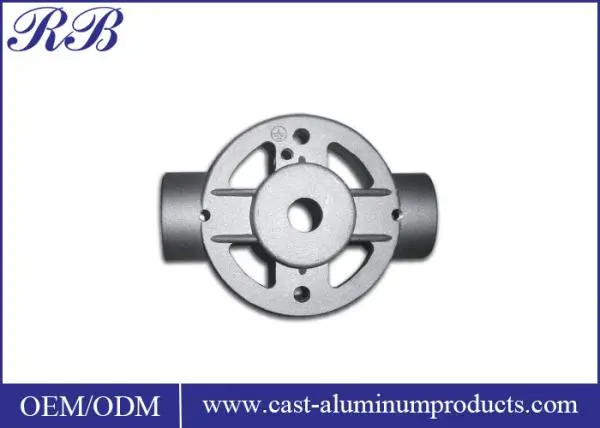
Casting Accessories Role in Manufacturing Excellence
Learning about casting tools and how they help make good products. Specialized parts made using different metal casting methods are called industrial casting accessories. They help machines work in many different areas. Precision-engineered parts, on the other hand, are used as building blocks in big machinery, energy infrastructure, and automobile systems.
What Defines Industrial Casting Accessories?
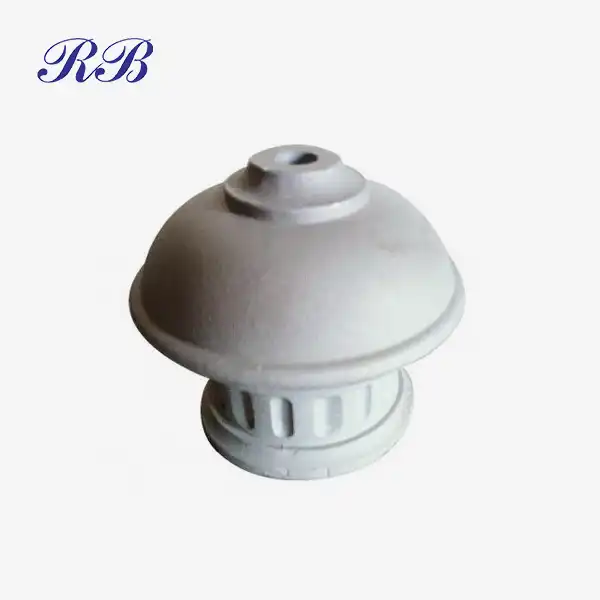
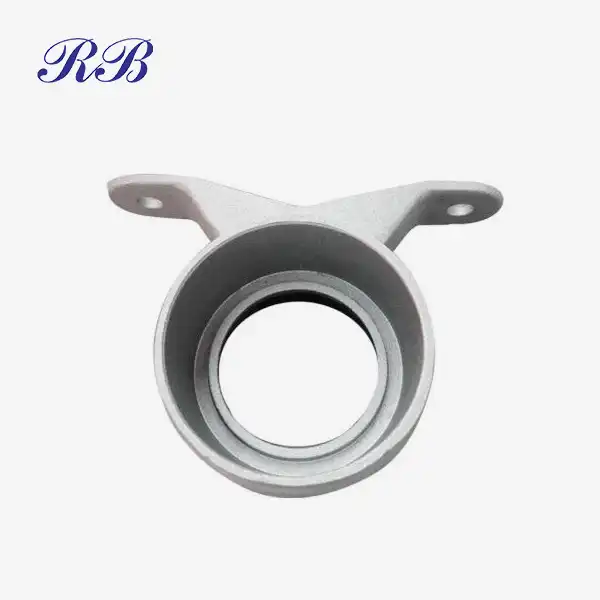
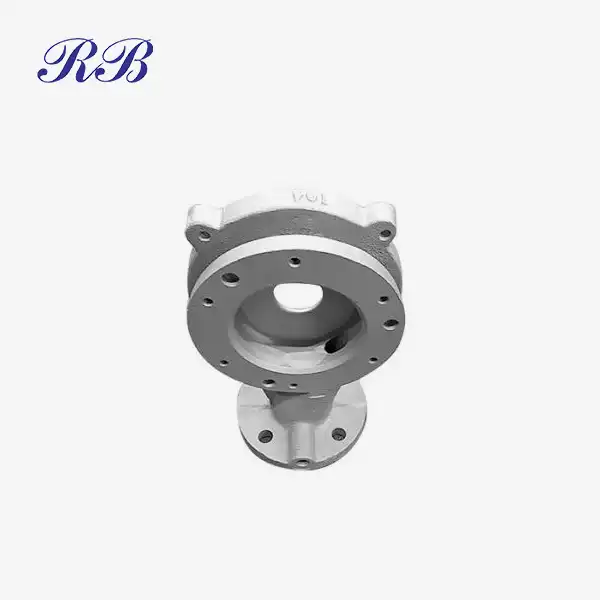
Some metal casting accessories are aluminum housings for control systems, valve bodies for managing fluids, and structural parts for putting together machines. To get the precise measurements and high-strength materials needed in harsh industrial settings, these parts are made using strict methods such as high-pressure die casting and gravity casting. The A380 aluminum alloy is often used in these situations because it is very fluid when it comes to casting and keeps its shape under stress from use.
The Strategic Importance of Quality Casting Components
High-quality casting accessories have a direct effect on how well and how reliably equipment works. A carefully made natural gas control valve housing, which weighs about 0.8 kg and is made by high-pressure casting, makes sure that vital infrastructure is properly sealed and lasts a long time. When CNC machining and shot blasting are used together, the surface processes improve accuracy and resistance to corrosion even more. This makes the parts last longer and require less upkeep.
Performance Metrics That Matter
When purchasing managers look at casting accessories, they should look at a few key signs. Material approval proves that the alloy's makeup meets the requirements. Tolerances in dimensions affect how well parts fit together and how they work. The quality of the surface finish affects how well the seal works and how long it lasts. A supplier's production capacity, like 5,000 pieces per cycle, shows how well they can meet regular number needs. All of these things together decide whether an accessory meets the performance standards of your business.
How to Choose the Perfect Casting Accessory for Your Application Requirements?
Find out how to pick the best casting accessory for your needs. To choose the right casting accessories, you have to match the specs of the parts with the needs of the operation. Different fields and uses need different levels of accuracy, approval standards, and material characteristics.
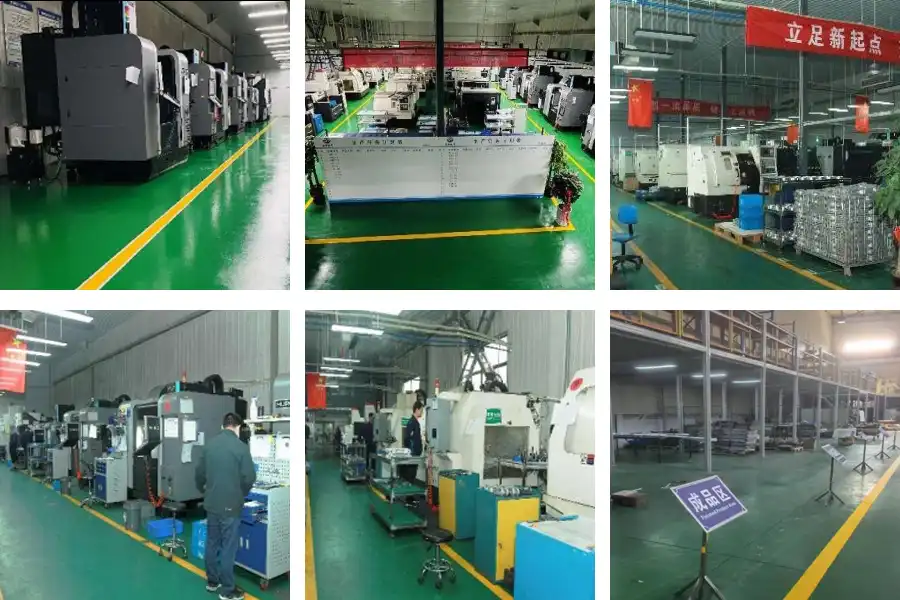
Assessing Your Casting Level Requirements
Taking a look at your casting level needs. The amount of complexity in manufacturing determines the casting needs. High-pressure die casting is needed for complex valve bodies with tight size controls, while gravity casting is best for simple housing parts with loose tolerances. Process selection is also affected by the weight of the part. Parts that weigh less than 1 kg usually have more manufacturing choices, while parts that weigh more may need special tools. For the best cost-effectiveness, your goal casting level should match the functional needs instead of going beyond what is needed.
Material Selection Criteria
Because they are strong for their weight and don't rust, aluminum metals are used to make most casting accessories. A380 aluminum is great for casting and keeping out pressure, which makes it perfect for control valve housings and other related uses. The choice of material affects how well it resists chemicals, heat, and mechanical forces. Materials that don't break down when exposed to hydrocarbons are needed for parts that are exposed to natural gas. Knowing your working surroundings helps you choose the right materials.
Certification and Compliance Considerations
Thoughts on certification and compliance. International quality approvals guarantee that the standards of production are met. ISO14001 and ISO45001 show pledges to safety and the environment, while ISO9001:2015 shows that quality control systems are in place. When parts are used in regulated fields like aircraft or energy, these qualifications become even more important. Verified approvals cut down on the time it takes to evaluate a supplier and lower the risk of quality issues. This is especially helpful for procurement managers who have to deal with multiple vendor relationships.
Evaluating Manufacturing Processes and Capabilities
Looking at the processes and skills of manufacturing. How the parts are made has a big impact on their quality, how much they cost, and how reliable the delivery is. Procurement professionals can make better choices about where to buy things when they understand the different casting methods.
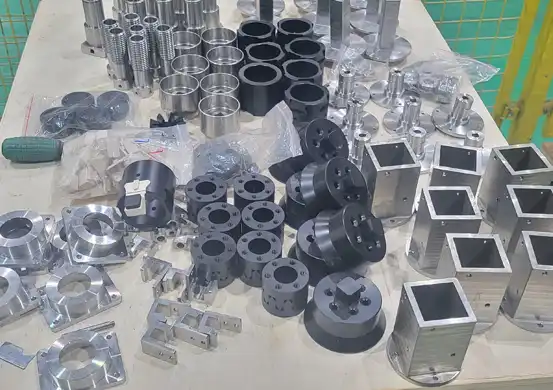
High-Pressure Die Casting Advantages
Pros of high-pressure die casting. High-pressure casting puts a lot of pressure on molds to push liquid metal into them. This makes parts with a smooth surface and tight specs. This method is great for making complicated shapes with thin walls and lots of small features. High-pressure ways cause materials to cool quickly, which makes fine-grain microstructures that improve mechanical qualities. These qualities make it possible for parts like natural gas control valve housings to be accurate in size and strong without having to go through any extra steps.
Integrated Manufacturing Capabilities
Suppliers who offer full production services, from making molds to treating the end surface, make supply chains run more smoothly and make communication easier. CNC cutting lets important measurements be fine-tuned after casting. Shot blasting is a way to treat surfaces that gets rid of casting scale and makes the roughness uniform so that coatings stick better. When compared to providers who outsource different tasks, integrated facilities keep all processes under one roof, which cuts down on lead times and quality difference.
Production Capacity and Scalability
The monthly production capacity has a direct effect on how reliably orders are delivered, especially when they are big. A factory that makes 5,000 items shows that it has a good working rhythm and knows how to use its resources. This chart shows how much money should be spent on automation and quality processes to get reliable results. Facility audits or third-party reviews should be used by procurement managers to check suppliers' claims about their capacity. This way, they can make sure that suppliers can keep up production levels without lowering quality when demand goes up.
Quality Assurance and Long-Term Performance
Making sure of quality and long-term performance. Reliability of parts relies on strict quality control during production and following the right repair procedures while they are in use. Setting up these procedures saves investments in equipment and cuts down on unplanned downtime.
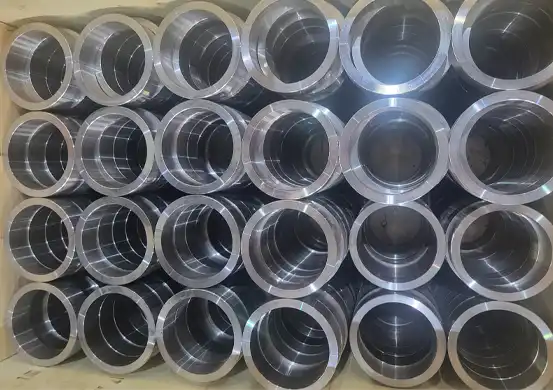
Manufacturing Quality Controls
Effective quality systems start with checking the raw materials, making sure they have the right alloy makeup and traits before they are used in production. Before moving on to machining, flaws like porosity or missing fills are found during the casting process through in-process checks. Tolerance compliance is confirmed by a final check of the dimensions using coordinate measuring tools. When these checkpoints are met, the parts are ready to be put together without having to be reworked first. Suppliers with ISO-certified quality systems show they follow these rules by writing down processes and having regular checks.
Operational Best Practices
Casting accessories don't fail as quickly if they are installed correctly. To keep stress from building up in valve housings, the right amount of torque must be applied during assembly. With regular inspections, wear patterns can be found before a part fails. In places where corrosion is common, protective coats need to be checked and replaced every so often. These care practices make things last longer and let you know about problems early, so you can replace them on purpose instead of having to fix them right away.
Performance Monitoring and Supplier Responsiveness
Suppliers are held responsible when failure rates and shipping performance are tracked. Quality engineers should write down the results of arriving inspections and look for patterns that could mean the process is drifting. When suppliers take quick corrected action and communicate clearly, it builds trust and supports long-term relationships. This ongoing conversation makes it possible to keep improving both the design of parts and the methods used to make them, which lowers the total cost of ownership.
Strategic Procurement Considerations for Casting Components
Things to think about when buying casting parts strategically. Effective buying strategies take both short-term cost concerns and long-term value creation into account. Building ties with capable providers gives you benefits over other competitors that go beyond unit price.
Supplier Evaluation Framework
When evaluating possible sellers, you need to look at more than just the prices they offer. Inspecting a manufacturing plant shows how well the equipment is working, how clean the place is, and how skilled the workers are. These are all signs of a quality culture. If you've exported before, especially to demanding places like Europe and North America, it shows that you know how to follow foreign rules. References from past customers can help you figure out how well you communicate and solve problems. This thorough study lowers the chance of choosing a supplier.
Custom Manufacturing and Design Support
Suppliers who offer technical help during the growth of a component add a lot of value. Design for manufacturing analysis finds possible casting problems before spending money on tools. Expertise in mold creation makes sure that the shape of the part is optimized for production efficiency while still meeting functional requirements. With this collaborative method, the number of prototype versions is cut down, and the time to market is sped up. With OEM and ODM, you can make changes to meet the needs of a specific application without having to make design decisions around standard parts.
Building Strategic Partnerships
Putting together strategic partnerships. There are many perks to switching from transactional buying to strategic relationships. When you commit to a certain amount of volume, you can often get better price and capacity sharing during busy times. Long-term relationships with suppliers urge them to invest in process changes that are good for both parties. Open lines of contact make it easier to respond quickly to changes in the design or worries about quality. These partnerships give companies benefits over their competitors that are hard for them to copy. This is especially useful in industries with complicated supply lines.
Conclusion
To find the ideal amount of casting accessories, you have to weigh technical needs against practical issues like cost, supplier capacity, and supply. Industrial casting parts, like metal valve housings and complicated machine parts, have important jobs that need to be done reliably. Component fit is affected by the choice of manufacturing method, the requirements for the material, and the quality control procedures. Aside from price, procurement workers need to look at a supplier's manufacturing skills, compliance with certifications, and possibility for a partnership when evaluating them. Value is maximized while practical reliability is maintained by parts that meet application standards without being over-specified.
FAQ
What casting accessories suit high-pressure applications?
Parts for high-pressure systems need materials that are very good at keeping pressure out, like A380 aluminum. High-pressure die casting makes microstructures that are thick and reduces porosity. Tight closing surface limits can be reached with CNC machining. Surface treatments like shot blasting make coatings stick better to protect against rust. Examples of these needs can be seen in natural gas control valve uses, where preventing leaks and ensuring long-term dependability support using high-quality manufacturing methods.
How do lead times vary for custom casting orders?
Standard parts usually ship within the normal production processes, which are usually between 4 and 6 weeks. For custom patterns, cast development takes an extra 8 to 12 weeks before the first items are made. Once the equipment is finished, the length of time it takes to fill an order is based on its production ability, such as 5,000 pieces per month. Orders that are placed in a hurry may get priority, but they usually cost more. Realistic timelines are made clear by clear contact with providers during the quotation process.
What certifications should casting suppliers maintain?
Getting ISO9001:2015 approval proves that a quality control system meets international standards. ISO14001 shows that industrial processes are responsible for the environment. ISO45001 confirms health and safety rules at work that keep workers safe. Industry-specific approvals, such as IATF16949 for car uses, give you even more peace of mind. These credentials show that set processes and frequent audits by a third party are being followed.
Partner with Rongbao Enterprise for Precision Casting Solutions
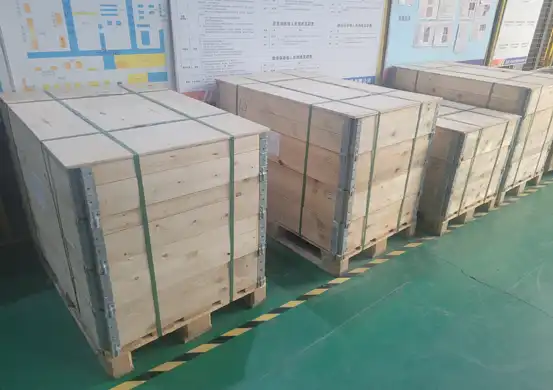
Rongbao Enterprise sells casting accessories for industry that are backed by 20 years of excellent production. We can do everything from high-pressure die casting to low-pressure casting to precise CNC milling. We can make parts from an idea to a finished product. Certifications like ISO9001, ISO14001, and ISO45001 make sure that every item meets the highest quality standards around the world. We know what you want because 70% of our production goes to markets in Europe, the United States, and Japan. Our Xi'an facility can keep up with production runs of 5,000 pieces and can also meet the special needs of different uses. Technical knowledge helps improve the design, and well-established procedures make sure that deliveries are on time. Get in touch with our team at steve.zhou@263.net or zhouyi@rongbaocasting.com to talk about your needs with a reliable provider of casting accessories that wants you to succeed.
References
1. American Foundry Society. (2022). Aluminum Casting Design and Production Standards. Des Plaines: AFS Publications.
2. Campbell, J. (2015). Complete Casting Handbook: Metal Casting Processes, Metallurgy, Techniques and Design. Oxford: Butterworth-Heinemann.
3. Davis, J.R. (1993). Aluminum and Aluminum Alloys (ASM Specialty Handbook). Materials Park: ASM International.
4. Kaufman, J.G. & Rooy, E.L. (2004). Aluminum Alloy Castings: Properties, Processes, and Applications. Materials Park: ASM International.
5. Machinery's Handbook Editorial Staff. (2020). Machinery's Handbook 31st Edition: Guide to Manufacturing and Quality Principles. New York: Industrial Press.
6. Viswanathan, S. et al. (2021). Die Casting Engineering: A Practical Guide to High Productivity Manufacturing. Milwaukee: North American Die Casting Association.
Learn about our latest products and discounts through SMS or email