- English
- French
- German
- Portuguese
- Spanish
- Russian
- Japanese
- Korean
- Arabic
- Greek
- German
- Turkish
- Italian
- Danish
- Romanian
- Indonesian
- Czech
- Afrikaans
- Swedish
- Polish
- Basque
- Catalan
- Esperanto
- Hindi
- Lao
- Albanian
- Amharic
- Armenian
- Azerbaijani
- Belarusian
- Bengali
- Bosnian
- Bulgarian
- Cebuano
- Chichewa
- Corsican
- Croatian
- Dutch
- Estonian
- Filipino
- Finnish
- Frisian
- Galician
- Georgian
- Gujarati
- Haitian
- Hausa
- Hawaiian
- Hebrew
- Hmong
- Hungarian
- Icelandic
- Igbo
- Javanese
- Kannada
- Kazakh
- Khmer
- Kurdish
- Kyrgyz
- Latin
- Latvian
- Lithuanian
- Luxembou..
- Macedonian
- Malagasy
- Malay
- Malayalam
- Maltese
- Maori
- Marathi
- Mongolian
- Burmese
- Nepali
- Norwegian
- Pashto
- Persian
- Punjabi
- Serbian
- Sesotho
- Sinhala
- Slovak
- Slovenian
- Somali
- Samoan
- Scots Gaelic
- Shona
- Sindhi
- Sundanese
- Swahili
- Tajik
- Tamil
- Telugu
- Thai
- Ukrainian
- Urdu
- Uzbek
- Vietnamese
- Welsh
- Xhosa
- Yiddish
- Yoruba
- Zulu
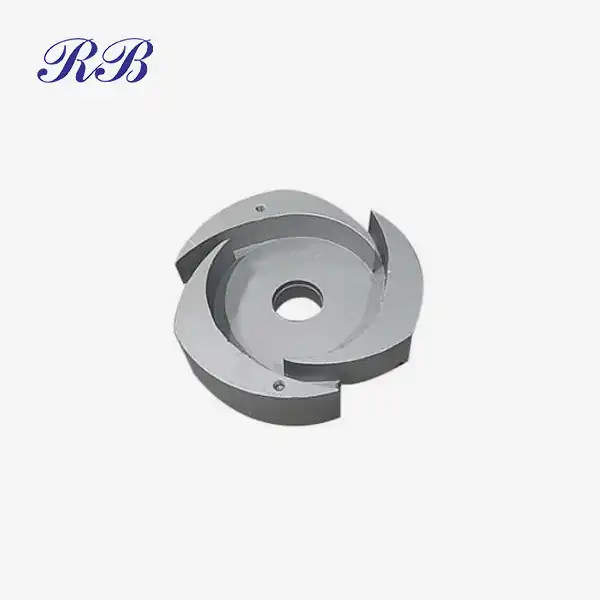
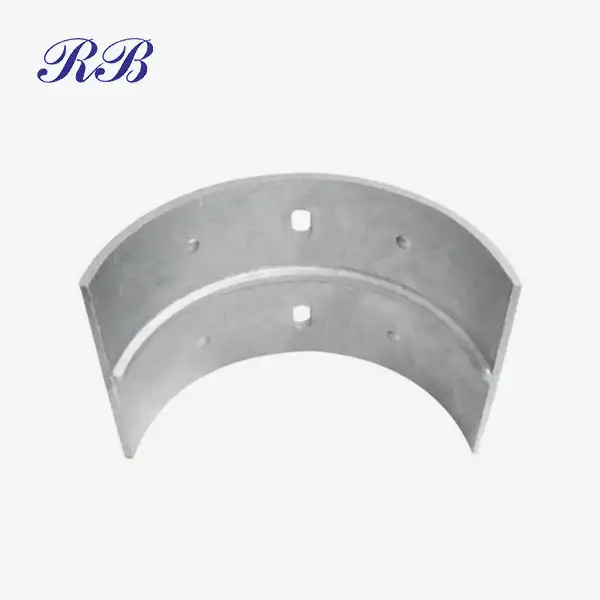
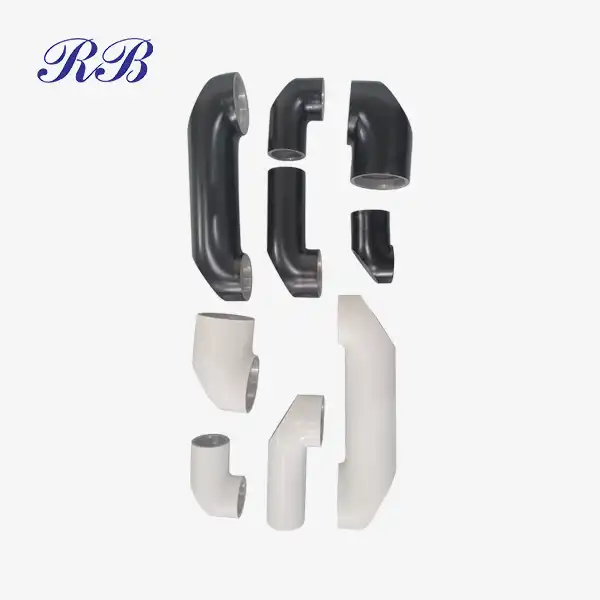
Marine Stainless Steel Castings
2. Material: Stainless steel
3. Weight: 2kg
4. Process: Low casting
5. Certification: ISO9001:2015, ISO14001, ISO45001
6. Transportation packaging:en box
7. Mechanical processing: CNC machining
8. Surface treatment: Shot blasting
9. OEM/ODM: Customized
10. Production capacity 5000 pieces
11. Specification: Customized
12. Origin: Xi'an, China
Marine Stainless Steel Castings
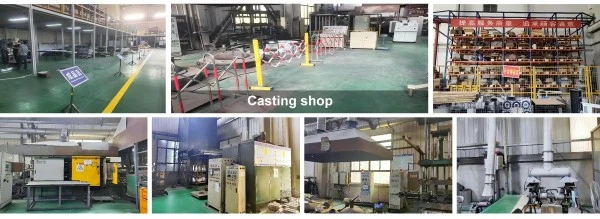
Shaanxi Rongbao Machinery Electronics Co., LTD specializes in manufacturing high-performance Marine Stainless Steel Castings engineered for harsh saltwater environments. Your components demand exceptional corrosion resistance and structural integrity. Our castings utilize premium grades—primarily 316 stainless steel—enhanced with molybdenum for superior pitting resistance in marine applications. With ISO 9001, ISO 14001, and ISO 45001 certifications, our production capacity reaches 5,000 pieces per batch while maintaining strict quality control standards.
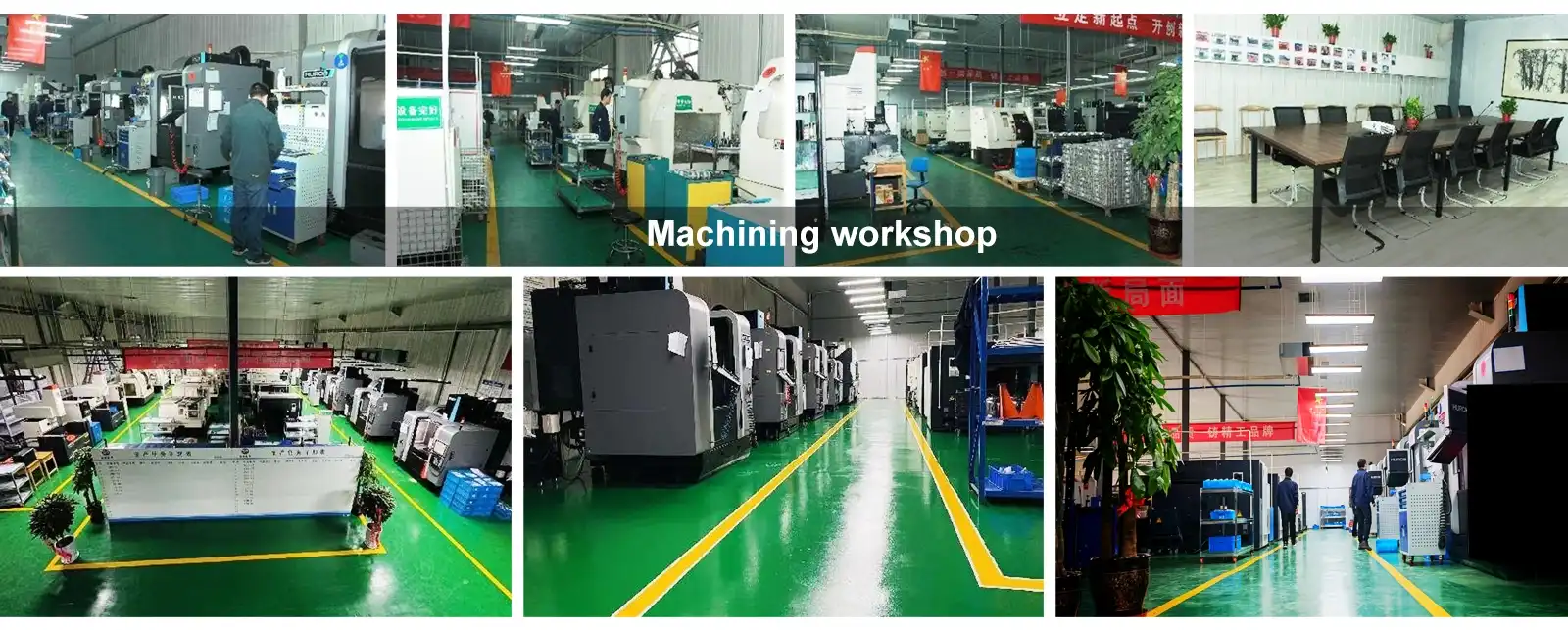
We combine advanced low-pressure casting technology with precision CNC machining and shot blasting surface treatment. Our integrated manufacturing approach ensures dimensional accuracy and durability for boat hardware, marine valves, and offshore equipment components. As a National High-Tech Enterprise holding 14 utility model patents, we deliver customized OEM/ODM solutions tailored to your technical specifications.
Why Choose Our Marine-Grade Stainless Castings?
Correct choice of stainless steel grade will affect the longevity of your component in corrosive marine conditions. 304 stainless steel is standard and provides basic corrosion resistance. Salt water, on the other hand, will corrode and damage the structure over time.
We ensure that our goods are based on 316-grade material. The additional molybdenum content provides a protective barrier against chloride assault. This chemical prevents microscopic surface failures that would degrade mechanical performance over time.
You gain from components that retain their structural integrity over years of wave impact, spray exposure and submersion cycles. 316 stainless steel is molecularly stable to resist oxidation even submerged in an oxygen starved environment.
Technical Specifications
|
Parameter
|
Details
|
|
Material Grade
|
316/316L Stainless Steel (Marine Grade)
|
|
Casting Process
|
Low-Pressure Casting
|
|
Weight Range
|
Starting from 2kg (customizable)
|
|
Surface Treatment
|
Shot Blasting (Mirror Polish Available)
|
|
Machining
|
CNC Precision Processing
|
|
Production Capacity
|
5,000 pieces per batch
|
|
Certifications
|
ISO 9001:2015, ISO 14001, ISO 45001
|
|
MOQ
|
Approximately 100 pieces
|
|
Lead Time
|
20-30 working days (standard orders)
|
|
Origin
|
Xi'an, China
|
Manufacturing Process Advantages
Your marine projects need more than basic casting capabilities. Rongbao's integrated workflow removes the delays that come with coordinating with multiple suppliers.
The procedure begins with the creation of custom moulds designed from your 3D models or technical drawings. Design optimisation feedback is part of the 15-25 day mould production phase. This initial investment allows repeatability across production runs.
Low-pressure casting uses regulated atmospheric conditions to fill the mould cavities uniformly. This process is less porous than gravity casting. This results in a denser microstructure and better mechanical characteristics.
Following casting, CNC machining is used to obtain the tolerances required for valve seats, flange connections and precision mounting interfaces. Shot blasting removes surface scale, and produces homogeneous texture for better coating adhesion.
All production is performed in our facilities. Instead of having to deal with a separate casting vendor, machining vendor, treatment vendor, etc., you get ready to assemble finished components.
Corrosion Resistance in Real-World Conditions
Marine environments present simultaneous attack vectors—saltwater immersion, UV exposure, thermal cycling, and mechanical stress. Your components must resist all simultaneously.
The chromium oxide layer on 316 stainless steel self-heals when scratched. Minor surface damage doesn't propagate into structural failure. Molybdenum additions specifically target chloride-induced pitting—the primary failure mode in brackish and saltwater applications.
Our Marine Stainless Steel Castings serve in pumps handling seawater cooling systems where flow velocities exceed 3 meters per second. The material withstands erosion-corrosion that degrades lesser alloys within months.
For above-waterline applications, the non-porous cast structure prevents moisture intrusion. Spray zones experience salt crystal formation during evaporation cycles. The smooth shot-blasted finish minimizes crevices where corrosive deposits accumulate.
Customization for Your Application Requirements
Standard components are rarely suitable for marine engineering. You need geometries that fit in with existing systems and meet the requirements of classification society.
Rongbao ODM service will translate your functional requirements into manufacturable designs. When quoting, our technical team looks at: Stress distribution Wall thickness optimisation Draft angles
For complex internal channels for fluid flow, competence in core preparation is needed. Our proprietary core production processes may create complex ports geometries and cooling channels not possible with standard sand cores.
Weight reduction is important for vessel performance. We use simulation analysis to optimise the material layout, losing mass while keeping strength. This strategy reduces fuel consumption without reducing the safety features.
Surface finish standards depend on the application. For hygienic systems in galleys and sanitation, mirror polishing is well suited. Textured coatings give traction to deck hardware. Our therapy procedures are adapted to your operating environment.
Quality Assurance and Testing Protocols
Your reputation hinges on component dependability in mission-critical applications. Our quality system tracks each casting from raw material certification to final inspection.
Incoming stainless steel ingots are spectrographically analysed to check for chemical compliance. Special care is given to the molybdenum content, as variances influence the corrosion resistance performance.
Non-destructive testing for internal faults before machining. Radiography is used to determine porosity and ultrasonic testing confirms structural integrity. We do not accept casts that do not pass penetration testing.
Dimensional verification is performed on CMM equipment calibrated to international standards. First article inspection reports prove you meet your designs. Cumulative tolerance stack-up is eliminated by in-process checks during machining.
The salt spray test is a simulation of accelerated marine exposure. Samples go through 1000+ hour fog chamber cycles. Surface examination following exposure verifies that the pitting resistance fulfils marine grade criteria.

FAQ
Q: What differentiates 316 stainless steel from 304 for marine castings?
A: 316 contains 2-3% molybdenum absent in 304 grades. This element dramatically improves resistance to chloride pitting corrosion in saltwater. For marine applications, 316 extends service life by 3-5 times compared to 304 under equivalent exposure conditions.
Q: Can you produce castings for USCG or classification society approvals?
A: Yes. We manufacture to customer-specified standards including ABS, DNV, and Lloyd's requirements. Provide your classification drawings and material certificates—we'll coordinate any required third-party testing and documentation for approval submissions.
Q: How do you prevent contamination during production?
A: Dedicated stainless steel production lines eliminate cross-contamination from carbon steel operations. Shot blasting media uses stainless steel grit rather than iron particles. All contact surfaces in machining fixtures use polymer or stainless construction to prevent ferrous transfer.
Q: What is the maximum casting weight you can produce?
A: Our low-pressure casting equipment handles components from 0.5kg to 50kg. For marine applications, the 2-25kg range covers most valve bodies, pump housings, and structural brackets. Larger assemblies can be designed as bolted multi-piece castings.
Q: Do you provide material traceability documentation?
A: Absolutely. Each production batch receives mill certificates tracing chemistry to heat numbers. We maintain records linking your part numbers to specific material lots for full upstream traceability required in regulated marine industries.
Contact Us for Marine Casting Solutions
Ready to enhance your Marine Stainless Steel Castings equipment durability? Contact steve.zhou@263.net with your specifications today.

Learn about our latest products and discounts through SMS or email