- English
- French
- German
- Portuguese
- Spanish
- Russian
- Japanese
- Korean
- Arabic
- Greek
- German
- Turkish
- Italian
- Danish
- Romanian
- Indonesian
- Czech
- Afrikaans
- Swedish
- Polish
- Basque
- Catalan
- Esperanto
- Hindi
- Lao
- Albanian
- Amharic
- Armenian
- Azerbaijani
- Belarusian
- Bengali
- Bosnian
- Bulgarian
- Cebuano
- Chichewa
- Corsican
- Croatian
- Dutch
- Estonian
- Filipino
- Finnish
- Frisian
- Galician
- Georgian
- Gujarati
- Haitian
- Hausa
- Hawaiian
- Hebrew
- Hmong
- Hungarian
- Icelandic
- Igbo
- Javanese
- Kannada
- Kazakh
- Khmer
- Kurdish
- Kyrgyz
- Latin
- Latvian
- Lithuanian
- Luxembou..
- Macedonian
- Malagasy
- Malay
- Malayalam
- Maltese
- Maori
- Marathi
- Mongolian
- Burmese
- Nepali
- Norwegian
- Pashto
- Persian
- Punjabi
- Serbian
- Sesotho
- Sinhala
- Slovak
- Slovenian
- Somali
- Samoan
- Scots Gaelic
- Shona
- Sindhi
- Sundanese
- Swahili
- Tajik
- Tamil
- Telugu
- Thai
- Ukrainian
- Urdu
- Uzbek
- Vietnamese
- Welsh
- Xhosa
- Yiddish
- Yoruba
- Zulu
How to cast accessories?
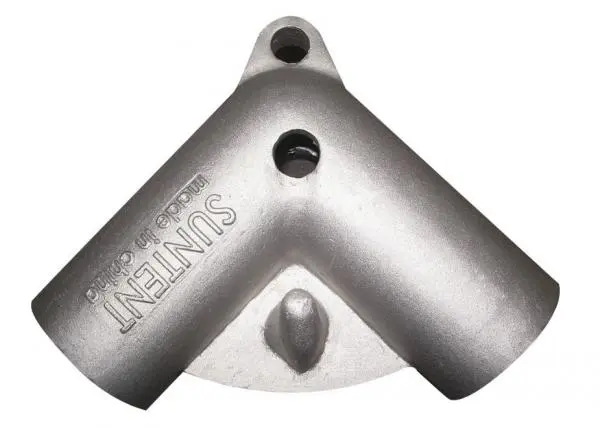
Casting accessories are precise metal parts made using different casting methods, such as high-pressure die casting, gravity casting, or low-pressure casting. These methods include making clamps, covers, and valve housings. These parts are very important parts of machines and tools used in the energy, industrial, and automobile sectors. Using molds, the process turns liquid metal into complex shapes. These shapes are then machined and given a special finish to make sure they meet all the requirements. Knowing how to make these things correctly will make sure that your supply chain works well, lasts a long time, and doesn't cost too much.
Understanding Casting Accessories: Definitions and Types
What Are Casting Accessories in Industrial Applications?
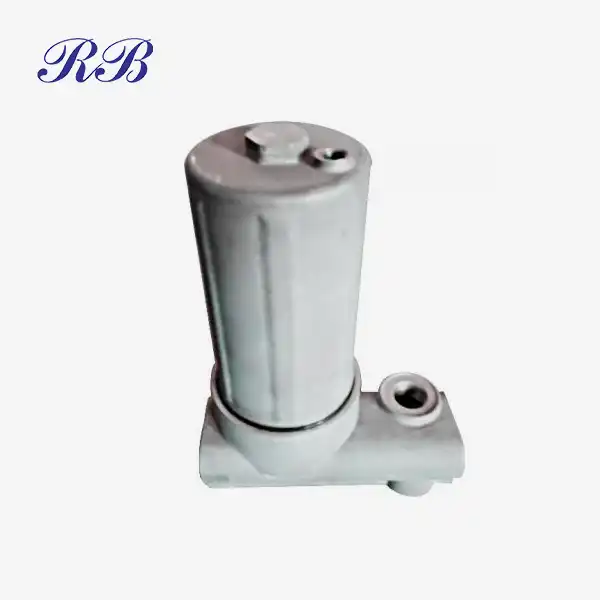
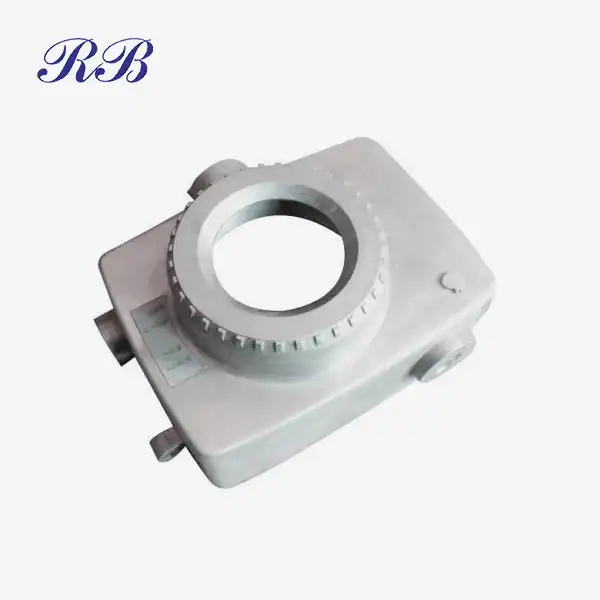
Casting accessories are a broad term for a lot of different metal parts that are made by cooling liquid metal and then solidifying it. Valve bodies for natural gas control systems, safety covers for mechanical assemblies, mounting brackets for heavy machinery, and structural supports for equipment frames are some of these parts. Unlike normal parts that are mass-produced, many of these parts need to be made to specific measurements that meet the needs of a particular application. Aluminum alloys like A380, stainless steel, and special composites picked for their strength-to-weight ratios, resistance to corrosion, and temperature stability are some of the materials that are often used.
Core Categories of Cast Accessories
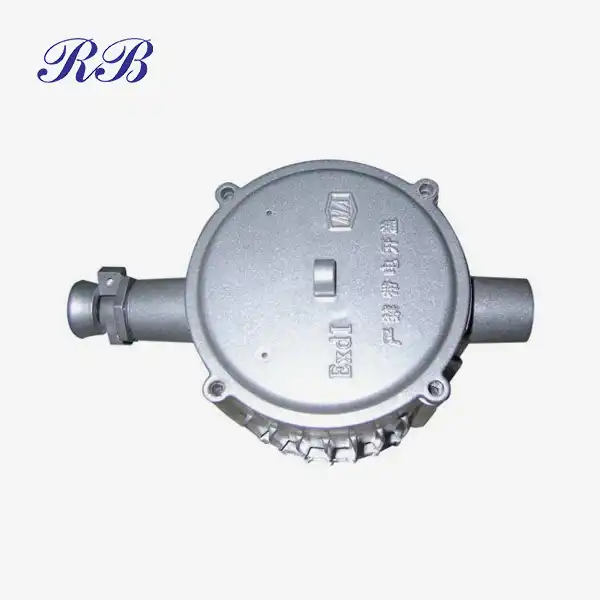
Casting accessories are made up of a number of different useful groups. In building tools and car systems, structural parts like brackets and frames hold things together and support weight. Covers and housings that protect sensitive parts from the surroundings are especially important in energy systems where natural gas control valves need strong shelters. Parts that deal with fluids, like pump cases and valve bodies, need precise internal shapes to control flow and pressure. Each group has its own technical problems that have to do with wall thickness, dimensional tolerances, and internal features that affect both how well they work and how easy they are to make.
Material Selection and Performance Impact
The choice of material directly affects how long a part lasts and what it can be used for. A380 aluminum alloy is commonly used in high-pressure die casting because it can flow easily into complicated shapes and still has good mechanical qualities and doesn't rust. This makes it perfect for natural gas control valve housings that need to be strong and light at the same time. Stainless steel versions are used in situations where better corrosion protection or performance at high temperatures is needed. When purchasing things, knowing the qualities of the materials helps teams weigh the original costs of making the tools against their long-term value. This is especially important when parts have to work in harsh conditions or meet strict safety standards.
How to Use Casting Accessories Effectively: Step-by-Step Guide?
Identifying Your Component Requirements
A full study of the needs is the first step in successful component sourcing. Technical teams should write down the working conditions, such as the temperature ranges, pressure loads, corrosive substances that the equipment is exposed to, and the amount of vibration. For example, natural gas control valves need materials and designs that can handle changing pressures all the time and chemicals that might be present. When it comes to cars, where every gram matters because it affects gas mileage, weight limits are important. Tolerances for dimensions must match the way things are put together. Tighter tolerances make production more difficult and cost more, so defining only the precision that is needed saves money.
Installation and Integration Best Practices
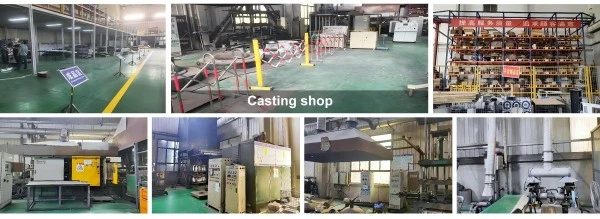
When you put something correctly, the parts last longer and the system stays together. When cast parts are delivered, they usually come with specific mounting instructions written on engineering plans. CNC-machined fastening areas make sure that the parts are perfectly lined up, which is very important when they connect to other precision parts. Shot blasting is a popular way to treat the surface of cast metal parts. It creates a smooth surface that makes coatings stick better and last longer. It is important to follow the torque specifications for screws during assembly to avoid stress buildups that could cause cracks. Before parts go into production lines, quality engineers should make sure that dimensions are correct by inspecting them when they come in and comparing important features to the specifications.
Maintenance Protocols for Maximum Durability
Casting accessories don't need as much care as moving parts, but they should still be inspected every so often to avoid problems that come up out of the blue. Visual inspections should look for surface cracks, the start of rust, or distortion that could mean the structure is overloaded. Regularly checking the torque on fasteners is helpful for parts that are in places where vibrations are common. In places that get a lot of use, protective coats may need to be touched up. The way parts are stored is also important. Parts that aren't being installed should be kept in climate-controlled areas to keep them from rusting from wetness, especially if the surfaces haven't been treated. By stretching service intervals and avoiding premature replacement, these simple steps maximize return on investment.
Comparing Casting Accessories: Selection Criteria and Market Trends
Performance Metrics That Matter
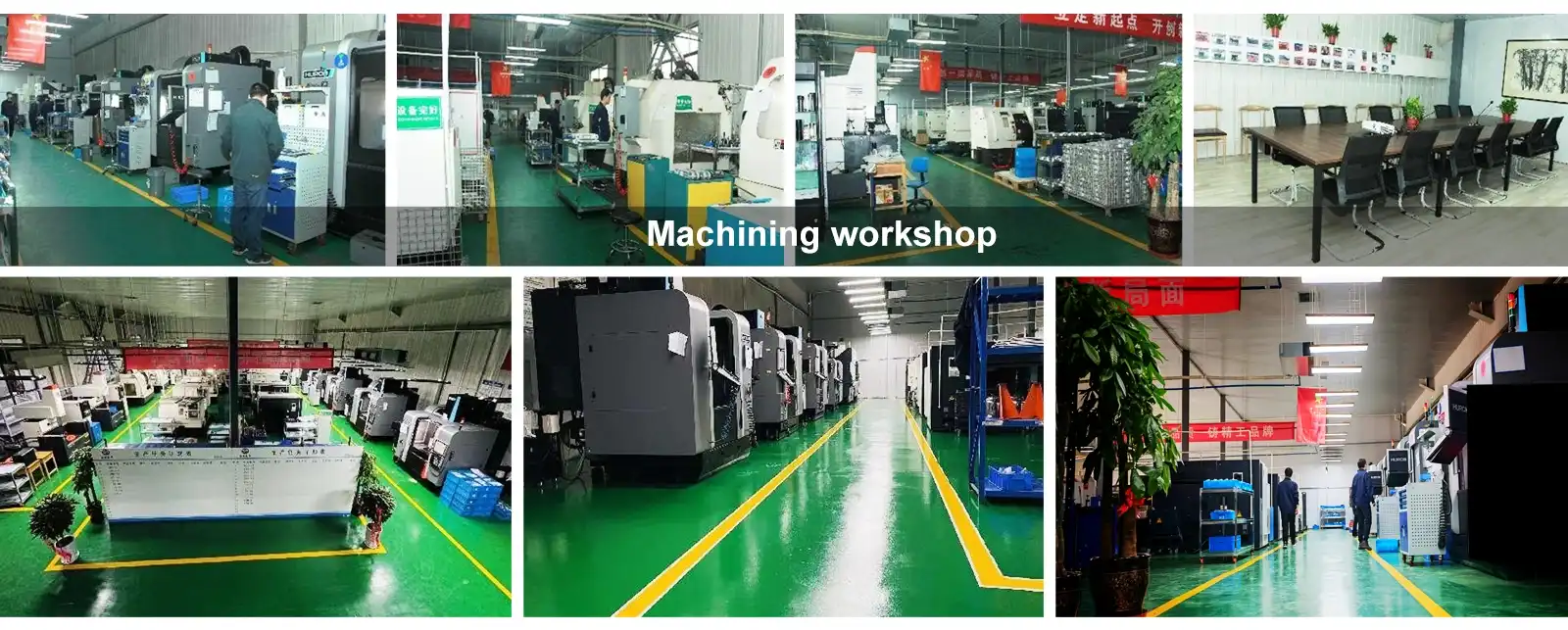
When buying cast parts, people in charge of procurement should focus on measures that are related to the needs of the application. Fitment quality is based on how accurately the dimensions are met. High-pressure die casting usually gets tighter tolerances than sand casting, which means that less secondary cutting is needed. The finish on a surface affects both how it looks and how well it works. For example, smoother surfaces make it easier for fluids to flow through valve bodies and make structural parts more resistant to wear and tear. Another important factor is production ability, especially for OEMs that need steady supply amounts. A provider that can make 5,000 pieces per month gives you the flexibility you need for new product launches or changes in seasonal demand without affecting delivery times.
Material Trade-offs in Modern Manufacturing
When deciding between aluminum alloys and metal materials, you have to weigh different factors. Aluminum is much lighter than steel, which is very important in industries like aircraft and automobiles where less mass means more efficiency. Its high thermal conductivity makes it useful for parts that need to get rid of heat. But steel metals are stronger for uses that are put under a lot of stress, like big machinery brackets. Aside from the price of the materials, another cost factor is the time it takes to machine them. Aluminum can be machined faster than steel, which could make up for higher costs for the materials by saving money on work. These days, when buying things, companies look at the total cost of ownership instead of just the unit price.
Emerging Trends Shaping the Industry
As technology improves and the market puts pressure on companies, the casting industry continues to change. Automation in foundries improves consistency while lowering the need for human labor, which helps makers deal with the problems they have finding workers. People are interested in recycled aluminum alloys because they are good for the environment and only need 5% of the energy that is needed to make new aluminum. Digital manufacturing tools let you make quick prototypes and improve designs before you spend money on tools, which lowers the risk of development. If buyers want to get ahead of the competition, they should work with providers who are committed to these new ideas. This means better quality, faster lead times, and a more flexible ability to adapt to changes in the design.
Ensuring Safety and Compliance in Casting Accessories Usage
Recognizing Operational Hazards
Throughout their lives, cast metal parts and casting accessories need to be handled safely in certain ways. Handling molten metal in the manufacturing process must follow strict rules to avoid burns and other accidents from contact. Parting lines or gates can leave finished parts with sharp edges that need to be deburred to protect the people putting them together. When a part fails in service, it could lead to dangerous situations. For example, a broken natural gas valve body could cause gas leaks that have terrible effects. Both design standards and inspection procedures are based on how failures happen. When pressure containment or structural loads are involved, quality engineers must use the right non-destructive testing to make sure that the casting's structure passes standards.

Compliance with Industry Standards
Regulatory systems are different in different businesses and areas, so buying teams need to know a lot about compliance. Most of the time, automotive providers need to show that their quality systems meet the goals of the industry by getting IATF 16949 certification. Some parts used in the energy sector may need material certificates that show the makeup of the alloy in order to work properly in certain situations. Pressure tank parts often need to be inspected and documented by a third party. Knowing the relevant standards during the buying phase stops needless redesigns or delays in qualification, which are expensive. Suppliers with a history of certifications and experience working with controlled sectors can speed up the compliance check process and shorten the time it takes to get permission.
Quality Assurance Through the Supply Chain
Strong quality systems keep flaws from getting to the production lines or the users. Effective programs start with checking arriving materials to make sure they meet standards before they are used in production. Before activities that add value, like machining, are done, in-process checks look for differences in dimensions or casting flaws like porosity. Final review procedures should include checking the dimensions, looking at it visually, and, if needed, trying its functionality. Documentation methods are also important. For example, certificates of approval, material test results, and inspection records help find the root cause of problems if they happen. These methodical methods keep quality-related problems to a minimum and protect the brand's image.
Conclusion
To make precision casting accessories, you need technical know-how, strong quality systems, and smart relationships with suppliers. The process includes choosing the right material, figuring out the best way to cast it, precision cutting, and surface treatment. Each step affects how well the final part works. A good procurement process combines cost goals with quality needs, supply dependability, and the supplier's abilities. Understanding the unique needs of each application for natural gas control valves or other important parts helps with creating specifications and evaluating suppliers. Working with skilled makers is becoming more important as industries demand tighter standards, better sustainability, and more resilient supply chains. With the information in this article, procurement workers can make choices that improve both the performance of parts and the total cost of ownership.
FAQ
What distinguishes custom cast accessories from standard components?
Custom casting accessories are made based on exact instructions from the customer instead of standard stock designs. This customization takes into account special needs for size, material, or built-in features that standard parts can't meet. Usually, this process involves making special tools, and it might also involve making custom alloys or applying special surface treatments that are made for certain working conditions.
How can I verify casting quality before committing to large orders?
Ask for inspection records of the first item that show that the dimensions are correct, the material is certified, and the mechanical properties are tested. A lot of buyers ask for trial production runs so that the product can be tested in real-world settings before it is made on a large scale. Going to seller sites to watch how things are done and look at their quality control systems gives you more faith in their skills and dedication to standards.
Are there environmental considerations in selecting casting suppliers?
Sustainability is becoming a bigger factor in buying choices. ISO14001-certified providers show that they have implemented an environmental management system that controls emissions, reduces trash, and makes energy use more efficient. When compared to making aluminum from scratch, recycling aluminum leaves a much smaller carbon footprint. Some buyers now include environmental performance metrics along with quality and delivery metrics in their seller scorecards. They do this because they know that sustainable partnerships will pay off in the long run.
Partner with Rongbao Enterprise for Your Precision Casting Needs
Rongbao Enterprise offers complete metal casting options that are made to fit the needs of tough industrial uses. Our Xi'an factory has 20 years of experience making things and is certified by ISO9001:2015, ISO14001, and ISO45001, which ensures quality control, environmental duty, and safety on the job. We are experts at high-pressure die casting with the A380 aluminum alloy, and we use CNC cutting and shot blasting to finish the surfaces of parts like natural gas control valve housings. We can make up to 5,000 pieces per month and offer full customization, so we can meet the needs of both concept development and mass production. Our unified method includes mold creation all the way through final testing. This makes your supply chain easier while still ensuring strict quality control. We know how hard it is for sourcing teams to balance cost, quality, and shipping reliability because we've been making casting accessories for a long time and sell them all over the world. Steve Zhou can be reached at steve.zhou@263.net or zhouyi@rongbaocasting.com to talk about how our technical skills and focus on customer satisfaction can help your plan for getting parts. Visit rongbaocasting.com to see all of our options for use in energy equipment, cars, and other industry equipment.
References
1. Campbell, John. Complete Casting Handbook: Metal Casting Processes, Metallurgy, Techniques and Design. Butterworth-Heinemann, 2015.
2. American Foundry Society. Aluminum Casting Technology: Properties, Processes, and Applications. AFS Publications, 2018.
3. Kaufman, J. Gilbert, and Elwin L. Rooy. Aluminum Alloy Castings: Properties, Processes, and Applications. ASM International, 2004.
4. Saha, Pradip K. Aluminum Extrusion Technology. ASM International, 2000.
5. Davis, Joseph R. ASM Specialty Handbook: Aluminum and Aluminum Alloys. ASM International, 1993.
6. International Organization for Standardization. ISO 9001:2015 Quality Management Systems: Requirements. ISO Standards Collection, 2015.
Learn about our latest products and discounts through SMS or email