- English
- French
- German
- Portuguese
- Spanish
- Russian
- Japanese
- Korean
- Arabic
- Greek
- German
- Turkish
- Italian
- Danish
- Romanian
- Indonesian
- Czech
- Afrikaans
- Swedish
- Polish
- Basque
- Catalan
- Esperanto
- Hindi
- Lao
- Albanian
- Amharic
- Armenian
- Azerbaijani
- Belarusian
- Bengali
- Bosnian
- Bulgarian
- Cebuano
- Chichewa
- Corsican
- Croatian
- Dutch
- Estonian
- Filipino
- Finnish
- Frisian
- Galician
- Georgian
- Gujarati
- Haitian
- Hausa
- Hawaiian
- Hebrew
- Hmong
- Hungarian
- Icelandic
- Igbo
- Javanese
- Kannada
- Kazakh
- Khmer
- Kurdish
- Kyrgyz
- Latin
- Latvian
- Lithuanian
- Luxembou..
- Macedonian
- Malagasy
- Malay
- Malayalam
- Maltese
- Maori
- Marathi
- Mongolian
- Burmese
- Nepali
- Norwegian
- Pashto
- Persian
- Punjabi
- Serbian
- Sesotho
- Sinhala
- Slovak
- Slovenian
- Somali
- Samoan
- Scots Gaelic
- Shona
- Sindhi
- Sundanese
- Swahili
- Tajik
- Tamil
- Telugu
- Thai
- Ukrainian
- Urdu
- Uzbek
- Vietnamese
- Welsh
- Xhosa
- Yiddish
- Yoruba
- Zulu
Stainless Steel Drive Shaft Made In China For Kitchenware
When it comes to making high-performance cooking appliances, the stainless steel drive shaft is an unsung hero that drives the mechanical power transfer with unwavering accuracy. These parts make it possible for business mixers, blenders, food processors, and other cooking appliances to work well even when things get tough. Getting these precision-engineered parts from China is a great option for global sourcing workers because it is cheap, has advanced CNC machining capabilities, and can produce large amounts of parts at once. China's industrial infrastructure has grown a lot, especially when it comes to handling stainless steel. Suppliers in Xi'an, for example, combine decades of experience in metalworking with quality systems that are recognized by international bodies. Chinese makers are the first to offer stainless steel drive shafts that meet the performance and cleanliness standards needed by the global kitchenware industry. This is because there is a growing demand for parts that are safe for food and don't rust.
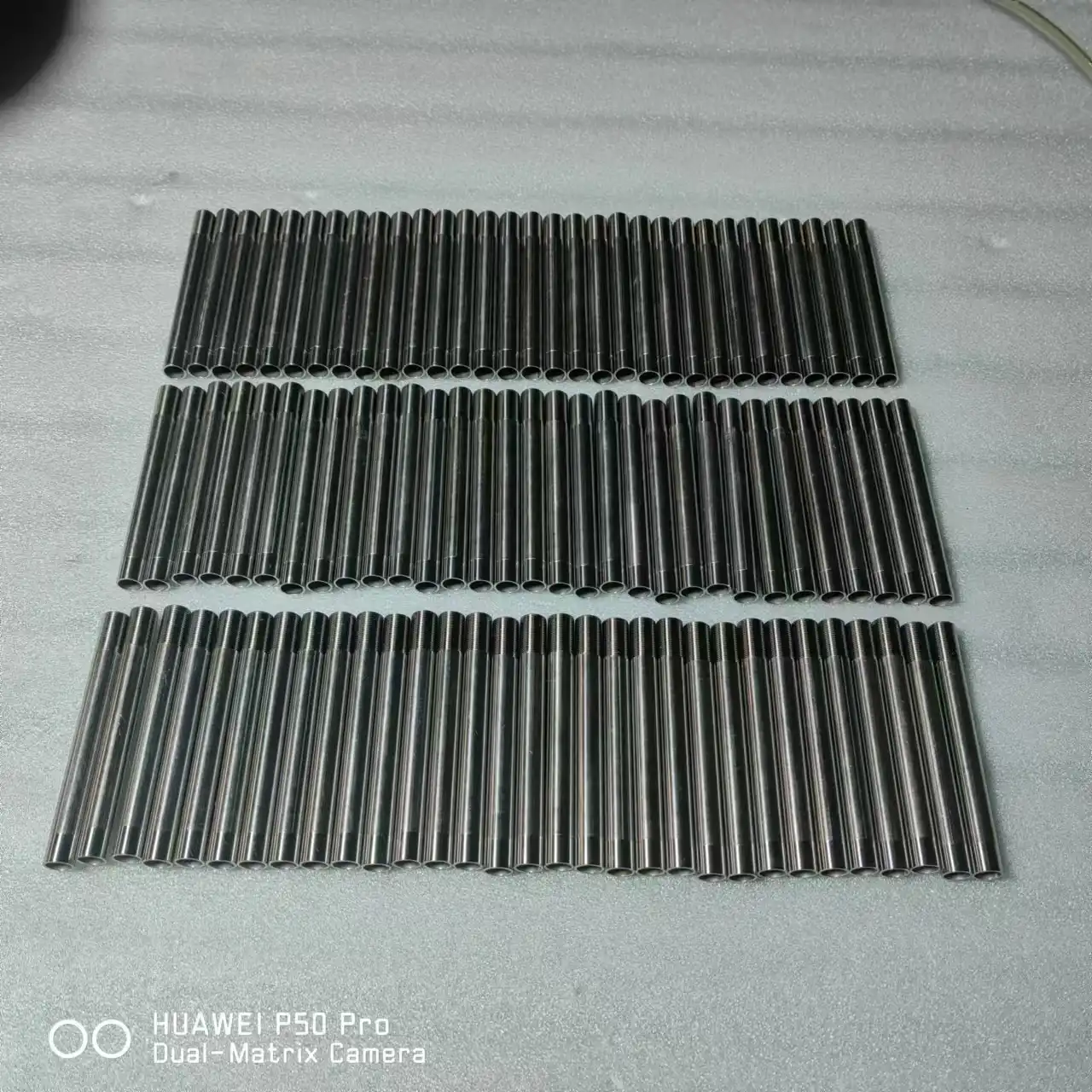
Stainless Steel Drive Shafts for Kitchenware Applications
Stainless steel drive shafts in kitchen appliances are the most important part of the machine because they communicate rotational power while being exposed to water, cleaning chemicals, and food particles all the time. In contrast to industrial settings, cooking equipment has to strictly follow food safety rules, which makes choosing the right materials very important.
The Mechanical Role in Kitchen Equipment
The motor unit is linked to the mixing blades, cutting discs, or grinding mechanisms by the stainless steel drive shaft. This turns electrical energy into precise mechanical motion. In industrial kitchenware, these parts must be able to handle changing loads, sudden stops, and lots of cleaning processes without breaking down. The standard weight for cooking drive shafts is 0.5 kg. This is because the structure needs to be strong while also reducing motor strain during use.
Material Science: Why Stainless Steel 304 Dominates
Because it is made of chromium and nickel, which make a protective passive layer that stops rust from forming, Stainless Steel 304 has become the standard for applications that come into touch with food. This grade is very resistant to rusting from organic acids that are used in food processing. It also stays structurally stable at temperatures ranging from -20°C to 200°C and doesn't react with cleaning products that are used in business kitchens. The magnetic permeability of the material also makes it easier to check for quality issues while it is being made.
Surface Treatment and Hygiene Compliance
Shot blasting makes a smooth, matte surface that doesn't have any tiny cracks where germs could hide, which is very important for food-grade equipment. By putting compressive force on the top layer, this method also improves the material's resistance to fatigue. This makes the part last longer in high-cycle uses. The resulting surface roughness makes it easier for food-safe oils to stick when they need to.
Comparative Analysis to Enable Informed Procurement Decisions
The choice of material has a direct effect on the total cost of ownership, the reliability of operation, and the compliance status of cooking tools. When procurement professionals understand these trade-offs, they can make choices based on facts that meet the needs of their unique applications.
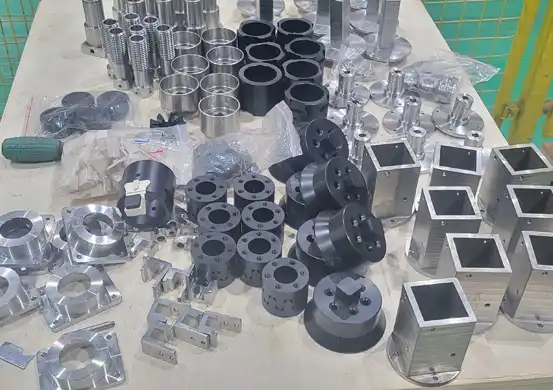
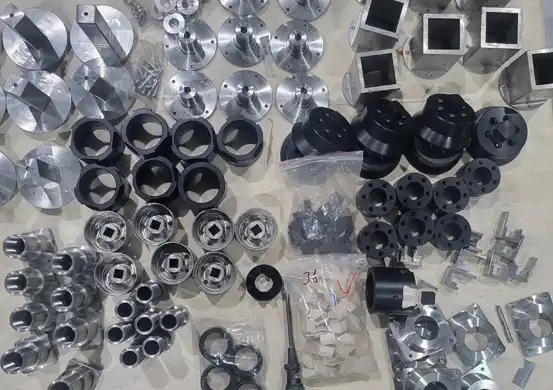
Stainless Steel Versus Alternative Materials
Even though carbon steel drive shafts are physically strong, they need protective coatings that chip or wear off over time, leaving the base open to rapid oxidation in damp kitchens. Even though aluminum metals are lighter, they don't have the torsional strength that is needed for high-torque machines like meat grinders and dough makers. Titanium is very strong for its weight, but it's very expensive, too expensive for most business cooking budgets. Stainless Steel 304 is the best choice because it has a tensile strength of 515 MPa, doesn't rust, and is cheap for making batches of more than 5000 pieces.
Grade Selection: 304 Versus 316 Considerations
Even though 316 stainless steel is better at resisting chlorides, which is helpful in marine settings, the 20–30% price boost is rarely worth it for kitchenware. The 304 grade is strong enough to handle common cleaning products and food acids that are used in industrial restaurants. Teams in charge of buying things should only ask for 316 when the equipment will be used in coastal areas or in jobs where it will be exposed to brine solutions for a long time.
Lifecycle Economics and Maintenance Profiles
According to figures from the industry, stainless steel drive shafts used in kitchenware last more than 15,000 hours of use with little upkeep. Because it doesn't rust, it saves you money on replacement costs that come with covered carbon steel options that fail because of rust. Checking for odd vibration, bearing wear, or surface pitting every 2,500 hours through regular checks lets you plan maintenance ahead of time, which keeps you from having to deal with unexpected downtime during busy times.
Procurement Guide for Stainless Steel Drive Shafts Made in China
To do foreign buying right, you need to know what the suppliers can do, how to check their credentials, and how to handle the logistics that affect project timelines and quality. China's manufacturing environment has a lot of different choices, from small custom shops to large plants with ISO certification that can work with global supply chains.
Supplier Qualification Criteria
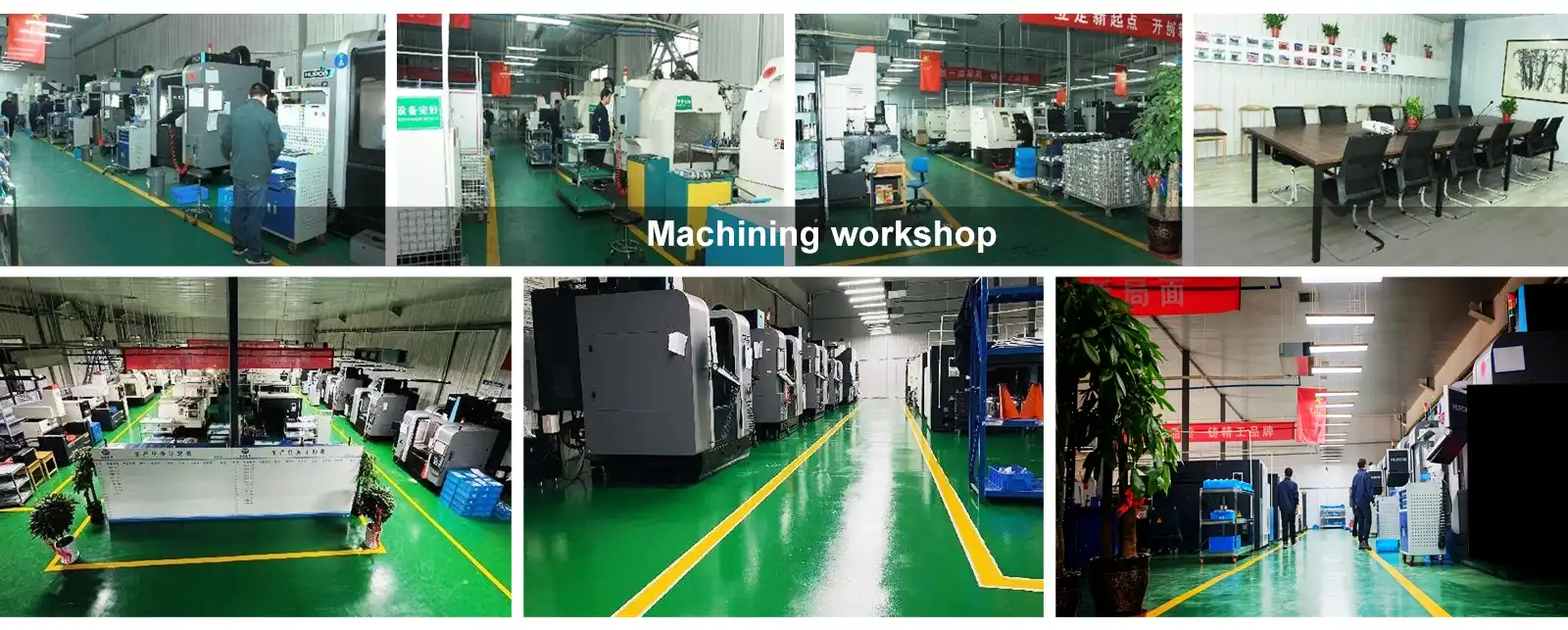
Reputable makers keep their ISO9001:2015 certifications up to date to show that they have quality management systems, as well as their ISO14001 and ISO45001 certifications to show that they follow safety rules for workers. These certifications show that the company is mature and has the process control needed for regular output. Facility checks that look at CNC machining centers, material testing labs, and checking processes for final goods should all be part of the verification process. Most suppliers that offer OEM/ODM customization services have engineering teams on staff that can turn performance standards into manufacturing plans.
Technical Specification Development
For buying to work, there must be clear technical standards that include the diameter, length, keyway measurements, surface roughness (Ra values), and torque ratings of the stainless steel drive shaft. Custom specs make it possible to optimize for specific motor-to-appliance connections, which makes the building process simpler. With their advanced CNC machining technology, Chinese makers can get tolerances as low as ±0.02mm, which makes sure that the parts fit correctly in bearing housings and coupling systems. Giving CAD models or thorough plans speeds up the quote process and keeps misunderstandings to a minimum.
Pricing Structure and Lead Time Management
When 5000 pieces are made at once, economies of scale make the cost per unit much lower than when only a few pieces are ordered. Wait times for first custom orders, which include mold creation if needed, are usually between 4 and 6 weeks. For repeat orders, the wait time drops to 2 to 3 weeks. When sending goods internationally, wooden boxes protect areas that were precisely machined. For large orders, sea freight is the most cost-effective option. Before agreeing to big quantities, samples should be asked for so that the quality of the surface finish and accuracy of the measurements can be seen and felt.
Conclusion
When making dishes, choosing stainless steel drive shaft components requires careful thought about the qualities of the materials, the accuracy of the manufacturing, and the supplier's abilities. When CNC machines and shot blasters are used to shape Stainless Steel 304, it gives it the corrosion resistance, cleanliness standards, and functional dependability that are needed for business kitchen equipment. Chinese manufacturers, especially those with a lot of certifications and sale experience, offer great deals by mixing low prices with quality standards that meet foreign standards. OEM/ODM customization makes sure that the product exactly matches the design parameters, and production abilities that can handle batches of 5,000 pieces make it possible to create scalable supply chain solutions. People who work in procurement who put time into qualifying suppliers, creating technical specifications, and maintaining quality partnerships set their companies up to get reliable, cost-effective parts.
FAQ
What makes Stainless Steel 304 suitable for food-contact drive shaft applications?
Stainless Steel 304 has chromium and nickel in it, which work together to make a passive oxide layer that heals itself. This layer stops rusting even when it is constantly exposed to water. This mixture is safe for food contact according to FDA and EU rules, doesn't spread foreign tastes, and doesn't break down when exposed to cleaning chemicals over and over again.
How do the wait times from Chinese suppliers compare for custom versus standard specifications?
Standard catalog items usually ship within two to three weeks. However, for first orders with custom specs that need new tools or engineering approval, wait times can be up to four to six weeks. Once the conditions for manufacturing are set, repeat sales of unique designs that have already been approved have shorter lead times.
What minimum order quantities should buyers expect for customized stainless steel drive shafts?
MOQs depend on how complicated the manufacturer's process is, but 500 to 1000 pieces are usually the minimum for unique specs. When you make 5000 pieces, the unit economics get a lot better, and you can often get priority schedule and better technical help.
Partner with Rongbao Enterprise for Superior Stainless Steel Drive Shaft Solutions
Rongbao Enterprise brings 20 years of precise production quality to the market for kitchenware parts around the world. As a seller of stainless steel drive shafts with headquarters in Xi'an, we have three ISO certifications: ISO9001:2015, ISO14001, and ISO45001. These ensure thorough quality control from inspecting the raw materials to delivering the finished product. Our CNC cutting makes parts with tolerances of ±0.02mm, and shot blasting the surfaces makes sure they meet food-grade cleanliness standards. We can make batches of up to 5,000 pieces, and we offer full OEM/ODM customization services, so we can give you options that are exactly what you need. During the planning part, our engineering team works together to find the best dimensions, materials, and surface treatments to get the best performance and value for money. Expertise in global logistics guarantees dependable delivery through properly packed wooden boxes that protect precisely machined surfaces during international transport. Talk to our technical experts about your kitchenware drive shaft needs at steve.zhou@263.net or zhouyi@rongbaocasting.com. You'll see the Rongbao difference in precision, dependability, and relationship commitment.
References
- Davis, J.R. (2021). Stainless Steels for Food Processing Equipment: Material Selection and Design Considerations. ASM International Publishing.
- Chen, L., Wang, S., & Liu, H. (2020). Precision Manufacturing Technologies in Chinese Industrial Clusters: Case Studies from Xi'an. Journal of Manufacturing Systems, 56, 234-248.
- European Commission Directorate-General for Health and Food Safety (2019). Materials and Articles in Contact with Food: Stainless Steel Compliance Guidelines.
- International Organization for Standardization (2022). ISO 9001:2015 Quality Management Systems: Implementation in Metal Processing Industries.
- Thompson, R.K. & Martinez, A. (2023). Mechanical Power Transmission Components in Food Service Equipment: Design, Selection, and Maintenance. Wiley Industrial Engineering Series.
- Zhang, Q., Nakamura, T., & Schmidt, F. (2021). Global Supply Chain Management for Precision Components: Best Practices in Asia-Pacific Manufacturing. Supply Chain Management Review, 25(3), 112-129.

Learn about our latest products and discounts through SMS or email