- English
- French
- German
- Portuguese
- Spanish
- Russian
- Japanese
- Korean
- Arabic
- Greek
- German
- Turkish
- Italian
- Danish
- Romanian
- Indonesian
- Czech
- Afrikaans
- Swedish
- Polish
- Basque
- Catalan
- Esperanto
- Hindi
- Lao
- Albanian
- Amharic
- Armenian
- Azerbaijani
- Belarusian
- Bengali
- Bosnian
- Bulgarian
- Cebuano
- Chichewa
- Corsican
- Croatian
- Dutch
- Estonian
- Filipino
- Finnish
- Frisian
- Galician
- Georgian
- Gujarati
- Haitian
- Hausa
- Hawaiian
- Hebrew
- Hmong
- Hungarian
- Icelandic
- Igbo
- Javanese
- Kannada
- Kazakh
- Khmer
- Kurdish
- Kyrgyz
- Latin
- Latvian
- Lithuanian
- Luxembou..
- Macedonian
- Malagasy
- Malay
- Malayalam
- Maltese
- Maori
- Marathi
- Mongolian
- Burmese
- Nepali
- Norwegian
- Pashto
- Persian
- Punjabi
- Serbian
- Sesotho
- Sinhala
- Slovak
- Slovenian
- Somali
- Samoan
- Scots Gaelic
- Shona
- Sindhi
- Sundanese
- Swahili
- Tajik
- Tamil
- Telugu
- Thai
- Ukrainian
- Urdu
- Uzbek
- Vietnamese
- Welsh
- Xhosa
- Yiddish
- Yoruba
- Zulu
What Is Copper Sand Casting? A B2B Guide to Quality Parts
Time-tested copper sand casting uses sand molds to turn molten copper alloys into robust components. Create a mold cavity using sand mixes, pour liquid metal into it, chill it, then remove the final component after solidification. This approach is used in kitchenware and industrial equipment manufacturing because of its cost-efficiency, design flexibility, and material performance. The method allows complicated geometries while preserving dimensional precision, making it useful for procurement managers seeking dependable casting solutions that fulfill tight quality requirements without high tooling costs.
Understanding Copper Sand Casting: Process and Materials
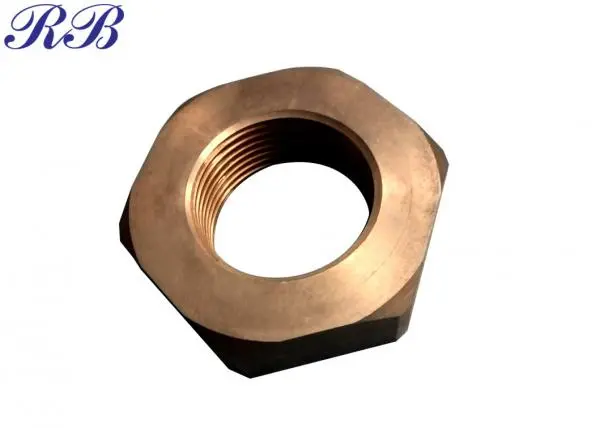
The sand casting method has changed a lot over the years, but its basic ideas are still based on real-world metallurgy. Foundries have to carefully control temperature changes during the whole production process when they work with copper metals like H60 brass, which is often used for kitchen parts like hexagon nuts.
Materials Selection for Copper Alloy Casting
The choice of material has a direct effect on the mechanical qualities and food-grade compliance of the final products. About 60% of H60 copper alloy is copper, with zinc being the main alloying element. It is very easy to work with and doesn't rust. For items where both sturdiness and safety are important, this composition works especially well. When making molds, the sand is usually silica sand mixed with clay or man-made resins. The type of resin is chosen based on the melting point of the metal and the surface properties that are wanted.
Step-by-Step Casting Workflow
Machine operators construct templates for the final section after creating a pattern. A handmade hexagon nut weighing 0.3 units has constant thread shapes and widths due to precision pattern work. Manufacturers sand a two-part flask around this design. The cope is above the drag.
If internal cavities are required, workers insert cores following pattern removal. A full metal cavity is formed when mold halves combine. Molten H60 alloy flows through gating channels and fills the mold by gravity. This controlled filling reduces noise that might cause holes and inclusions.
Mass and shape determine cooling time. Thicker walls solidify slowly; therefore, temperature regulation is needed to minimize interior tensions. Workers remove rough sand. This harmful process needs new molds for each casting cycle.
Post-Casting Enhancement Processes
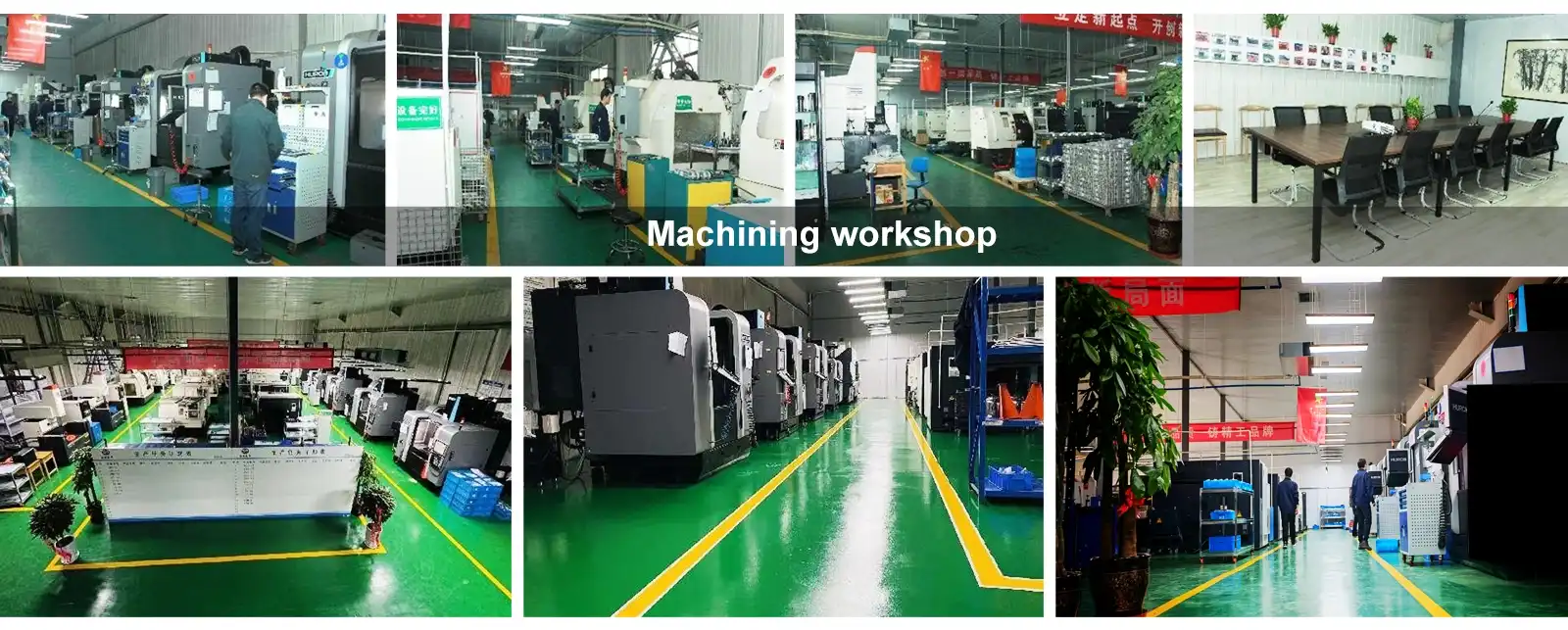
CNC machining is often used on raw castings to get tight tolerances that can't be reached with gravity casting alone. Precision cutting is done on thread shapes, and facing operations are done on mounting surfaces. Shot blasting comes after cutting. It uses abrasive media to be pushed against the sides of parts to remove oxidation, improve the roughness of the surface, and get them ready for possible further treatments. This surface preparation is necessary for parts that need Ra values at or below 3.2μm, which is a common requirement for parts that can be seen in kitchenware.
Advantages and Challenges of Copper Sand Casting
People who make decisions about manufacturing are always comparing different production methods to see which ones meet performance needs and price limits. Knowing your strengths and weaknesses helps you set goals that are in line with what you can actually achieve.
Core Benefits for B2B Applications
Copper conducts heat better than steel or aluminum. Overall efficiency is 30% better than aluminum. This is necessary for fast-heating cookware. Copper surfaces are food-safe because they prevent germs better than stainless steel.
Easy design changes are another feature. Sand molds generate undercuts, variable-width walls, and internal apertures unlike previous processes. Personalization doesn't need costly permanent tools; therefore, modest amounts are cheap. Manufacturing 5,000 pieces provides reasonable unit economics, but die copper sand casting may require 50,000 to repay tool costs.
Materials' lifespan affects ownership cost. Well-made copper kitchen components resist rust, water, cleaning agents, and temperature fluctuations.
Common Challenges and Mitigation Strategies
Porous sand casting faults abound. Freezing or shrinking creates holes that catch gas. Cavities weaken structures. Foundries regulate casting process temperature, establish gates to transfer metal, and put risers to feed cooling and shrinking metal.
Broken mold material sticks to the casting, causing sand spots. Effective mold ramming, sand bonding, and gating system filtering reduce this danger. For a consistent finish, check sand grain, adhesive, and mold stiffness. Experienced foundries track these parameters routinely.
Reduced dimensional accuracy. Sand casting is close, but investment or die casting are more precise without labor. For precise threads and simple closing, hexagon nuts are CNC machined after casting.
Comparing Copper Sand Casting with Other Casting Methods
It's helpful for procurement teams to know how different casting methods compare in terms of important performance factors. There is no one way that works best in every situation, so evaluations that are tailored to each situation are necessary.
Sand Casting Versus Investment Casting
Investment casting, which is sometimes called "lost-wax casting," makes parts with very smooth surfaces and very tight tolerances, like ±0.005 inches. By making ceramic molds from wax patterns, the process gets rid of the need for parting lines and makes it possible to make very complex geometries. But this level of accuracy comes at a very high cost—three to five times more expensive than sand casting for the same copper alloy parts.
Even though it costs more, investment casting is a good option for cooking parts that need to have sides that can be seen and look good. However, sand casting is a much better way to get good quality at a much lower cost for useful parts like mounting nuts or internal brackets that will already need to be machined.
Sand Casting Versus Die Casting
Die casting is a way to make things quickly and accurately by forcing molten metal into steel molds under high pressure. This method works great for making a lot of aluminum and zinc alloys, but it doesn't work as well for copper alloys because their high melting points speed up die wear. Die production costs between $15,000 and $100,000, based on how complicated the design is. It only makes economic sense to make more than 10,000 units per year.
Gravity sand casting doesn't need a lot of fixed tools—patterns usually cost between $500 and $3,000. This makes it perfect for making customized parts in small to medium quantities. The best time for sand casting's economy is when they make 5,000 pieces at a time, which is popular in the food industry.
Material and Volume Considerations
Material compatibility affects method choice in addition to process mechanics. Copper metals with high melting points, like H60 brass, work especially well for sand casting because sand models can handle high temperatures without breaking down. Permanent mold processes have trouble with these temperatures unless they are made of expensive, heat-resistant materials.
Another thing that sets them apart is their volume flexibility. When making prototypes or tens of thousands of units, sand casting doesn't have big changes in the cost per piece. On the other hand, when making low volumes, permanent mold methods have steep cost curves.
Procurement Insights: Finding Reliable Copper Sand Casting Partners
There's more to choosing a casting partner than just comparing prices. Long-term success in manufacturing rests on a lot of things besides cost, like the skills of the suppliers, their quality processes, and how reliable their operations are.
Evaluating Manufacturing Capabilities
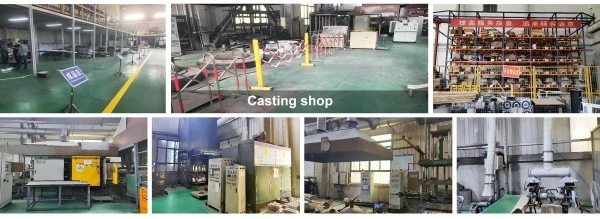
Comprehensive foundries offer a range of services, from creating patterns to delivering finished parts. This full-chain method is shown by Rongbao Enterprise, which is based in Xi'an, China, and does gravity copper sand casting, CNC cutting, and surface treatment all under one roof. This integration gets rid of the organizational problems that come with supply lines with multiple vendors. It also cuts down on wait times and quality handoff risks.
The level of complexity of the equipment shows how much it can produce. For checking the sizes, modern foundries use computerized alloy composition analyzers, automated molding lines, and coordinate measuring machines. These investments show a dedication to consistent quality rather than relying only on handiwork.

Certification and Compliance Standards
International approval indicates management system maturity. Your quality management satisfies the highest consistency and advancement standards with ISO 9001:2015 certification. Kitchenware producers emphasize environmental responsibility more. The ISO 14001 accreditation confirms supply chain sustainability.
ISO 45001 certification shows that worker safety, a social issue related to organizational discipline and process control, is important. Request certification, audit results, and past corrections from possible partners.
Kitchens need food-grade materials. Food-contact parts must fulfill heavy metal content limits, although industrial castings may tolerate impurities. Reliable vendors' material certificates show the alloy's composition to assure FDA or LFGB compliance, depending on the market.
Cost Structure Transparency
You can evaluate quotations properly by understanding pricing components. Copper prices affect material costs. Materials account for 40–60% of casting costs. 25–35% of the cost is labor and fees. The remainder is pattern amortization, finishing, and packaging.
Include your desired surface finish, measurements, inspection papers, and packing when requesting quotations. Detailed definitions reduce misunderstanding and allow precise pricing comparisons between suppliers. Make sure bids include a hardwood box, shot-blasted finish, and CNC-machined threads for the hexagon nut.
Communication and Project Management
Cross-border procurement requires good communication. Set response timeframes, progress report frequency, and problem-escalation procedures during first conversations. Suppliers that interact actively during quotation are frequently responsive throughout manufacturing.
Know standard manufacturing timelines and how to speed things up to address lead times. First orders normally take six to eight weeks to deliver. Patterns and procedures reduce this time to one to two weeks for subsequent runs. Understand the minimum order number, payment conditions, and how to adjust quantity as demand fluctuates.
Optimizing Copper Sand Casting Quality and Performance
Inspection alone doesn't lead to quality results; deliberate design choices, disciplined process control, and a commitment to constant growth do. Buyers and sellers are both responsible for getting the best results.
Design Considerations for Manufacturability
Part geometry greatly impacts casting. Same-thick walls simplify solidification temperature control. Decreased internal stress and distortion. Smooth plan thickness changes reduce stress. Large radii—at least 3 mm for copper alloys—improve yield rates because sharp interior corners prevent hot spots.
Safely remove sand mold cavities using draft angles. Vertical surfaces with 1-3 degree draft angles prevent mold and defects. Machines may waste time saved by design drafting.
Provide function and output. Standard sand casting tolerances range from ±0.030 to ±0.050 inches, based on item size. Higher scrap and lower costs with tighter tolerances. Designers should consult foundry professionals to decide which dimensions need tight control and which may accept casting tolerances.

Surface Treatment and Finishing Techniques
Shotblasting isn't simply for cleaning. Top layers become tougher, making assembled pieces far less prone to wear out. The constant surface roughness helps the coating stay when plated or painted. Selection of medium impacts final attributes. Steel shot generates compressive surface stress for fatigue resistance, whereas ceramic media creates finer textures for art.
Vibratory finishing smooths objects after shot blasting. As parts tumble with abrasive material, regulated oscillation patterns occur. It progressively smooths surface imperfections. Cycle times might be a few hours to many days, depending on roughness and finish.
Quality Control and Continuous Improvement
Systematically examine receipts for quality. This alloy passes spectroscopy. This avoids expensive material errors. Multiple measurements are collected throughout production. After casting, measurements demonstrate consistent flaws before costly machining, and final inspection proves compliance.
Before making faulty items, statistical process control detects tendencies. Change methods before problems arise by monitoring size variation, surface defect rates, and mechanical property test results. Supplier quality and consistency increase with data-driven quality management.
Develop supplier relationships consistently. Discuss quality, delivery, and cost reduction in quarterly business reviews. Helping improve design or procedures strengthens buyer-seller relationships.
Conclusion
Flexible, affordable copper sand casting may meet business-to-business needs for complex metal components. Non-rusting H60 brass cookware warms well and is ideal for food-contact areas. Gravity casting has worse surface smoothness and measurement precision than investment or die casting. With secondary CNC machining and shot blasting, it can create affordable, high-quality parts. Choose recognized manufacturing partners that satisfy all needs, interact with other systems, and follow quality management standards. Understanding the process, developing designs, and evaluating vendors helps procurement teams balance performance, cost, and supply chain stability.
FAQ
1. What copper alloys work best for sand casting applications?
For sand casting, common copper alloys include bronze mixtures, brass alloys like H60 and H62, and pure copper grades, depending on the needs of the application. H60 brass, which is made up of about 60% copper and 40% zinc, is easy to work with and won't rust, making it a good choice for cooking parts. When choosing a material, you should think about how well it conducts heat, how likely it is to rust, how strong it needs to be, and any food-grade compliance standards that apply to your industry. Reputable foundries provide material certifications that list the alloy's composition and confirm that it meets safety standards.
2. How do copper castings compare to aluminum in terms of durability?
Copper alloys are usually more durable than aluminum in a number of ways. Copper is better at resisting rust in most places, especially when it comes to the water and chemicals that are common in kitchens. The material keeps its mechanical properties over a wider range of temperatures and is about 30% better at transferring heat. But castings made of copper cost more per pound and weigh more than castings made of aluminum. What determines the best material is the task at hand. Copper is good for structural parts because it is strong, while aluminum may be better for lightweight assemblies even though it doesn't last as long.
3. What lead times should buyers expect for custom copper casting orders?
It usually takes six to eight weeks from the time the specifications are approved until the first custom order is delivered. This schedule includes making the pattern, making samples, testing to see if they are safe for food if needed, and doing small batches before full production. Once patterns are found and methods are proven to work, it only takes one to two weeks for repeat orders, based on the amount and finishing needs. You may be able to get faster service for an extra fee. Suppliers can better arrange their resources and meet your project deadlines if you are clear about when you need things by during the quoting stage.
Partner with Trusted Copper Sand Casting Experts
To get reliable parts, you need to work with well-known copper sand casting companies that know both the science behind metals and how to make things in the real world. Rongbao Enterprise has twenty years of experience in precision machining, gravity casting, and quality-certified manufacturing. They work with kitchenware brands and industrial equipment makers all over the world. Our ISO 9001:2015, ISO 14001, and ISO 45001 certifications show that we are dedicated to quality, safety at work, and protecting the environment. This means that our parts always work as they should.
Pattern creation, H60 brass casting, CNC machining, shot blasting surface treatment, and custom packaging are just some of the many services we offer. They are all handled from one location near Xi'an. This full-chain approach gets rid of coordination delays and makes sure that quality is checked at every stage of production. Whether you need 5,000 handmade hexagon nuts for cooking equipment or are looking at different design options for a new product, our engineering team works together to make sure that the product is easy to make and doesn't cost too much.
Seventy percent of what we make goes to markets in Europe, the United States, and Japan, all of which have very high standards for quality. Procurement managers and product engineers looking for reliable copper sand casting sources willing to build long-term relationships based on technical knowledge and operational excellence are welcome to contact us. Please email us at steve.zhou@263.net and zhouyi@rongbaocasting.com to talk about your specific component needs and get accurate quotes.
References
1. Campbell, J. (2015). Complete Casting Handbook: Metal Casting Processes, Metallurgy, Techniques and Design. Butterworth-Heinemann.
2. Beeley, P. R. (2001). Foundry Technology. Butterworth-Heinemann.
3. American Foundry Society. (2018). Copper and Copper Alloy Casting Design Manual. American Foundry Society Publications.
4. Brown, J. R. (2000). Foseco Non-Ferrous Foundryman's Handbook. Butterworth-Heinemann.
5. Kaufman, J. G., & Rooy, E. L. (2004). Aluminum Alloy Castings: Properties, Processes, and Applications. ASM International.
6. Davis, J. R. (Ed.). (2001). Copper and Copper Alloys. ASM International Specialty Handbook.
Learn about our latest products and discounts through SMS or email