- English
- French
- German
- Portuguese
- Spanish
- Russian
- Japanese
- Korean
- Arabic
- Greek
- German
- Turkish
- Italian
- Danish
- Romanian
- Indonesian
- Czech
- Afrikaans
- Swedish
- Polish
- Basque
- Catalan
- Esperanto
- Hindi
- Lao
- Albanian
- Amharic
- Armenian
- Azerbaijani
- Belarusian
- Bengali
- Bosnian
- Bulgarian
- Cebuano
- Chichewa
- Corsican
- Croatian
- Dutch
- Estonian
- Filipino
- Finnish
- Frisian
- Galician
- Georgian
- Gujarati
- Haitian
- Hausa
- Hawaiian
- Hebrew
- Hmong
- Hungarian
- Icelandic
- Igbo
- Javanese
- Kannada
- Kazakh
- Khmer
- Kurdish
- Kyrgyz
- Latin
- Latvian
- Lithuanian
- Luxembou..
- Macedonian
- Malagasy
- Malay
- Malayalam
- Maltese
- Maori
- Marathi
- Mongolian
- Burmese
- Nepali
- Norwegian
- Pashto
- Persian
- Punjabi
- Serbian
- Sesotho
- Sinhala
- Slovak
- Slovenian
- Somali
- Samoan
- Scots Gaelic
- Shona
- Sindhi
- Sundanese
- Swahili
- Tajik
- Tamil
- Telugu
- Thai
- Ukrainian
- Urdu
- Uzbek
- Vietnamese
- Welsh
- Xhosa
- Yiddish
- Yoruba
- Zulu
How to Import Casting Craft Souvenirs from a Reliable Supplier
Importing casting craft souvenirs requires partnering with suppliers who combine precision manufacturing, quality assurance, and flexible customization capabilities. Whether you need decorative aluminum pieces for municipal lighting projects or intricate cultural artifacts, understanding the procurement process ensures you receive products that meet aesthetic and performance standards. This guide walks you through identifying trustworthy manufacturers, navigating the import process, and building partnerships that support your project timelines and budget requirements.

Understanding Casting Craft Souvenirs and Their Procurement Challenges
Casting craft gifts include decorative metal parts that are used in streetlight bases, building decorations, cultural displays, and commemorative items. Precision casting is used to make these items with complex patterns, smooth finishes, and long-lasting structures that can be used outside.
Common Quality Issues Affecting Decorative Castings
Municipal and construction projects must have optimal surface quality for public viewing. Sand inclusions, pores, and rough surfaces degrade the material and limit its lifespan. Precision casting aluminum alloys like A356 requires monitoring cooling rates and mold conditions to prevent surface treatment-induced defects.
Surface imperfections stand out in old bronze or weather-resistant treatments. Buyers typically discover that samples are excellent but final batches have different attributes. This disparity is due to insufficient quality control during casting and CNC machining, when dimensional accuracy affects the final appearance.
Small-Batch Production Limitations
Many casting businesses only undertake huge orders; therefore, they can't assist with 50-500-piece city projects. Project managers are typically rejected or charged too much by mass-production firms. Unique designs need molds, samples, and surface treatment testing before manufacturing can begin, compounding this issue.
Municipal lighting parts are procured in 7–10 weeks, including design confirmation, prototyping, quality assurance, and small batch production. Suppliers without flexible manufacturing methods struggle to meet deadlines, particularly when design teams and factory technical personnel must collaborate.
Compliance and Weather Resistance Requirements
Outdoor decorative castings must withstand UV radiation, temperature fluctuations, and corrosion. Buyers need ISO9001:2015, ISO14001, and ISO45001-certified providers. Standards provide quality control, environmental management, and worker safety. These credentials demonstrate the company's organized approach to material selection, production monitoring, and product testing.
International shipping packaging impacts how effectively items remain together. Putting delicate casting features in a wooden box protects them during shipping. This is particularly crucial for 2-kilogram products that require impact protection.
How to Identify a Reliable Casting Craft Souvenirs Supplier
To find a manufacturing partner that can meet the project's deadlines for artistic aluminum casts, you need to look at their technical skills, compliance with certification requirements, and how well they communicate.
Verifying Manufacturing Capabilities and Certifications
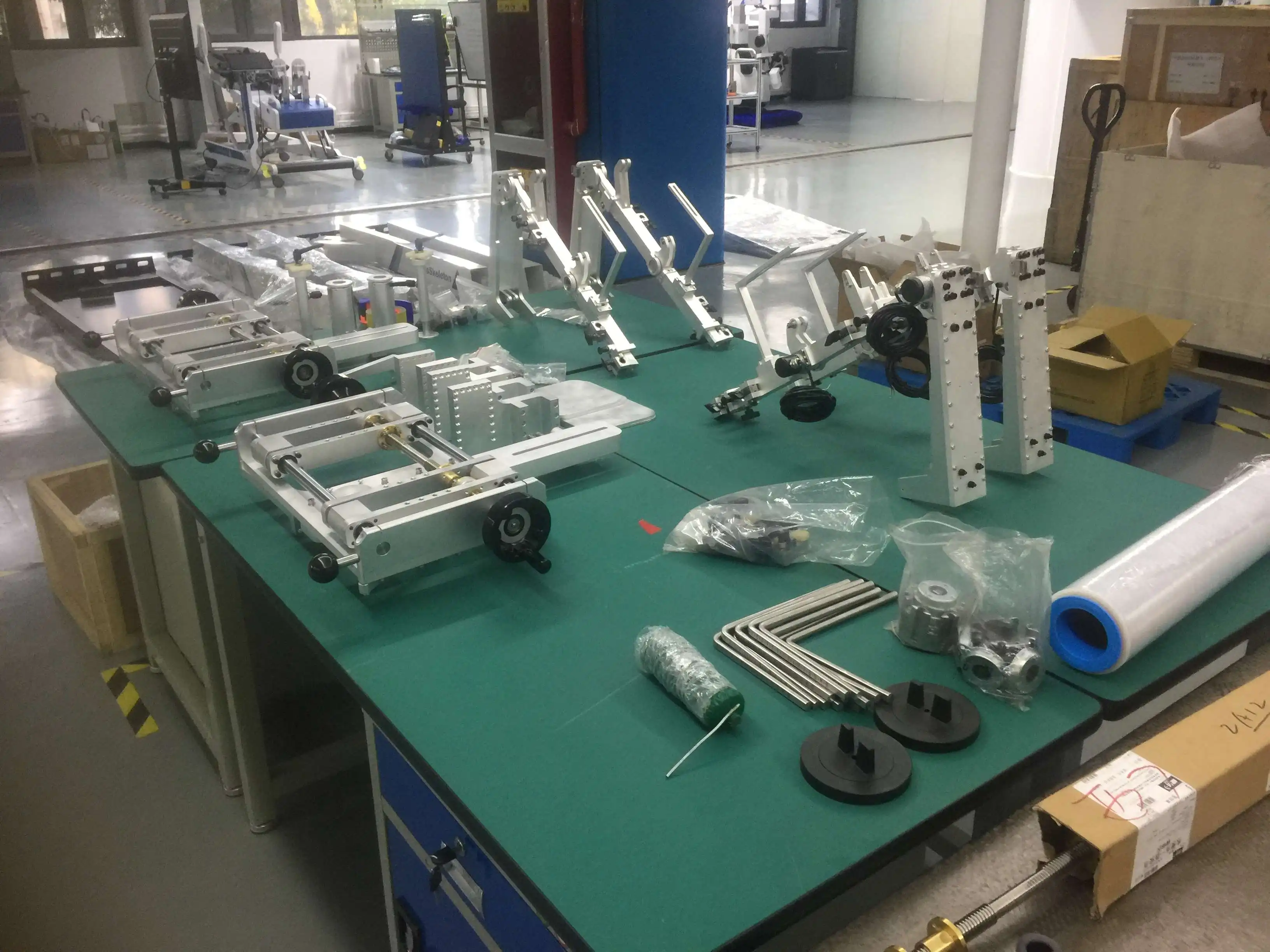
Good providers can execute high-pressure, low-pressure, gravity, and precision die casting craft souvenirs. They may suggest production procedures based on design complexity, wall thickness, and surface polish.
Certification verification should extend beyond expiration. Quality management records, inspection methods, and failure rate information may inform buyers. ISO9001:2015-certified vendors inspect raw materials and provide high-quality items. Cosmetic faults in manufactured components are reduced.
Size, equipment, and staff expertise determine a workshop's production capacity. Without outsourcing crucial tasks that may compromise product quality, CNC machining, shot blasting, and surface treatment facilities can control the whole production cycle.
Assessing Customization and OEM/ODM Experience
Municipal lights and architectural embellishments need custom requirements differing from catalog products. Experienced OEM/ODM suppliers have mold-making teams to transform design concepts into items.
Ask a source for case studies of ornamental castings with specific surface treatments in comparable projects. Suppliers of antique, powder coating, and weather-resistant finishes know how to prepare the surface, such as shot blasting for texture.
When design teams collaborate with production professionals, communication is crucial. Suppliers with fast answers and English-speaking experts speed up design validation, saving two to three weeks for the initial conversation of requirements.
Evaluating International Market Experience
Suppliers who work with markets in Europe, the United States, and Japan show that they know what quality standards are used in those countries and how to handle exports. This experience has helped me learn more about the rules for compliance, the right way to package things, and how to make sure my paperwork is correct so that I can easily get through customs.
Manufacturers who send 70% of their products abroad keep in touch with freight forwarders and know how shipping times affect project completion times. Their knowledge of wooden box packing standards makes sure that goods arrive undamaged, which is especially important for decorative castings whose usefulness depends on how well they look.
The Step-by-Step Process to Import Casting Craft Souvenirs Successfully
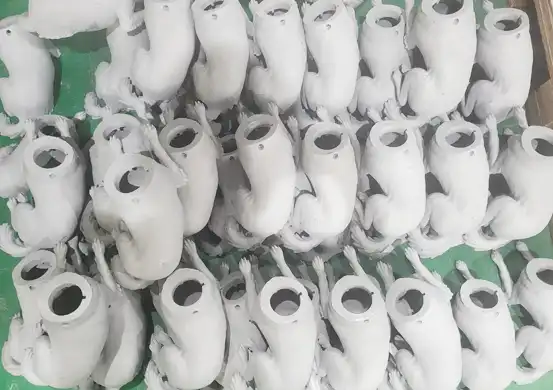
A systematic approach to procurement cuts down on delays and makes sure that the intended design and the finished product are in line with each other.
Defining Specifications and Quality Standards
Start by writing down all of the product's needs, such as the material (A356 aluminum alloy for resistance to corrosion), weight limits (about 2 kg per piece), allowed tolerances for size, and desired surface finish. Specific aging performance is often needed for municipal projects, which means that clear recording of outdoor exposure conditions is needed.
When making a budget, you should include the costs of mold development, sample production, manufacturing costs per unit, surface treatment fees, shipping costs to other countries, and packing costs. During the 7–10 week buying stage, knowing the total landed costs keeps the budget from going over.
Sourcing and Comparing Multiple Suppliers
Find companies that specialize in decorative aluminum casting through online resources and trade shows. Ask for detailed quotes that include production capacity (make sure the suppliers can handle orders for 500 pieces), wait times for each stage of production, minimum order amounts, and limits on customization.
When comparing providers, look at how flexible they are with small orders, what kinds of surface treatments they offer (other than standard finishes), and how willing they are to work with your project's schedule. Suppliers with 20 years of experience in the field usually show stability and risk management skills that are useful for long-term business relationships.
Negotiating Terms and Sample Approval
Negotiate payment conditions, intellectual property protection for bespoke designs, sample alteration methods, and logistical obligations. Find out whether CNC machining, shot blasting, and specific surface treatments are included or extra.
The most crucial quality check is sample acceptance. During the 3–4-week sample period, assess surface smoothness, measurement accuracy, finish uniformity, and structural strength. Testing samples in outside situations provides you with confidence in their weather protection before buying big volumes.
Quality Assurance and Pre-Shipment Inspection
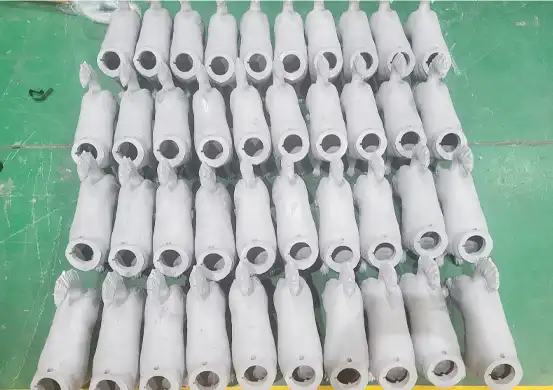
Using checking procedures during production lowers the chance of getting batches that aren't good. Before the final packaging, ask for pictures of the casting craft souvenirs that are still being made to show the quality of the mold, the accuracy of the machining, and the results of the surface treatment.
Before they are sent out, finished goods should be inspected to make sure they look, measure, and have the same surface quality as accepted models. Check that the packaging is adequate, especially the wooden box construction and the padding inside to protect the decorative elements during international shipping.
Managing Shipping and Establishing After-Sales Support
Work with providers who know how to handle export supplies to the Xi'an region of China, and make sure they have all the right paperwork for customs clearance. Make sure that the shipping dates and the fitting dates for the project are compatible, taking into account any possible delays.
Set up clear ways for people to talk about problems that happen after delivery. Reliable sellers offer prompt after-sales support, such as replacement parts or expert help if there are problems with installation.
Comparison of Casting Craft Souvenirs: What to Look For When Choosing Products
For municipal and architectural uses, choosing the right product means finding a balance between how it looks, how long it should last, and how much it costs.
Material Selection and Weather Resistance
The A356 aluminum alloy is very good at resisting rust and casting intricate souvenirs smoothly, which makes it perfect for outdoor ornamental parts with a lot of small parts. This material can have different processes applied to its surface and will still keep its shape when exposed to UV light and changing temperatures.
Buyers should make sure that suppliers test the materials to make sure they are what they say they are and that they have the right mechanical properties. This check stops problems with early wear and tear in outdoor setups, where replacing parts costs a lot of money.
Customization Benefits Versus Standard Products
Custom decorative castings allow for unique building statements and brand differences that aren't possible with things from a standard collection. OEM/ODM production is useful for projects that need Roman column details, custom lamp bases, or ornamental patterns that are important to culture.
When compared to buying existing designs, the customized process takes an extra two to three weeks for design approval and an extra four to six weeks for sample development. Mold creation costs are usually spread out over a large number of production runs, which means that custom choices are only cost-effective for orders over 200 to 300 pieces.
Surface Treatment Options Affecting Appearance and Longevity
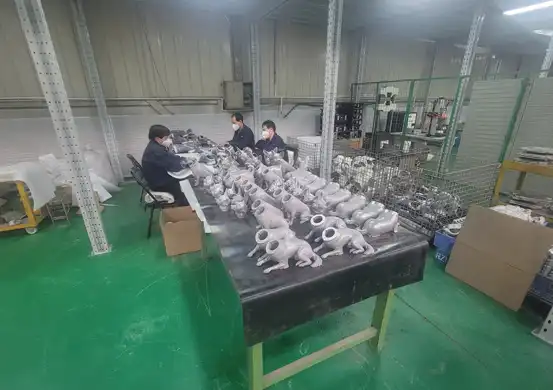
Shot blasting evens out the surface texture, which makes it easier for coatings to stick and gives surfaces the matte finish that is popular for many decorative uses. This process gets rid of casting scale and other small surface flaws, making parts ready for powder coating, anodizing, or special antique effects.
When suppliers do their own surface cleaning, they can keep a better eye on quality than when these tasks are outsourced. Integrated facilities coordinate the timing of when CNC cutting is finished and when the surface is prepared. This cuts down on handling that could damage small casting details.
Best Practices for Long-Term Partnership with Casting Craft Souvenirs Suppliers
Long-term purchasing partnerships offer consistent quality, better prices, and earlier output schedules that meet the needs of current projects.
Establishing Transparent Communication Protocols
Regular contact through digital tools for working together lets you keep track of orders, get reports on production, and solve problems quickly. When a supplier has dedicated account managers and technical liaisons, it's easier for your design teams and factory production staff to work together.
Set up regular video conferences during the first production runs to check the quality of the work in progress and fix any problems with the way it looks before finishing the full batches. This proactive method keeps project timelines and stops costly rejects.
Implementing Continuous Quality Improvement
Work with suppliers who are willing to take part in quality improvement programs that meet the needs of your project. Creating inspection standards, better packaging, and better surface treatment together gives you a competitive edge that you can't get from just doing business with one provider.
Sharing feedback from installation experiences helps suppliers improve the way they make things, which leads to better results for future orders. Manufacturers with 20 years of experience like this joint method because they know that when customers are happy, everyone grows.
Prioritizing Sustainability and Ethical Production
Suppliers with ISO14001 environmental management certification support sustainable manufacturing, which government procurement is targeting. These technologies cut waste and pollution and comply with CSR resource sourcing standards.
Your suppliers should meet ISO45001 occupational safety standards to protect workers throughout production. In sustainable markets, ethical manufacturing eliminates supply chain risks and promotes brand image.
Building relationships on open communication, quality, and shared values may help with multiple purchases. Suppliers want your project to succeed and will provide technical support, flexible production, and special treatment.

Conclusion
Importing casting craft souvenirs requires careful supplier selection, planned procurement, and long-term collaborations. Buyers should prioritize manufacturers with technical flexibility in precision casting, CNC machining, and surface treatment, and certifications that guarantee quality and environmental care. Custom creative metal parts take 7–10 weeks to order and need clear communication, meticulous sample approval, and proactive quality assurance to meet project timeframes and budgets. Partnerships with competent suppliers that provide small-batch flexibility and OEM/ODM capabilities give public lighting projects and building applications that need to look flawless and be weatherproof long-term competitive advantages.
FAQ
1. What certifications should I prioritize when selecting a casting craft souvenirs supplier?
Pay attention to ISO9001:2015 for quality control systems, ISO14001 for protecting the environment, and ISO45001 for keeping workers safe on the job. These certifications show that the company controls materials, manages processes, and inspects finished products in a planned way. Suppliers who hold all three show that they follow strict operating standards, which lowers the risk of buying.
2. How can I verify product quality before shipment?
Set up pre-shipment inspection procedures that include taking pictures of castings while they are being made, comparing measurements to approved samples, checking the surface finish, and making sure the packaging is correct. Instead of relying only on prototype quality, ask for samples from production batches to make sure that the quality is the same throughout the whole order.
3. What distinguishes manufacturers from wholesalers when sourcing decorative aluminum castings?
Manufacturers keep casting equipment, CNC machining centers, and surface treatment facilities in-house so they can keep an eye on quality throughout the whole production process. When wholesalers buy from more than one factory, there are risks of instability and fewer ways to make the product your own. When you work directly with a maker, you can get better prices, expert help, and more production options for custom municipal lighting parts.
Partner with a Trusted Casting Craft Souvenirs Manufacturer
Rongbao Enterprise specializes in providing precision-cast metal decorative parts for building and public lighting projects that need to look great and last in bad weather. Our Xi'an facility has 20 years of experience making products and can do a wide range of processes, such as high-pressure die casting, low-pressure casting, gravity casting, CNC machining, and custom finishes and shot blasting for the surfaces.
We have ISO9001:2015, ISO14001, and ISO45001 standards, which means that we have strict quality control from choosing the materials to delivering the finished product. Our production systems are flexible enough to handle small orders of 50 to 500 pieces with specific needs. They can also help you meet the deadlines for your projects by developing molds quickly, sending samples right away, and making sure that production plans are organized.
Seventy percent of what we make goes to markets in Europe, the United States, and Japan, showing that we can meet foreign quality standards. We offer full OEM/ODM services that turn your design ideas into parts that can be made and are kept safe during shipping in professional wooden boxes.
Please get in touch with our technical team to talk about your specific needs for casting craft souvenirs. You can email us at steve.zhou@263.net and zhouyi@rongbaocasting.com to learn more about all the things we can make. Let us become your trusted seller of casting craft souvenirs that help you reach your buying goals with accuracy, quality, and quick service.
References
1. Zhang, L., & Wang, M. (2022). Quality Control in Aluminum Alloy Casting for Architectural Applications. International Journal of Metal Casting, 16(3), 445-458.
2. Thompson, R. J. (2021). Supplier Selection Criteria for Municipal Infrastructure Projects. Journal of Procurement Management, 8(2), 112-128.
3. European Committee for Standardization. (2020). Aluminum Casting Alloys: Specifications and Testing Methods for Decorative Components. CEN Technical Report 15115.
4. Martinez, C., & Liu, H. (2023). Surface Treatment Technologies for Outdoor Aluminum Castings. Materials Performance and Characterization, 12(1), 89-104.
5. International Organization for Standardization. (2015). ISO 9001:2015 Quality Management Systems: Requirements and Implementation Guidelines. Geneva: ISO Press.
6. Anderson, P. K. (2022). Strategic Sourcing in the Aluminum Casting Industry: Building Long-Term Supplier Relationships. Supply Chain Management Review, 26(4), 34-47.
Learn about our latest products and discounts through SMS or email