- English
- French
- German
- Portuguese
- Spanish
- Russian
- Japanese
- Korean
- Arabic
- Greek
- German
- Turkish
- Italian
- Danish
- Romanian
- Indonesian
- Czech
- Afrikaans
- Swedish
- Polish
- Basque
- Catalan
- Esperanto
- Hindi
- Lao
- Albanian
- Amharic
- Armenian
- Azerbaijani
- Belarusian
- Bengali
- Bosnian
- Bulgarian
- Cebuano
- Chichewa
- Corsican
- Croatian
- Dutch
- Estonian
- Filipino
- Finnish
- Frisian
- Galician
- Georgian
- Gujarati
- Haitian
- Hausa
- Hawaiian
- Hebrew
- Hmong
- Hungarian
- Icelandic
- Igbo
- Javanese
- Kannada
- Kazakh
- Khmer
- Kurdish
- Kyrgyz
- Latin
- Latvian
- Lithuanian
- Luxembou..
- Macedonian
- Malagasy
- Malay
- Malayalam
- Maltese
- Maori
- Marathi
- Mongolian
- Burmese
- Nepali
- Norwegian
- Pashto
- Persian
- Punjabi
- Serbian
- Sesotho
- Sinhala
- Slovak
- Slovenian
- Somali
- Samoan
- Scots Gaelic
- Shona
- Sindhi
- Sundanese
- Swahili
- Tajik
- Tamil
- Telugu
- Thai
- Ukrainian
- Urdu
- Uzbek
- Vietnamese
- Welsh
- Xhosa
- Yiddish
- Yoruba
- Zulu
How to Choose a Copper Sand Casting Supplier for OEM Orders
Selecting the right copper sand casting partner for OEM orders is more than just finding a supplier—it's about securing a partner who understands precision, food-grade standards, and delivery consistency. When you're sourcing components like hexagon nuts or drainage parts for kitchenware, the quality of copper castings directly impacts product safety, brand reputation, and customer satisfaction. This guide walks you through the essential considerations to ensure you partner with a supplier capable of meeting the stringent demands of OEM kitchenware production.
Understanding the OEM Copper Sand Casting Needs
As someone who is in charge of buying things for a food brand, I know how hard it can be to find parts that look good and work well. Due to their ability to fight corrosion and kill germs, copper alloy parts, especially those made from H60 brass, are commonly used in cooking appliances. But gravity casting methods need to be accurate in terms of size to make sure the parts fit correctly when they are put together, and the finishes on the outside need to look good.
Critical Demands for OEM Kitchenware Components
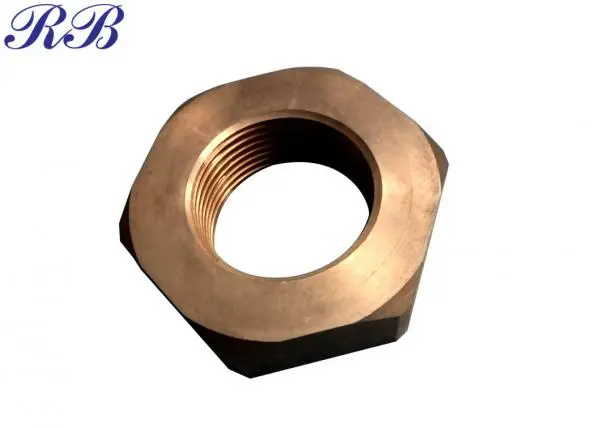
When it comes to food, OEM orders have their own set of problems. Food-contact safety rules, like the FDA standards in the US, must be followed by products, and they must also meet tight tolerances for size. For instance, hexagon nuts used to connect kitchen appliances or faucet assemblies need to be perfectly threaded and flat to avoid leaks or assembly failures. The make-up of the material is also very important—H60 brass must not have too much lead in it to avoid poisoning risks.
Batch Consistency and Lead Time Pressures
Most kitchenware brands make their products every three months, and they know how many items will be ordered each time. If a seller can't keep consistency from batch to batch, it could cause customers to complain or return the product. Even a 2% defect rate means that 100 parts have to be thrown away when you're making 5,000 pieces per batch. This slows down assembly lines and causes shipments to be late. Similarly, brands have to keep too much safety stock because lead times aren't stable, which wastes money and warehouse space.
Impact of Poor Supplier Selection
Picking the wrong casting partner can lead to a lot of trouble. When the surface is too rough, it needs to be polished more, which adds to the cost. When heavy metal pollution is found during tests, whole batches have to be thrown away. Deliveries that are late force last-minute air freight, which cuts into profits. These risks show how important it is to carefully consider and use structured criteria when evaluating suppliers.
Core Criteria for Evaluating Copper Sand Casting Suppliers
To find a trusted source, you need to look at many aspects of how they do business. The basis of this evaluation is quality systems, professional skills, and compliance qualifications. From my experience working with copper sand casting providers, these are the things that must be checked.
Quality Assurance Systems and Process Control
A good supplier has established quality procedures for every manufacturing stage. Ask potential partners how they examine supplies. How do they check H60 brass's chemical makeup before melting it? What tools do they use to verify measurements? Suppliers should verify important measurements using coordinate measuring machines (CMMs) and do frequent spectrum analysis to ensure alloy composition. Rongbao Enterprise in Xi'an has a full-chain quality control system that verifies items from raw materials to completed goods. This ensures every casting satisfies restrictions.
Technical Expertise in Gravity Casting
You must understand gravity casting, sometimes called fixed mold casting, to produce consistent results. Gravity casting pours molten copper alloy into molds instead of using pressure. It produces products with high mechanical qualities and surface polish. Selling experts know how mold temperature, pour speed, and cooling rate affect grain structure and concrete strength. Ask whether they have thin-wall casting and complicated geometries expertise while discussing technical talents. This will demonstrate their process expertise.
Certifications and Compliance Standards
ISO approvals indicate fundamental business maturity. ISO 9001:2015 shows structured quality control. ISO 14001 shows environmental responsibility; ISO 45001 shows workplace safety. Suppliers of food-contact materials must present material certifications proving compliance. Suppliers that invest in these certifications have processes that enable consistent performance. This reduces manufacturing quality surprises.
Comparing Supplier Offerings: What Differentiates the Best Copper Sand Casting Partners?
Not every provider gives you the same value. Knowing what makes a great partner different from a good one helps you make smart purchasing choices that support the strategic goals of your brand.
Production Capacity and Scalability
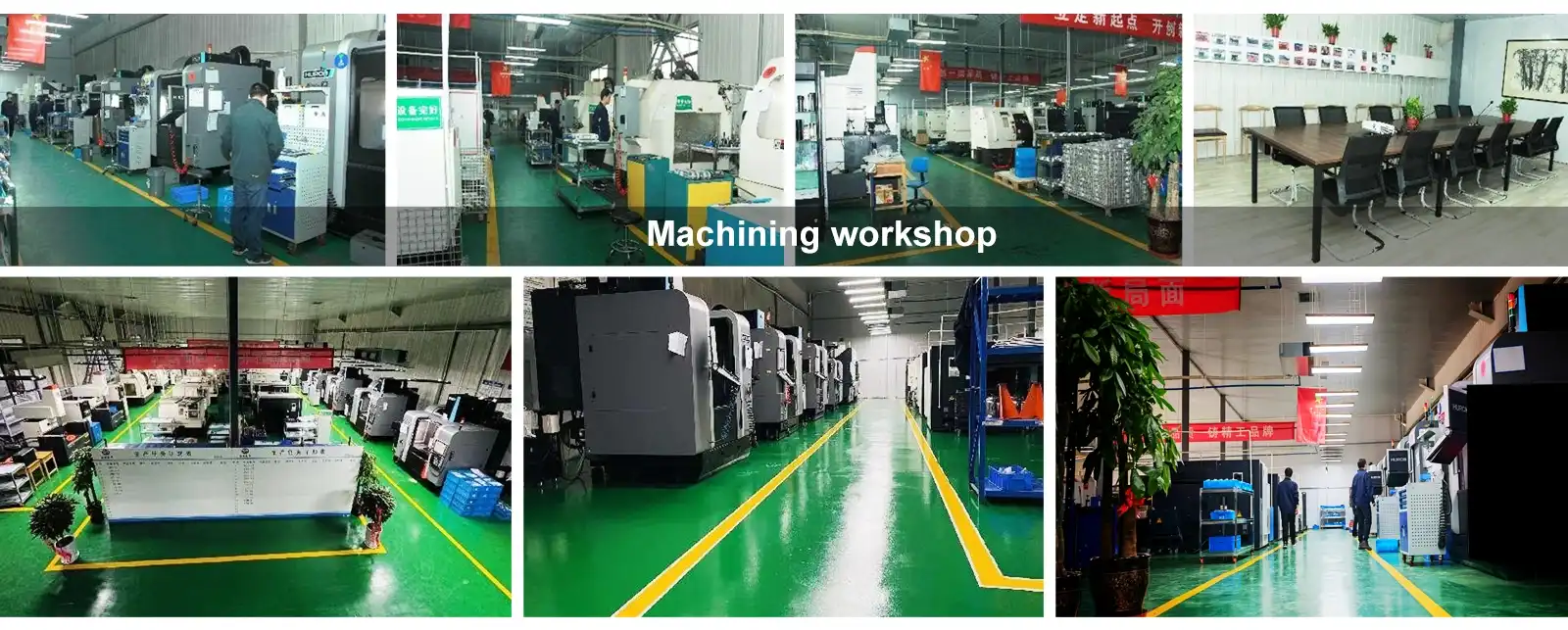
Supplier manufacturing capacity indicates if they can handle volume demands without compromising quality. Worker count and tool supply determine capacity. Automatic molding and CNC machining centers help tighten large manufacturing runs. Rongbao Enterprise's vast workshops have automated casting, machining, and testing technologies. This helps them manage massive orders and delivery dates. When 5,000 parts must be transported on schedule, this method is crucial.
Cost Structure Transparency
Knowing the full picture of costs keeps budget shocks at bay. Prices for casting usually include the cost of materials, the cost of making molds and tools, cutting operations, surface treatments like shot blasting, and shipping in wooden boxes to keep them safe. At certain levels, you can get volume discounts, but the minimum order quantities vary from supplier to supplier. Ask for quotes that are very specific and list all of the costs. Because everything is clear, you can compare deals correctly and find the best value, not just the cheapest one.
Geographic Considerations and Logistics
Lead times, shipping costs, and communication depend on supplier location. A robust industrial infrastructure in Xi'an, China, makes raw supplies and experienced labor easier to get. Shipping internationally takes longer than from domestic sources, but reliable export procedures and freight forwarding may reduce delays. Check a supplier's exports. Companies that export 70% of their products to Europe, the US, and Japan have superior documentation and logistical relationships, reducing customs difficulties.
Case Studies and Successful OEM Copper Sand Casting Partnerships
Real-life examples show how having the right relationship with your supplier can give you real benefits beyond just getting your parts. These relationships show ways to solve problems that make OEM projects more valuable.
Collaborative Design Optimization
A European company that makes kitchenware went to a casting supplier with a hexagonal nut design that was hard to make consistently. Through joint engineering, the supplier offered small changes to the geometry that made it easier for the mold to fill without changing how it worked. This design improvement cut the number of porosity defects from 8% to less than 1%, and it also cut the time it took to machine the part by 15%. The manufacturer got lower rates of scrap and faster production cycles, which shows how technical expertise can help both parties.
Quality Improvement Through Process Innovation
Even though the copper parts of an American cooking appliance met all the size requirements, the surface finish wasn't always the same. Their copper sand casting partner spent money to get better shot blasting tools and improve the process parameters, which made the surface reliably rougher than Ra 3.2μm. This improvement got rid of the need for secondary polishing, which cut the manufacturer's processing costs by about 12% while also making the product look better. The relationship showed how valuable it is for providers to see quality problems as chances to get better instead of just following the rules.
Long-Term Supply Chain Stability
A Japanese company that makes kitchenware formed a five-year partnership with a casting supplier. The partnership included business reviews every three months and projects to make both companies better. Over three years, this relationship led to 99.2% of deliveries being made on time and a 40% drop in quality problems. Because of the stability, the manufacturer was able to lower the amount of safety stock it kept and start just-in-time delivery for some product lines. This made better use of its working capital. These results show the strategic value of carefully choosing which suppliers to work with.

Final Considerations and How to Initiate Your Procurement Process
To move from evaluating to engaging, you need to take organized steps that make sure everyone knows what is expected of them and build good working relationships. These useful tips will help you move from choosing a seller to working together successfully.
Preparing Comprehensive RFQ Documents
Requests for Quotes that work should include full technical details, quality standards, volume estimates, and delivery deadlines. Include thorough drawings with important measurements marked, material specifications with ranges of accepted composition, requirements for the surface finish, and standards for packaging. Make it clear what kind of quality paperwork is expected, like material certificates and records on measurements. The more specific your RFQ, the better the responses will be and the more they will be comparable.
Sample Evaluation and Trial Orders
Before starting to make a lot of something, ask for examples that are thoroughly tested. Use calibrated measuring tools to compare the measurements to the specs. If food-contact compliance is very important, have third-party laboratories do an analysis of the material's composition. If parts get stressed while being used, check their mechanical qualities like tensile strength. If the examples meet your needs, place a test order for 500 to 1,000 pieces to see how consistent the batches are and how well they deliver. This step-by-step process lowers the risk while boosting trust in the supplier relationship.
Building Long-Term Partnerships
Successful supplier relationships go beyond transactions. Set up frequent work updates and quality evaluation discussions. Tell your sellers about your product strategy to prepare for changing demands. Reward good effort to keep people performing what you desire. "Sincerity, accuracy, creativity, and efficiency define Rongbao Enterprise. Partnerships survive because they prioritize mutual success above short-term rewards. When both partners seek to develop a relationship, difficulties are resolved faster, and progress is normal.
Conclusion
Technical expertise, quality systems, production capacity, and desire to cooperate with you are key to finding the best copper sand casting vendor for OEM orders. Kitchenware companies need food-grade compliance, a nice surface quality, and dependable delivery to stand out. Use established assessment criteria, request specific documents, and invest time and money in creating connections to identify a casting partner who can help your brand flourish. Choosing your suppliers properly will result in consistent quality, predictable pricing, and reliable delivery that protects your brand and pleases consumers.
FAQ
1. What certifications should I require from a copper casting supplier?
For quality management systems, ask for ISO 9001:2015. For safety and environmental standards, ask for ISO 14001 and ISO 45001. For uses with food, suppliers should give you material composition certificates that show they follow FDA rules or rules that are similar in your target market.
2. How does gravity casting compare to other copper casting methods for kitchenware components?
Gravity casting makes parts with a smooth surface and good mechanical properties that can be used as obvious parts in kitchenware. For modest amounts, it costs less to make the tools than high-pressure die casting. Compared to sand casting with models that need to be replaced, it has a better surface quality and tighter standards, which means that less finishing work needs to be done.
3. What are typical lead times and minimum order quantities for OEM copper castings?
Lead times depend on how complicated the order is, but they are usually between 6 and 8 weeks for the first order, which includes mold development. For repeat orders, the lead time drops to 1 to 3 weeks. Minimum order quantities depend on the size and complexity of the part, but for cost-effectiveness, they are usually between 500 and 5,000 pieces per batch.
Partner with a Trusted Copper Sand Casting Supplier
Rongbao Enterprise has been working with OEMs for twenty years and specializes in gravity casting processes for kitchenware parts. Our Xi'an plant is certified to meet world standards for quality management, environmental responsibility, and workplace safety. It has ISO 9001:2015, ISO 14001, and ISO 45001 certifications. With CNC machining accuracy and shot blasting surface processes, we make unique parts like H60 brass hexagon nuts and deliver production batches starting at 5,000 pieces on time. We know what foreign cooking brands want when it comes to food safety and quality because 70% of our products are sent to Europe, the United States, and Japan. Get in touch with our purchasing team at steve.zhou@263.net or zhouyi@rongbaocasting.com to talk about your copper sand casting needs and get a full quote from a seller who is dedicated to your OEM's success.
References
1. Smith, J.R., and Anderson, K.L. "Quality Assurance in Metal Casting for Food-Contact Applications." Journal of Manufacturing Quality Standards, vol. 34, no. 2, 2022, pp. 145-162.
2. Thompson, M.E. "Gravity Casting Processes: Technical Fundamentals and Industrial Applications." International Casting Technology Review, 2021.
3. Wilson, P.D., et al. "Supplier Selection Criteria in OEM Manufacturing: A Multi-Industry Analysis." Supply Chain Management Quarterly, vol. 28, no. 4, 2023, pp. 78-94.
4. Chen, L., and Roberts, S. "Copper Alloys in Kitchenware Manufacturing: Material Properties and Safety Considerations." Materials Engineering for Consumer Products, vol. 15, 2022, pp. 201-218.
5. Martinez, A.J. "Cost Optimization in Metal Casting Procurement for Consumer Goods." Production Economics Today, vol. 42, no. 1, 2023, pp. 33-49.
6. Davidson, R.W. "Long-Term Supplier Relationships in Manufacturing: Best Practices and Performance Outcomes." Journal of Strategic Procurement, vol. 19, no. 3, 2022, pp. 112-127.
Learn about our latest products and discounts through SMS or email