- English
- French
- German
- Portuguese
- Spanish
- Russian
- Japanese
- Korean
- Arabic
- Greek
- German
- Turkish
- Italian
- Danish
- Romanian
- Indonesian
- Czech
- Afrikaans
- Swedish
- Polish
- Basque
- Catalan
- Esperanto
- Hindi
- Lao
- Albanian
- Amharic
- Armenian
- Azerbaijani
- Belarusian
- Bengali
- Bosnian
- Bulgarian
- Cebuano
- Chichewa
- Corsican
- Croatian
- Dutch
- Estonian
- Filipino
- Finnish
- Frisian
- Galician
- Georgian
- Gujarati
- Haitian
- Hausa
- Hawaiian
- Hebrew
- Hmong
- Hungarian
- Icelandic
- Igbo
- Javanese
- Kannada
- Kazakh
- Khmer
- Kurdish
- Kyrgyz
- Latin
- Latvian
- Lithuanian
- Luxembou..
- Macedonian
- Malagasy
- Malay
- Malayalam
- Maltese
- Maori
- Marathi
- Mongolian
- Burmese
- Nepali
- Norwegian
- Pashto
- Persian
- Punjabi
- Serbian
- Sesotho
- Sinhala
- Slovak
- Slovenian
- Somali
- Samoan
- Scots Gaelic
- Shona
- Sindhi
- Sundanese
- Swahili
- Tajik
- Tamil
- Telugu
- Thai
- Ukrainian
- Urdu
- Uzbek
- Vietnamese
- Welsh
- Xhosa
- Yiddish
- Yoruba
- Zulu
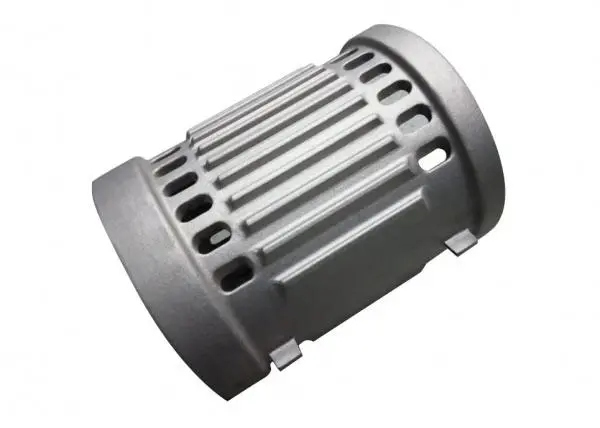
How to choose the material for sand casting motor housing part?
Choosing a material for sand casting motor housing parts need more than just looking at the strength or pricing of various metals. The housing must provide support for the motor assembly, dissipate heat, resist vibration, withstand the environment and offer stable surfaces for mounting and machining. The choice of alloy is also influenced by the casting process, because fluidity, solidification behavior, wall thickness and shrinkage all affect the quality of the finished casting. Hence, the material selection should be made in conjunction with the casting process, heat treatment, machining requirements, operating environment and production volume by the engineers and purchasing team. Aluminum alloys are a great choice for many industrial motor housings but not necessarily the best choice for all applications.
Start With the Required Performance of the Housing
Instead of starting with a particular alloy designation, the process of choosing a material should start from the actual working circumstances of the motor housing. A tiny industrial motor may need quite different housing requirements than large equipment, outdoor machinery, or a motor running continually at elevated temperatures.
One of the first things to consider is mechanical loading. The motor housing generally contains bearings, coverings, mounting features, fasteners, and other features. It may also be subjected to vibration during operation and tension from installation or thermal expansion. The casting therefore must be strong and stiff enough to retain the proper geometry in service. However, the choice of the material with the maximum tensile strength is not necessarily the best solution. The housing needs to be the right mix of strength, stiffness, weight, castability, and cost.
Thermal performance is also significant. When in operation, electric motors create heat, and the housing may be part of the heat dissipation path. Aluminum alloys are often chosen, as they have far higher heat conductivity than many iron-based casting materials. But the heat-transfer performance in reality is more than just the alloy. Final temperature can be influenced by housing shape, wall thickness, external surface area, ventilation, contact circumstances, and operational load of the motor.
That is why the thermal requirements must be assessed throughout the design phase. Also, if the housing comprises ribs, fins, mounting bosses, or thin parts, the alloy has to reliably fill these characteristics during casting.
Evaluate Strength, Weight, and Thermal Conductivity Together
Aluminum is commonly used for motor housings, offering a good mix of low density, mechanical performance, and heat transmission capabilities. Aluminum has a density of about 2.7 g/cm³, which is a lot lower than typical cast iron grades. Lighter housings make it easier to handle equipment and are perhaps also helpful to the supporting structures.
This weight differential can be especially advantageous for instances where the housing is mounted and dismounted during maintenance. A lighter casting also reduces the need for transport and handling. But weight should not be looked at separately from rigidity. And although the tensile strength could be sufficient, the housing can deform if it is too thin or not stiff enough.
A356 aluminum is widely chosen for sand casting because of its advantageous mix of castability and mechanical qualities. With adequate processing and heat treatment, it can give much improved strength over the as-cast condition. Actual qualities should never be assumed from the alloy name alone but should always be verified against the material standard provided, the heat-treatment condition, and the test data supplied by the supplier.
The thermal conductivity of the chosen alloy and the condition for sand casting motor housing parts should also be investigated. Aluminum casting alloys do not have the same thermal characteristics. If heat dissipation is a primary design consideration, then the engineering team should examine the thermal conductivity of candidate alloys and then evaluate the overall housing design through thermal analysis or test.
Consider the Operating Environment Before Finalizing the Alloy
The environment around the motor can heavily dictate the choice of material. A housing mounted indoors in a reasonably clean environment will be exposed to different conditions than one exposed to humidity, salt spray, chemicals, dust, or outdoor temperature variations.
Aluminum generates a thin coating of oxide naturally, which offers some protection against corrosion. Aluminum alloys are well suited to numerous outdoor and industrial uses. However, the presence of an oxide layer does not guarantee that every aluminum casting will be acceptable for severe corrosion conditions. Surface condition, alloy composition, coating method, interaction with dissimilar metals, and exposure conditions all must be taken into account.
For coastal or high humidity applications, the design team may also have to define a suitable surface treatment or coating, as well as the choice of the casting alloy. The provider must know the expected environment to be able to offer a finishing technique.
Chemical exposure calls for the same strategy. The motor housing should be tested against the actual process chemicals, concentrations, temperature, and exposure time. General declarations of “corrosion resistance” do not qualify a material for a specific industrial environment.
Temperature is another key factor. The material performance is influenced by continuous running temperature, short-term temperature peaks, heating and cooling cycles, and temperature difference between the motor and surrounding environment. If the housing is to be used outside the usual temperature range for the selected alloy and finish, the material should be evaluated through engineering study and proper test data.
Match the Alloy to the Sand Casting Process
The choice of material is inseparable from the casting process. Sand casting is well suited to the production of motor housings in a wide range of sizes and geometries, particularly where the design involves rather complex shapes or where the production volume does not justify the cost of expensive permanent equipment.
The chosen alloy must be fluid enough to fill the mold and minimize casting flaws. At the same time, the foundry must regulate solidification, shrinkage, gas-related flaws, inclusions, and other potential sources of casting variation.
A356 is frequently desirable for sand casting due to its strong castability combined with acceptable mechanical qualities after sufficient heat treatment. This makes it a realistic candidate for many sand casting motor housing parts with a design involving a combination of relatively low weight, strength, and thermal performance.
However, even with careful alloy selection, the casting may still be unsound. All these factors, including mold design, gating and risering, pouring practice, melt quality, temperature control, and process control, might affect the final product. Therefore, two suppliers utilizing the same alloy may create castings of differing consistency.
For procurement teams, this means that alloy designation should not be the sole technical requirement in a purchase specification. The standards for inspection and the casting process should also be clearly stated.
Compare A356 with Other Practical Casting Materials
A356 is a popular aluminum sand casting material for sand casting motor housing parts but should be compared to other materials on the basis of actual housing requirements.
A356 Aluminum for Balanced Performance
A356 aluminum is often selected when the design combines castability, relatively low weight, and mechanical performance. Silicon promotes castability, while magnesium permits precipitation-hardening heat treatment of the alloy.
If a T6 requirement is specified, the heat-treatment procedure is an important component of the specification. The mechanical qualities of the final product depend on the production conditions, so the solution treatment, quenching, and artificial aging have to be carefully controlled.
A356 may be particularly appropriate for a motor housing where weight and thermal management are considerations and the design does not call for the very high wear resistance or rigidity of some iron-based castings.
A380 Aluminum for Complex Cast Geometries
Another aluminum alloy often utilized in casting applications is A380. It has good castability and is frequently used for intricate components. Different typical applications and processing methods are compared with sand-cast A356 components.
A380 should not be compared with A356 based only on silicon content or fluidity. They have to consider the total manufacturing path, the required mechanical qualities, expectations of heat treatment, wall thickness, dimensional requirements, and production volume.
For special housing designs, it is vital to check with the foundry before starting production the suitability of the chosen alloy for heat treatment after casting to achieve the required mechanical properties.
356 Aluminum for Less Demanding Applications
356 aluminum is comparable to A356 and can be considered for applications where the material needs and specifications allow. Differences between alloy classes, restrictions of chemical composition, and certification standards shall be explicitly indicated in the purchasing documentation.
For example, 'aluminium casting' for commercial motor housings. Where broad descriptions are used, the purchaser should define the suitable standard for the material. This helps to avoid the use of materials that may have an effect on mechanical properties, heat treatment, machinability, or corrosion performance.
Ductile Iron When Strength and Rigidity Take Priority
If the housing requires higher mass, rigidity, strength, or wear resistance and the extra weight can be accepted, then ductile iron is the material of choice. Ductile iron is generally denser and has lower heat conductivity than aluminum.
This can be a huge difference for motor housings, where heat control and weight of installation can be essential. However, for heavy-duty equipment, a ductile iron housing may be justified if mechanical loads, vibration, or wear resistance are more critical than low-weight design.
Thus the decision should be based on the whole application and not on the notion that aluminum is always preferable.
Magnesium for Weight-Critical Designs
Magnesium alloys are lighter than aluminum; therefore, the weight of the component could be further lowered. Also, the electromagnetic shielding properties can be improved by a good design of housing and alloy choices.
The trick is complexity in manufacture. The strong reactivity of molten magnesium calls for strict control during processing and can increase production and handling requirements. This is why magnesium is commonly selected when the weight savings provide a demonstrable engineering advantage to offset the increased manufacturing considerations.
Do Not Ignore Machining and Heat Treatment
Very rarely is a cast housing a complete finished object as it comes out of the mold. Motor housings may require machining of mounting faces, bearing positions, bolt holes, sealing surfaces, or other critical characteristics.
The selected material should also be tested for machinability. From the theoretical point of view, a casting might have excellent mechanical properties but may require better process control if the machining operation is sensitive to dimensional variation or flaws in the casting.
Another significant consideration is heat treatment. For alloys like A356, the chosen heat treatment regime can have a considerable modifying effect on mechanical properties. As such, the supplier should be able to regulate the procedure that is necessary and give appropriate documentation when the application requires it.
For manufacturing orders, purchasers might ask for material certificates, heat treatment records, dimensional inspection reports, and other quality documents required by the project. Such records are significantly more convincing than the claim of “high-quality aluminum” that a supplier can easily make.
Check Casting Quality Before Approving a Supplier
Material selection is simply one aspect of the ultimate quality of sand-casting motor housing parts. The cast itself must be checked for faults that could impair structural integrity, machining, sealing, or assembly.
Inspection may comprise visual inspection, dimensional measurement, chemical composition verification, mechanical testing, or non-destructive testing depending on the application. The proper inspection method should be chosen according to the housing function and the repercussions of a casting flaw.
Dimensional inspection becomes very crucial when the housing mates with bearings, coverings, shafts, mounting brackets, or other machined parts. Critical dimensions should be indicated on the drawing by the supplier to regulate which characteristics need to be more tightly controlled.
The buyer may additionally have to stipulate any additional inspection or leak testing requirements for any pressure-sensitive or sealing areas of the housing. The specific inspection strategy should be agreed to before mass production, not tacked on after a quality problem shows up.
Consider Total Manufacturing Cost Instead of Material Price Alone
The cheapest raw material doesn't usually mean the cheapest total cost. The whole cost comparison should cover the alloy, mold preparation, casting yield, heat treatment, machining, surface finishing, inspection, packaging, transportation, and possible scrap.
Sand casting in particular can be economically beneficial for low- and medium-volume manufacturing, as the tooling requirements can be less demanding than some of the alternative casting methods. It can also handle huge or geometrically difficult parts.
But the end cost is very much design dependent. Even if the basic alloy is inexpensive, too complex cores, machining allowances that are too large, problematic wall transitions, or improper feeding design might increase manufacturing costs.
Once the design is reviewed by engineers and suppliers, they may then quote on repeat production. Sometimes manufacturability can be improved by modifying draft, wall thickness, machining allowance, filets, cores, and gating features without affecting functional requirements of the housing.
What to Confirm With a Sand Casting Motor Housing Supplier?
The buyer should give as much technical information as feasible before ordering. No provider can reliably recommend a material or procedure to make a product based on the product name alone.
The basic package should include the 2D drawing, 3D model if available, the required alloy or material standard, heat-treatment condition, critical dimensions, machining tolerances, surface-finish requirements, coating requirements, expected production quantity, and applicable inspection requirements.
It is also useful to talk about the operating environment. Knowing the temperature, vibration, humidity, salt exposure, chemical contact, and service conditions that will be encountered allows the foundry to decide if the specified alloy and finishing procedure are adequate.
Sample production can be made for a new project to check the quality of casting, machining, assembly fit, and surface treatment before entering into big production quantities. This strategy helps avoid detecting material or process concerns after a large batch has already been created.
Sand Casting Motor Housing Part Supplier: Rongbao Enterprise
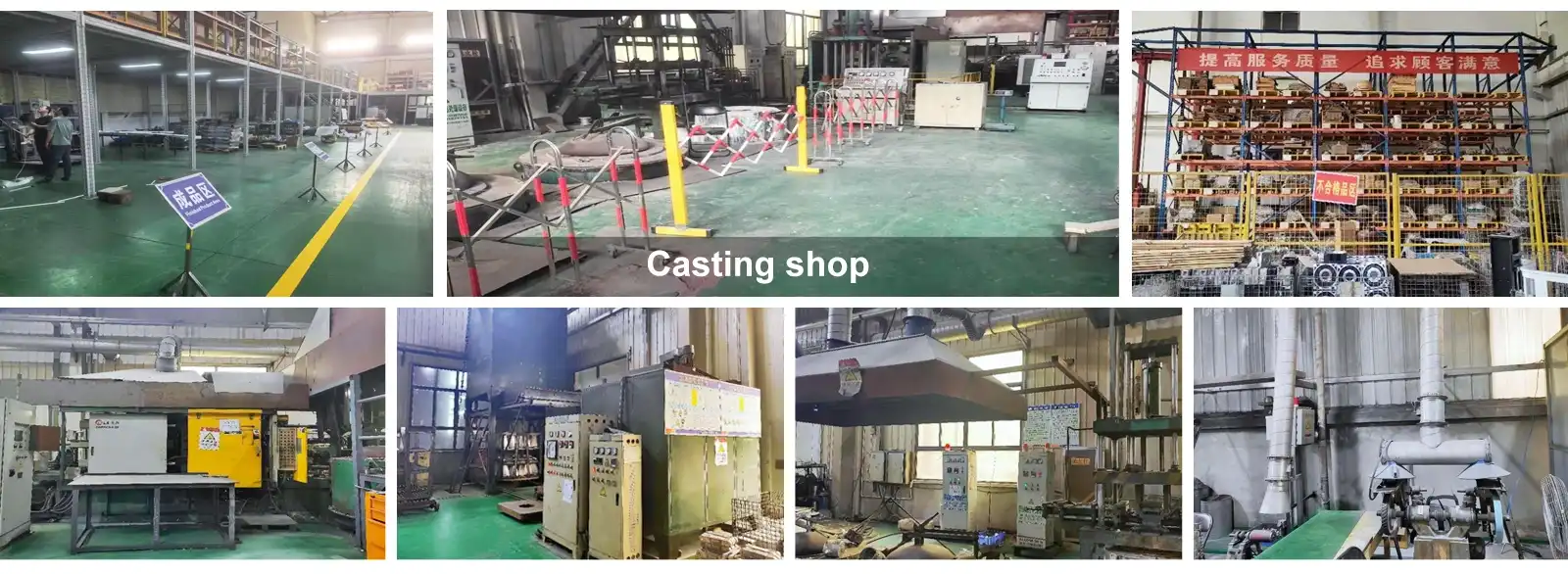
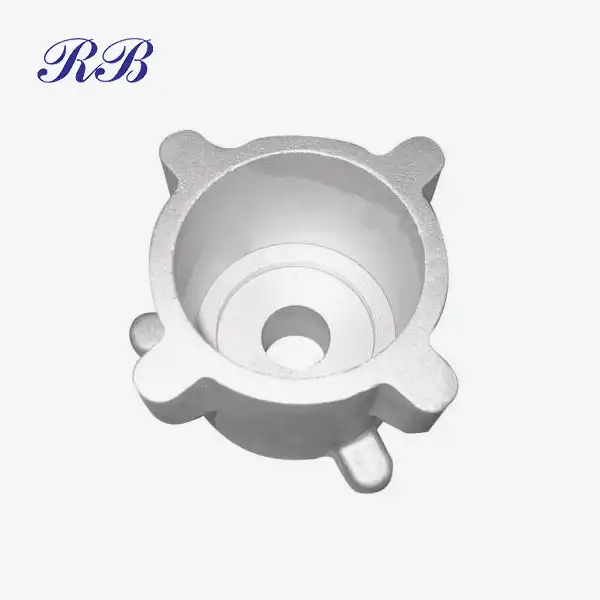
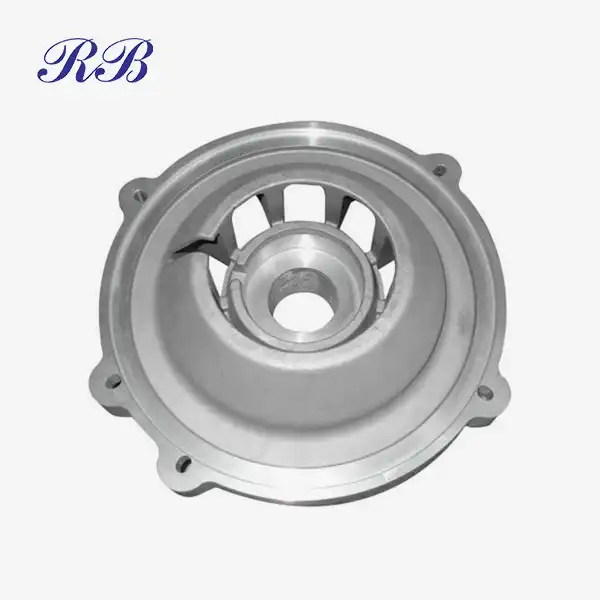
Rongbao Enterprise is a manufacturer of motor housing casting parts for industrial use. We also supply sand casting and other manufacturing services. According to the corporate information provided, its production method includes aluminum casting followed by heat treatment, machining, and surface preparation.
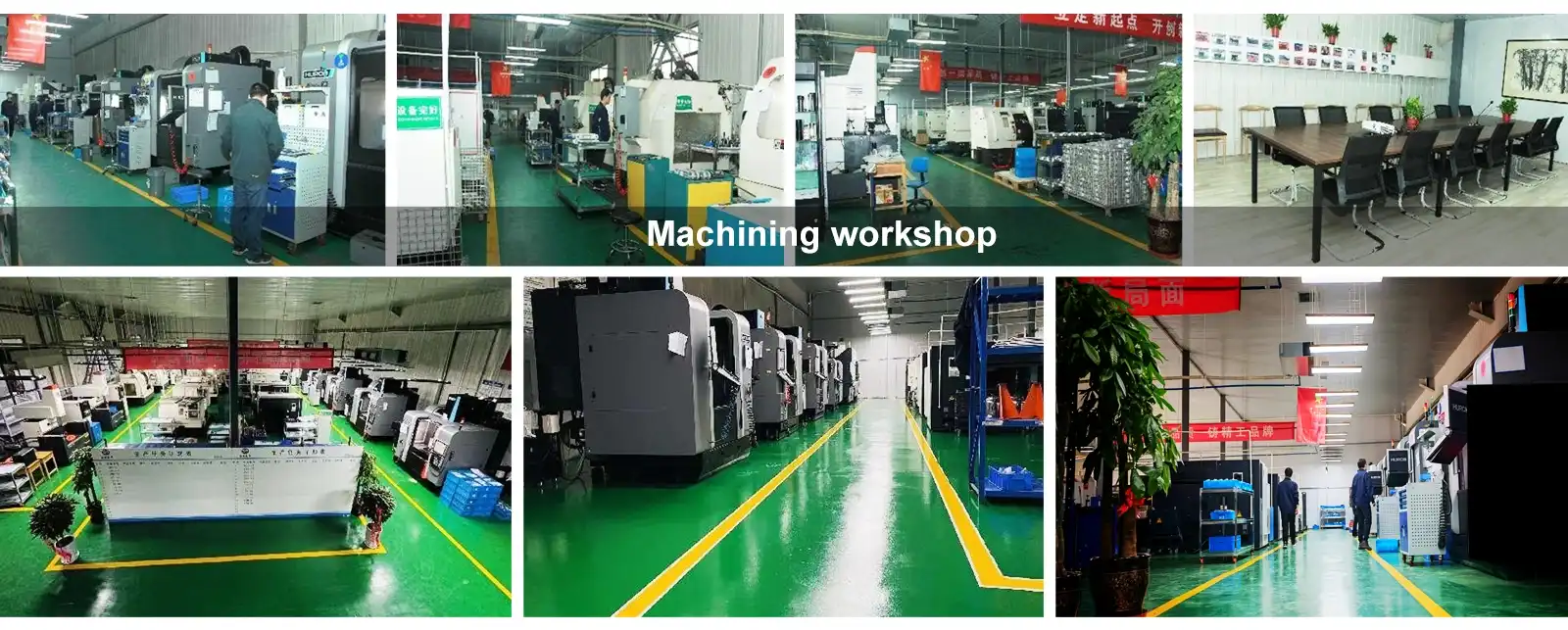
For applications specifying A356, the material requirement shall be confirmed prior to manufacturing, along with the requisite heat-treatment condition and applicable mechanical or chemical composition criteria. Then, CNC machining can be utilized to provide key mounting surfaces, holes, and other features as specified by the customer’s drawing.
The housing may be shot blasted or prepared in other ways where the housing will be subject to a subsequent coating or finishing process. The right finish should be dictated by the customer’s environmental and esthetic needs, not as a one-size-fits-all solution.
For procurement teams weighing Rongbao against another foundry, the most meaningful comparison is not just the price given. Buyers must also evaluate the supplier’s capacity to regulate alloy consistency, quality of casting, dimensional precision, heat treatment, machining competence, and inspection documents from lot to lot.
It is also easy to decide whether A356, another aluminum alloy, ductile iron, or something else would be the best selection by giving the provider full drawings and application requirements. This engineering conversation can help avoid unneeded adjustments once production starts.

Conclusion
Selecting the right material for a motor housing requires a balance between mechanical requirements, thermal performance, weight, corrosion resistance, casting behavior, machining needs, production volume, and total cost. A356 aluminum is a practical option for many sand casting motor housing parts because it combines relatively low density, good castability, and useful mechanical properties when properly processed and heat treated. However, the best material depends on the actual application rather than the alloy's popularity alone.
Before production, buyers should confirm the material specification, casting process, heat-treatment condition, critical dimensions, surface treatment, and inspection requirements with the supplier. A supplier should also be evaluated on its ability to maintain consistent casting and machining quality from prototype samples through repeat production. By treating material selection and manufacturing capability as one engineering decision, companies can reduce production risks and obtain motor housings that are better suited to their operating conditions.
Our experienced team stands ready to assist with material selection, design review, and quotation preparation. Contact us today to explore how our sand casting expertise can enhance your high-voltage distribution projects. Reach out to Steve Zhou at steve.zhou@263.net or Zhou Yi at zhouyi@rongbaocasting.com to begin the conversation. We look forward to demonstrating why leading manufacturers trust Rongbao Enterprise for their critical casting service needs.
References
- American Foundry Society. (2021). "Aluminum Casting Technology and Best Practices." AFS Technical Publications, Chicago, IL.
- ASM International. (2020). "Properties and Selection of Aluminum Alloys." ASM Handbook Volume 2B: Properties and Selection of Aluminum Alloys, Materials Park, OH.
- The Aluminum Association. (2019). "Aluminum in Electrical Applications: Performance and Durability." Arlington, VA. Available at: www.aluminum.org
- Journal of Materials Engineering and Performance. (2022). "Thermal Management in Electric Motor Housings: A Comparative Study of Casting Alloys." Volume 31, Issue 4, pp. 2847-2859.
- Modern Casting Magazine. (2021). "Total Cost Analysis for Metal Selection in Motor Component Manufacturing." American Foundry Society, June 2021 issue, pp. 34-38.
_1751074553490.webp)
Learn about our latest products and discounts through SMS or email