- English
- French
- German
- Portuguese
- Spanish
- Russian
- Japanese
- Korean
- Arabic
- Greek
- German
- Turkish
- Italian
- Danish
- Romanian
- Indonesian
- Czech
- Afrikaans
- Swedish
- Polish
- Basque
- Catalan
- Esperanto
- Hindi
- Lao
- Albanian
- Amharic
- Armenian
- Azerbaijani
- Belarusian
- Bengali
- Bosnian
- Bulgarian
- Cebuano
- Chichewa
- Corsican
- Croatian
- Dutch
- Estonian
- Filipino
- Finnish
- Frisian
- Galician
- Georgian
- Gujarati
- Haitian
- Hausa
- Hawaiian
- Hebrew
- Hmong
- Hungarian
- Icelandic
- Igbo
- Javanese
- Kannada
- Kazakh
- Khmer
- Kurdish
- Kyrgyz
- Latin
- Latvian
- Lithuanian
- Luxembou..
- Macedonian
- Malagasy
- Malay
- Malayalam
- Maltese
- Maori
- Marathi
- Mongolian
- Burmese
- Nepali
- Norwegian
- Pashto
- Persian
- Punjabi
- Serbian
- Sesotho
- Sinhala
- Slovak
- Slovenian
- Somali
- Samoan
- Scots Gaelic
- Shona
- Sindhi
- Sundanese
- Swahili
- Tajik
- Tamil
- Telugu
- Thai
- Ukrainian
- Urdu
- Uzbek
- Vietnamese
- Welsh
- Xhosa
- Yiddish
- Yoruba
- Zulu
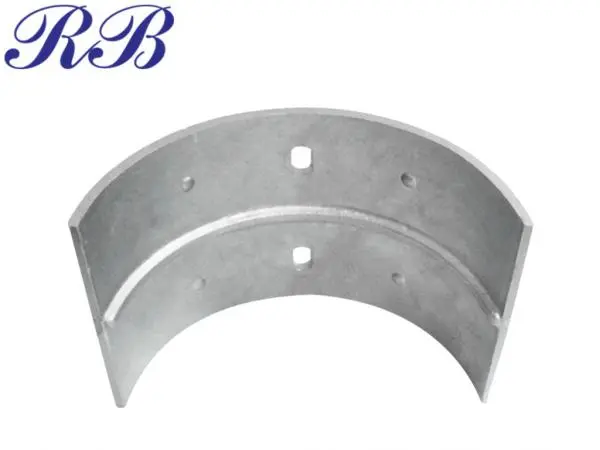
What is engine bearing?
An engine bearing is a precision component used to support moving or reciprocating engine elements, as well as control friction, load, heat and movement of mating surfaces. Bearing systems are usually utilized around the crankshaft and connecting rods in internal combustion engines . Other bearing arrangements can be employed to support camshafts or to cope with axial stresses . Although these parts are relatively small in comparison to the engine block or the cylinder head, they have a direct effect on the engine functioning in terms of the dimensional accuracy and lubrication conditions. When discussing a casting engine bearing, it is important to distinguish the bearing itself from the cast structural component that supports it. A cast aluminum bearing housing, carrier, or support may hold the bearing in its designed position and maintain the required alignment with the shaft. The bearing surface itself may use a separate bearing material or lining selected for fatigue strength, conformability, wear resistance, and compatibility with the lubricant. This distinction matters when selecting materials and manufacturing processes. A bearing shell must provide the appropriate tribological properties, while a cast housing needs sufficient structural strength, dimensional stability, machinability, and thermal performance. For this reason, the design of a casting engine bearing assembly normally involves more than simply choosing a metal alloy. Casting quality, machining accuracy, bearing clearance, lubrication, and final inspection all have to work together.
How Engine Bearings Support Rotating Components?
The basic role of an engine bearing is to preserve relative motion between two parts and to carry the loads developed during the engine operation. Consider a crankshaft, for example. It can withstand the forces from combustion, inertia, and spin. This bearing is a regulated interface between the crankshaft journal and the supporting framework.
In a hydrodynamic journal bearing, the shaft does not always run directly against the bearing surface. If the working conditions are such that the film can grow properly, then instead of engine oil, a lubricating film is created between the two surfaces. The thickness and durability of this oil layer depend on parameters such as shaft speed, viscosity, load, temperature, surface geometry, and bearing clearance.
Therefore, the bearing design cannot be determined by only analyzing the nominal diameter. The performance of the assembly under operational conditions is influenced by the interplay of the shaft, bearing, housing, lubrication system, and tolerances in machining.
Load Distribution and Shaft Alignment
The engine bearings have to carry loads and maintain shaft location. For example, the forces on the crankshaft change with time in each combustion cycle. The bearing system transmits these forces to the engine structure.
Correctly built housings help to keep the bore in the desired position and alignment. In case of a distorted housing bore, incorrect machining, or not positioning the housing bore in the prescribed tolerance, uneven distribution of load may occur on the bearing. It can result in localized wear, temperature increases, or quicker depletion.
Dimensional stability is very important, especially for a bearing housing of a casting engine. The casting must be strong enough structurally to retain its shape during machining and use. It is also important to carefully select the machining references to ensure the final bearing bore is correctly related to the mounting surfaces and other functional features.
Friction, Lubrication, and Heat
In an engine bearing system, friction is strongly connected to lubrication. When the hydrodynamics are correct, the lubricant separates the moving surfaces so that there is little direct contact. If the oil film is too thin because of insufficient lubrication, excessive temperature, improper clearance, or other operating conditions, the surface contact may be increased.
Another key consideration is heat handling. The operating temperature of the assembly is influenced by bearing friction, lubricant temperature, and heat transmitted from adjacent engine elements. This implies the housing has to create a strong structure but allow the heat to pass to adjacent components or cooling channels as intended.
Aluminum alloys are the materials of choice for cast structural components due to their relatively low density and useful thermal conductivity. But the light weight of aluminum is not the reason to utilize the alloy. The selection is made by evaluating its strength, castability, machinability, thermal behavior, and corrosion resistance.
Main Engine Bearing Arrangements
There are various bearings used in an engine, including casting engine bearing options. An understanding of the primary categories makes it easier for engineers and purchasing teams to comprehend what component they are truly buying.
Journal and Connecting-Rod Bearings
Journal bearings are frequently used in internal combustion engines for crankshaft main journals and connecting-rod applications. These bearings use a sliding interface, not rolling parts. The performance is very dependent on the production and maintenance of the lubricating coating.
The bearing shell might consist of a plurality of material layers. Depending on the engine design, the working surface can be developed to have a balance of fatigue strength, conformability, embedability, and wear resistance. The housing or carrier surrounding the bearing then has to securely grip the shell and maintain the correct geometry.
In this kind of application, the clearance and the bore alignment are quite important. So a supplier that makes the cast support structure needs to know how it’s casting and machining tolerances affect the final bearing assembly.
Thrust Bearings
Thrust bearings are designed for axial loads, not radial loads. The axial movement of the crankshaft in the engine must be within the established limitations. Too much end play may cause misalignment of parts and extra wear.
The engine architecture will dictate whether thrust surfaces can be included in dedicated bearing designs or in adjacent components. Their choice depends on the axial load, lubrication, temperature, material combination, and the expected working conditions.
Rolling-Element Bearings
Ball and roller bearings use rolling parts instead of sliding. They are commonly found in many industrial machines and rotating assemblies and can be used in some engine applications provided their properties are suitable.
They are, however, not to be regarded as in any way interchangeable with engine journal bearings. Rolling-element bearings and hydrodynamic bearings differ in their requirements for load, speed, lubrication, installation, and failure. Therefore, before specifying a cast housing, it is vital to know the actual bearing arrangement.
Choosing Materials for a Casting Engine Bearing Assembly
Material choice should be based on what each part is supposed to do. A bearing shell, a cast bearing housing, and a casting engine bearing might be made of very different types of materials.
Based on the need, engineers can choose materials for the bearing working surface, such as bearing metals made of aluminum or copper, or Babbitt-type lining systems. Wear behavior, conformability, compatibility with the shaft material, and performance under the expected lubrication regime can all be important features.
The building is used for more than one thing. It should be able to hold things up. It needs to keep the bearing in place, of course. It should be able to handle growing stresses. During service, it should keep its shape.
Why Aluminum Alloys Are Used for Cast Structural Components?
Because they are light and have good thermal and manufacturing qualities, aluminum alloys can be used to make engine bearing housings and other castings that go with them. When chosen and processed correctly, an aluminum alloy can be made to fit the size and strength needs of a certain housing design.
ZL101A is an aluminum metal that can be used to make structures and other things. Its mechanical and casting properties can make it useful for parts where reducing weight and being able to be cast are important.
But saying that a metal is "suitable" always needs to be linked to the design. The last part's performance could be influenced by its wall thickness, how it is loaded, how much heat it is exposed to, how it is mounted, how it was cast, how it is heated (if at all), and how it needs to be machined.
This means that the material list for a casting engine bearing should not only be compared to a general list but also to the engineering drawing and technical specs.
Why Casting Quality Matters?
However, casting gives you a lot of design freedom, which is great if the housing has curved profiles, mounting bosses, ribs, passageways, or other features that would be too expensive to machine from a solid block.
But casting also comes with its own quality problems. Depending on the alloy and the method used, problems could include holes, inclusions, faults caused by shrinkage, poor filling, changes in size, and flaws on the surface.
Not every flaw in the casting has the same effect. The most important question is whether the defect is in a functional area and whether it changes the part's structural or dimensional requirements.
Sand Casting for Complex Bearing Housings
Sand casting could be helpful if the part has a complicated shape or if there needs to be a lot of freedom in development and production. The mold could have channels, bosses, gaps, and other structural parts.
When planning the design of a casting engine bearing housing, it is important to think about the wall thickness, draft, parting lines, and where the useful surfaces will be placed. These factors affect both the casting process and the amount of machining that follows.
The as-cast part should not be thought of as the exact part. The basic shape and structure of the material are set by casting, and the final functional dimensions are set by machining.
Machining Establishes the Final Geometry
It is usually possible to get better control over the sizes of bearing-related holes and mounting surfaces than with a normal casting process alone. Because of this, CNC machining is an important part of the production process.
By machining, you can make mounting faces, bolt holes, bearing bores, locating features, and other important surfaces. The order in which the cuts are made is also important. If the wrong datum is chosen or the part is positioned incorrectly during machining, the measurements may look correct on their own, but they will not make sense when put together.
For instance, a bearing bore can have the right nominal diameter but be in the wrong place in relation to a mounting surface. This mistake in position could lead to shaft error in an engine that has already been put together.
So, for an engine bearing casting method to be reliable, it needs to be able to handle different sizes and geometric relationships like concentricity, perpendicularity, parallelism, and positional correctness, where they are shown on the picture.
Inspection Points for Engine Bearing Castings
The whole process of making the part, not just how it looks when it's done, should be inspected.
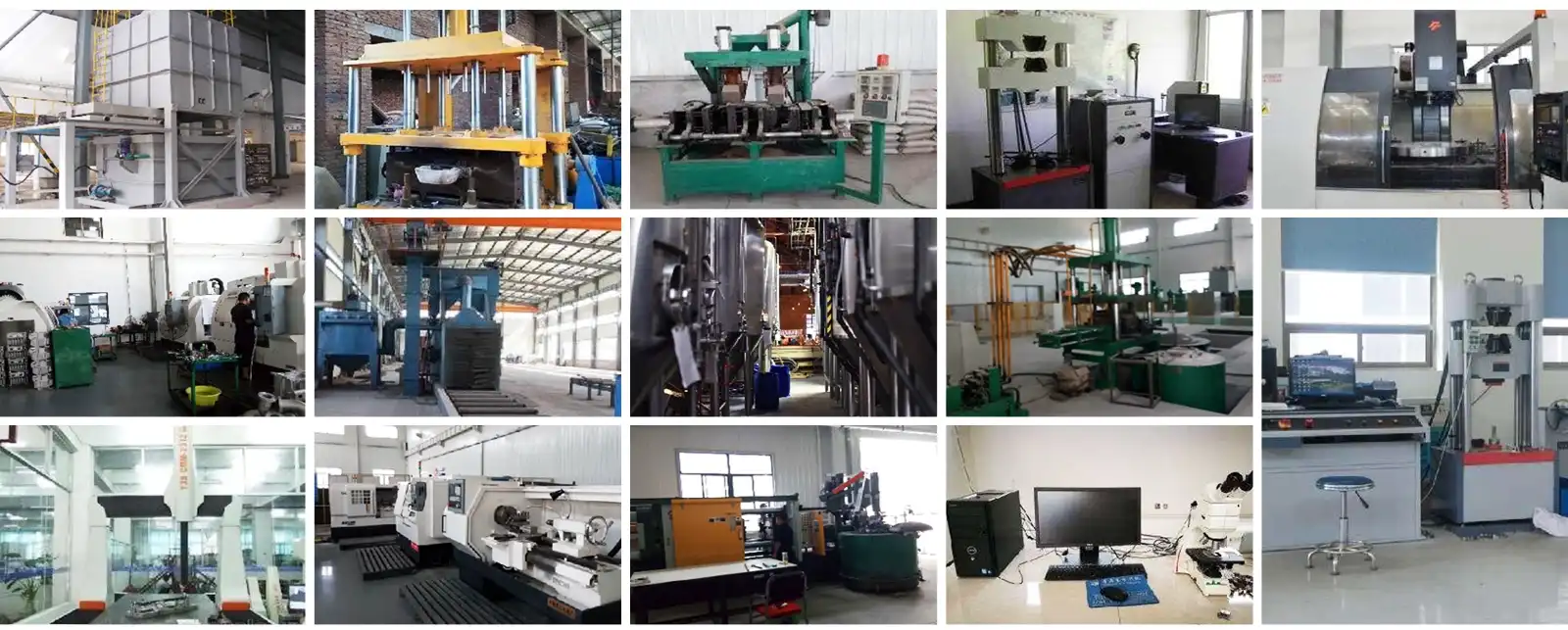
The first thing to do is to look over the stuff. If the project needs it, the supplier should be able to name the alloy that was asked for and give it to them with the right papers.
The second step is to make sure the casting is good. Visual inspection, measurement checks, and other non-destructive or lab tests that are needed for the part and application can be part of this. The best way to check something depends on what the customer needs in terms of technology and how it might break.
It's also very important to check the drilling. You should use the approved drawing or inspection plan to find the sizes of key holes, mounting surfaces, vital bores, and other useful parts.
Teams that buy things should know what checks need to be done before they can start making things. An important thing for a supplier to know is what measurements are needed, what tolerances apply, what material standard is needed, and what inspection records need to be sent with the shipment.
How to Choose a Casting Engine Bearing Supplier?
If you want to choose a provider, you shouldn't just compare unit prices. The provider needs to show that it can handle the paperwork, inspection, casting, and machining all as part of a single production process.
The provider should have worked with the alloy and casting method needed for the project before. This is a good first question to ask. Saying you can work with metal in general isn't as useful as saying you know how to do aluminum alloy sand casting.
After that, you should think about being able to machine. If a provider makes a good casting, it might still be hard to get the mounting or bore spot just right. Check out their CNC equipment, inspection equipment, process controls, and sample inspection records to get a better idea of what things they can do.
How regular the production is is another important thing to think about. When you make a lot of something, just because one sample works well doesn't mean that all of them will. It is important for buyers to know how the supplier handles process parameters, materials that come in, inspections that happen during production, inspections that happen at the end of the process, and products that don't meet standards.
Having proof is also important. When buying things, teams may need different types of papers, such as certificates for materials, reports on dimensional checks, production records, and so on.
Rongbao Enterprise for Cast Engine Bearing Components
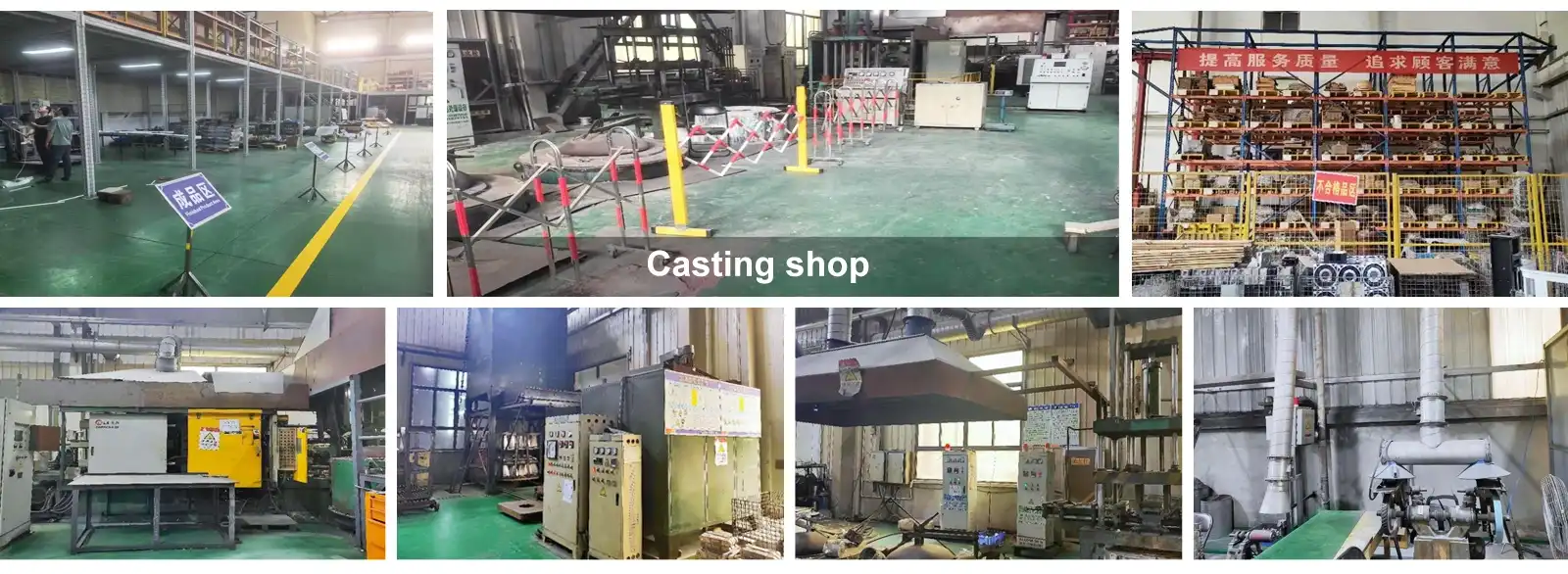
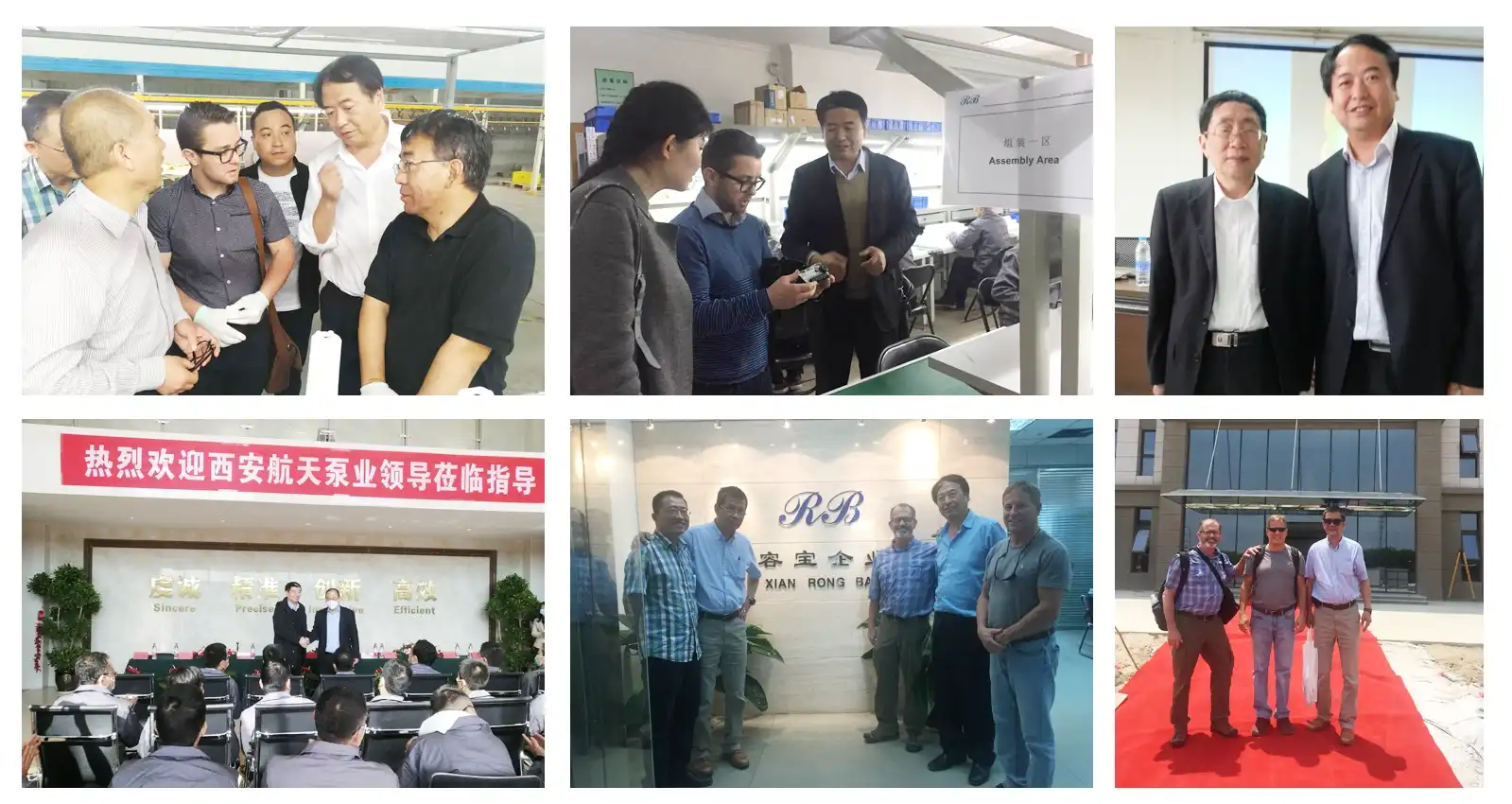
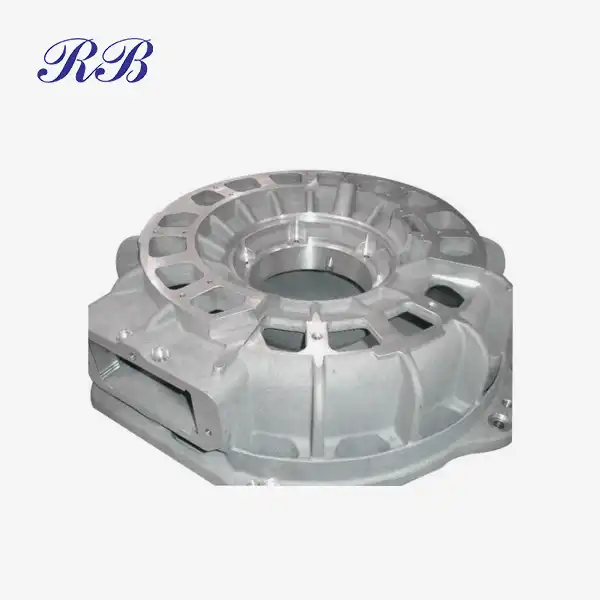
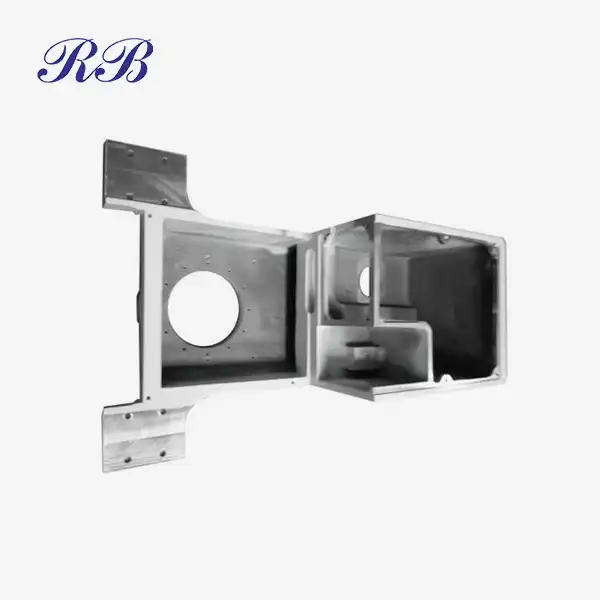
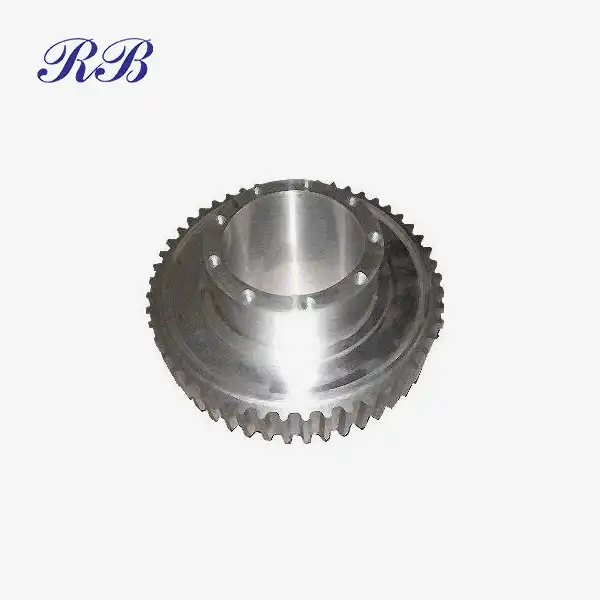
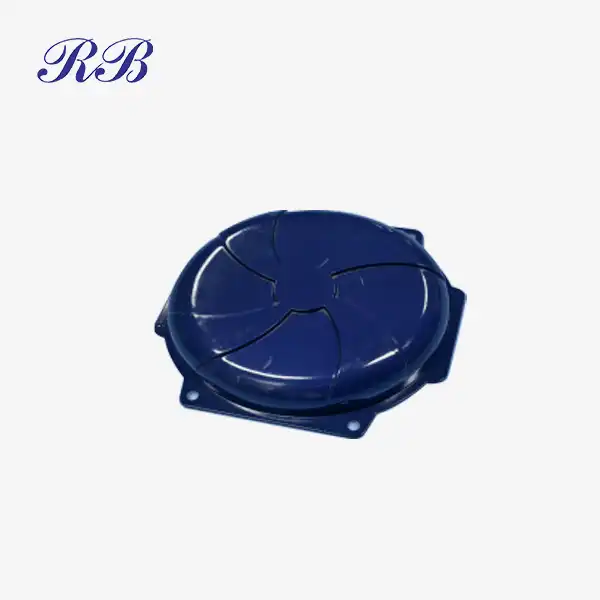
It has been Rongbao Enterprise's business since 2003 to precisely handle and cast aluminum alloys. It makes things by casting them and then CNC-machining them later for people who want to make or buy cast structural parts for machines and engines.
The company can use aluminum alloys like ZL101A to make casting engine bearing parts as long as they meet the customer's design standards. Sand casting gives the part its shape, and CNC machining sets the key interfaces and dimensions shown on the engineering drawing.
This unified method is important for parts that have to do with bearings because you can't look at casting quality and machining accuracy individually. In order for the casting to be helpful, it needs to be precisely machined at the bearing bore, mounting faces, and other places.
OEM and ODM changes can also be made by Rongbao Enterprise. This lets customers send in drawings, samples, specifications, or other technical data for manufacturing that is specific to a job. Because each project is different, we can look over important requirements such as the alloy grade, casting method, machining tolerances, surface treatment, inspection requirements, and packaging.
ISO 9001:2015 is a part of the quality control system at the company. ISO 14001 is about making sure workers are healthy and safe at work, and ISO 45001 is about taking care of the environment. If you want to find a long-term supplier, these certifications can help you see that the business has good management processes in place. But they should be looked at along with the company's real manufacturing skills and project-specific inspection papers.
Conclusion
A bearing system in an engine controls the pressure, friction, lubrication, heat, and alignment of parts that move in the engine while holding them in place. Machining and casting are both important steps in the making process when the part has a housing or support made of cast metal. It's not enough to use the right metal and casting method to make a casting engine bearing that works. The supplier is also in charge of the final inspection, the accuracy of the work, the quality of the casting, and the work that goes into the bearings.
People who want to buy something should look at the whole process of making it. Before putting an order, you should think about things like certification of the material, the ability to cast, CNC machining, checking the dimensions, making sure the output is consistent, and communicating technically. When makers connect these factors to the needs of the engine design, they can pick cast bearing parts that fit well, work well structurally, and can be used over and over again for long-term production.
To inquire about our ZL101A aluminum alloy casting solutions or to discuss your specific engine component needs, please contact our expert team today. You may reach us via email at steve.zhou@263.net or zhouyi@rongbaocasting.com. Partner with Rongbao Enterprise to ensure the reliability and longevity of your mechanical systems.
References
- Hamrock, B. J., Schmid, S. R., & Jacobson, B. O. (2004). Fundamentals of Fluid Film Lubrication. CRC Press.
- Stachowiak, G. W., & Batchelor, A. W. (2013). Engineering Tribology. Butterworth-Heinemann.
- Khonsari, M. M., & Booser, E. R. (2017). Applied Tribology: Bearing Design and Lubrication. John Wiley & Sons.
- Dowson, D. (1998). History of Tribology. Professional Engineering Publishing.
- ASM International. (2002). ASM Handbook: Friction, Lubrication, and Wear Technology (Vol. 18). ASM International.
Learn about our latest products and discounts through SMS or email