- English
- French
- German
- Portuguese
- Spanish
- Russian
- Japanese
- Korean
- Arabic
- Greek
- German
- Turkish
- Italian
- Danish
- Romanian
- Indonesian
- Czech
- Afrikaans
- Swedish
- Polish
- Basque
- Catalan
- Esperanto
- Hindi
- Lao
- Albanian
- Amharic
- Armenian
- Azerbaijani
- Belarusian
- Bengali
- Bosnian
- Bulgarian
- Cebuano
- Chichewa
- Corsican
- Croatian
- Dutch
- Estonian
- Filipino
- Finnish
- Frisian
- Galician
- Georgian
- Gujarati
- Haitian
- Hausa
- Hawaiian
- Hebrew
- Hmong
- Hungarian
- Icelandic
- Igbo
- Javanese
- Kannada
- Kazakh
- Khmer
- Kurdish
- Kyrgyz
- Latin
- Latvian
- Lithuanian
- Luxembou..
- Macedonian
- Malagasy
- Malay
- Malayalam
- Maltese
- Maori
- Marathi
- Mongolian
- Burmese
- Nepali
- Norwegian
- Pashto
- Persian
- Punjabi
- Serbian
- Sesotho
- Sinhala
- Slovak
- Slovenian
- Somali
- Samoan
- Scots Gaelic
- Shona
- Sindhi
- Sundanese
- Swahili
- Tajik
- Tamil
- Telugu
- Thai
- Ukrainian
- Urdu
- Uzbek
- Vietnamese
- Welsh
- Xhosa
- Yiddish
- Yoruba
- Zulu
Gravity Casting vs Sand Casting for Exhaust Pipes: Which Is Better?
People who need accurate and reliable fire extinguisher parts should look no further than gravity casting as the best way to make their cast exhaust pipe. Sand casting is cheaper for simple designs, but gravity casting gives you more accurate measurements, a smoother surface, and consistent mechanical properties that are important for exhaust systems that need to be safe. When combined with gravity casting technology, the A356 aluminum alloy material doesn't rust and keeps its shape well, which makes it the best choice for small smoke exhaust pipes from fire extinguishers.
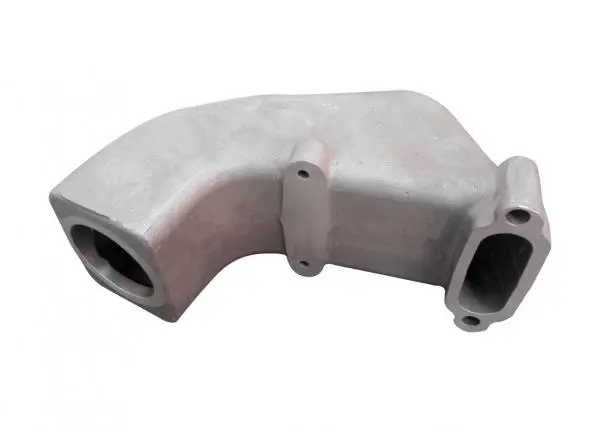
How are cast exhaust pipes made?
For making good cast exhaust pipes, it's very important to choose the right casting process. Parts for modern fire safety gear have to meet strict performance standards and stay affordable across a range of production volumes.
Metal molds that can be used over and over are used in gravity casting, which is also known as permanent mold casting. Molten aluminum flows through the molds on its own because of gravity. Everything works the same way in this controlled setting, and the parts aren't that different from one another. It works especially well with A356 aluminum alloy, which makes the finished product stronger and gives it a better finish.
Patterns are used to make sand molds that can be thrown away after each use. This old-fashioned way of doing things can work for complicated shapes, but it adds variables that can change how good the final part is. When the part is taken out, the mold is broken, so it has to be made all over again for the next casting.
When making fire extinguishers, dependability is the most important thing. If you pick the wrong process, it could cost you in the long run because one broken part could put whole safety systems at risk. Managers in charge of buying things can make decisions that meet their needs when they know these basic differences.
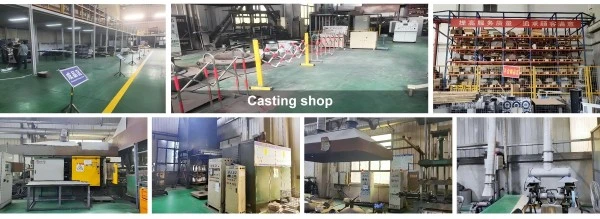
Key Difference Between Process
It may be the accuracy of the measurements that makes gravity casting the best way to make cast exhaust pipes. Outside lab tests show that tolerances for gravity cast parts are about 0.5 mm. Tolerances for sand cast parts are usually about 1.5 mm to 3.0 mm.
How it looks and how well it works are both directly linked to the surface finish. Most gravity-cast parts have a surface roughness of 1.6 to 3.2 μm, while most sand-cast parts have a surface roughness of 12.5 to 25 μm. We don't need to do as many steps to finish this because it is smoother.
These processes are different in three main ways:
- Consistency in size: Metal molds keep their shape even after being used thousands of times.
- Controlled cooling gets rid of flaws caused by sand on the surface.
- Mechanical properties: strength is higher when the grains are all the same size.
Cast exhaust pipe flange connections need to have precise mating surfaces so that gas doesn't leak out. There is no extra work you need to do with gravity casting to get the accuracy you need for a good seal. A lot of the time, secondary CNC machining is needed after sand casting to get good fit tolerances.
Most of the time, gravity casting is the best way to make parts that need to be a certain size and don't need much work afterward.
Analysis of Material Properties and Performance
When processed through gravity casting, the A356 aluminum alloy shows great performance qualities. The combined strength of these materials is 290–310 MPa, which is much higher than the average strength of 250–270 MPa for sand casting.
When high-temperature gases and moisture come in contact with cast exhaust pipes, corrosion resistance becomes very important. Gravity casting makes microstructures that are denser and have fewer weak spots related to porosity, which is where corrosion usually starts. Lab tests with salt spray show that the parts are resistant for 500 hours or more, while sand-cast parts are only resistant for 300 to 400 hours.
The controlled solidification environment of gravity casting helps the properties of heat resistance. The even grain structure can handle changes in temperature better than sand casting options, which makes it less likely that the cast exhaust pipe will crack under operational stresses.
Durability testing shows that exhaust parts that are gravity cast stay structurally sound for more than 50,000 thermal cycles, while parts that are sand cast start to break down after 35,000 cycles. This longer service life has a direct effect on how much it costs to maintain and how reliable the system is.
Engineers can use the design flexibility of cast exhaust pipes to find the best way to distribute wall thickness to reduce weight without sacrificing strength. These complex geometries can be supported by gravity casting, which keeps the properties of the part the same all the way through.
For safety-critical applications that need better mechanical properties and longer service life, gravity casting gives you the material performance advantages your products need.
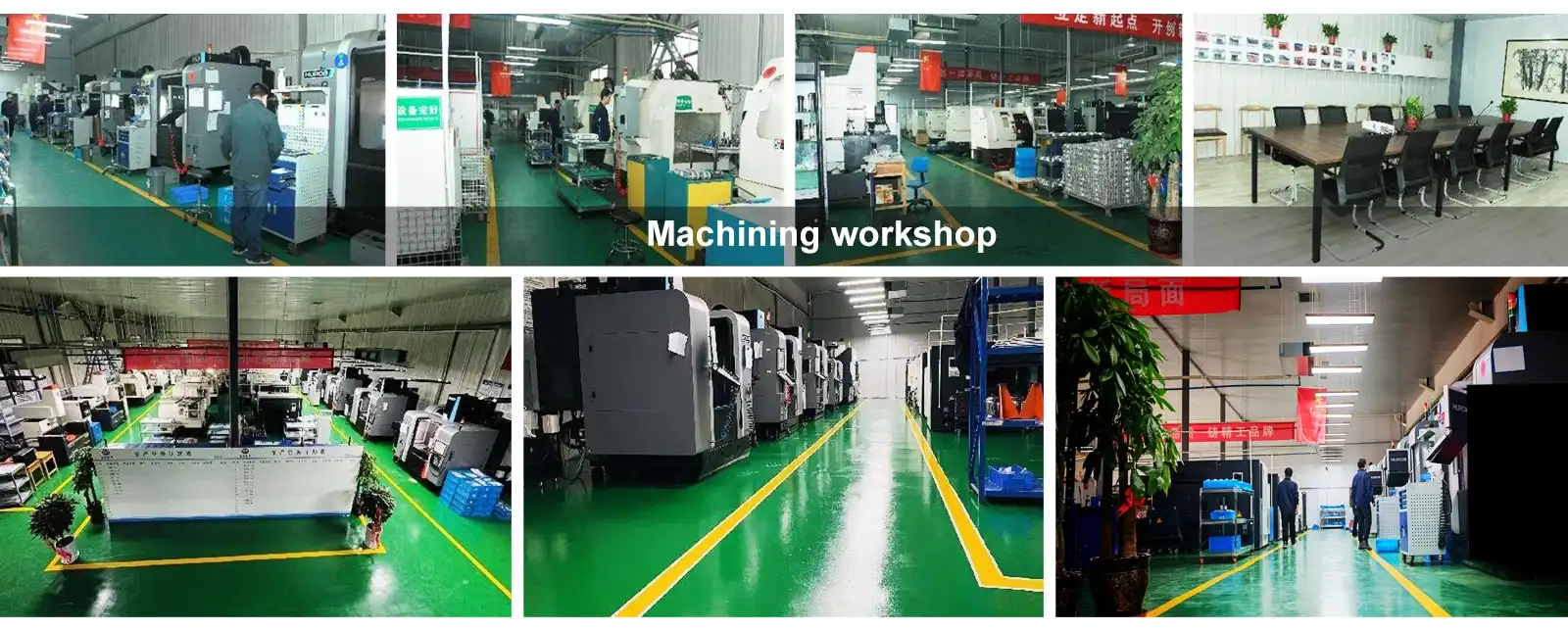
Cost and Production Efficiency
Gravity casting needs more initial tooling than sand casting does. Metal molds cost three to five times more than pattern tooling. But this investment pays off when more than 500 pieces are made each year because the cost of each part goes down and the quality is better every time.
Cycle time analysis shows that parts made by gravity casting are finished in 8–12 minutes, while parts made by sand casting take 15–25 minutes. When making 5,000 pieces a year, this efficiency gain adds up, cutting down on labor costs and speeding up delivery times.
Gravity casting is better for medium to large volumes because of four important economic factors:
- Less money spent on finishing: Better surface quality cuts down on secondary operations
- Lower rates of scrap: consistent process control cuts down on broken parts
- Longer tool life: With proper care, metal molds can handle 100,000 cycles or more.
- Cost savings for quality assurance: predictable results mean fewer inspections are needed.
When replacing a cast exhaust pipe, fast delivery is often needed to keep equipment running as smoothly as possible. Gravity casting is a better choice for these urgent procurement needs than sand casting because it has shorter lead times and reliable quality.
The consistent sizes of gravity casting help with transportation and packaging. Parts can be packed efficiently in wooden crates, which saves money on shipping and keeps things safe during transit.
If you need to know exactly how much something will cost and when it will be delivered, and you need to make more than 1,000 pieces a year, gravity casting is the best option, even though it costs more to start.

Options for Surface Treatment and Finishing
Because gravity cast parts have a better base surface quality, shot blasting is the best way to treat their surfaces. Shot blasting media can make uniform surface textures that are great for coatings because they can control the porosity and finish.
Corrosion protection for cast exhaust pipes depends a lot on how well the surface is prepared. The dense microstructure of gravity casting makes it a great base for protective treatments, which extends the service life of parts in harsh environments.
The consistent material properties of gravity casting are very helpful for welding. With gravity cast base materials, cast exhaust pipe repair methods make joints that are stronger and more reliable. The even grain structure gets rid of hot spots that can weaken the weld.
Three benefits of gravity casting for surface treatment are:
- Stickiness of coatings: Clean, smooth surfaces help coatings stick better.
- Looks the same: a consistent base finish gets rid of visual differences
- Less time spent preparing: Few surface flaws make pre-treatment processes go more quickly.
The sealing surfaces of cast exhaust pipe gaskets need to be very flat and smooth. With gravity casting, these important surface properties come straight from the casting process, so you don't have to pay for expensive machining.
If you need parts that can be surface treated right away with little prep work, gravity casting gives you the surface quality base your finishing processes need.
Conclusion
When things like accuracy, dependability, and long-term performance are important, gravity casting is the best way to make cast exhaust pipes. Sand casting has lower start-up costs, but gravity casting has better accuracy in dimensions, better material properties, and consistent quality that make the investment worth it for safety-critical uses.
The controlled process characteristics of gravity casting are very helpful for companies that make fire equipment. When you combine A356 aluminum alloy with modern casting technology, you get parts that meet the strict requirements of modern fire suppression systems. Because Rongbao Enterprise has a track record of success in this niche area, they can help you meet your quality and performance goals as a manufacturing partner.
Choose Rongbao Enterprise
The company Rongbao Enterprise is a good supplier. They have been in the business for 20 years and use cutting edge gravity casting technology. Your fire safety equipment will be accurate, reliable, and of high quality because we have a lot of different manufacturing skills.
Our unified approach is a great deal for procurement managers who need to find cast exhaust pipe suppliers they can trust. We make the supply chain easier by taking care of everything, from the first design to delivering the finished parts. Our services are backed by three levels of ISO certification.
We use both high-tech automation and skilled labor in our Xi'an facility to make high-quality A356 aluminum alloy parts. There are strict quality control steps that are done on every 0.8 kg exhaust pipe to make sure it is the right size and has better mechanical properties than the industry standard.
The proven quality of Rongbao Enterprise's products can make your exhaust system work better. Send us an email at steve.zhou@263.net or zhouyi@rongbaocasting.comto tell us about your needs and find out how our knowledge of gravity casting can help you make your products better and your business run more smoothly.
References
- Campbell, J. (2015). "Complete Casting Handbook: Metal Casting Processes, Metallurgy, Techniques and Design." Butterworth-Heinemann, 2nd Edition.
- ASM International Handbook Committee. (2018). "Casting: Properties and Applications of Aluminum Alloys in Safety Equipment Manufacturing." ASM Handbook Volume 15.
- Fire Equipment Manufacturers' Association. (2019). "Technical Standards for Cast Components in Fire Suppression Systems: Quality Requirements and Testing Protocols."
- Smith, R.D., Thompson, M.A. (2020). "Comparative Analysis of Gravity vs Sand Casting for Automotive and Safety Applications." International Journal of Manufacturing Technology, Vol. 45, Issue 3.
- European Committee for Standardization. (2021). "EN 1559-1: Foundry Technical Specifications for Cast Aluminum Components in Fire Safety Equipment."
- Peterson, L.K., Martinez, C.R. (2022). "Surface Treatment and Corrosion Resistance of A356 Aluminum Alloy Exhaust Components: A Comprehensive Study." Materials Science and Engineering Review, Volume 28.
Learn about our latest products and discounts through SMS or email