- English
- French
- German
- Portuguese
- Spanish
- Russian
- Japanese
- Korean
- Arabic
- Greek
- German
- Turkish
- Italian
- Danish
- Romanian
- Indonesian
- Czech
- Afrikaans
- Swedish
- Polish
- Basque
- Catalan
- Esperanto
- Hindi
- Lao
- Albanian
- Amharic
- Armenian
- Azerbaijani
- Belarusian
- Bengali
- Bosnian
- Bulgarian
- Cebuano
- Chichewa
- Corsican
- Croatian
- Dutch
- Estonian
- Filipino
- Finnish
- Frisian
- Galician
- Georgian
- Gujarati
- Haitian
- Hausa
- Hawaiian
- Hebrew
- Hmong
- Hungarian
- Icelandic
- Igbo
- Javanese
- Kannada
- Kazakh
- Khmer
- Kurdish
- Kyrgyz
- Latin
- Latvian
- Lithuanian
- Luxembou..
- Macedonian
- Malagasy
- Malay
- Malayalam
- Maltese
- Maori
- Marathi
- Mongolian
- Burmese
- Nepali
- Norwegian
- Pashto
- Persian
- Punjabi
- Serbian
- Sesotho
- Sinhala
- Slovak
- Slovenian
- Somali
- Samoan
- Scots Gaelic
- Shona
- Sindhi
- Sundanese
- Swahili
- Tajik
- Tamil
- Telugu
- Thai
- Ukrainian
- Urdu
- Uzbek
- Vietnamese
- Welsh
- Xhosa
- Yiddish
- Yoruba
- Zulu
Zinc Die Casting Vs. Aluminum Die Casting: What Are The Differences
If you want to buy the right metal for making precise parts, you need to know the main differences between die casting zinc and aluminum. With customized zinc die casting, molten zinc alloy is pressed very hard into special steel molds to make one-of-a-kind, very accurate metal parts. For this reason, it is possible to make complex shapes with tight tolerances and built-in resistance to corrosion. Die casting aluminum is a light option that is strong for its weight and good at moving heat around. There are pros and cons to both processes when it comes to cost, performance, and how quickly they can be made. Many different fields use them, from making parts for cars to using them in spacecraft.
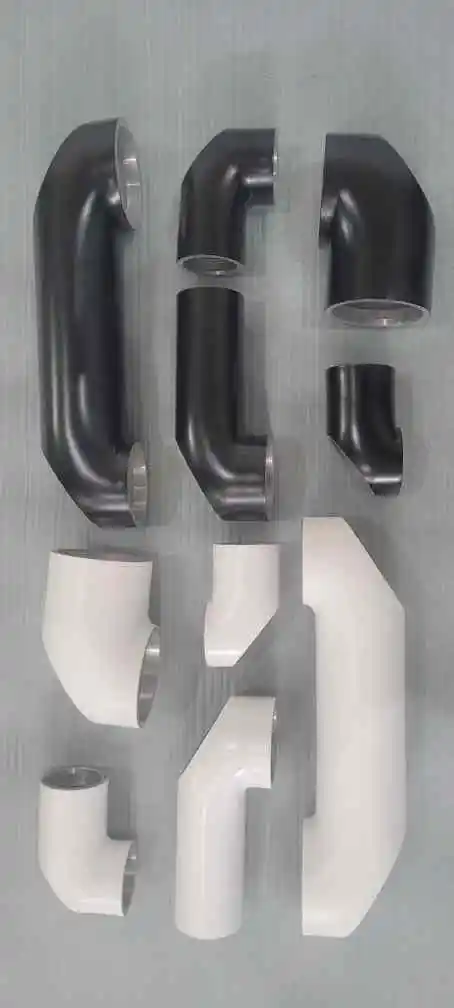
Zinc and Aluminum Die Casting — Materials and Processes
Physical and Chemical Properties of Zinc Alloys
Because of the way they are made, zinc alloys are perfect for making precise things. The size and shape of the material don't change much, even when it's shaped in complicated ways. Zinc naturally doesn't rust because when it comes in contact with air, it can form protective oxide layers. This built-in protection means that the production process can be sped up by not having to do as many post-processing steps.
This means that zinc alloys have a density of 6.6 to 7.1 g/cm³. This makes them heavy but still easy to work with. This is because zinc melts at about 419°C (786°F), which means that less energy is needed to cast it. Running it costs less and lasts longer because it melts at a lower temperature. This makes it a great choice for making a lot of things.
Aluminum Alloy Characteristics and Benefits
Alloys made of aluminum are useful because they are light and can keep temperatures in check. Zinc and aluminum parts of the same size and shape weigh about 60% more than aluminum parts of the same size and shape. This is because zinc parts are denser than aluminum parts. This weight loss is very important in the aerospace and automotive industries, where every gram counts when it comes to performance and gas mileage.
Because it moves heat around better than most other die-casting materials, aluminum is a great material for getting rid of heat. Aluminum has a natural oxide layer that keeps it from rusting, but it's not as strong as zinc's. The material stays strong at different temperatures, which makes it useful for tasks that need to be able to handle changes in temperature.
Process Comparison and Manufacturing Differences
For die casting zinc and aluminum, the metal needs to be at very different temperatures and flows in very different ways. Because zinc melts more slowly, injection speeds can be slowed down. This helps the mold fill better and lowers the turbulence. This controlled flow pattern makes it possible for wall sections to be as thin as 0.3 mm and reduces the number of flaws.
Around 660°C (1220°F) is the temperature at which aluminum needs to be worked with. This means that die materials and cooling systems need to be stronger. For aluminum casting, higher injection pressures are needed. This can make it easier to make complex shapes, but it can also lead to great surface finishes. Zinc casting often has shorter lead times because it has faster cycle times and doesn't need to be controlled at high temperatures as much.
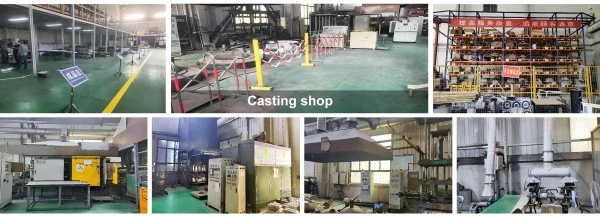
Comparative Analysis: Zinc Die Casting Vs. Aluminum Die Casting
Mechanical Performance and Durability Assessment
Most zinc alloys have tensile strengths between 263 and 317 MPa, and they can handle being hit and worn down very well. Since the material is bendable, it can be used for tasks like threading and staking after it has been cast without breaking. Zinc doesn't change shape over time, which is important for precise parts that need to always work the same way.
The ratio of strength to weight is higher for aluminum alloys. You can stretch them up to 290 to 325 MPa, but they are much lighter. Aluminum is very stiff because it has a high elastic modulus. This makes it useful for supporting structures when they are being loaded and unloaded quickly. You can heat treat aluminum in ways that make its mechanical properties even better, but they are harder to work with and cost more.
Cost Structure and Economic Considerations
A lot of different things affect the prices of raw materials around the world. But zinc usually costs less per pound than aluminum. But because it is denser than steel, aluminum usually gives you more parts for every pound of material you buy. The cost of tools for zinc applications is usually lower because they work at lower temperatures and wear dies less often.
The two materials use a lot of energy in very different ways. Customized zinc die casting uses about 30% less energy than aluminum processes because the melting point is lower and there is less need for cooling. This saves energy, which means lower costs to run the business, which is very important for making many things. Because zinc casting doesn't have strict order minimums, it can better meet the needs of smaller batches at a lower cost.
Production Efficiency and Quality Control Metrics
Cycle times are better for zinc casting because they allow for faster cooling rates and easier temperature control. Time between cycles for casting zinc is usually 20 to 45 seconds. Depending on the part, time between cycles for casting aluminum can be 45 to 90 seconds. This difference in productivity changes both the total number of things that can be made and the date by which they need to be delivered.
When checking for quality, each material shows up in a different way. Zinc casting is better at filling molds, which means it makes fewer defects with holes. This means that fewer things are turned down and need to be processed again. For aluminum casting, we need more advanced ways to check the quality, like non-destructive testing protocols. When it comes to tight tolerances and complicated parts, zinc is often the best metal for uses where the size needs to stay the same.

Typical Applications and Industry Use Cases
Zinc Die Casting Applications Across Industries
Customized zinc die casting is great for uses in cars that need to be accurate and last a long time. Zinc is good for housing electronic control modules because it can stop electromagnetic waves and keep its shape. Zinc is used in door handles, decorative trim, and small mechanical parts because it doesn't rust and has a smooth surface.
In the electronics business, zinc die casting is often used to make heat sinks, shielding parts, and speaker housings. Most of the time, the material doesn't need any extra treatments because it can naturally block EMI and RFI signals. Hardware parts like locks, hinges, and decorative elements show that zinc can hold tight tolerances and handle complex surface treatments.
Aluminum Die Casting Market Applications
Aluminum is used a lot in spacecraft because it is strong for how light it is and doesn't break down when it gets hot. Aluminum can handle places with a lot of stress while keeping the weight of the system low. Parts of the engine, the transmission housing, and the structural brackets all show this.
More and more, engine blocks, transmission cases, and suspension parts for cars are made out of aluminum. It is very important for cooling engines and making brake parts that the material can transfer heat. Aluminum is useful in consumer electronics because it can get rid of heat. This is especially true for laptop cases, smartphone frames, and LED lighting assemblies.
Industry-Specific Case Studies and Performance Outcomes
A big Tier-1 auto supplier switched from aluminum to zinc for battery housing parts for electric cars. The switch made the parts lighter by getting rid of the need for a secondary coating. It also kept the parts safe from corrosion. Making things cost 22% less because they were made faster and didn't need to be maintained as often.
A company that makes aerospace parts chose aluminum die casting for the structure of unmanned aerial vehicles (UAVs) because it was 40% lighter than traditional steel fabrication. The integrated design got rid of 12 screws and three separate pieces, which made it easier to put together and made the structure stronger. These real-life examples show how picking the right materials can change how well something works and how much it costs to make.
Conclusion
You can choose zinc or aluminum die casting based on the application, the amount of production you need, and the performance you value the most. Customized zinc die casting is the best way to make parts with complicated shapes because it saves money, makes the sizes more accurate, and doesn't rust as often. Die casting aluminum is the best way to get the best strength-to-weight ratio. It can also handle heat well and be recycled. When you know these basic differences, you can make choices that make the product work better and cost less to make. When picking the right material for a job, you should carefully consider how it will be used, how it can be made, and your long-term goals for sustainability.
Partner with Rongbao Enterprise for Your Die Casting Solutions
If you need help with die casting, Rongbao Enterprise is here for you. They do many different kinds of manufacturing, such as high-pressure die casting, precise machining, and other services that make things better. Our ISO 9001, ISO 14001, and ISO 45001 certifications show that we follow quality standards. Also, we have 20 years of experience in the field, which means that you can trust us to complete projects. Our customized zinc die casting supplier helps top OEMs in the US, Europe, and Asia. We provide full solutions that include everything from making designs better to making finished parts. We have fair prices, and our technical team can help you pick the right materials. They will also make sure that our production capacity can be changed to meet your needs. Send an email to steve.zhou@263.net or zhouyi@rongbaocasting.com to talk about your project and get a full quote. We offer precision casting services.
FAQ
What are typical lead times for customized zinc die casting projects?
Lead times for customized zinc die casting projects usually have lead times of 3 to 6 weeks for tooling development and 2 to 4 weeks for production runs, depending on the complexity of the part and the number of orders placed. When orders need to be filled quickly, faster tooling processes can often help.
How does corrosion resistance compare between zinc and aluminum die castings?
Zinc die castings are less likely to rust because they naturally make a protective oxide and are good at sticking to coatings. Even though aluminum doesn't rust easily, the surface may need extra care in harsh conditions.
Can I order samples before committing to bulk production?
You can get samples from most reputable suppliers by using prototype molds or tools that have already been made. Sample orders help make sure that the design needs and choice of materials are right before going ahead with full production.
What minimum order quantities are typical for each material?
Zinc die casting often accommodates smaller minimum orders (1,000 to 5,000 pieces) due to faster setup and changeover capabilities. Aluminum casting typically requires higher minimums (5,000 to 10,000 pieces) to achieve cost-effectiveness.
How do secondary operations differ between zinc and aluminum castings?
Zinc castings are great for threading, plating, and milling because the metal is so good. With the right tools, you can machine aluminum. It also works great for anodizing and powder coating.
References
- American Die Casting Institute. "Zinc Die Casting Design Manual: Engineering Guidelines and Best Practices." 4th Edition, 2023.
- Metals Handbook Committee. "Die Casting: Properties, Processes, and Applications." ASM International Materials Engineering Series, 2022.
- International Die Casting Association. "Comparative Analysis of Zinc and Aluminum Alloys in High-Pressure Die Casting Applications." Technical Research Report, 2023.
- Society of Manufacturing Engineers. "Sustainable Die Casting Practices: Environmental Impact Assessment of Zinc and Aluminum Processing." Manufacturing Engineering Journal, Vol. 45, 2022.
- Automotive Industry Action Group. "Material Selection Guidelines for Automotive Die Casting Applications: Performance and Cost Optimization Strategies." AIAG Technical Publication, 2023.
- Die Casting Engineer Magazine. "Advances in Die Casting Technology: Process Optimization and Quality Control Methods." Annual Industry Review, 2022.
_1751078338779.webp)
Learn about our latest products and discounts through SMS or email