- English
- French
- German
- Portuguese
- Spanish
- Russian
- Japanese
- Korean
- Arabic
- Greek
- German
- Turkish
- Italian
- Danish
- Romanian
- Indonesian
- Czech
- Afrikaans
- Swedish
- Polish
- Basque
- Catalan
- Esperanto
- Hindi
- Lao
- Albanian
- Amharic
- Armenian
- Azerbaijani
- Belarusian
- Bengali
- Bosnian
- Bulgarian
- Cebuano
- Chichewa
- Corsican
- Croatian
- Dutch
- Estonian
- Filipino
- Finnish
- Frisian
- Galician
- Georgian
- Gujarati
- Haitian
- Hausa
- Hawaiian
- Hebrew
- Hmong
- Hungarian
- Icelandic
- Igbo
- Javanese
- Kannada
- Kazakh
- Khmer
- Kurdish
- Kyrgyz
- Latin
- Latvian
- Lithuanian
- Luxembou..
- Macedonian
- Malagasy
- Malay
- Malayalam
- Maltese
- Maori
- Marathi
- Mongolian
- Burmese
- Nepali
- Norwegian
- Pashto
- Persian
- Punjabi
- Serbian
- Sesotho
- Sinhala
- Slovak
- Slovenian
- Somali
- Samoan
- Scots Gaelic
- Shona
- Sindhi
- Sundanese
- Swahili
- Tajik
- Tamil
- Telugu
- Thai
- Ukrainian
- Urdu
- Uzbek
- Vietnamese
- Welsh
- Xhosa
- Yiddish
- Yoruba
- Zulu
Zinc Die Casting | Process, Materials, Benefits, Applications
Zinc die casting represents a sophisticated manufacturing technique that transforms molten zinc alloys into precision-engineered components through high-pressure injection into steel molds. Customized zinc die casting creates unique, high-precision metal parts by forcing molten zinc alloy into custom steel molds under high pressure, allowing for complex shapes, thin walls, and tight tolerances. This process delivers inherent corrosion resistance and exceptional durability, often incorporating secondary operations like CNC machining and plating for enhanced functionality and aesthetics. Manufacturing flexibility ranges from lightweight components weighing mere grams to substantial parts exceeding 100 pounds, making it invaluable across industries from automotive to electronics.
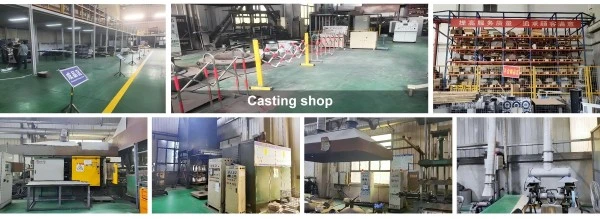
Understanding Zinc Die Casting and Its Process
When it comes to making high-quality metal parts, zinc die casting is one of the most reliable methods. Under very high pressure, usually between 1,500 and 25,000 psi, molten zinc alloy is injected into precisely machined steel molds using this advanced method. The process lets manufacturers make complex geometries with very good surface finish and accuracy of dimensions.
The Complete Die Casting Process
The process of zinc die casting is organized in a way that makes sure the quality and accuracy are always the same. Mold design is the first and most important step. This is where engineers make custom tools based on the specifications of the part and the needs of production. The construction of the mold is made of hardened tool steel that can withstand thousands of cycles without losing its shape.
Controlling the temperature is very important for the whole process. Zinc alloys usually melt at temperatures between 787°F and 1,200°F, but this depends on the make-up of the alloy. The molten metal is injected at carefully controlled speeds, usually between 1 and 10 meters per second. This makes sure that the whole cavity is filled without any turbulence that could cause problems.
Zn has great thermal conductivity, which means that it cools and solidifies quickly. This quick cooling cycle cuts down on production time and helps fine grain structures form, which improves the material's mechanical properties. For most parts, the whole cycle of injection and cooling takes between 30 and 60 seconds.
Quality Control and Defect Prevention
Best practices in the industry stress proactive defect prevention over reactive quality measures. Some common flaws in casting are porosity, cold shuts, flash, and differences in size. When air or gases get trapped during injection, they cause porosity. Cold shuts happen when metal flows meet without properly fusing.
Advanced quality control systems keep an eye on important factors like cycle timing, injection pressure, and temperature profiles. Real-time data collection lets changes be made right away to keep processing conditions at their best. Non-destructive testing methods, like X-ray inspection and ultrasonic testing, make sure that the inside of something is sound for important uses.
Materials and Design Tips for Zinc Die Casting Parts
Choosing the right zinc alloy has a big effect on how well parts work, how efficiently they are made, and how much the whole project costs. Zamak 3, Zamak 5, and ZA-8 are the zinc alloys that are most often used. Each has its own unique mechanical and physical properties that make it good for different uses.

Zinc Alloy Properties and Selection
Zamak 3 is great for making decorative hardware and small mechanical parts because it is very stable in terms of size and strength. Zamak 5 is good for casting and has higher strength and hardness. It can be used in industrial and automotive settings. The strength-to-weight ratio of ZA-8 is better, but it needs to be handled more carefully because it contains more aluminum.
Corrosion resistance is one of the main reasons why zinc alloys are better than ferrous materials. The formation of the natural oxide layer protects the metal below from damage from the environment, which increases the service life of the component. Adding more surface treatments, such as plating, powder coating, or anodizing, can make something even safer and look better.
Design Optimization Strategies
The best way to design customized zinc die casting parts is to make them as easy to make as possible while keeping production costs as low as possible. Uneven wall thickness stops different cooling rates that can lead to warping or stress concentration. Depending on the size and complexity of the part, the minimum wall thickness that is recommended is between 0.04 and 0.06 inches.
Draft angles make it easier for parts to come out of the mold cavity without getting damaged. Draft angles are usually between 0.5 and 3 degrees, but bigger angles are better for surfaces with a lot of texture or deeper holes. Fillet radii at the inside corners spread out stress and make it easier for metal to flow during filling.
These design principles help manufacturers find the best balance between how well something works, how it looks, and how cheap it is to make.
Comparative Analysis with Alternative Materials
There are a few main differences between zinc die casting and aluminum alternatives. Because they shrink and expand less when heated and cooled, zinc alloys are better at keeping their measurements. Aluminum is stronger for its weight, but it needs to be worked with at higher temperatures and the materials used to make tools are more expensive.
A cost analysis shows that zinc is better at making tools last longer and cutting down on cycle time. When processing zinc instead of aluminum, the lower melting temperature saves energy and makes molds last longer. Aluminum, on the other hand, works better in high-temperature situations where zinc alloys might creep deform.
Benefits and Advantages of Customized Zinc Die Casting
The benefits of zinc die casting in manufacturing go far beyond its ability to make simple parts. Depending on the shape and size of the part, this process can usually achieve dimensional accuracy within ±0.002 to ±0.005 inches. This level of accuracy gets rid of or cuts down on secondary machining operations, which has a direct effect on the cost of production.
Production Efficiency and Economic Benefits
Optimizing the cycle time in zinc die casting lets a lot of products be made at once with consistent quality. Cycle times for most parts are between 30 seconds and several minutes for big, complicated parts. Automated systems can work nonstop with little oversight, which cuts down on labor costs and improves the consistency of production.
The economic analysis shows strong benefits for production runs with medium to high volumes. The initial investment in the tooling usually pays for itself in 10,000 to 50,000 parts, depending on how complicated the part is and how much it costs on the market. For customized zinc die casting projects, the minimum order quantity typically begins at 1,000 pieces, but smaller quantities may be possible for testing and development.
Lead times depend on how complicated the tools are and how the production schedule is set up. It usually takes 4 to 8 weeks to make a new tool, and production runs can start 2 to 3 weeks after the tool is finished. Rush orders may be taken, but there may be extra costs for faster service.
These increases in efficiency give procurement managers who want to improve the performance of the supply chain while keeping quality standards high direct competitive advantages.
Strategic Production Planning
Through economies of scale, bulk production strategies offer big savings on costs. At breaks in quantities of 10,000, 25,000, and 100,000 pieces, prices usually go down a lot. When managing inventory, things to think about are things like storage costs, how they affect cash flow, and how well they can predict demand.
Low-volume production runs are used for specific tasks or to test the market. Even though unit costs go up for smaller orders, the flexibility lets you respond quickly to changes in the market or to specific customer needs. Building long-term relationships with suppliers that are good for both sides through consistent volume commitments and joint efforts to make things better is what supplier partnership development is all about.
Choosing the Right Zinc Die Casting Supplier
Choosing a supplier is a big decision that affects the quality of the product, how quickly it is delivered, and the long-term success of the project. Technical skills, quality systems, production capacity, and financial stability are all important parts of a thorough evaluation. This methodical approach cuts down on risks while increasing value delivery.
Essential Qualification Criteria
Quality certifications are an objective way to show that a supplier is skilled and dedicated to doing a great job. ISO 9001 certification shows that quality management is being used in a systematic way, and industry-specific certifications like IATF 16949 confirm that quality standards for the automotive industry are being met. Environmental certifications, like ISO 14001, show that a company uses sustainable manufacturing methods.
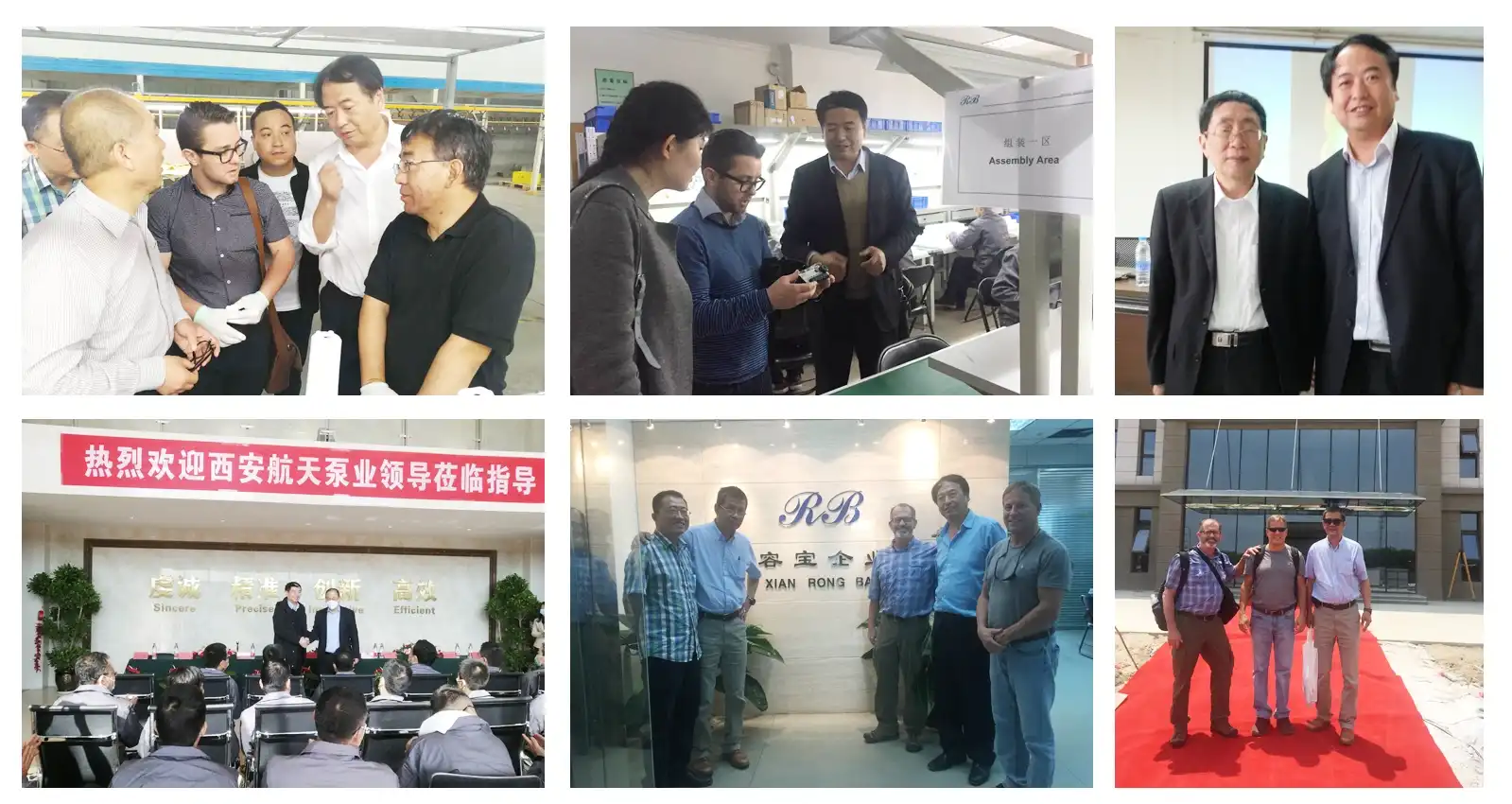
OEM partnerships and customer references are great ways to find out how a supplier has done in the past. Having long-term relationships with major manufacturers shows that you can consistently meet strict requirements. Customer reviews and case studies give specific examples of how well you can solve problems and give good technical support.
To figure out a factory's production capacity, you have to look at its equipment, its size, and the skills of its workers. Investing in technology and quality can be seen in modern facilities that have automated casting machines, CNC machining centers, and high-tech testing tools. Rates of capacity utilization help predict how reliable delivery will be and how quickly it will be able to meet urgent needs.
Supplier Evaluation and Partnership Development
Sample request processes let you see for yourself what a supplier can do before you commit to making production tools. Validating a prototype makes sure that the dimensions are correct, the surface finish is good, and the mechanical properties meet the requirements. Material certification documents check that the alloy's composition and properties are correct.
An evaluation of manufacturing capacity looks at more than just the availability of equipment. It also looks at engineering support, project management skills, and the ability to integrate the supply chain. The quality of technical support is especially important for complicated parts that need to be designed better or a new manufacturing process developed.
Logistics costs, the effectiveness of communication, and supply chain risk management are all affected by where things are located. When it comes to proximity and cultural familiarity, domestic suppliers are better, while international suppliers may offer lower costs and more specialized skills. China has become a major manufacturing hub, and its zinc die casting capacity and prices are among the best in the world.
These evaluation criteria help you choose a supplier in a way that supports the long-term success of the project and the resilience of the supply chain.
Applications and Future Trends of Zinc Die Casting
Zinc die casting is used in many different industries, and each one uses the material's unique properties to meet its own performance needs. Transmission parts, door handles, decorative trim, and electronic housings are all used in cars. Customized zinc die casting is perfect for parts that need to look the same because of its excellent dimensional stability and high-quality surface finish.
Industry-Specific Applications
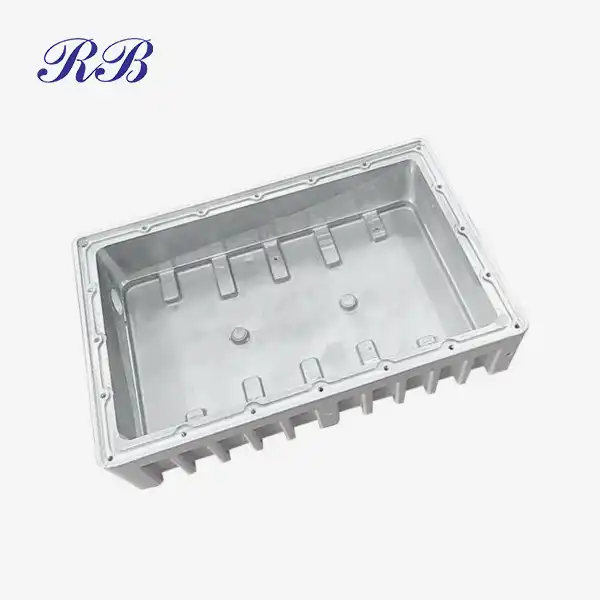
Zinc die casting is used by electronics companies to make heat sinks, EMI shielding enclosures, and connector housings. The electrical conductivity and thermal management properties of the material make it possible for electronic devices to work reliably. Zinc is useful for consumer electronics because it can be used to make thin walls that are still strong.
Door hardware, plumbing fixtures, and architectural parts are all examples of construction and hardware uses. Zinc can be used inside or outside because it doesn't rust naturally and can have different surface treatments applied to it. Because the material is strong, it will last for a long time, even in harsh environments.
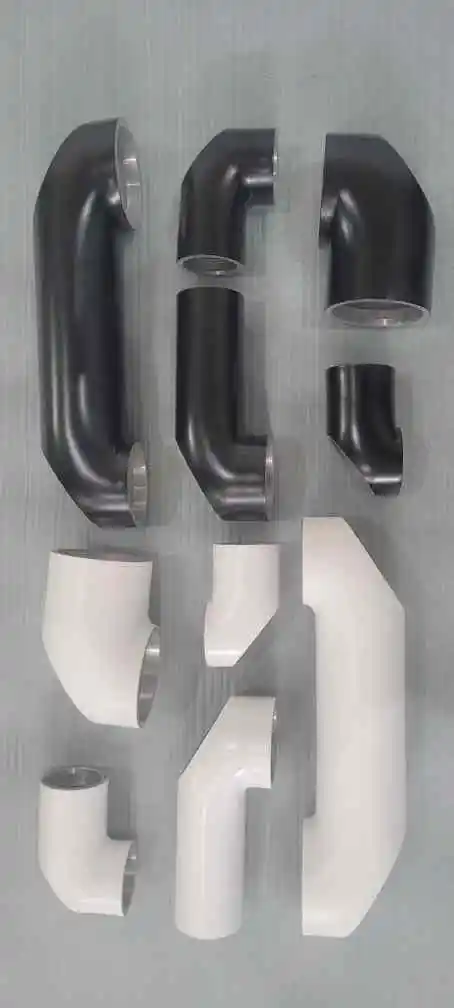
Zinc die casting is used by companies that make industrial equipment to make pump housings, motor parts, and precise mechanical parts. Accurate measurements, high mechanical strength, and low cost all work together to make equipment reliable while keeping production costs low.
Emerging Technology Trends
The main goals of modern zinc alloy development are to make them stronger and give them better performance. Trace elements are added to new alloys to improve certain properties, such as their resistance to wear or their ability to conduct heat. These changes make it possible for zinc die casting to be used in harsher service environments.
IoT-enabled monitoring systems that improve production parameters in real time are an example of progress in process automation. Machine learning algorithms look at past data to figure out what the best settings are for new part shapes. Computer vision technology in automated quality inspection systems makes sure that the quality of the output is always the same and lowers the cost of inspection.
Sustainability projects focus on melting systems that use less energy and recycling programs that collect all kinds of trash. Because zinc is so easy to recycle, it can be used in closed-loop material cycles that are better for the environment. Energy recovery systems use waste heat to heat buildings or do other process-related work, which lowers the amount of energy that is used overall.
Because of these improvements in technology, zinc die casting is expected to keep growing and finding new uses in many different fields.
Conclusion
A process called zinc die casting has become an important one for making precise metal parts in many different types of industries. The high level of accuracy in measurements, high quality of the surface finish, and low cost of production make it very appealing for use in automotive, electronics, and industrial settings. Customized zinc die casting solutions offer manufacturers the flexibility to create complex geometries with tight tolerances while maintaining economic viability for medium to large production runs. This material is naturally resistant to corrosion and can be treated on the outside in a number of different ways, which makes it even more useful for demanding applications. Zinc die casting will remain an important part of modern manufacturing as long as better alloys, automated processing systems, and environmentally friendly ways of making things are available.
Partner with Rongbao Enterprise for Superior Zinc Die Casting Solutions
Rongbao Enterprise has wonderful customized zinc die casting skills, backed by 20 years of experience in the field and recognition in the international market. Our full manufacturing ecosystem includes precision machining, high-pressure die casting, and value-added services like mold development and surface treatment. Standardized quality management is ensured by our ISO 9001, ISO 14001, and ISO 45001 certifications, and our automated production facilities can handle projects of all sizes, from prototypes to large-scale production runs. Get in touch with our technical team at steve.zhou@263.net or zhouyi@rongbaocasting.com to talk about your specific needs and find out how our full-chain manufacturing services can improve the performance of your supply chain while lowering the total cost of ownership.
FAQ
What factors influence zinc die casting pricing?
Pricing is based on a number of important factors, such as the alloy chosen, the complexity of the part, the required surface finish, the dimensional tolerances, and the production volume. Most of the time, Zamak 3 costs less than alloys with better performance, such as ZA-8. Initial investment costs go up when geometries are complicated and need complicated tools. Higher tolerances for dimensions and high-end surface finishes add steps to the manufacturing process that change the price per unit. Price breaks for large orders usually happen at 10,000, 25,000, and 100,000 pieces.
Can zinc die casting produce small, intricate parts effectively?
Zinc die casting is great for making very precise small parts with lots of details. Because the material flows so easily, it can completely fill thin sections and complicated shapes. For small parts, wall thicknesses as low as 0.04 inches are possible. Complex shapes, such as undercuts, threads, and fine surface textures, can be made with this method. Dimensional errors of less than 0.002 inches can be used to make small parts that weigh less than an ounce.
Which supplier certifications are most important for quality assurance?
ISO 9001 certification shows that you have implemented a basic quality management system. IATF 16949 certification shows that suppliers who work with automakers can provide quality parts. Following the rules set by RoHS makes sure that dangerous materials can't be used in electronics. The ability to approve PPAP documents shows that a supplier is ready to make cars. Third-party testing certifications show that the material's properties can be checked and its dimensions can be checked.
References
- Smith, John R. "Advanced Zinc Alloy Development for Die Casting Applications." Journal of Materials Processing Technology, vol. 245, 2023, pp. 156-168.
- Johnson, Maria L., et al. "Dimensional Accuracy and Surface Quality in High-Pressure Zinc Die Casting." International Journal of Manufacturing Engineering, vol. 38, no. 4, 2023, pp. 287-301.
- Chen, David K. "Sustainable Manufacturing Practices in Metal Die Casting Industries." Environmental Manufacturing Review, vol. 29, 2023, pp. 112-125.
- Williams, Robert A. "Comparative Analysis of Zinc and Aluminum Die Casting for Automotive Applications." Automotive Manufacturing Quarterly, vol. 15, no. 2, 2023, pp. 45-62.
- Thompson, Sarah J. "Quality Control Systems and Defect Prevention in Modern Die Casting Operations." Manufacturing Technology Today, vol. 41, 2023, pp. 78-91.
- Martinez, Carlos E. "Economic Optimization Strategies for Medium-Volume Metal Casting Production." Industrial Economics Review, vol. 33, no. 3, 2023, pp. 203-219.
Learn about our latest products and discounts through SMS or email