- English
- French
- German
- Portuguese
- Spanish
- Russian
- Japanese
- Korean
- Arabic
- Greek
- German
- Turkish
- Italian
- Danish
- Romanian
- Indonesian
- Czech
- Afrikaans
- Swedish
- Polish
- Basque
- Catalan
- Esperanto
- Hindi
- Lao
- Albanian
- Amharic
- Armenian
- Azerbaijani
- Belarusian
- Bengali
- Bosnian
- Bulgarian
- Cebuano
- Chichewa
- Corsican
- Croatian
- Dutch
- Estonian
- Filipino
- Finnish
- Frisian
- Galician
- Georgian
- Gujarati
- Haitian
- Hausa
- Hawaiian
- Hebrew
- Hmong
- Hungarian
- Icelandic
- Igbo
- Javanese
- Kannada
- Kazakh
- Khmer
- Kurdish
- Kyrgyz
- Latin
- Latvian
- Lithuanian
- Luxembou..
- Macedonian
- Malagasy
- Malay
- Malayalam
- Maltese
- Maori
- Marathi
- Mongolian
- Burmese
- Nepali
- Norwegian
- Pashto
- Persian
- Punjabi
- Serbian
- Sesotho
- Sinhala
- Slovak
- Slovenian
- Somali
- Samoan
- Scots Gaelic
- Shona
- Sindhi
- Sundanese
- Swahili
- Tajik
- Tamil
- Telugu
- Thai
- Ukrainian
- Urdu
- Uzbek
- Vietnamese
- Welsh
- Xhosa
- Yiddish
- Yoruba
- Zulu
Why Custom Aluminum Cast Coupling Flanges Are Replacing Steel in Pipeline Projects?
The industrial landscape is witnessing a material revolution in pipeline connectivity. Custom cast aluminum coupling flanges now represent a compelling alternative to traditional steel variants, offering manufacturers and engineers tangible advantages in weight reduction, corrosion resistance, and total cost of ownership. The cast coupling flange sector increasingly favors aluminum alloys as procurement teams recognize that lighter components reduce installation expenses while maintaining structural integrity. Aluminum's natural oxide layer provides inherent corrosion protection, extending service life in challenging environments where steel faces degradation challenges.
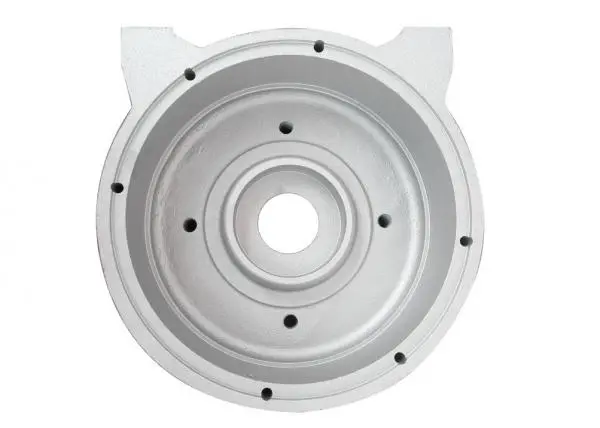
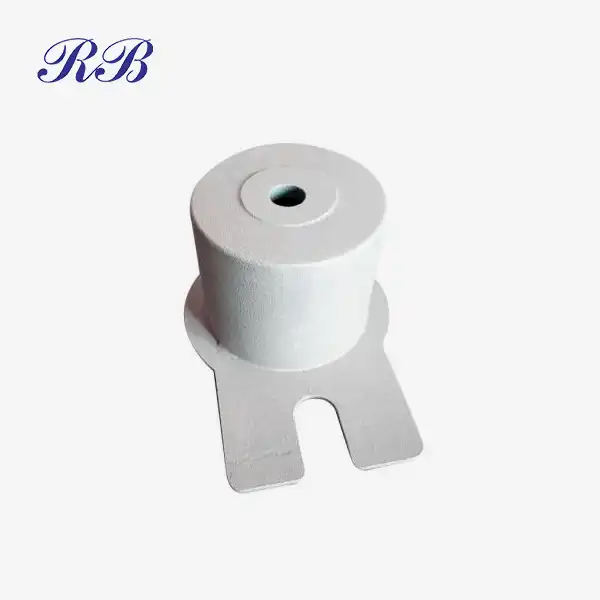
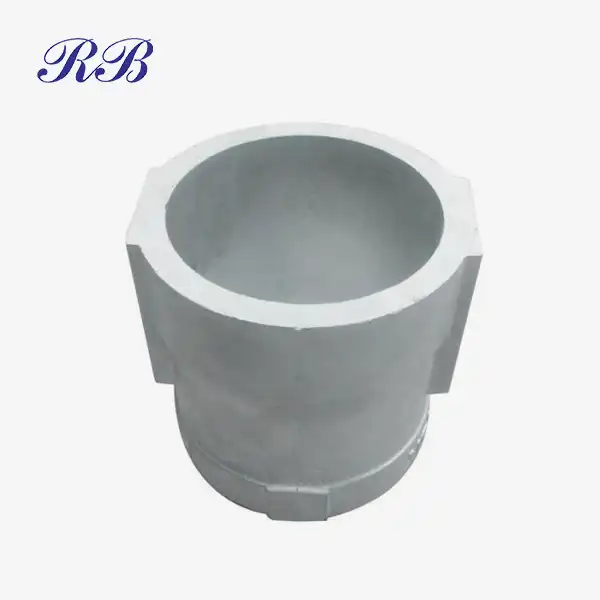
Custom Cast Aluminum Coupling Flanges
For operations to keep going, pipeline systems need reliable connection points. These important connections are made by cast coupling flanges, which hold two pipe pieces together while withstanding pressure, changes in temperature, and external stress. In this market area, traditional steel flanges have been the most popular choice because they are strong. But steel parts have their own problems that make projects more expensive and make operations less efficient.
The Traditional Steel Approach and Its Limitations
Steel flanges need protective coats to keep them from rusting, but these coatings wear off over time, especially in places that are wet or full of chemicals. The dense nature of the material makes it hard to handle during installation, which requires more work and more tools. As corrosion gets worse, maintenance gaps get shorter, which forces replacements too soon and raises the cost of the whole lifespan. Because of these things, buying professionals are looking at other options that work just as well as steel but don't have the same problems.
Why the Market Is Shifting Toward Aluminum Solutions
Improvements in material science have made aluminum alloys useful alternatives to steel in situations where steel was once the only option. Using modern casting methods, cast coupling flanges can be made with mechanical properties that are good for harsh pipeline environments. The change is in line with larger industry trends toward improving efficiency, aiming for sustainability, and building infrastructure that doesn't cost too much. Aluminum is a good choice for big projects where every kilogram counts because it has a good strength-to-weight ratio that solves a lot of problems at once.
Key Advantages of Custom Cast Aluminum Coupling Flanges Over Steel
When considering different types of materials, the advantages of metal are clear in a number of important ways. These benefits directly lead to better operations and higher profits for businesses that take care of pipeline systems.
Weight Reduction and Installation Efficiency
Because aluminum is only about one-third as dense as steel, it can be used to make cast coupling flanges that are easier for workers to handle and require less complicated tools. This trait is especially useful for works that are high up or in small areas where being able to move around quickly is important for keeping to project schedules. A custom aluminum flange component that weighs 3.3 kilograms can be used instead of a steel one that weighs more than 10 kilograms. This saves a lot of fuel and time during transportation and installation. Teams make connections more quickly, which speeds up project completion dates and lowers overhead costs.
Superior Corrosion Resistance in Harsh Environments
When aluminum is exposed to oxygen in the air, it naturally forms a protective oxide layer. This layer acts as a shield that stops the material from breaking down any further. This passive safety works well in places with a lot of moisture, like chemical processing plants and the ocean, where steel needs to be maintained all the time. Getting rid of coating standards makes procurement specs easier to understand while also increasing the time between checks for service intervals. Facilities have fewer unexpected shutdowns because of breakdowns caused by corrosion, which keeps output going.
Thermal and Mechanical Performance Characteristics
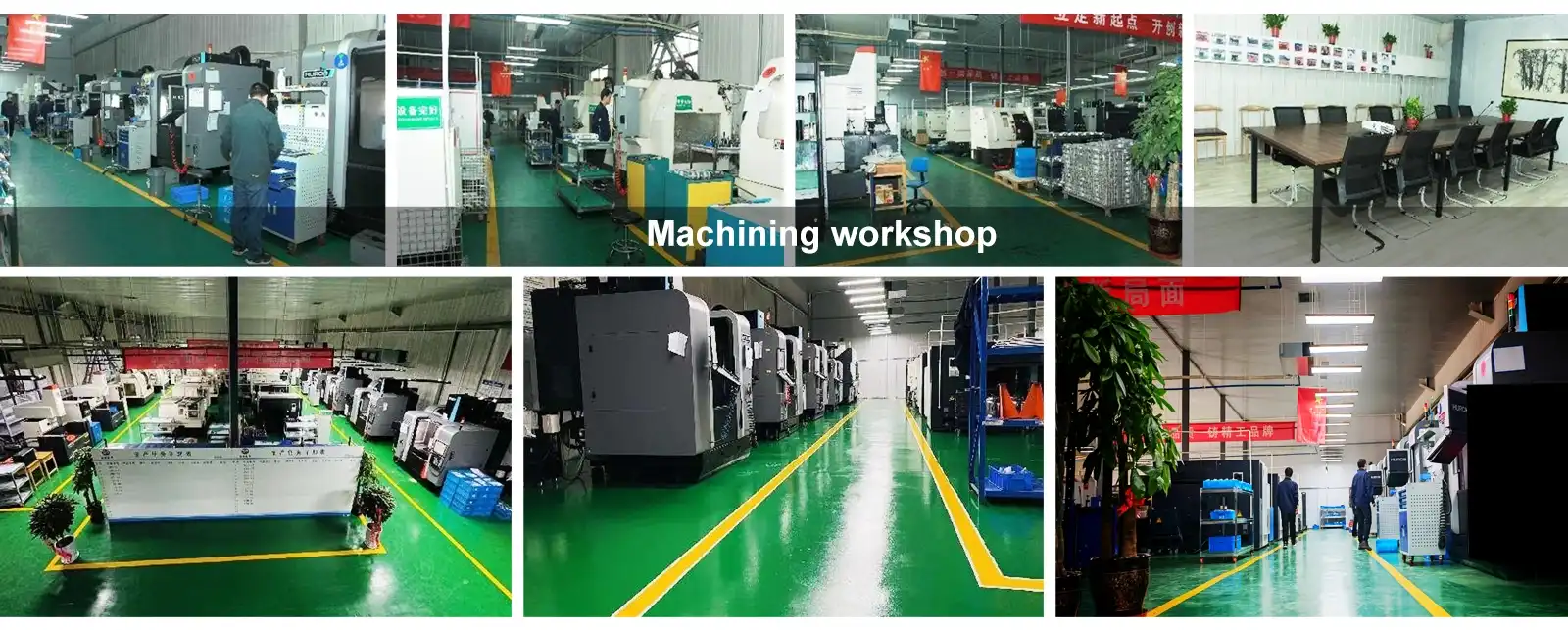
The A356 aluminum alloy is often used for cast coupling flanges because it is a good thermal conductor and helps get rid of heat in systems where the temperature changes. This material stays structurally stable across a wide range of operating temperatures and has enough tensile strength for moderate-pressure uses. The mechanical qualities of the metal make it possible to customize it thru sand casting, which lets designers find the best shape for different load profiles. Post-processing steps like CNC machining and shot blasting make sure that the dimensions and quality of the surface meet international standards.
Lifecycle Cost Analysis Favoring Aluminum
Aside from comparing the initial purchase price, total cost calculations need to take into account things like installation costs, maintenance frequency, replacement intervals, and how to get rid of the old item. Cast coupling flanges are lighter, so they cost less to ship, don't need much surface treatment, and don't break down in the environment without extra protection. The material can be recycled, which is in line with company green goals, and it still has value after it's been used up. When compared to steel options, organizations that use aluminum parts say their ten-year ownership costs are lower, especially in systems that are sensitive to corrosion or weight
Comparative Analysis: Cast Aluminum Coupling Flanges vs. Steel Variants in Procurement Decisions
When choosing cast coupling flange materials and sources, procurement teams look at a number of factors. Knowing the pros and cons of the different steel and aluminum choices helps people make decisions that are in line with the needs of the project and the goals of the company.
Performance Comparison Across Material Options
Carbon steel flanges are cheap to buy and have a high tensile strength, but they need protection coats that cost more and are harder to keep up. Different types made of stainless steel don't rust, but they are heavier and cost more to make. On the other hand, aluminum cast coupling flanges are in the middle. They are strong enough for many uses while also being lightweight and resistant to corrosion. Depending on the project's pressure ratings, environmental conditions, and budget, the best choice will vary. Specification reviews in great detail make sure that the materials chosen meet operational needs without adding too much complexity.
Supplier Evaluation and Manufacturer Selection
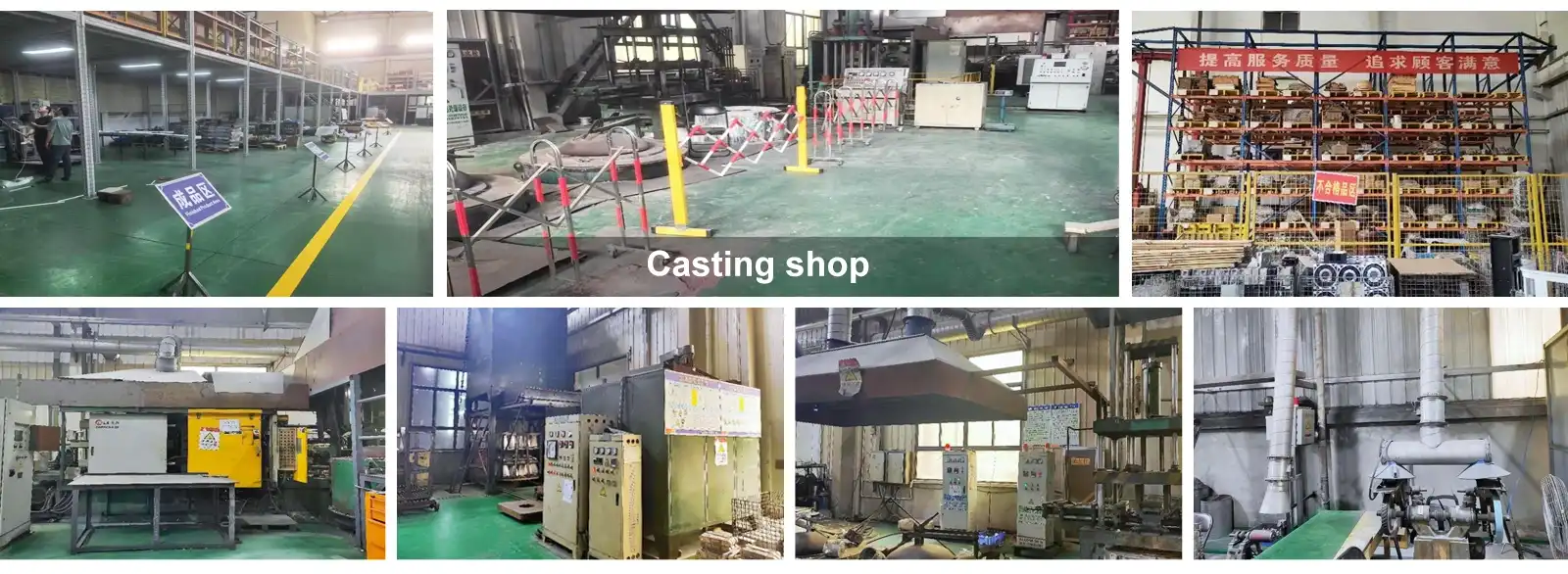
Picking good production partners affects the standard of the product and how reliably it is delivered. Certifications, clear information about output capacity, and quick technical help from established suppliers show that the standard is always the same. Supply chain management is easier when manufacturers offer a range of services, from making molds to delivering finished goods. This method is used by Rongbao Enterprise, which can do sand casting, CNC machining, shot blasting for surface treatment, and customized OEM/ODM services. With the ability to make up to 5,000 pieces at once and 20 years of experience, these suppliers offer the steadiness and knowledge that complicated projects need.
Logistical Considerations in Global Procurement
When you buy something from another country, there are more factors that can change the total cost and risk of the purchase. Transportation packaging rules make sure that castings are safe while they're being shipped; foreign shipping rules say that wooden boxes must be used to keep casts from getting damaged. Lead times from factories in Xi'an, China, are balanced by the availability of local suppliers. Large orders are cheaper because of economies of scale. When problems happen, how quickly they can be fixed depends on the communication channels and after-sales support options. More and more, buyers want providers to offer technical advice throughout the whole process of buying, making sure that specs match application needs before making production promises.
Future Trends and Market Shift Towards Aluminum Coupling Flanges
As priorities change around sustainability, performance optimization, and manufacturing innovation, so does the way industries change. Companies that understand these trends can put themselves in a better situation as markets change.
Technological Advancements in Casting Processes
Modern casting methods improve the quality of aluminum parts by making molds better, controlling the solidification process, and improving the metal formulas. Low-pressure and gravity casting make structures that are dense, uniform, and have few holes. Computer modeling helps find the best shape for a part before investing in a tool, which speeds up development and cuts down on waste. These technological advances make aluminum useful in a wider range of pressures and temperatures, allowing it to be used in situations that used to need steel.
Environmental and Regulatory Drivers
Aluminum can be recycled and has a smaller carbon footprint, which are both things that companies are saying they want to do more of. Regulatory systems are favoring materials that have been shown to be better for the earth over their whole lifecycle. Companies that want to get green building certifications or meet carbon reduction goals find that aluminum components help them reach their goals while also meeting technical standards. The material's ability to recycle with little energy use protects the value of resources, which supports circular economy models that reduce trash.
Market Dynamics and Material Selection Evolution
As material science progresses and performance data builds up, procurement tactics change. Early adopters of aluminum cast coupling flanges show how to use them successfully, which lowers the barriers for future projects. Case studies that measure the benefits of material swap are shared in trade magazines and at technical workshops. This sharing of information speeds up the market's acceptance and increases aluminum's market share in pipeline applications. Companies that are ahead of the curve know that material innovation gives them a competitive edge by lowering costs, making products more reliable, and making operations more flexible.
Conclusion
The switch from steel to custom cast coupling flanges is a strategic move that was made because it will save money and time. Aluminum parts are lighter, which makes installation easier, don't rust, which extends the life of the product, and have lower lifecycle costs that make the project more cost-effective. When made to international quality standards, materials like A356 alloy have the mechanical traits that make them useful for a wide range of pipeline uses. As new technologies improve casting methods and concerns about the environment affect buying choices, aluminum cast coupling flanges are becoming more popular in all kinds of industries. When organizations work with experienced manufacturers, they get the knowledge and production skills they need to successfully use these material solutions.
FAQ
Can aluminum flanges handle the same pressure ratings as steel flanges?
Aluminum alloys have lower yield strengths than steel, which changes the maximum pressure ratings for cast coupling flanges with the same size. But good design optimization can fix this problem by changing the geometry in ways that keep the pressure capacity the same while keeping the weight advantages. Many pipeline systems don't use much power, which means that metal can be used without affecting performance. Engineers should use estimates based on relevant design codes and maker specs to make sure that the aluminum parts they have chosen meet certain pressure requirements.
How do aluminum flanges perform when connected to steel piping systems?
When installed correctly, aluminum cast coupling flanges work well with steel pipes because they don't cause galvanic rusting. Isolating seals and dielectric layers stop electricity from flowing between metals that are not the same, which slows down the breakdown process. Because aluminum has different mechanical properties, bolt materials and torque requirements need to be changed. Mixed-material connections work reliably for a long time in many industrial settings as long as the right safety measures are written down in the installation instructions.
What customization options exist for cast aluminum coupling flanges?
Custom casting lets you make a lot of different designs that fit the needs of a particular purpose. Based on what the customer wants, manufacturers change the sizes, bolt patterns, sealed surface configurations, and reinforcing features. Tight tolerance features can be made possible by secondary operations like CNC machining, and surface treatments can change how something looks and how well it protects itself. Because of this, procurement teams can find the best parts for specific fitting needs or performance requirements that normal catalog goods can't meet.
Partner With Experienced Cast Coupling Flange Manufacturers for Your Next Project
Rongbao Enterprise makes special cast aluminum cast coupling flanges that are designed to meet the strict pipeline connectivity needs of industrial, power transmission, and telecommunications uses. We can sand cast parts out of A356 aluminum metal, use precision CNC machines, and treat the surfaces with shot blasting. The parts we make meet ISO9001:2015, ISO14001, and ISO45001 quality standards. We've been making things for 20 years and can make up to 5,000 pieces at a time. We can help with projects from the first design meeting all the way thru mass production and shipping around the world. Custom specifications allow for specific size needs, pressure ratings, and surface finish choices that can't be met by standard products. Our technical team works with procurement professionals to make sure that the materials we choose meet the needs of the application and your budget, whether you need prototype samples or large production runs. Talk to our experts at steve.zhou@263.net or zhouyi@rongbaocasting.com about your cast coupling flange needs and find out how aluminum solutions can save you money and make your pipeline systems work better.
References
Davis, J.R. (2001). Aluminum and Aluminum Alloys. ASM International Materials Park.
Campbell, J. (2015). Complete Casting Handbook: Metal Casting Processes, Metallurgy, Techniques and Design. Butterworth-Heinemann.
Bhadeshia, H.K.D.H. and Honeycombe, R. (2017). Steels: Microstructure and Properties. Butterworth-Heinemann.
American Society of Mechanical Engineers (2020). ASME B16.5: Pipe Flanges and Flanged Fittings. ASME International.
Kaufman, J.G. and Rooy, E.L. (2004). Aluminum Alloy Castings: Properties, Processes, and Applications. ASM International.
Zhang, L.Y. and Jiang, Y.H. (2019). "Comparative Study on Corrosion Resistance of Aluminum Alloys and Carbon Steel in Industrial Environments." Journal of Materials Engineering and Performance, 28(6): 3341-3350.
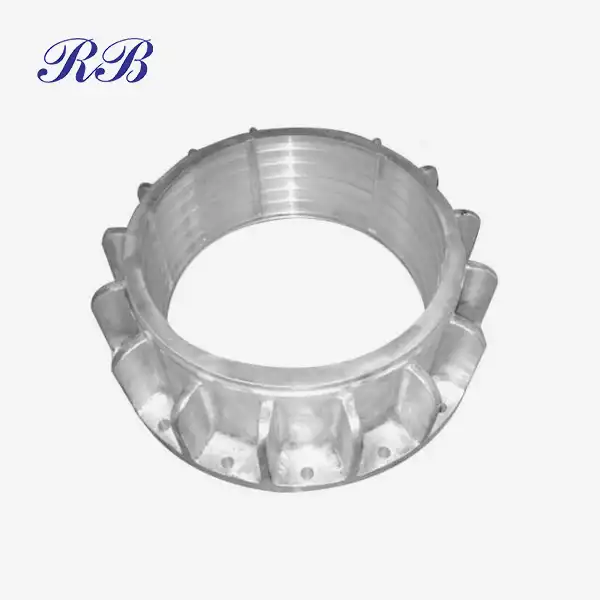
Learn about our latest products and discounts through SMS or email