- English
- French
- German
- Portuguese
- Spanish
- Russian
- Japanese
- Korean
- Arabic
- Greek
- German
- Turkish
- Italian
- Danish
- Romanian
- Indonesian
- Czech
- Afrikaans
- Swedish
- Polish
- Basque
- Catalan
- Esperanto
- Hindi
- Lao
- Albanian
- Amharic
- Armenian
- Azerbaijani
- Belarusian
- Bengali
- Bosnian
- Bulgarian
- Cebuano
- Chichewa
- Corsican
- Croatian
- Dutch
- Estonian
- Filipino
- Finnish
- Frisian
- Galician
- Georgian
- Gujarati
- Haitian
- Hausa
- Hawaiian
- Hebrew
- Hmong
- Hungarian
- Icelandic
- Igbo
- Javanese
- Kannada
- Kazakh
- Khmer
- Kurdish
- Kyrgyz
- Latin
- Latvian
- Lithuanian
- Luxembou..
- Macedonian
- Malagasy
- Malay
- Malayalam
- Maltese
- Maori
- Marathi
- Mongolian
- Burmese
- Nepali
- Norwegian
- Pashto
- Persian
- Punjabi
- Serbian
- Sesotho
- Sinhala
- Slovak
- Slovenian
- Somali
- Samoan
- Scots Gaelic
- Shona
- Sindhi
- Sundanese
- Swahili
- Tajik
- Tamil
- Telugu
- Thai
- Ukrainian
- Urdu
- Uzbek
- Vietnamese
- Welsh
- Xhosa
- Yiddish
- Yoruba
- Zulu
Custom Aluminum Cast Coupling Flange vs Ductile Iron: Which Wins?
The choice between custom aluminum cast coupling flanges and ductile iron ones is still a tough decision for procurement experts when choosing materials for industrial coupling flanges. The answer depends a lot on the needs of the application, the environment, and the costs of running it over a long period of time. When it comes to lightweight construction, better corrosion resistance, and better thermal conductivity, custom aluminum cast coupling flanges usually work best. On the other hand, ductile iron works best in high-pressure situations where maximum mechanical strength is needed. Knowing these pros and cons helps make good choices that are in line with both the short-term needs of a project and long-term goals for the business.
Understanding Custom Aluminum Cast Coupling Flanges
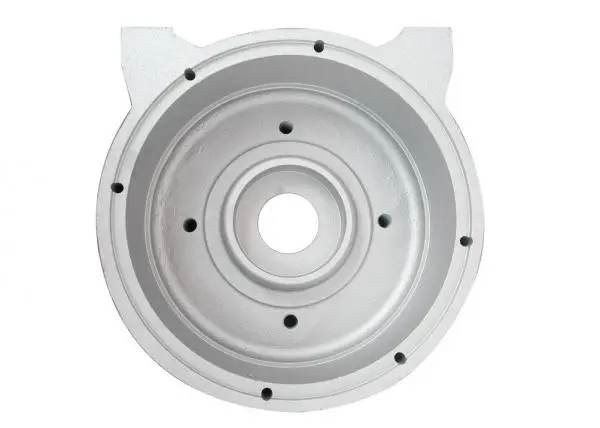
What Is a Custom-Made Aluminum Cast Coupling Flange?
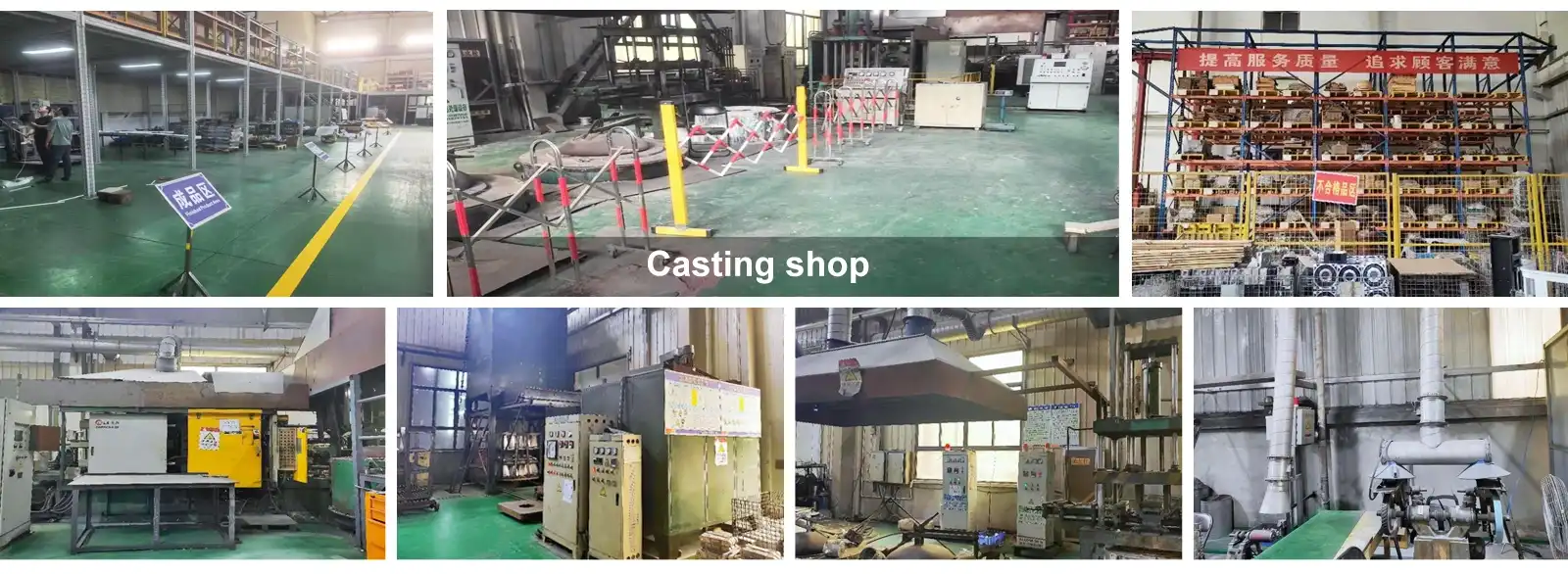
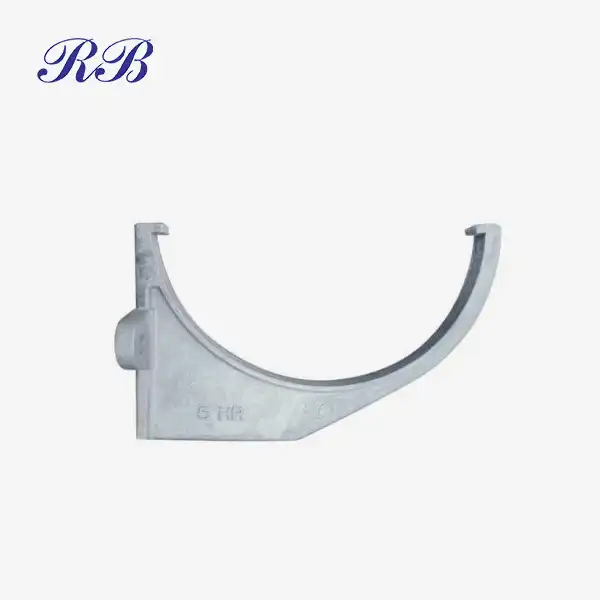
Aluminum cast coupling flanges made to order are parts made with precision engineering and special casting methods that turn molten aluminum into exact specifications. In gravity casting, A356 aluminum alloy is carefully poured into precise molds to make connection points that are light but strong for industrial piping systems. Pattern creation, mold preparation, casting, and CNC machining are all steps in the manufacturing process that help get tight tolerances.
The customization feature lets manufacturers change sizes, bolt patterns, and surface treatments to make sure they work for certain needs. This can be very helpful for fields that need special performance or non-standard setups that regular store-bought items can't give them.
Important Advantages of Cast Aluminum Aluminum Coupling Flanges
Aluminum casting technology has some important benefits that make many industrial applications prefer this material. Here are the main benefits that make people choose one thing over another:
- Weight Loss: Custom aluminum cast coupling flanges are much lighter than ductile iron ones, which makes them easier and cheaper to handle and install, and requires less support from the structure.
- Corrosion Resistance: The natural formation of an oxide layer protects the material from environmental damage, which is especially useful in marine settings and chemical processing, where there is always moisture.
- Thermal Conductivity: Aluminum flanges are great for applications that involve changing temperatures or need to get rid of heat in HVAC and fire pump systems because they transfer heat so well.
- Electrical Properties: Better electrical conductivity helps applications that need to be grounded or have electrical continuity through the piping system.
These benefits lead to operational perks that can have a big effect on the total cost of ownership. The combination of lower upkeep needs and longer service lives often makes the higher up-front costs worth it in the long run.
Common Specifications and Uses
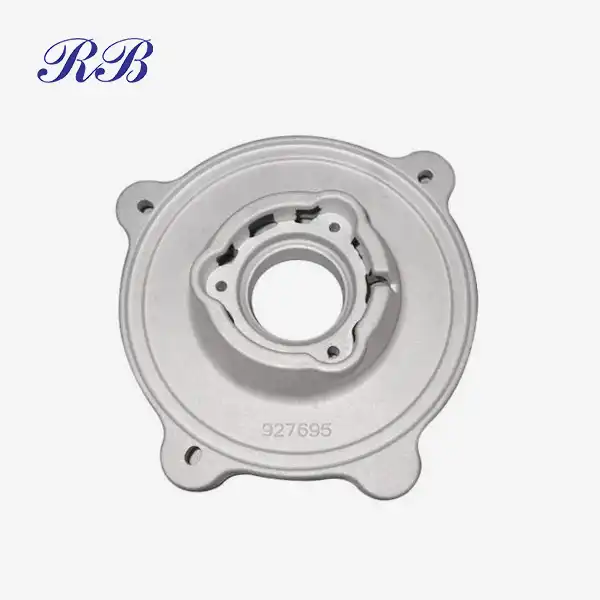
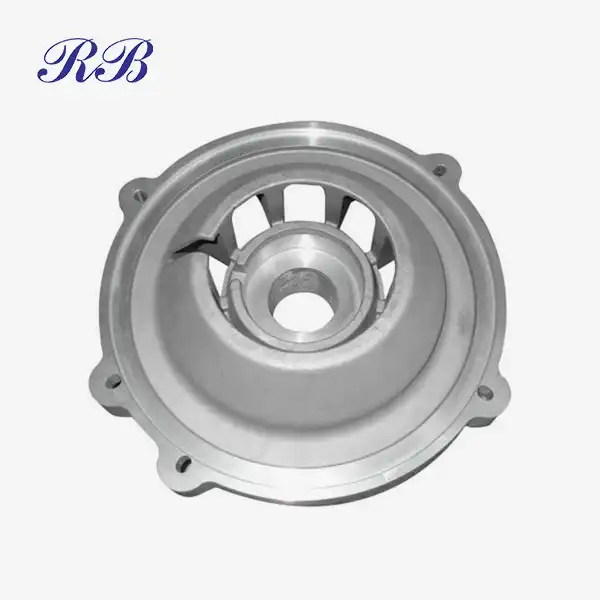
Aluminum cast coupling flanges are used in many different kinds of industries, especially when the environment or weight affects the choice of materials. For example, fire pump bearing covers are made of aluminum, which weighs only 0.3 kg and makes maintenance easier while still working well even in tough conditions.
Aluminum flanges don't need to be replaced very often because they can handle harsh conditions. That's why they are used in chemical processing, marine environments, aerospace, HVAC systems, and more. The shot blasting surface treatment makes things more durable and keeps them looking good for installations where they will be seen.
Exploring Ductile Iron Coupling Flanges
Ductile Iron Flanges' Features and How They Are Made
The complex custom aluminum cast coupling flanges process used to make ductile iron flanges adds certain chemicals that change the iron's microstructure. This process makes round graphite balls in the iron matrix, which makes the metal much more ductile and impact-resistant when compared to gray iron castings made in the old way. The material that comes out of this process can be easily shaped like iron, but it also has stronger properties more like steel.
Manufacturing usually uses sand or investment casting, then heat treatment to make the mechanical properties better. Because ductile iron is made in a lot of places, it is always available at a good price.
Benefits of Flanges Made of Ductile Iron
Ductile iron's main strength is that it has great mechanical properties and is a cost-effective choice for applications with a lot of stress. The substance's tensile strengths go from 60,000 to 100,000 PSI, which is a lot higher than aluminum's normal range of 20,000 to 45,000 PSI. Because ductile iron is stronger, it is the best choice for high-pressure pipelines and heavy-duty machinery connections.
Cost factors often make ductile iron the better choice, especially for large production runs where the cost of tools can be spread out over a lot of units. The standard specs and broad use of the material make it easier to get and make sure the supply chain is always there for you.
Maintenance and Limitations
Ductile iron has issues in corrosive settings even though it is good at handling mechanical stress. Without the right protective coatings, oxidation can weaken the structure and mean that maintenance has to be done often. The density of the material makes it hard to handle when it is installed and worked on, which could raise the cost of labor and make safety more of a concern.
Long-term maintenance often means checking for corrosion damage and putting on protective coatings again. These costs may make up for the savings in initial cost.
Head-to-Head Comparison: Aluminum Cast vs Ductile Iron Coupling Flanges
How Strong It Is and Its Mechanical Properties
A comparison of mechanical performance shows that each material group has its own unique benefits. Ductile iron is great for high-pressure systems that work above 600 PSI because it has high tensile strength and impact resistance. The material's resistance to fatigue makes sure that it works well when the load is changed often, like in industrial pumping systems.
Aluminum cast flanges have lower overall strength, but they work well for applications with moderate pressure and higher strength-to-weight ratios. This feature is especially useful when lowering weight means better overall performance or simpler design needs.
Ability to resist corrosion and suitability for the environment
The most important way that these materials are different from each other is how they affect the environment. Aluminum can naturally resist corrosion because it can form protective oxide layers that heal themselves when they are damaged. This feature makes the object work well in marine environments, chemical processing facilities, and outdoor settings, and it doesn't need to be treated with extra protection.
Because ductile iron rusts easily, it needs protective coating systems that are more expensive and need to be maintained. In aggressive settings, coating failure can cause things to break down quickly and need to be replaced earlier than expected.
Cost and Procurement Procurement Cost Factors
Total cost analysis has to look at both the costs of buying something and the costs of owning it over its entire lifetime. Even though custom aluminum cast coupling flanges usually cost more per unit, the total cost of ownership is often better because they last longer and need less maintenance. Aluminum casting's ability to customize makes it possible to fine-tune applications, which can cut out the costs of over-specification.
Ductile iron is cheaper upfront, which is good for people who need to stick to a budget, but long-term costs for coating replacement, maintenance, and possible early failure need to be included in full cost comparisons.
How to Choose the Right Coupling Flange for Your Needs?
Business Needs Identification
Know your job material use before choosing. This includes mechanical loading, environmental exposure, temperature, and pressure. Know these needs to match the material's abilities to real-world performance needs, not theoretical maximums.
Write down your app's needs so vendors can help you, rather than telling you what they think is best based on industry knowledge.
Testing material properties for functionality.
Consider compromises between features that can't be optimized simultaneously when comparing a material's qualities to a project's needs. Aluminium is best for light, rust-resistant, heat-conducting projects. Items that take hits may benefit from ductile iron.
Installation, maintenance, and long-term service expectations should be considered when selecting materials to support the operation's goals.
Important quality and supplier information
The ISO9001:2015, ISO14001, and ISO45001 certifications ensure global quality standards. OEM customization lets you change apps slightly and quickly order up to 5,000 pieces.
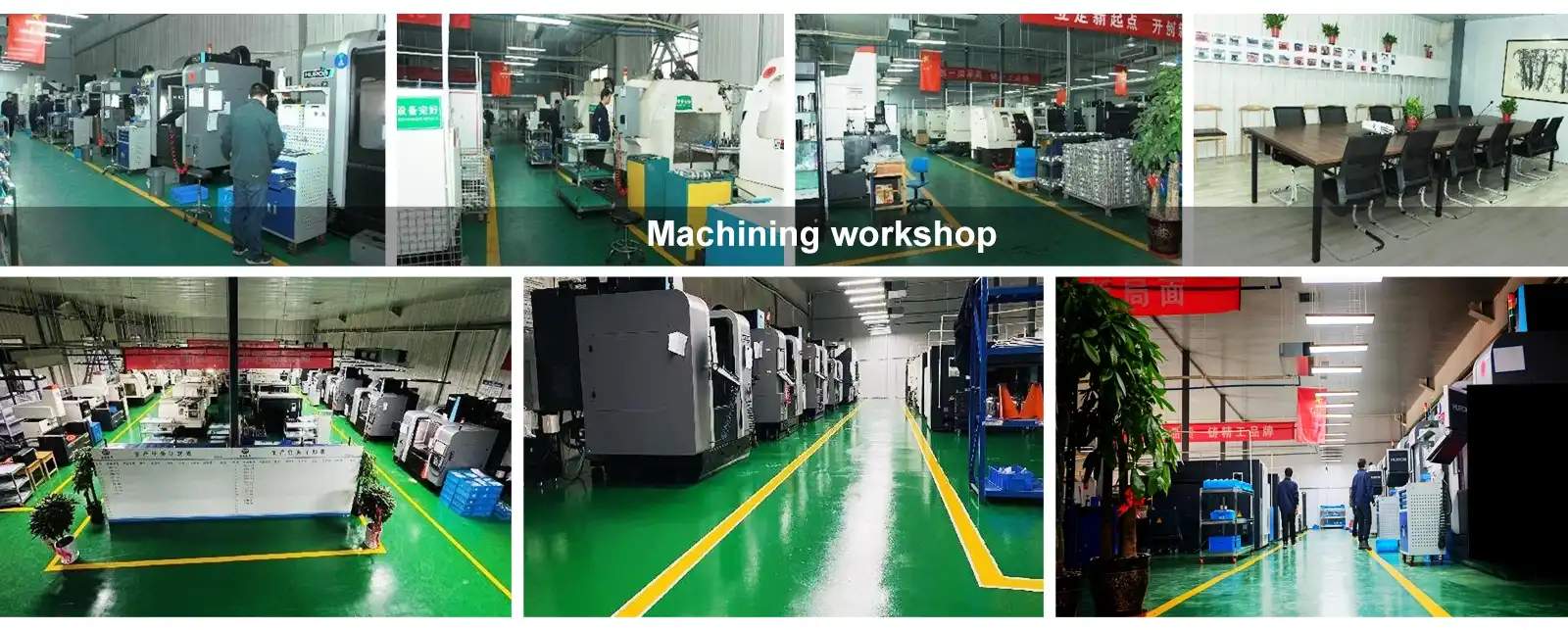
Reliable suppliers protect products during shipping with CNC machining, surface treatment, and wooden boxes.
Conclusion
When picking between custom aluminum cast coupling flanges and ductile iron ones, the most important thing to think about is the job that needs to be done and the long-term use. Minimum is good in places where you need to keep corrosion at bay, keep weight down, and make sure heat doesn't build up. On the other hand, ductile iron gives you the mechanical strength you need for high-pressure situations. When qualified suppliers with the right certifications make the two materials using modern manufacturing techniques, they are able to When picking something, you can't just think about how it works, where it is, and the total cost, which includes the purchase price.
Partner with Rongbao Enterprise for Premium Aluminum Casting Solutions
With 20 years of experience in the field and a wide range of manufacturing capabilities, Rongbao Enterprise offers outstanding custom aluminum cast coupling flange solutions. At our facility in Xi'an, we use both advanced gravity casting and precision CNC machining to make parts that meet the most exacting standards. We make sure that quality is always high while helping a range of areas, such as fire safety systems, automotive, and industrial equipment, with our ISO9001:2015, ISO14001, and ISO45001 certifications. Our team works with A356 aluminum alloy more than anything else, and they are experts in custom surface treatments and protective packaging. Emailing us at steve.zhou@263.net and zhouyi@rongbaocasting.com will allow you to discuss your needs for a custom aluminum cast coupling flange supplier and experience how dedicated we are to accuracy, creativity, and speed.
FAQs
Q1: How many custom aluminum cast coupling flanges are usually made?
A: The best makers usually make 5,000 pieces for every order. Gravity casting keeps the quality high and makes it easy to customize orders to meet the needs of each customer. Making complex, personalized things takes more time.
Q2: How does shot blasting change aluminum flanges and how do they work as a way to treat surfaces?
A: The coating sticks better and the metal doesn't rust when the surface is made smooth with shot blasting. This method also makes things easier and fixes problems in the mold, which makes the final product better.
Q3: Is it possible for custom aluminum flanges to become famous worldwide for their high quality?
A: Yes, honest producers have credentials like ISO9001:2015, ISO14001, and ISO45001. These ensure that the aluminum cast coupling flanges made for and used in the industry are safe, environmentally friendly, and of high quality.
References
1. American Society of Mechanical Engineers. "ASME B16.5 Pipe Flanges and Flanged Fittings: Material Selection Guidelines." ASME Standards, 2020.
2. Davis, J.R. "Aluminum and Aluminum Alloys: Casting Performance and Applications." ASM International Handbook, 2019.
3. International Organization for Standardization. "ISO 7005 Metallic Flanges: Comparative Material Analysis." ISO Technical Report, 2021.
4. Chen, Wei and Liu, Ming. "Corrosion Resistance Comparison of Aluminum vs Iron Alloys in Industrial Applications." Journal of Materials Engineering, Vol. 45, 2022.
5. European Committee for Standardization. "EN 1092 Flanges and their Joints: Material Selection Criteria for Industrial Piping Systems." CEN Standard, 2020.
6. Rodriguez, Carlos. "Cost-Benefit Analysis of Aluminum Casting vs Iron Casting in Manufacturing Applications." Industrial Manufacturing Quarterly, 2021.
Learn about our latest products and discounts through SMS or email