- English
- French
- German
- Portuguese
- Spanish
- Russian
- Japanese
- Korean
- Arabic
- Greek
- German
- Turkish
- Italian
- Danish
- Romanian
- Indonesian
- Czech
- Afrikaans
- Swedish
- Polish
- Basque
- Catalan
- Esperanto
- Hindi
- Lao
- Albanian
- Amharic
- Armenian
- Azerbaijani
- Belarusian
- Bengali
- Bosnian
- Bulgarian
- Cebuano
- Chichewa
- Corsican
- Croatian
- Dutch
- Estonian
- Filipino
- Finnish
- Frisian
- Galician
- Georgian
- Gujarati
- Haitian
- Hausa
- Hawaiian
- Hebrew
- Hmong
- Hungarian
- Icelandic
- Igbo
- Javanese
- Kannada
- Kazakh
- Khmer
- Kurdish
- Kyrgyz
- Latin
- Latvian
- Lithuanian
- Luxembou..
- Macedonian
- Malagasy
- Malay
- Malayalam
- Maltese
- Maori
- Marathi
- Mongolian
- Burmese
- Nepali
- Norwegian
- Pashto
- Persian
- Punjabi
- Serbian
- Sesotho
- Sinhala
- Slovak
- Slovenian
- Somali
- Samoan
- Scots Gaelic
- Shona
- Sindhi
- Sundanese
- Swahili
- Tajik
- Tamil
- Telugu
- Thai
- Ukrainian
- Urdu
- Uzbek
- Vietnamese
- Welsh
- Xhosa
- Yiddish
- Yoruba
- Zulu
Which material is the best for precise casting?
The best material for precision casting depends on the part's job, not on a single winner. In my experience, stainless steel is the most practical general-purpose choice because it resists corrosion, holds its strength, and is widely available. Aluminum suits lightweight parts, carbon steel suits cost-sensitive structural parts, titanium suits lightweight medical and aerospace parts, and nickel alloys suit extreme heat. Precision casting, also called investment casting or lost-wax casting, can pour all of these alloys into complex near-net-shape forms. This guide shows how to match the alloy to your drawing, budget, and volume.
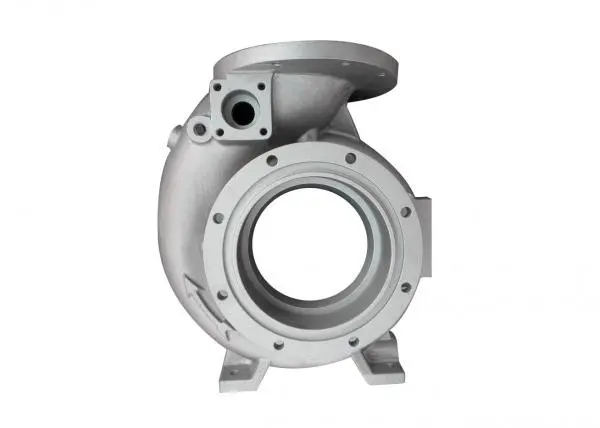
What Is Precision Casting and Why Does Material Selection Matter?
How the Process Works
The first step in precision casting is to look over the CAD file. The foundry makes a wax print by putting wax into a die most of the time. Then, different designs are put together to make a wax tree. While the tree is still wet, layers of sand are put on top of it until a shell forms. A fire is used to melt the metal and then it is put into the shell. Once the metal is cool, the shell is broken off and the pieces are cut from the tree. The next steps are inspection, finishing, and machining. A part that looks like a net is made this way. It has a smooth surface and small features that are hard to get with other casting methods.
Why Alloy Choice Changes Accuracy and Cost
The alloy tells the metal inside the shell what to do. There are different amounts of shrinkage as the metal cools, which changes how close the finished part is to your picture. You can change how well sharp edges and thin walls fill with movement. It also varies in how easy it is to make, how well it resists corrosion, and surface finish. It's the same story with costs. To pour a part made of carbon steel, you can use more common tools and vacuum melting. But to pour a part made of titanium, you need special shell materials and vacuum melting. If the foundry picks the metal early, they can make sure that the tools are made to shrink just the right amount. After the first models come in, they won't have to do any extra work.
Why There Is No Single Best Material
When it comes to a hot gas stream, a surgery bracket, and a pump body, each has its own set of needs. If something works well for one job, it might not work well for another. So, I think you should judge each alloy based on five things: how it will be used, what the design needs, how fast it will work, what standards apply, and how much it will cost you in total over its lifetime. In the long run, a cheap metal that breaks down quickly might cost more than a steel grade that doesn't. Instead of picking a metal first, the manufacturer should think about how the project will be used. This will help them come up with a process that will work.
The Main Materials Used in Precision Casting
Stainless Steel and Carbon Steel
People usually pick stainless steel. ASTM A351 says that both cast 304 (CF8) and cast 316 (CF8M) are strong and don't rust. When molybdenum is added to 316, it makes it stronger against chlorides. It gets stronger when you heat grades that harden through precipitation, like 17-4 PH. But it costs more to make and is tougher to work with than aluminum. Steels that are low in alloys and carbon, like 1020, 4140, and 8620, are strong and don't cost much. They also work well when heated. If you don't plate, paint, or coat them, they will rust, so use them somewhere dry or protected.
Aluminum and Titanium
Aluminum is only about a third as dense as steel (2.7 g/cm³), and it can be worked quickly. To make A356 stronger, it can be heated to T6. It doesn't rust when it's out in the air. It doesn't need as much heat to melt as steel does, but it's not as strong or durable. Titanium is about 4.5 g/cm³ dense. Titanium is usually made of Ti-6Al-4V. Titanium is strong for its size and doesn't harm living things. Some shells and a vacuum are needed for it to melt because it reacts with air and regular ceramics when they get hot. People who want to buy titanium should know that it will cost more and take longer to get.
Nickel, Cobalt, and Copper Alloys
Inconel 718 and 625 are nickel superalloys that don't rust and stay strong at high temperatures. This is why they are used in parts for chemical equipment and turbines. And you have to melt them in a vacuum or very strict conditions. They cost more. Stellite grades of cobalt alloys can handle high temperatures and don't wear down quickly. Medical devices are often made from ASTM F75 cobalt-chromium-molybdenum metal. Alloys made of copper, like bronze and brass, are good at moving fluids and moving heat and electricity. Because of this, they can be used for electrical parts and valve parts. With these goods, I don't use precision casting as a standard because they are made to meet certain goals.
How to Choose the Best Material for Your Part?
Start With the Service Conditions
Write down the temperatures, pressures, wear, fatigue loads, impacts, chemicals, and cleaning or sterilization cycles that it will be subjected to. What kind of resistance does a medical bracket that has been cleaned many times in an autoclave need? A bracket that is inside a dry gearbox needs a different kind of resistance. You should write down as many numbers as you can, like the highest temperature or type of fluid. So, the factory can quickly get rid of metals that don't work. The engineering team can give a grade if there is a model that shows how it will work and what sizes it should be. I think this first step takes away a lot of options before any quote work starts.
Compare Mechanical Properties With Castability
Next, check each material's tensile strength, hardness, elongation, density, and thermal expansion. After that, use the mold to test each alloy. How squishy or shrinky the material is affects the shape, tolerances, surface finish, and how much room there is for machining. It's possible for some metals to fill thin-walled forms better, while parts with tight bores may need more stock to remove. For this reason, strength should be given the same amount of weight as castability. A strong alloy that can't fill your thin ribs is just waste. You should have the foundry go over the shape and alloy with you before you agree to use their tools.

Count the Total Cost, Not Only Metal Price
It's not all about how much the raw products cost. It's expensive to buy tools, have them cast, heat treat them, machine them, finish them, inspect them, get them certified, pay for shipping, do maintenance, and have them last a long time. Aluminum is less expensive than stainless steel when it comes to weight. Some parts may not be as different, though, if they need to be plated or made thicker to meet strength standards. Titanium is a pricey metal to work with, but if you want to lose weight or get implants, it might be worth it. I think you should pick two or three metal families from the list, get a price with all the costs included, and then use first-article models to make sure you made the right choice for precision casting.
Precision Casting Material Comparison by Application
Aerospace and Medical Components
In aircraft work, titanium, nickel alloys, aluminum, or stainless steel are often used. Which one is used relies on the weight, temperature, fatigue, need for tracking, and need for approval. Because they can withstand the heat, turbine blades are frequently made using precision casting. Most brackets and housings are made of metal or titanium to keep them light. Medical parts should also be biocompatible, clean, sterile, and keep records. Implants and tools are often made of titanium, cobalt-chromium, or stainless steel. When getting a quote, buyers in these places should ask for material certificates and records that can be used to keep track of different lots.
Pumps, Valves, Automotive, and Industrial Equipment
Your pumps and valves need to be able to handle the fluid's chemistry, pressure, temperature, wear, and shutting needs. Bronze is good for use in water and on boats, and cast 316 stainless steel is good with many fluids that eat away at metal. Weight, strength, volume, resistance to corrosion, and repeatability are all things that are usually balanced in business and auto equipment. Aluminum makes housings lighter, and steel is used for parts that have to hold weight, like switches and links. For prototypes, replacement parts, and short runs, precision casting can be used instead of milling from bar stock. It saves time and metal this way. How much metal do you need each year? This will help the foundry figure out the best material and process for your needs.
Precision Casting Versus Die Casting, Sand Casting, and CNC Machining
Precision casting is capable of working with both metal and nonferrous alloys, as well as complex shapes and internal features that resemble nets. Die casting is usually the less expensive way to make a lot of parts out of aluminum, zinc, or magnesium. The best parts to cast in sand are big ones with few features. It is possible for CNC cutting to keep very close tolerances, but shapes that are too complicated leave behind waste. Most of the time, the best balance is found between shape, cost, and accuracy when important parts are cast and then milled. We do precision cutting, high-pressure die casting, low-pressure die casting, gravity casting, and high-pressure die casting at Rongbao Enterprise. We can talk about which way works best for a part made of metal or something similar.
Design Guidelines and Supplier Evaluation
Design for Even Solidification
Make big curves, keep the width of the walls the same, and make smooth changes in section. These choices control the solidification process and lower the chances of cracks, holes, shrinkage, and distortion. Talk to the foundry about the draft, cores, internal passages, and hard-to-cast features before giving the go-ahead for the tools. This is because it costs a lot more to change a die after the fact than to make changes to a CAD file. Write down the dimensions that are necessary for the part to work and the general casting dimensions. Being too strict on every area is unnecessary and makes it harder to machine. It also makes more waste without improving the performance of the part.
Plan Post-Casting Operations Early
The steps used to finish something often change how well it works. T6 is an example of a heat treatment for A356 aluminum that changes how strong and hard it is. The most common ways to passivate stainless steel surfaces to get rid of free iron and make them less likely to rust are spelled out in ASTM A967. To control the look and wear, you can blast, sand, plate, and finish. Each step makes the item a little smaller, costs more, and takes longer. These needs should be written down in the drawing notes from the start, not after the first samples come in. This way, the foundry can give you a correct quote and plan the whole precision casting process.
How to Evaluate a Manufacturer or Supplier
Find someone who has worked with your type of alloy, forms that are similar, and your business before. Find ISO 9001 plus AS9100, IATF 16949, or ISO 13485 if your business needs them. If you need to, you can ask for information about the materials, how they were heated, their sizes, chemicals used, and nondestructive testing. Help from engineers is just as important. This includes looking over the design for casting, giving advice on tools, and combining cutting. Check to see if the company can export and what its past records are for packaging, delivery, and managing changes. ISO 9001, ISO 14001, and ISO 45001 have all been granted to Rongbao Enterprise. The company inspects products from the time they are received as raw materials until they are sent out as finished goods. It sends most of its goods to the US, Europe, and Japan.
Conclusion
For all precision casting jobs, there isn't just one metal that works best. The best metal for most things is stainless steel, which doesn't rust, is strong, and is easy to find. Metals that are nickel-based are good for parts that need to be resistant to extreme heat and rust. Carbon steel is good for cheap structural parts. Titanium is good for parts that need to be light or biocompatible. Based on how the part will be used, its mechanical properties, how easy it is to cast, and the total cost (which includes the cost of tools, machining, finishing, and inspection), the best choice will be made. Space, medicine, pumps, valves, and cars all have different needs, and the casting route should match the shape and volume of the part. An even wall thickness, early design review, and planned post-casting steps all help the material work better, and test records and supplier certifications show that the quality is there.
FAQ
What material is most common in precision casting?
Most people pick stainless steel because it's strong, doesn't rust, lasts a long time, and is simple to get. Grades like 304, 316, and 17-4 PH are used to make a lot of different business parts.
When should I choose aluminum, titanium, or carbon steel instead?
Pick metal if you want something that is light and quick to work with. Titanium is a good metal for parts that need to be light, not rust, or safe for living things. Choose carbon steel for parts that need to be strong, cheap, and won't rust. Precision casting with carbon steel requires coating or plating to stop corrosion.
What information do I need for an accurate quotation?
Send your drawings or CAD files along with the specifications for the material or service, the amount you need each year and for tests, any necessary standards or certificates, and the surface finish. With more information, the foundry can give more accurate quotes for making tools, cutting, and finishing.
Request a Precision Casting Material and Manufacturing Review
Rongbao Enterprise needs your drawings, CAD files, goal alloy, amount, and tolerances so that they can look them over properly. Before you choose, we help you compare metals and ways. Our production is ISO-certified, and we do everything from making molds to treating the surface. If you need a source for precision casting, email steve.zhou@263.net or zhouyi@rongbaocasting.com. You can visit rongbaocasting.com to learn more.
References
- ASM Handbook, Volume 15: Casting, ASM International, 2008
- Complete Casting Handbook, Butterworth-Heinemann, 2015
- Investment Casting, Institute of Materials, 1995
- Stainless Steels (ASM Specialty Handbook), ASM International, 1994
- Titanium: A Technical Guide, ASM International, 2000
- Fundamentals of Modern Manufacturing, Wiley, 2020
Learn about our latest products and discounts through SMS or email