- English
- French
- German
- Portuguese
- Spanish
- Russian
- Japanese
- Korean
- Arabic
- Greek
- German
- Turkish
- Italian
- Danish
- Romanian
- Indonesian
- Czech
- Afrikaans
- Swedish
- Polish
- Basque
- Catalan
- Esperanto
- Hindi
- Lao
- Albanian
- Amharic
- Armenian
- Azerbaijani
- Belarusian
- Bengali
- Bosnian
- Bulgarian
- Cebuano
- Chichewa
- Corsican
- Croatian
- Dutch
- Estonian
- Filipino
- Finnish
- Frisian
- Galician
- Georgian
- Gujarati
- Haitian
- Hausa
- Hawaiian
- Hebrew
- Hmong
- Hungarian
- Icelandic
- Igbo
- Javanese
- Kannada
- Kazakh
- Khmer
- Kurdish
- Kyrgyz
- Latin
- Latvian
- Lithuanian
- Luxembou..
- Macedonian
- Malagasy
- Malay
- Malayalam
- Maltese
- Maori
- Marathi
- Mongolian
- Burmese
- Nepali
- Norwegian
- Pashto
- Persian
- Punjabi
- Serbian
- Sesotho
- Sinhala
- Slovak
- Slovenian
- Somali
- Samoan
- Scots Gaelic
- Shona
- Sindhi
- Sundanese
- Swahili
- Tajik
- Tamil
- Telugu
- Thai
- Ukrainian
- Urdu
- Uzbek
- Vietnamese
- Welsh
- Xhosa
- Yiddish
- Yoruba
- Zulu
Cast Sink Filter vs. Mesh Filter: Which Is Best for Casting?
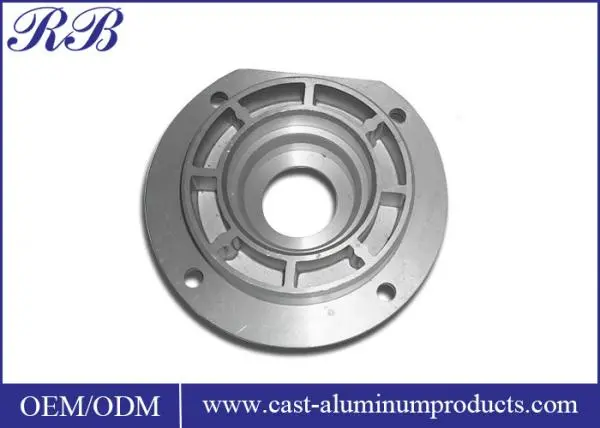
When choosing filtration solutions for aluminum casting processes, the debate often centers on cast sink filter versus mesh filter systems. Cast sink filters—rigid, porous ceramic or refractory blocks—capture large-scale dross and oxide inclusions through depth filtration, making them ideal for gravity casting of A356 aluminum components like bearing end covers. Mesh filters, by contrast, employ woven metal screens to intercept fine particulates at the surface. For manufacturers handling batch productions of 5,000 pieces monthly with CNC machining and shot blasting requirements, cast sink filters typically deliver superior cost-per-unit efficiency and thermal stability. This comparison helps procurement teams align filtration technology with operational priorities.
Introduction
Filtration integrity affects casting yield, surface quality, and downstream machining. Before hardening, remove metallic impurities and gas bubbles from bearing housings and structural sections to avoid holes and other flaws that decrease mechanical properties. We have supported equipment manufacturers in Europe, the US, and Japan for 20 years, and we know that filter type impacts defect count and tool wear. Engineers and purchase managers require real-world output data to choose between cast sink and mesh filters. This article helps you make choices that reduce quality variance, prolong die life, satisfy ISO9001:2015 tracking criteria, and save procurement costs.
Understanding Cast Sink Filters and Mesh Filters
What Is a Cast Sink Filter?
A cast sink filter is a solid block made of bound ceramic foam or refractory materials that is made to fit inside the gates of gravity or low-pressure casting molds. It filters out oxide films, sand particles, and slag through a tortuous network of pores in three dimensions. The material can handle molten aluminum temperatures above 750°C without breaking down, and its shape stays the same when temperatures change. We've seen that cast sink filters with 20 to 50 pores per inch (PPI) work well for A356 aluminum alloys that are often used in bearing end caps because they balance flow resistance with inclusion capture.
How Mesh Filters Function
Mesh filters are made up of screens with holes that are 200 to 600 microns wide and are formed from stainless steel or high-temperature metal wires. They work as surface filters, catching particles that are bigger than the opening in the mesh. Mesh filters are good at getting rid of big particles, but they have trouble with oxide film agglomeration, which can make the screen see-through and cause metal turbulence. Their flat shape means they have less pressure drop than depth filters, but they need to be replaced more often in large production runs that deal with special requirements and shot blasting.
Material Compatibility and Temperature Thresholds
Both types of filtering have to work with the harsh chemicals in melting metal. Alumina-zirconia materials used to make cast sink filters don't react chemically with aluminum alloys and keep their shape up to 1,100°C, which gives them safety limits for superheated conditions. Mesh filters, which are usually made of Inconel or 316 stainless steel, can handle being exposed to 900°C for a long time, but after a while of use, they may warp or become less strong. By knowing these thermal limits, you can make sure that the filter you choose fits with the process settings and that catastrophic failures don't happen that contaminate whole batches.
Key Performance Comparison: Cast Sink Filter vs. Mesh Filter
Filtration Efficiency and Inclusion Removal
Cast sink filters are great at getting rid of oxide films and micro-inclusions smaller than 100 microns. They do this by filtering deeply, so particles can get into the porous matrix and get stuck in the channels inside. In the lab, tests show that cast sink filters can get rid of 85–95% of aluminum oxide particles. This directly improves the tensile strength and wear resistance of finished parts. Because of how they work, mesh filters can only filter out 70–80% of the particles that are above the mesh aperture. However, they let smaller particles through, which could affect the quality of the surface finish needed for CNC machining.
Durability and Replacement Intervals
During constant production cycles, cast sink filters can handle between 500 and 800 kg of molten aluminum before the holes get too full and stop the flow. Because they are throwaway, they are easy to replace—operators can just put in new filters between heats without having to follow complicated cleaning steps. Mesh filters can be used more than once, but they build up rust layers that need to be removed mechanically or treated with ultrasound waves. We've found that the time and money spent on maintaining mesh filters often outweigh the savings in materials. For mid-volume manufacturers aiming for 5,000-piece monthly capacities, cast sink filters are a better value.
Installation Simplicity and Operational Workflow
Cast sink filters fit easily into standard gate designs; all that needs to be done is match the filter pocket's dimensions. Their stiff structure keeps them from moving while metal is poured, so the filtering stays intact during the whole casting process. To stop bypass flow, mesh screens need accurate frame and tensioning systems, which makes mold preparation more difficult. When purchasing managers look at one-stop manufacturing solutions, they like how cast sink filters reduce setup error. This helps keep quality consistent across batch runs and makes it easier to follow ISO45001 safety rules for workers by making handling processes easier.
Total Cost of Ownership Analysis
Even though mesh screens seem to be cheaper per unit, a full cost study shows that they actually have higher costs. Cast sink filters get rid of the need for cleaning equipment, cut defect-related waste by 15–25%, and increase die life by reducing the contact between abrasive particles. When warranty claims, rework machining, and customer returns are taken into account, cast sink filters usually cut total quality costs by 20–30% over the yearly production amounts. These savings directly help equipment makers who are worried about their prices competing in global markets with thin profit margins.
Application Scenarios and Selection Criteria
Aluminum Gravity Casting for Industrial Components
A cast sink filter is very helpful for the gravity casting methods used to make bearing end covers, flanges, and mounting brackets out of A356 aluminum. Because the alloy tends to form dross when poured, it needs to have strong inclusion removal done before the metal can go into the cavity. Cast sink filters reduced post-machining defects by 18% compared to mesh alternatives for clients manufacturing components weighing 1.2 kg with custom specifications. Better cleanliness directly led to better tolerances for dimensions and less tool wear during later CNC operations.
High-Volume Production Environments
Manufacturers with multiple casting lines that make up to 5,000 pieces a month need filtration systems that cut down on the time it takes to switch between lines and train new operators. Standardized sizes and easy drop-in fitting for cast sink filters allow for fast production, while the need to clean and check mesh filters slows things down. Purchasing managers want to streamline their relationships with suppliers through single-source sourcing for filters, molds, and technical support. This cuts down on administrative costs and speeds up the quote-to-delivery cycle, which is important for keeping equipment assembly plans.
Quality-Driven Aerospace and Automotive Applications
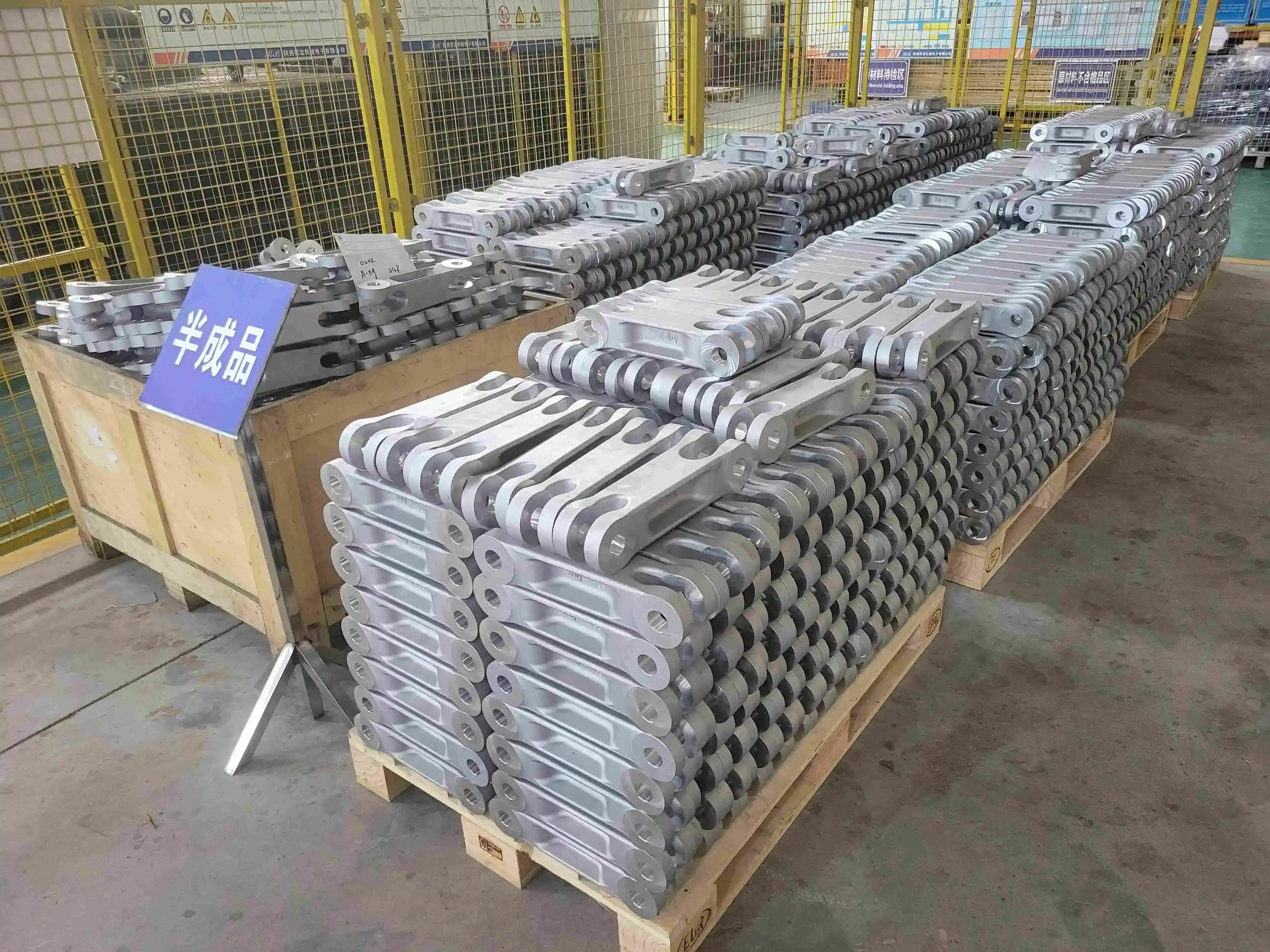
Cast sink filter for aluminum structural parts is being asked for more and more by industries that need zero-defect casting, where inclusions cause parts to be rejected and certification fails. It has been shown to remove particles smaller than 100 microns, which is in line with the strict quality rules set by ISO9001:2015 and IATF 16949. When engineering teams look at a supplier's skills, they give more weight to companies that have ISO14001 environmental certifications and can show controlled processes from inspecting raw materials when they come in to final shot blasting and packaging in corrugated boxes.
Decision Metrics for B2B Procurement Teams
To choose the best filter, you need to look at more than just the unit price. Important things to think about are whether the filter works with existing gating systems, how close the supplier is so that they can quickly restock, how quickly they can provide technical support, and how flexible the customization options are so that the product line can grow. Purchasing managers who are in charge of yearly casting budgets of $500,000 to $3 million give more weight to vendors who offer integrated solutions that include filter supply, mold development, surface treatment coordination, and quality documentation. This makes handling multiple suppliers easier.
Maintenance, Troubleshooting, and Longevity
Filter Replacement Indicators
By keeping an eye on metal flow rates and mold fill times, you can tell early on when the filter is full. If the pouring time goes over baseline values by 20%, filters usually need to be replaced to keep back-pressure from building up and metal from getting into runner systems. Visually checking for darkening or surface scaling is another way to tell if the filter isn't working as well. Setting up replacement methods based on output weight instead of random time intervals makes the best use of filters and keeps them from being thrown away too soon.
Common Operational Challenges
Metal can sometimes get through cast sink filters when superheat temperatures are too high or when filter preheating protocols are not followed correctly. Proper preheating to 300–400°C stops thermal shock and stops cracks from forming, which would damage the integrity of the filter. When oxide films build up on mesh screens, they get clogged. This happens because the flow becomes turbulent, which brings in air bubbles. To solve these problems, operators need to be trained, and standard operating procedures must be written down and matched to ISO45001 safety standards for the workplace.
Supplier Partnership and Technical Support
For production to be successful in the long term, suppliers must provide consistent filter quality, quick order fulfillment, and quick technical troubleshooting. When manufacturers have casting flaws that they can't figure out, providers who give metallurgical analysis, process checks, and custom filter geometries that work with different gating setups can help. We've built partnerships with equipment builders in Southeast Asia, the Middle East, and South America. This lets us offer localized support that gets around the language barriers and time zone issues that often happen in global supply chains.
Market Overview and Supplier Insights for B2B Clients
Global Filtration Technology Landscape
Industrial casting filtration suppliers range from huge multinational material science firms to modest regional aluminum foundry solution providers. European vendors emphasize high-tech ceramic compositions and accurate pore distribution, whereas Asian suppliers compete on price and speed for common forms. Purchase managers buying cast sink filters from China increasingly want foreign certifications, export paperwork expertise, and English-language technical assistance. These simplify customs clearance and compliance.
Procurement Channels and Pricing Models
Directly working with a manufacturer gives you more options for customization and lets you work together on technical issues, but it may cost more per unit for smaller orders. Distributor networks offer local goods and combined shipping, but they make it harder to make changes. When a yearly contract for more than 10,000 filters is signed, volume price structures usually lower unit costs by 15–25%. This works with production planning for companies that want to keep monthly outputs stable. Knowing how these things work helps buying teams get better terms while keeping the supply chain strong.
Emerging Trends in Filtration Materials
The goal of research into advanced ceramic composites is to make them more resistant to thermal shock and lower the cost of the materials used without affecting how well they filter. Silicon carbide chemicals make things last longer in superheated conditions, and nano-engineered pore structures promise to catch smaller particles. In response to ISO14001 environmental management commitments, sustainability initiatives are driving the creation of filter substrates that can be recycled and manufacturing methods that produce less waste. By keeping up with these new developments, forward-thinking producers can quickly adopt technologies that give them a competitive edge.
Conclusion
Which cast sink filter or mesh filter technology to employ depends on manufacturing demands, quality standards, and operating limits. Cast sink filters remove inclusions better, are simpler to handle, and have reduced total ownership costs for gravity casting aluminum bearing end covers. Equipment manufacturers seeking one-stop purchasing solutions pick them because of their high-volume manufacturing, authorized quality processes, and integrated source connections. Some applications justify the additional labor required to maintain mesh filters, but in most industrial settings, cast sink filtration produces consistent quality results that enable organizations to compete globally.
FAQ
1. Which Filter Type Captures Microscopic Impurities More Effectively?
Cast sink filters work better than others at removing oxide inclusions smaller than 100 microns using depth filtration. Their three-dimensional porous structure holds particles inside channels, while mesh filters depend on surface interception that is limited by the size of the opening. There are clear benefits to using cast sink filtration in situations where tight quality control and fewer post-machining flaws are needed.
2. What Temperature Range Can Each Filter Withstand?
Cast sink filters made of alumina-zirconia composites keep their shape up to 1,100°C, which is fine for the superheat margins that happen when aluminum is gravity cast. Mesh screens made of stainless steel or Inconel metals can be exposed to temperatures of up to 900°C for long periods of time. By matching filter temperature rates to process factors, you can keep them from breaking down too soon and letting contaminants in.
3. How Often Should Filters Be Replaced to Prevent Defects?
Instead of being set in stone, replacement intervals depend on the volume of work that needs to be done. Cast sink filters can usually handle 500 to 800 kg of molten aluminum before they become too full and can't handle the flow. Keeping an eye on mold fill times and setting replacement schedules based on weight flow helps get the most out of filters while still meeting the quality standards needed for parts that will be CNC machined and given surface treatments.
Partner with a Trusted Cast Sink Filter Manufacturer
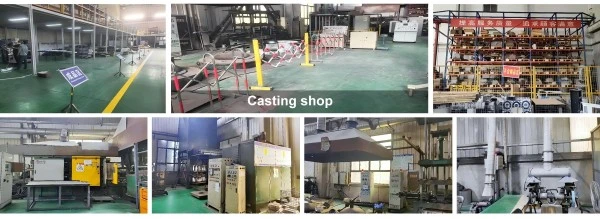
Choosing the right filtering partner has a direct effect on how well your products are made and how well they are filtered. With 20 years of experience in aluminum casting, Rongbao Enterprise helps equipment manufacturers all over the world with complete solutions from design to delivery. Our ISO9001:2015, ISO14001, and ISO45001 certifications make sure that the quality is always the same, and our Xi'an plant can handle your growing needs with its 5,000-piece monthly capacity. We can make cast sink filters that are exactly what you need based on your metal chemistry, gating designs, and quality goals. We also offer quick technical help and low prices for large orders. You can email our team at steve.zhou@263.net and zhouyi@rongbaocasting.com to talk about your filtration needs, get product catalogs, or start testing samples.
References
1. Campbell, J. (2015). Complete Casting Handbook: Metal Casting Processes, Metallurgy, Techniques and Design. Butterworth-Heinemann.
2. Dispinar, D., & Campbell, J. (2011). Use of bifilm index as an assessment of liquid metal quality. International Journal of Cast Metals Research, 24(2), 94-102.
3. Upadhya, K. G., Paul, B. K., & Dinwiddie, R. B. (1995). Filtration of molten aluminum using ceramic foam filters. Light Metals, 1995, 1151-1158.
4. Zhang, L., & Thomas, B. G. (2003). Inclusions in continuous casting of steel. Proceedings of the 24th McMaster Symposium on Iron and Steelmaking, 138-183.
5. Raabe, D. (1998). Computational Materials Science: The Simulation of Materials Microstructures and Properties. Wiley-VCH.
6. American Foundry Society. (2018). Aluminum Casting Technology. Des Plaines, IL: American Foundry Society.
Learn about our latest products and discounts through SMS or email