- English
- French
- German
- Portuguese
- Spanish
- Russian
- Japanese
- Korean
- Arabic
- Greek
- German
- Turkish
- Italian
- Danish
- Romanian
- Indonesian
- Czech
- Afrikaans
- Swedish
- Polish
- Basque
- Catalan
- Esperanto
- Hindi
- Lao
- Albanian
- Amharic
- Armenian
- Azerbaijani
- Belarusian
- Bengali
- Bosnian
- Bulgarian
- Cebuano
- Chichewa
- Corsican
- Croatian
- Dutch
- Estonian
- Filipino
- Finnish
- Frisian
- Galician
- Georgian
- Gujarati
- Haitian
- Hausa
- Hawaiian
- Hebrew
- Hmong
- Hungarian
- Icelandic
- Igbo
- Javanese
- Kannada
- Kazakh
- Khmer
- Kurdish
- Kyrgyz
- Latin
- Latvian
- Lithuanian
- Luxembou..
- Macedonian
- Malagasy
- Malay
- Malayalam
- Maltese
- Maori
- Marathi
- Mongolian
- Burmese
- Nepali
- Norwegian
- Pashto
- Persian
- Punjabi
- Serbian
- Sesotho
- Sinhala
- Slovak
- Slovenian
- Somali
- Samoan
- Scots Gaelic
- Shona
- Sindhi
- Sundanese
- Swahili
- Tajik
- Tamil
- Telugu
- Thai
- Ukrainian
- Urdu
- Uzbek
- Vietnamese
- Welsh
- Xhosa
- Yiddish
- Yoruba
- Zulu
What is more precise investment casting vs permanent mold casting?
Investment casting is usually more precise than permanent mold casting, especially for small to medium parts with thin walls, fine details, and curved features. This lost-wax route is the best-known form of precision casting, and it often gives a finer as-cast surface and a near-net shape that needs less machining. Permanent mold casting, which uses a reusable metal mold, still holds tight repeatability on simpler, draft-friendly aluminum parts at higher volumes. I wrote this for buyers who have a drawing but not a process yet. Below, I compare the two, look at cost, and show how to pick the right one for your drawing.
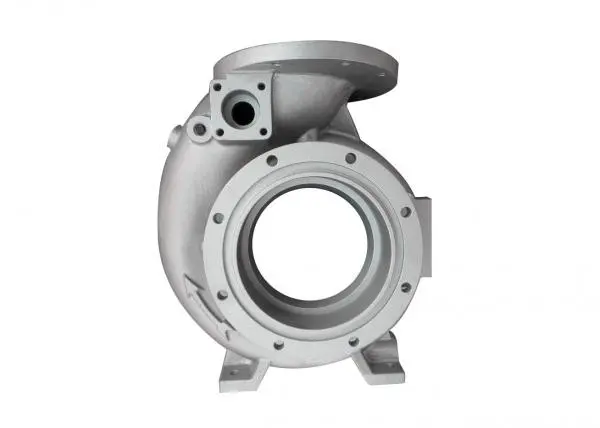
How Investment Casting and Permanent Mold Casting Work
What Precision Means in Casting
Being exact is more than just a number on a graph. Things I look at together are the shapes, the thickness of the walls, the surface finish, the repeatability, the machining allowance, the alloy, and the size of the part. You need to think about a thin stainless steel bracket and a thick aluminum housing in different ways, even if the tolerances are shown on the drawing. The accuracy depends on the tools used, the control of the process, the inspection, and any CNC machining that comes after. That way, people who buy and sell can talk the same language. ISO 8062-3 gives basic tolerance grades for sizes and machining allowances for casts. When you compare them, ask yourself which process holds your most important features with the least amount of extra work. No number is more important than that question.
How Investment Casting Works
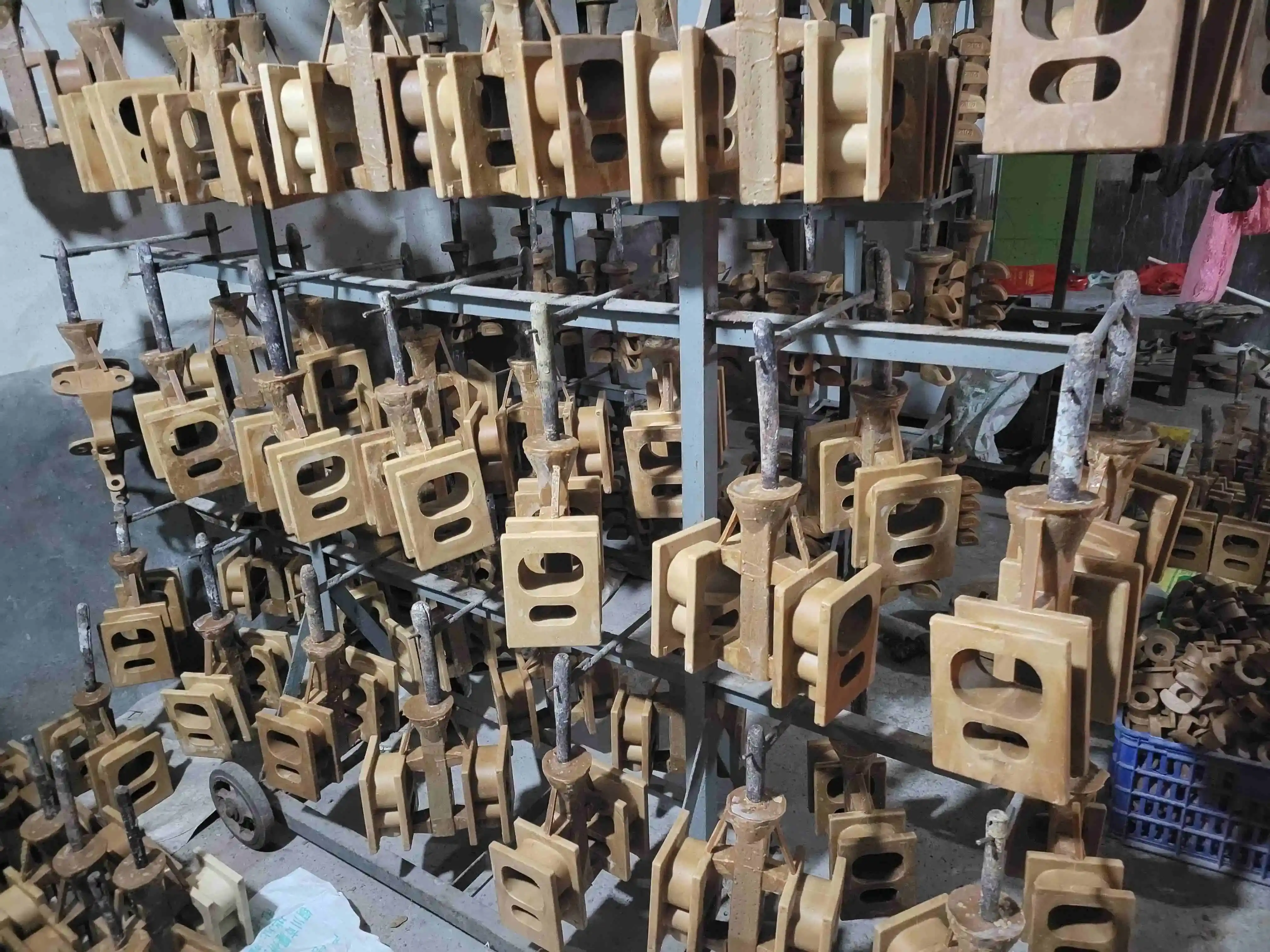
This is the first step in investment casting, which is also called lost-wax casting. It is a wax or polymer form. Patterns are put on a wax tree with gates and risers. After that, the tree is dipped in a slurry of ceramics until a strong shell forms. The wax melts away in the mold when it gets hot, leaving an empty shape. The hot shell is full of metal that is melting. They take off the shell, cut off the parts, finish them, make them, check them, and heat-treat them if they need to. The process can handle undercuts, curves, ribs, and small holes because the wax picture can hold them. Nickel metals, carbon steel, nickel steel, stainless steel, and nickel steel can all be used with it.
How Permanent Mold Casting Works
A fixed mold is a metal mold that can be used more than once. These molds are usually made of steel or cast iron. The crew cleans the mold, sprays it with something, and heats it up. Next, molten metal is poured into the hole. In the original, this is done by gravity, but in similar models, it is done with low pressure. It is possible to control the heat that cools the metal so that it can come out of the mold. The team then cuts the gates and flash to the right size, after which they heat treat, machine, finish, and check the part. The best alloys for this short process are made of aluminum, magnesium, zinc, and copper. Undercuts and deep internal pathways can't happen because of the draft angles and the direction of the mold hole.
Precision Comparison: Investment Casting vs. Permanent Mold Casting
Dimensional Control and Tolerances
Investment casting usually gives more accurate sizes than fixed model casting. Because of this, ISO 8062-3 gives lower grades to investment castings than to most metal-mold processes. The reason is good. A clay shell is a one-piece mold, so there aren't as many breaking line limits in the casting. The wax print also makes a good copy of the tool. There are cores that move and a base that splits in a permanent mold. The metal body grows and shrinks when heated. We still need to check out both processes. As the size gets bigger, the tolerances get less tight in both of them. I ask sources about each part to let me know what sizes they think it can hold as cast and which ones you will need to machine.
Surface Finish and Thin Walls
When you invest cast something, the surface that you get is usually smoother because the ceramic face copies a smooth wax pattern. For investment casting, many sites say that the smallest piece should be about 1 mm thick. Most of the time, it takes about 2 to 3 mm to fill well for permanent mold casting. Thinner frames and walls weigh less and take up less cutting stock. There may be parting lines, ejector pin marks, and flash on parts made in a permanent mold that need to be cut away. Those marks don't really matter on parts that are hidden. They help protect faces and other parts that look good. You have more design freedom with investment casting if your design has thin walls, curvy surfaces, or paths inside.
When Permanent Mold Casting Matches or Beats It
It's also important to be able to do it over and over again. Once the process is stable, there isn't much difference between the parts because the steel mold always makes the same shape of hole. A fixed mold can be used to make a simple metal housing, bracket, or cover with good draft. The form of the cast can be kept after light machining, and the price per unit is often lower. It is faster to make a finer grain in a metal mold than in sand casting. This makes aluminum alloys tougher most of the time. Investment casting is best for parts with complicated shapes and a lot of different materials. Permanent mold casting, on the other hand, is best for making a lot of non-ferrous parts at once.
Cost and Production Economics
Tooling and Unit Cost
Both need tools, but they are not the same. You need a new wax injection die and ceramic shell work every time you make an investment casting. It costs money to make each part because the shell mold is only used once. You need a steel or cast iron model to make molds that will last. It takes longer to make these models, but they can make a lot of parts. Cycle times go down as volume goes up, which means that unit cost goes down. For a first order of a few hundred pieces, the cost of the tools might be more important than the price per piece. When you place the same order over and over, mold life and cycle time start to set your budget.
Machining, Scrap, and Total Cost
The precision casting price by itself might not tell you everything you need to know. This method can reach almost-net form, which saves time, money, and material waste when making difficult parts. One casting can be used instead of a building made up of several pieces that are joined together. When the shape is simple and there isn't much wood to work with, it saves money to cast in a permanent mold. When you add up the costs of heat treatment, CNC machining, finishing, inspection, packaging, freight, and tariffs, the cheaper piece may end up being the most expensive. Both yield and scrap are important because low output makes the cost of each good part go up. Don't compare the as-cast price, but rather the actual cost of the parts that are already made.
What to Separate in an RFQ
Clear quotes won't surprise you. Get in touch with each supplier and ask them to set up a separate line for samples, casting, tooling, machining, surface treatment, inspection, packing, and delivery. How long do you think the tools will last? How long will it take to get the first samples? How many samples do you need to order for a test run? If you want to change the plan after the tools have been made, find out what will happen. It can cost more to make this kind of change. A line-by-line quote makes first-time buyers feel better because there are no hidden fees. Give each of the three to five suppliers the same drawing and the same amount of work to compare them. It will make sense now that you do this. Then you can look at price and process tips side by side.
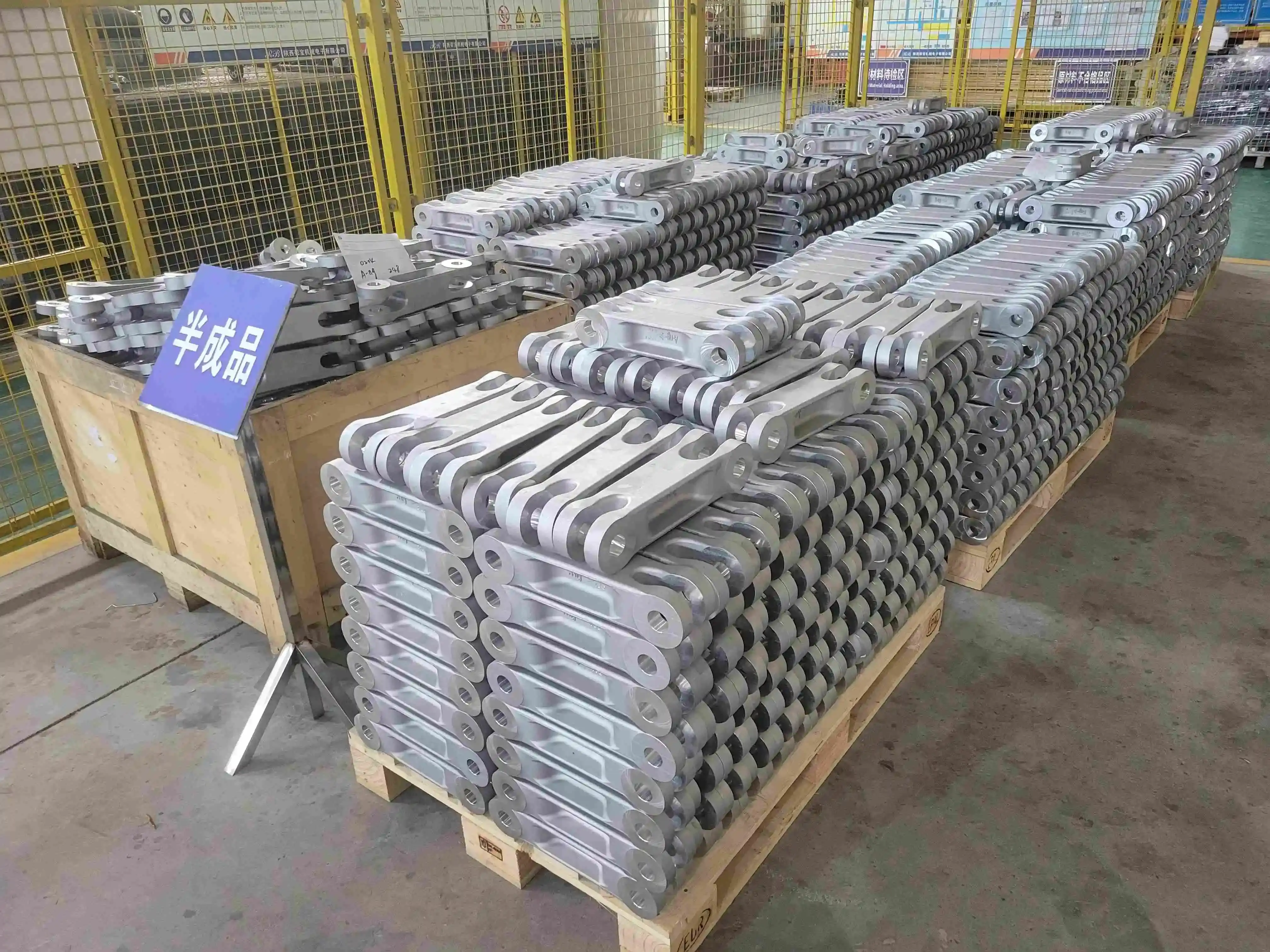
Choosing the Right Process and Checking Quality
What to Send With Your Inquiry
Good inputs are the first thing that you need to do to make a good process suggestion. Send a 2D drawing, a 3D CAD file, the grade or alloy, the amount of surface that needs to be covered, the annual volume, and details about how the machine will be used. Put marks on dangerous parts right away, like sealing faces, thin walls, bores, threads, and areas that will be under a lot of pressure. Next, ask the seller to show you how the parts made by investment casting, fixed mold casting, CNC machining, and forging compare to each other. Adding a draft or moving a wall are two small changes that are often found during a DFM review that save money. Get an NDA before you share your pictures with other people. That makes sure your idea is safe from the start.
Quality Standards and Inspection
For precision casting to be good, the process needs to be under control and there needs to be a written system for inspection. Buyers often look at ISO 8062, ISO 9001, ASTM material standards, and industry rules from groups like AMS, ASME, or PPAP to find out about tolerances. A CMM, dye penetrant testing, magnetic particle testing, pressure testing, hardness testing, and chemical analysis are some of the most common types of tests. These tests look for holes, shrinkage, cracks, inclusions, misruns, and distortion. A sample is used to test the process before a full batch is accepted. Find out what tests you need to do and get the results along with the samples.
Real-World Applications
Most of the time, the method comes after the application. Aerospace teams use investment casting to make turbine blades, which need alloys that can handle high temperatures and walls that are very thin. Medical devices need materials and surfaces that are easy to work with. When people who make pumps and valves test their work under pressure, they choose the impellers, flow passages, and valve bodies that will be cast. Teams that work on cars often use permanent mold casting to make metal frames and housings that need to be made over and over again. If they need to repair a lot of different parts in an engine, they use investment casting. The casting process is also used for jewelry, where small details are very important. Goods for consumers and businesses can land on either side, depending on their shape and size.
Why Buyers Work With Rongbao Enterprise
One Team From Design to Finished Part
Rongbao Enterprise brings 20 years of industry experience. Here are the capabilities that matter most to a first-time buyer:
- Casting routes: We use low-pressure die casting, high-pressure die casting, and gravity casting, which is based on the idea of a lasting form. That range lets our experts compare these routes to precision casting for your drawing and give you honest help with the process. Tell us about your volume's size and range, and we'll tell you which route works best and why.
- Mold development and surface treatment: We make the mold and treat the surface, so you only have to deal with one group to get the finished part. There are fewer handoffs and it's easy for people to ask questions about your picture because it only needs to be done in one place. It's now easier to make plans with people in different time zones.
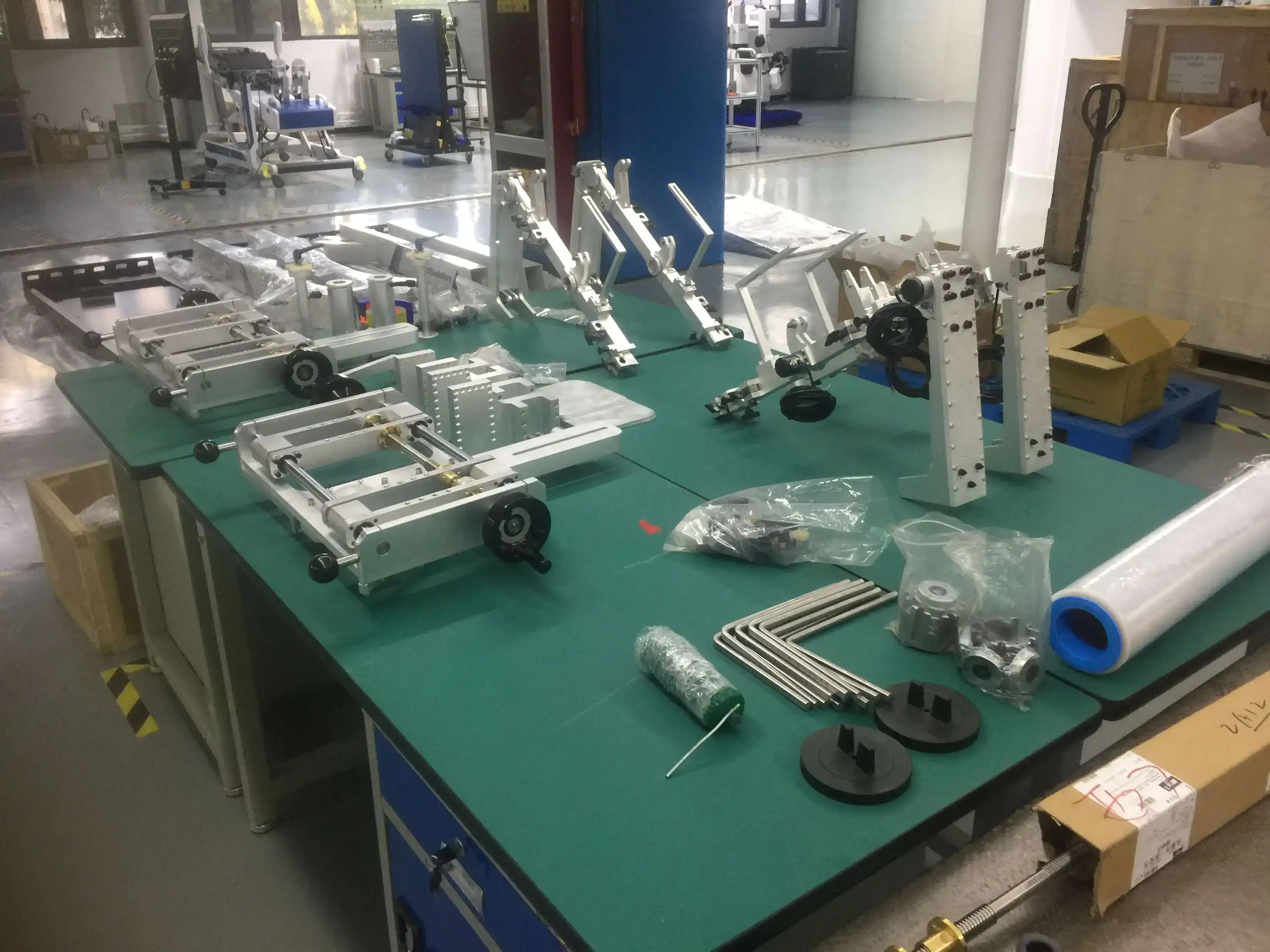
- Machining and materials: We can do custom production in a number of different materials and do precision machining at the same time as being cast. All of the drawing needs for bores, threads, and closing faces can be met in the same process. This is important because most cast parts still need to have their important parts machined before they can be put together. When there are fewer handoffs, there is also less room for mistakes.
These capabilities reduce handoffs and cut delay risk on a first order.
Quality System and Certifications
This is the most important thing for the first order because it builds trust. The standards that Rongbao Enterprise has are ISO 9001, ISO 14001, and ISO 45001. These standards cover managing quality, the environment, and health and safety at work. Everything is checked for quality from the time we get the raw materials to the time we send out the finished goods. Large-scale production is done in our standard workshops, and delivery times are carefully controlled. For testing, cutting, and casting, high-precision automatic equipment is used. That makes it more likely that you'll find a problem early, before it gets to your dock. Ask us for a review plan that works for you before you sign off on samples.
Export Experience and Cooperation
We know how people in big places like the US, Europe, and Japan buy things because about 70% of our goods go there. We value being honest, getting things right, being creative, and moving quickly. We have good relationships with people all over the world. We have more than just parts. We offer integrated component solutions for groups that make equipment and want to get everything from a single source. I know it's risky to work with a new company for the first time. This risk can be lowered by following a clear path: first look at the picture, then samples, then a small test batch, and finally the whole batch. Each step tells you something before you spend more money.
Conclusion
This is usually the most accurate way to make small to medium-sized parts with thin walls, small details, curved surfaces, and holes inside them. Less accurate scores can be reached under ISO 8062-3. Also, it has a smoother surface right out of the mold and need less cutting most of the time. When it comes to simple, draft-friendly non-ferrous parts, permanent mold casting stays competitive. This is because a steel or cast iron mold that can be used over and over again gives consistent results and lower unit costs at higher volumes. There are other things that go into the cost besides the price of the casting itself. These are tooling, machining, scrap, inspection, and freight. For the right process, you need to compare the model, the alloy, the amount, the tolerance, and the test records to the right ones. You can use either method, so choose the one that works best for precision casting.
FAQ
Is investment casting always more precise than permanent mold casting?
Not at all. Shapes with lots of sides, thin walls, and fine surface details work best when cast in investment. A simple metal part with good draft can keep its important sizes in a fixed cast, even after some light machining.
Does precision casting still need machining?
Yes, most of the time. When parts are precision cast, they get very close to their final form. However, to get the tightest tolerances, CNC machines are usually used to make the bores, threads, sealing faces, and datums.
Which alloys suit each process?
It is possible to make handles out of aluminum, carbon steel, nickel alloys, and stainless steel. When making a permanent mold, alloys from aluminum, magnesium, zinc, and copper work best.
What does a supplier need to quote my part?
Send a 2D plan, a 3D CAD file, the material, the amount per year, the limits, the surface needs, the inspection needs, and the address of where the goods will be shipped. A DFM study then shows the best way to do things.
Why does permanent mold casting cost more up front?
The mold has bases and is made of strong steel or cast iron. It needs to be able to handle a lot of rounds. The price per unit goes down as more are bought because the cost is spread out over many parts.
Request a Precision Casting Process Review and Quote
Rongbao Enterprise has been a source for precision casting for 20 years. Our team will look at the investment, gravity, and die casting routes for your part after you send us a picture of it. Every part of our business is checked, from the raw materials to the supplies. We have ISO 9001, ISO 14001, and ISO 45001 certifications. Let us know what you have, how much, and what the limits are so we can give you a clear process suggestion. Send an email to steve.zhou@263.net or zhouyi@rongbaocasting.com with more information, or visit rongbaocasting.com.
References
- ASM Handbook, Volume 15: Casting (ASM International, 2008)
- Complete Casting Handbook, John Campbell (Butterworth-Heinemann, 2015)
- Investment Casting, P. R. Beeley and R. F. Smart (The Institute of Materials, 1995)
- Fundamentals of Modern Manufacturing, Mikell P. Groover (Wiley, 2019)
- ISO 8062-3: Geometrical Product Specifications (GPS) – Dimensional and Geometrical Tolerances for Moulded Parts – Part 3 (International Organization for Standardization, 2007)
- Manufacturing Engineering and Technology, Serope Kalpakjian and Steven R. Schmid (Pearson, 2014)
Learn about our latest products and discounts through SMS or email