- English
- French
- German
- Portuguese
- Spanish
- Russian
- Japanese
- Korean
- Arabic
- Greek
- German
- Turkish
- Italian
- Danish
- Romanian
- Indonesian
- Czech
- Afrikaans
- Swedish
- Polish
- Basque
- Catalan
- Esperanto
- Hindi
- Lao
- Albanian
- Amharic
- Armenian
- Azerbaijani
- Belarusian
- Bengali
- Bosnian
- Bulgarian
- Cebuano
- Chichewa
- Corsican
- Croatian
- Dutch
- Estonian
- Filipino
- Finnish
- Frisian
- Galician
- Georgian
- Gujarati
- Haitian
- Hausa
- Hawaiian
- Hebrew
- Hmong
- Hungarian
- Icelandic
- Igbo
- Javanese
- Kannada
- Kazakh
- Khmer
- Kurdish
- Kyrgyz
- Latin
- Latvian
- Lithuanian
- Luxembou..
- Macedonian
- Malagasy
- Malay
- Malayalam
- Maltese
- Maori
- Marathi
- Mongolian
- Burmese
- Nepali
- Norwegian
- Pashto
- Persian
- Punjabi
- Serbian
- Sesotho
- Sinhala
- Slovak
- Slovenian
- Somali
- Samoan
- Scots Gaelic
- Shona
- Sindhi
- Sundanese
- Swahili
- Tajik
- Tamil
- Telugu
- Thai
- Ukrainian
- Urdu
- Uzbek
- Vietnamese
- Welsh
- Xhosa
- Yiddish
- Yoruba
- Zulu
Where to Buy Casting Accessories?
Finding reliable sources for casting accessories remains a top priority for manufacturers in the gas safety and security alarm equipment sectors. These precision-engineered components form the backbone of explosion-proof enclosures, alarm system housings, and gas meter protective covers. Quality casting accessories directly impact product certification success, assembly efficiency, and market competitiveness. For procurement managers and product engineers navigating global supply chains, understanding where to source premium aluminum alloy castings with verified explosion-proof ratings and flexible OEM/ODM capabilities can mean the difference between delayed product launches and capturing market opportunities.
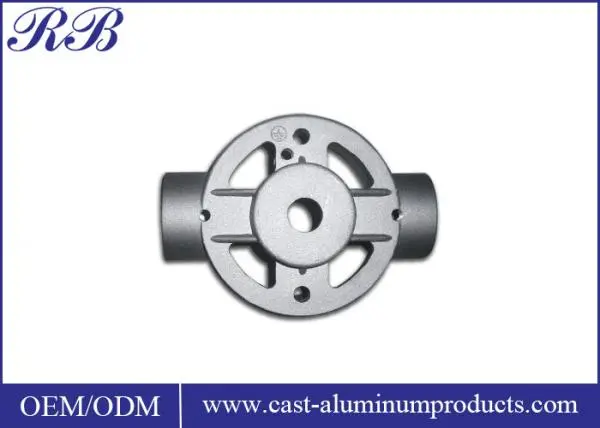
Casting Accessories Importance
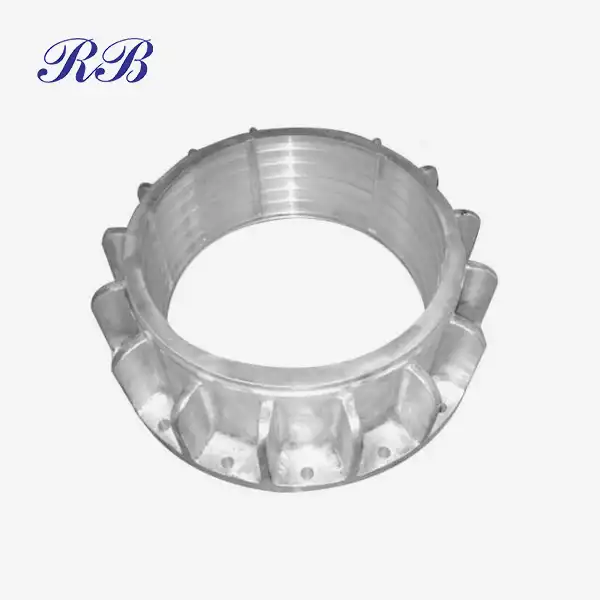
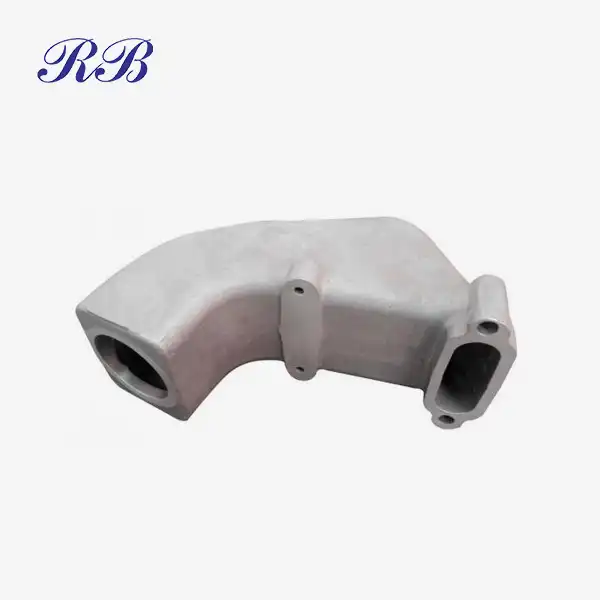
Casting accessories include a wide range of manufactured parts used across industrial settings, particularly in gas safety equipment and security systems. These components include junction boxes, protective covers, metal housings for control valves, and enclosure systems designed to meet strict safety standards.
Material Selection in Modern Casting Accessories
The choice of material has a big impact on how well a component works. Thanks to its great balance of strength, corrosion resistance, and castability, A380 aluminum alloy has become a popular choice for gas equipment housings. This metal stays strong even when it's heated up, and it's also very light, which is important for getting the job done quickly. When evaluating explosion-proof aluminum castings, the type of material used directly impacts how well they seal and the results of the certification process. High-pressure die casting methods using A380 provide the precise measurements needed for parts that weigh 0.8 kg or less, where tight tolerances stop gas leaks in important safety uses.
Manufacturing Process Impact on Quality
The casting process determines both the quality of the structure and the cost of production. When compared to gravity or sand casting, high-pressure die casting produces better surface finishes and more precise size control. This is very important for alarm system parts that need IP65 or higher grades for ingress protection. Low-pressure aluminum casting works best for bigger housings because it keeps the metal flow under control, which reduces porosity and other internal defects. More and more, manufacturers of security equipment need processes that can handle complicated shapes while still being able to make about 5,000 pieces per product line. This number strikes a good mix between market flexibility and tooling investment.
Certification Requirements Driving Sourcing Decisions
International safety and quality certifications are must-haves when looking for casting accessories to buy. If a supplier has ISO9001:2015 approval, it means they follow consistent quality management systems. ISO14001 and ISO45001, on the other hand, deal with environmental duty and health and safety at work. When making gas safety products for global markets, the certification status of the supplier has a direct effect on when the products can be approved. Parts that are going to be used in explosion-proof applications must come from factories that can show they have the traceability, testing, and paperwork methods needed for Ex d IIB T6 classification.
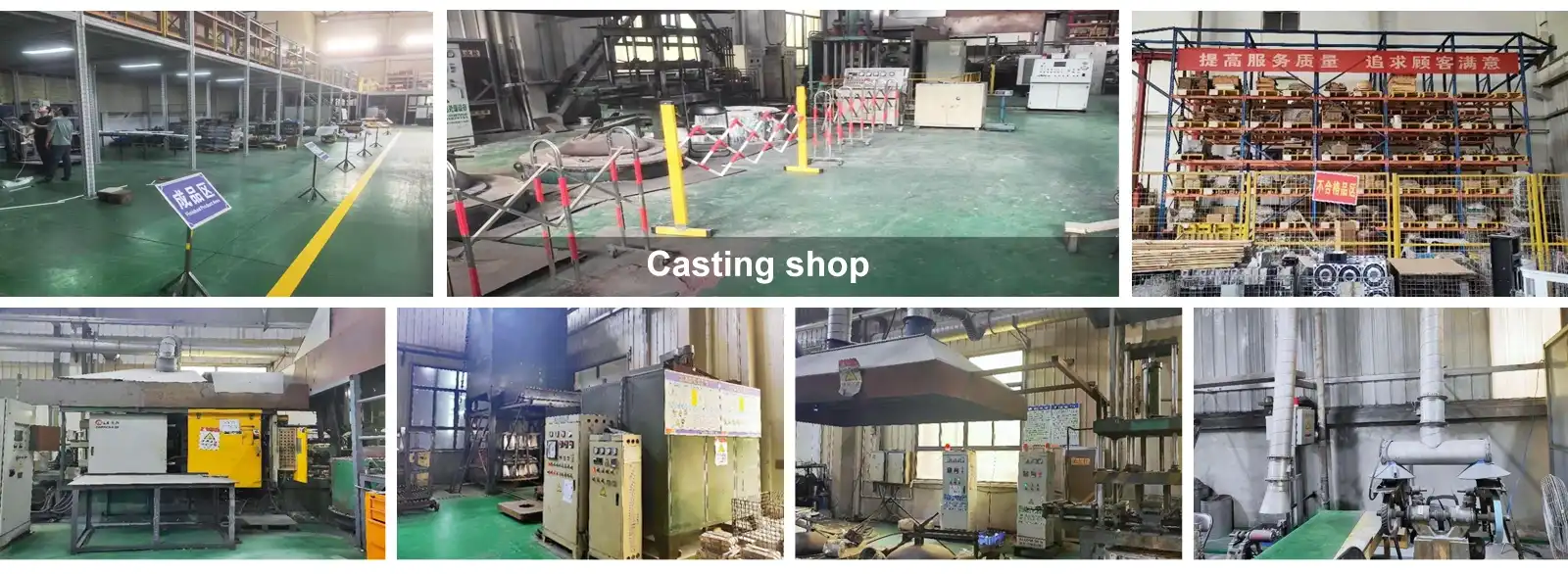
Key Criteria for Selecting High-Quality Casting Accessories
When making a purchase choice, it's not just about the price at first; it's also about delivering total value over the duration of a product. When you're evaluating suppliers, you need to take a systematic look at their technical skills, quality control methods, and operational flexibility.
Material Properties and Performance Standards
In harsh industrial settings, corrosion protection decides how long something will last. A lot of the time, gas detection equipment works in chemically exposed areas where cheap castings break down quickly. Surface treatments like shot blasting make it easier for coatings to stick and create even finishes that make things look better and last longer. Tensile strength of properly cast A380 aluminum is higher than 320 MPa, which means that housings can withstand installation pressures and operating vibrations without breaking. When looking for parts for outdoor installations, I give more weight to suppliers who can show controlled cooling rates during solidification. This is because this metallurgical detail stops internal stresses that hurt long-term reliability.
Precision Engineering and Machining Capabilities
Post-casting cutting tells the difference between good parts and great ones. With their multi-axis capabilities, CNC machining centers can make threaded joints, gasket fitting surfaces, and mounting interfaces with the accuracy needed. With tolerances of just ±0.05mm, electronic parts can be properly put together inside housings while the seal stays intact. When suppliers offer integrated machining services, they get rid of the planning problems that come with supply chains with more than one provider. This integration is especially helpful for custom alarm system housings that need to go through rapid prototyping and modification cycles as the design changes.
Customization Flexibility for Small-Batch Production
Manufacturers of casting accessories face a unique problem: they have to make a lot of different products, but only a few of each are sold at a time. Traditional foundries often turn down orders for less than 10,000 pieces, which makes it hard for companies that are making custom alarm systems. Finding partners who are ready to do practice runs of 500 to 1,000 units speeds up the time it takes to get into a market. Customization goes beyond size and includes built-in features such as wire entry points, mounting bosses, and air holes. The ability to change tools for different products without having to wait too long or pay too much for setup directly helps companies stay competitive in security markets that are changing quickly.

Where to Source Premium Casting Accessories?
When making choices about geographic sourcing, costs are weighed against wait times, quality control, and how well people can communicate. Learning about the manufacturing skills in an area helps match the choice of suppliers with the long-term needs of the business.
Asian Manufacturing Capabilities
Over the past 20 years, China's metal casting industry has changed a lot. Today, the best facilities meet or beat foreign quality standards. Xi'an, which is in the middle of China, has become a specialized manufacturing hub by combining technical know-how with good transportation systems. Because they are close to aluminum smelters, tooling makers, and surface treatment facilities, regional suppliers there can offer complete solutions. Each product line can make up to 50,000 pieces per year, which is enough for both development-phase numbers and full-scale production. The concentration of additional service providers, such as testing labs familiar with international explosion-proof standards, makes it easier for buyers who need approved parts to get them.
When I look at Asian providers, I don't just look at how much they charge; I also look at how well they communicate technically and protect my intellectual property. Manufacturers who have a history of sending goods to markets in Europe, the United States, and Japan show that they know what quality standards are expected around the world. When export ratios are higher than 70%, it means that the business is mature and that customers will stay with it even if prices go down.
Online Platforms Versus Direct Manufacturer Relationships
Digital B2B platforms are good for finding new suppliers because they let you see product lines, certifications, and customer reviews. But direct relationships with manufacturers are better for complicated casting projects that need ongoing engineering collaboration. Direct engagement makes it easier to improve technical specifications, make multiple prototypes, and fix quality problems without having to go through a middleman. Transaction-oriented platform vendors may not be able to handle mold development, first article checks, and production scale-up as well as suppliers who offer specialized project management support.
Evaluating Total Supply Chain Reliability
The quality of delivered parts is affected by how they are transported and packaged. Casting accessories are kept safe during international shipping in wooden boxes, which keeps the surfaces from getting damaged and protects the integrity of the coating. Logistics partners that suppliers already have in place handle customs paperwork and combine packages, which lowers the cost of freight per unit. Lead time reliability is just as important as stated delivery times. For example, a supplier that always meets six-week turnarounds is better for accurate production planning than one that says they will do it in four weeks but often takes eight.
Conclusion
To find high-quality casting accessories, you have to balance technical requirements, the supplier's abilities, and the total cost within the frameworks of strategic procurement. Controlled high-pressure die casting methods, precision CNC machining, and certification to international quality standards give aluminum alloy parts used in gas safety and security systems the dependability they need. Suppliers with integrated manufacturing capabilities, flexible production volumes, and a history of exporting offer more than just lower unit prices. Building partnerships with manufacturers that offer customization help, responsive engineering, and consistent quality speeds up product development and helps companies stay competitive in tough industrial markets.
FAQs
What certifications should I verify when sourcing casting accessories?
Reputable casting accessory suppliers should maintain ISO9001:2015 for quality management, ISO14001 for environmental systems, and ISO45001 for health and safety at work. These licenses show that there are systematic rules over operations and a safety infrastructure. For applications that need to be explosion-proof, make sure that the seller knows about the ATEX, IECEx, or other regional certification testing standards. It's possible for component makers to not hold direct product certifications.
How can small-batch orders be accommodated economically?
By optimizing their tooling strategies and setup procedures, specialized manufacturers with flexible production schedules can handle runs of 500 to 5,000 pieces without breaking the bank. Talking about expected volume and product lifetime helps suppliers suggest the right mold complexity and material choices that balance the cost of the original investment with the cost per unit. Combining several low-volume versions into a single production run makes economics even better.
What lead times should I expect for custom aluminum castings?
Depending on how complicated the design is, making the first prototype, which includes making the mold, usually takes six to eight weeks. After the mold is approved, most production runs of 1,000 to 5,000 pieces ship within two to three weeks. Setting up framework agreements with pre-approved designs and well-kept tools cuts the time it takes to make a repeat order down to one to two weeks, which helps the supply chain work more quickly.
Partner with Rongbao Enterprise for Your Casting Accessory Needs
Getting around the global casting accessories supplier landscape is a lot easier when you work with well-known companies that show they can do a lot. Rongbao Enterprise is based in Xi'an, China, and has twenty years of experience in die casting aluminum alloys for gas safety and industrial equipment. Our factory uses methods that are certified by ISO9001:2015, ISO14001, and ISO45001, which include high-pressure die casting, CNC machining, and surface treatment. We offer full component solutions from the initial planning phase to the final product.
We know the unique problems that security alarm equipment makers face when they need to make a moderate number of explosion-proof aluminum housings. Our production capacity allows runs from 500 pieces to test the market to 50,000 units for well-known products, and we can make changes to meet the needs of unique applications. Seventy percent of what we make goes to the tough European, American, and Japanese markets, which shows how committed we are to meeting foreign quality standards.
Our engineering team works together throughout the whole development process, whether you need A380 aluminum control valve housings with precisely machined interfaces, custom alarm device casings that meet specific IP ratings, or protective covers that need special fitting instructions. Our method to combined production gets rid of the need for complicated planning and makes sure that the quality of the casting, machining, and finishing processes is always the same.
Get in touch with our team to talk about your needs for casting accessories. Steve Zhou can be reached at steve.zhou@263.net or zhouyi@rongbaocasting.com to talk about how our services can help you reach your buying goals. Find out how working with a dedicated casting accessories manufacturer can improve the reliability of your supply chain and cut down on the time it takes to develop a new product. You can find detailed information about our capabilities and case studies showing how our solutions work in a variety of settings at rongbaocasting.com.
References
- Smith, J., & Williams, R. (2023). Aluminum Alloy Selection for Safety-Critical Applications: Material Properties and Certification Requirements. Industrial Manufacturing Press.
- Chen, L. (2024). "High-Pressure Die Casting Process Optimization for Explosion-Proof Enclosures." Journal of Advanced Manufacturing Technology, 45(3), 287-304.
- European Committee for Standardization. (2022). EN 60529:2022 – Degrees of Protection Provided by Enclosures (IP Code). Brussels: CEN Publications.
- Anderson, M., & Thompson, K. (2023). Global Sourcing Strategies for Precision Components: Risk Management and Supplier Evaluation Frameworks. Supply Chain Institute.
- Zhang, W., Liu, H., & Park, S. (2024). "Quality Assurance Practices in Asian Aluminum Casting Industries: Comparative Analysis of ISO Implementation." International Journal of Quality Management, 38(2), 156-173.
- National Fire Protection Association. (2023). NFPA 70: National Electrical Code – Article 500: Hazardous Locations Classification and Equipment Requirements. Quincy: NFPA.
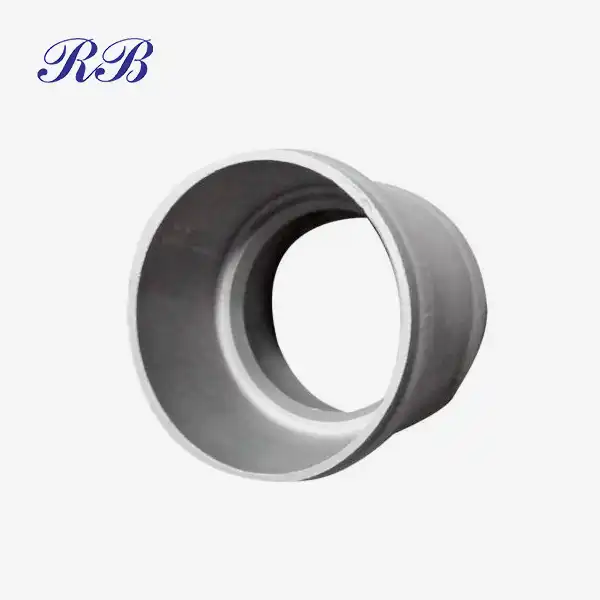
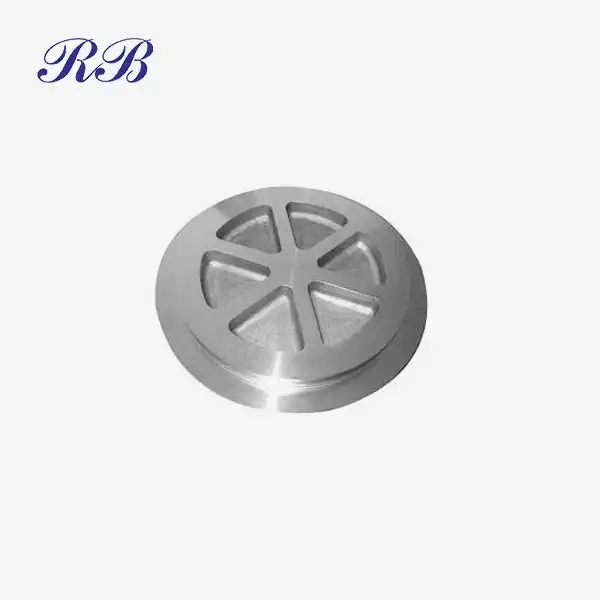
Learn about our latest products and discounts through SMS or email