A356 Alloy
Among the various materials used for casting craft souvenirs, A356 aluminum alloy has emerged as an industry favorite since the early 2000s. This wasn't always the case—bronze and brass dominated the market throughout much of the 20th century. However, when Wang Jianguo, a metallurgist at the Northwest Institute of Non-ferrous Metal Research in Xi'an, published his influential 1998 paper on lightweight architectural reproductions, he highlighted A356's exceptional combination of properties that make it particularly suitable for detailed souvenir applications.
A356 alloy contains approximately 7% silicon and 0.3% magnesium, with traces of copper, iron, and zinc. It's very important to be able to pour this mix smoothly so that you can get the fine details of building models, historical figures, or cultural symbols. During a 2017 metallurgical conference in Singapore, foundry technicians demonstrated that A356 can capture details as fine as 0.3mm, which is essential for replicating delicate elements like the tile work on miniature pagodas or the facial expressions on figurines.
The high strength-to-weight ratio of A356 makes it useful for making souvenirs. A typical cast craft souvenir made from this alloy weighs approximately 30-40% less than its bronze equivalent while maintaining sufficient structural integrity. For tourists concerned about luggage weight restrictions, this represents a significant benefit. The alloy's corrosion resistance also means these souvenirs maintain their appearance without developing the greenish patina characteristic of copper-based alloys—unless that effect is deliberately induced through chemical treatments.
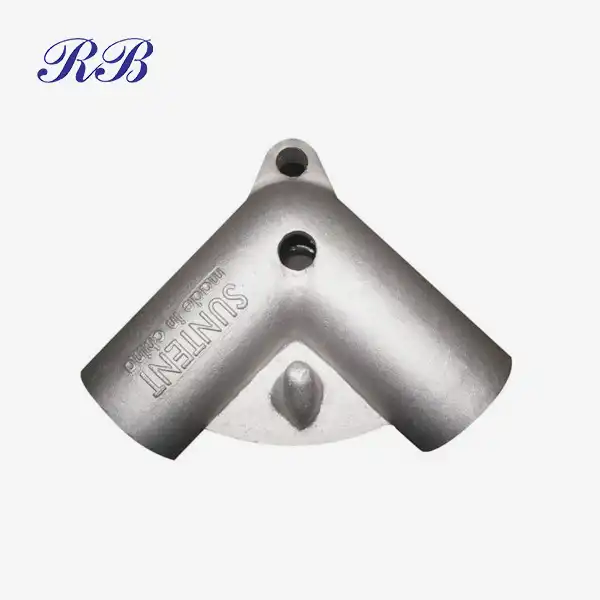
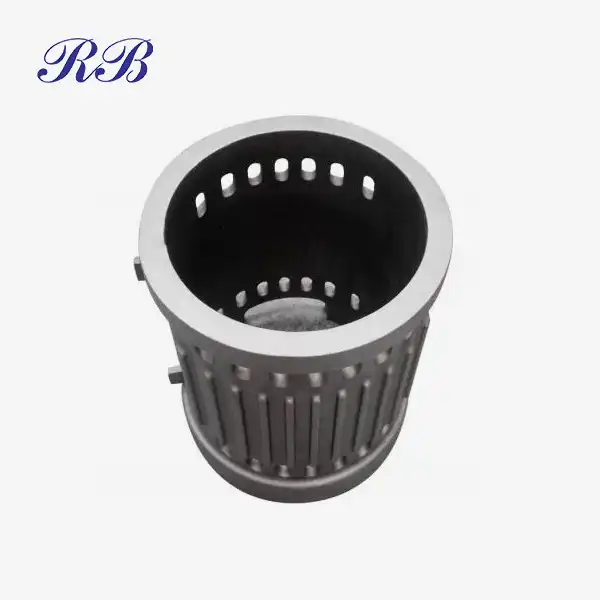
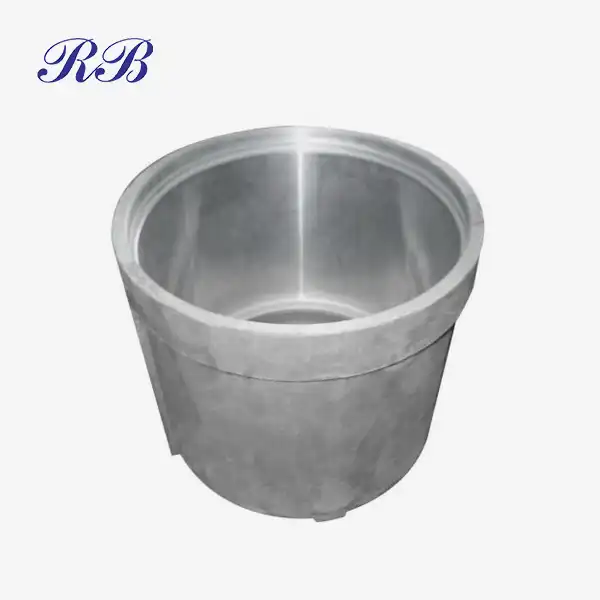
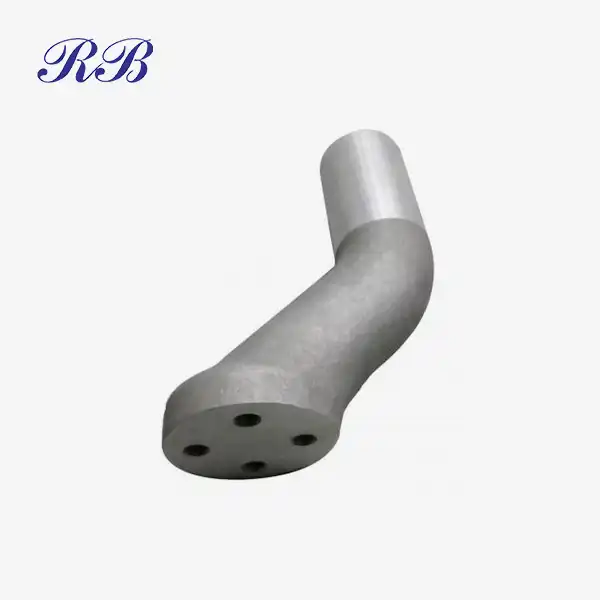
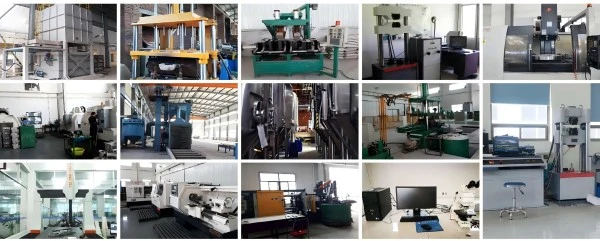
The precision casting process utilized with A356 involves creating a detailed wax pattern, building a ceramic shell around it, melting out the wax, and then pouring the molten alloy at temperatures around 720°C. After cooling, the pieces undergo shot blasting to improve surface finish, followed by CNC machining for critical dimensions. This process, while more complex than simple die casting, yields souvenirs with exceptional detail and consistency. When you examine a well-cast A356 souvenir under magnification, you can often see minute details that reveal the craftsmanship involved—something particularly valued by collectors of architectural miniatures or historical replicas.
Customizable Material & Finish Options
While A356 alloy serves as an excellent base material, manufacturers of casting craft souvenirs often employ a range of supplementary materials and finishes to achieve specific aesthetic or functional goals. Back in 2019, I visited a workshop in Xi'an where craftsmen were applying various finishes to otherwise identical castle replicas. The transformation was remarkable—the same basic A356 casting could appear centuries old or freshly constructed depending on the applied finish.
Patination techniques borrowed from fine art bronze work can create authentic-looking aged surfaces on aluminum souvenirs. Using solutions of potassium sulfide, copper nitrate, or ferric nitrate, artisans create controlled surface reactions that impart rich browns, deep blacks, or verdigris effects that mimic centuries of natural aging. Some workshops in Shaanxi province have developed proprietary patination formulas that reportedly include local soil components to create regionally specific color effects—though these claims are difficult to verify independently.
For more contemporary aesthetics, electroplating processes deposit thin layers of copper, nickel, chrome, or even gold onto the A356 substrate. The technology behind this has advanced significantly since 2010, when early attempts often resulted in adhesion problems. Modern electrolytic processes create more durable finishes that resist chipping and peeling. During a manufacturing facility tour conducted by the Metallurgical Society of China in 2021, demonstrations showed plated souvenirs undergoing accelerated wear testing equivalent to decades of handling without significant degradation.
Powder coating represents another versatile finish option, offering virtually unlimited color possibilities while providing excellent durability. Unlike wet paint, which can drip or run on complex souvenir shapes, powder coating creates an even, tough finish that resists chipping. Some manufacturers have adopted dual-tone powder coating techniques where two distinct colors are applied to different portions of the same souvenir, creating striking visual contrasts between elements like the roof and walls of miniature buildings.
More elaborate casting craft souvenirs sometimes incorporate other materials alongside the A356 base. Crystal or glass elements might be added to represent water features in architectural models. Small LEDs powered by replaceable batteries can illuminate windows or spotlight specific features. Professor Liu Mei at Beijing University of Technology has documented how these mixed-media approaches have increased in sophistication since 2015, creating new categories of interactive souvenirs that engage multiple senses.
Eco-Friendly & Functional Enhancements
The manufacturing landscape for casting craft souvenirs has undergone significant transformation over the past decade, driven partially by heightened environmental awareness and consumer demand for products with reduced ecological footprints. The 2023 Global Souvenir Industry Report revealed that 62% of tourists now consider environmental impact when purchasing mementos, up from just 28% in 2013.
A356 alloy itself offers substantial environmental advantages compared to some alternative materials. Its relatively low melting point (around 615°C) requires less energy during the casting process than bronze or other higher-temperature alloys. Additionally, aluminum's recycling efficiency is remarkable—approximately 75% of all aluminum ever produced remains in circulation today. When Xi'an Metal Products Association conducted their 2020 life cycle assessment comparing various souvenir materials, they found that A356 castings produced using recycled aluminum reduced carbon emissions by approximately 92% compared to virgin material production.
Forward-thinking manufacturers have begun incorporating post-consumer recycled aluminum into their A356 melt stocks. While technical challenges exist—particularly regarding controlling impurity levels—advancements in sorting and processing technologies now allow for recycled content ranging from 30-60% without compromising quality. The resulting souvenirs carry the same appearance and durability as those made from primary aluminum, but with substantially reduced environmental impact.
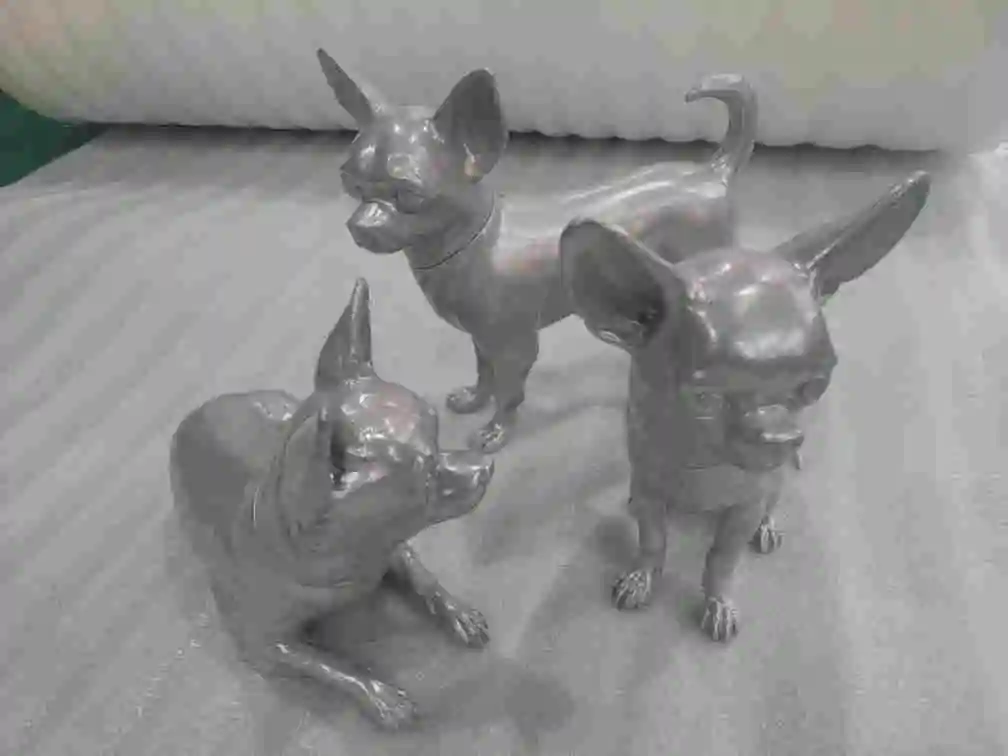
Beyond material composition, functional enhancements add value to modern casting craft souvenirs. Dual-purpose designs transform decorative pieces into practical objects. Miniature building replicas double as paperweights; historical figure castings function as bookends; temple reproductions incorporate small storage compartments. These practical applications extend the lifespan of souvenirs, transforming them from dust-collecting shelf items into useful household objects.
Conclusion
Big changes in how things are made, what people want, and how eco-friendly people are becoming can be seen in the materials used to make craft gifts. The A356 aluminum alloy has been useful as a base material because it is accurate, light, and long-lasting. When finished with the right materials and finishes, these cast items are a nice middle ground between cheap trinkets and pricey works of art. They make great gifts for tourists that will last a long time.
As the industry grows, we can expect more new ideas in how materials are made, how they are finished, and how functions are combined. The makers who stick to traditional methods of craftsmanship while also using new technologies and environmentally friendly methods are likely to be the most successful.
At Rongbao, we specialize in creating premium casting craft souvenirs using A356 alloy through precision casting processes. Our souvenirs undergo rigorous quality control, including shot blasting and CNC machining to ensure exceptional detail and finish. Each piece weighs approximately 2kg and can be customized according to client specifications. Our facilities in Xi'an, China maintain ISO9001:2015, ISO14001, and ISO45001 certifications, ensuring consistent quality and responsible manufacturing practices.
Whether you're looking for architectural reproductions, cultural symbols, or custom-designed commemorative items, our team can produce up to 500 pieces with carefully controlled quality. All products are securely packaged in wooden boxes for safe transportation. For inquiries about our casting craft souvenirs or to discuss custom requirements, please contact us at steve.zhou@263.net or zhouyi@rongbaocasting.com.
References
1. Wang, J. (2019). Advances in Lightweight Alloys for Decorative Applications. Journal of Materials Processing Technology, Vol. 267, pp. 34-49.
2. Liu, M. (2022). Evolution of Souvenir Design: Function and Aesthetics. International Journal of Cultural Heritage, Vol. 15, Issue 3, pp. 112-128.
3. Global Souvenir Industry Report. (2023). World Tourism Organization Publications.
4. Zhang, H. (2021). Sustainable Practices in Metallurgical Industries. Journal of Cleaner Production, Vol. 312, Article 127665.
5. Campbell, J. (2020). Complete Casting Handbook: Metal Casting Processes, Techniques and Design. Butterworth-Heinemann, 3rd Edition.