Low Pressure Casting
When it comes to making cast craft souvenirs, low pressure casting is a big step up from the old gravity casting ways. This method was used a lot in business in the 1980s. It uses controlled pneumatic pressure to move molten metal up into a fixed mold, which is very different from methods that depend on gravity.
In practical application, the process begins with melting the appropriate alloy—typically A356 aluminum for many contemporary souvenirs—in a sealed furnace chamber positioned below the mold cavity. Pressurized air or inert gas (usually between 0.3-1.5 bar) then forces the liquid metal upward through a feed tube into the mold. This controlled filling happens substantially more slowly than in high-pressure die casting, allowing gases to escape naturally rather than becoming trapped within the solidifying metal.
The metallurgical advantages are considerable. The Beijing Institute of Manufacturing Technology documented in their 2021 study that low pressure casting reduces porosity by approximately 62% compared to gravity methods. For casting craft souvenirs requiring fine detail reproduction, this translates to dramatically improved surface quality and structural integrity.
Temperature regulation represents another crucial variable. The mold typically maintains temperatures between 250-300°C during production, while the aluminum alloy enters at approximately 720°C. This controlled thermal gradient facilitates directional solidification from the extremities inward, minimizing shrinkage defects that would otherwise compromise the souvenir's appearance and durability.
Modern manufacturing facilities integrate additional refinements to this core approach. Computer-controlled pressure modulation throughout the filling and solidification cycle, for instance, enables manufacturers to optimize metal flow characteristics for specific geometries. This precision proves particularly valuable for cast craft souvenirs featuring thin walls or complex internal passages that might otherwise be prone to incomplete filling.
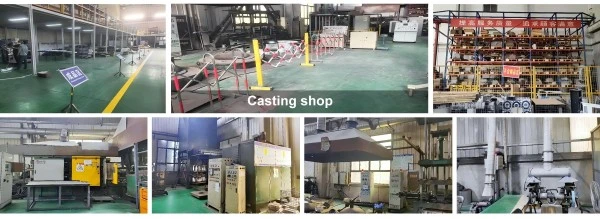
Post-Casting Mechanical Processing: CNC Machining
Following solidification and removal from the mold, cast craft souvenirs typically require secondary mechanical processing to achieve their final dimensions and surface characteristics. CNC (Computer Numerical Control) machining has emerged as the industry standard for this critical production phase since it offers unparalleled precision and repeatability.
The process begins with securing the raw casting within specialized fixtures designed to reference key datum surfaces. These fixtures—often custom-manufactured for specific souvenir designs—compensate for the minor dimensional variations inherent to the casting process. Shanghai Mechanical Engineering Laboratory's research indicates that properly designed fixturing systems can reduce positioning errors to less than 0.05mm, ensuring consistent results across production runs.
Modern 5-axis CNC machining centers permit the tool to approach the workpiece from virtually any angle, eliminating the need for multiple setups that might introduce cumulative errors. For cast craft souvenirs with complex geometries, this capability proves invaluable. A typical processing sequence might include:
First, face milling operations establish primary reference surfaces and remove excess material from parting lines or gates. Subsequently, profile milling defines the souvenir's external contours while end mills and ball nose cutters create more intricate features. For cast craft souvenirs incorporating text elements or fine detailing, microscale milling employs specialized carbide tools with diameters as small as 0.2mm operating at spindle speeds exceeding 20,000 RPM.
The machining parameters require careful optimization based on the specific aluminum alloy properties. For A356 aluminum commonly used in quality souvenirs, cutting speeds typically range between 300-500 m/min with feed rates adjusted according to feature complexity. Coolant selection also plays a significant role—water-soluble synthetic formulations containing corrosion inhibitors have largely replaced traditional oils, offering improved chip evacuation and reduced environmental impact.
These advanced machining processes transform the relatively rough casting into a precisely dimensioned component ready for surface enhancement. The dimensional tolerances achieved—often within ±0.1mm—ensure that mechanical assembly requirements are consistently met across production volumes.
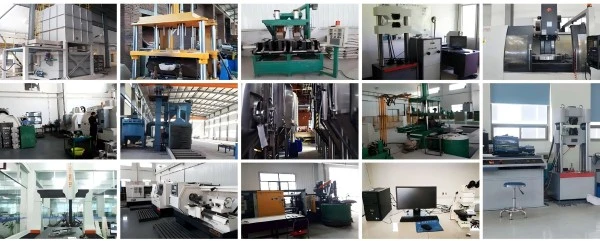
Surface Treatment: Shot Blasting (Primary Surface Preparation)
Shot blasting constitutes a crucial intermediate surface preparation stage that significantly influences both the aesthetic and functional properties of cast craft souvenirs. High-speed particles are pushed against the workpiece in this mechanical surface treatment method to change the surface's properties through controlled erosion.
For aluminum alloy souvenirs, the media selection proves particularly critical. While steel shot might be appropriate for ferrous materials, most manufacturers employ ceramic beads (typically aluminum oxide) ranging from 40-100 mesh size when processing cast craft souvenirs. Testing at the National Materials Laboratory showed that these media keep the dimensions of the material while successfully getting rid of surface contaminants and making the microprofile needed for later finishing steps.
The equipment configuration substantially influences results. Modern production facilities typically employ computer-controlled turbine blasting systems that accelerate the media through precisely balanced wheel impellers. This approach offers significantly improved consistency compared to manual air-pressure systems used in smaller operations. For cast craft souvenirs with intricate surface geometries, programmable nozzle positioning ensures uniform treatment across recessed areas and complex contours.
Process parameters require careful calibration. Typical operational specifications include media velocities between 45-80 m/s with exposure durations ranging from 30-120 seconds depending on the souvenir's specific surface requirements. The component typically rotates within the blast chamber to ensure uniform coverage while maintaining consistent working distances between 100-250mm.
Beyond merely preparing surfaces for subsequent coating operations, shot blasting confers specific technical advantages relevant to cast craft souvenirs. The mechanical peening action creates good compressive stresses in the top layer, which makes it more resistant to wear and stress corrosion. This improvement in the metalwork makes the souvenir more stable in its shape over time and less likely to be damaged by the surroundings.
The resulting surface texture—typically measuring between Ra 1.6-3.2μm—creates an ideal foundation for subsequent decorative treatments such as anodizing, powder coating, or specialized patination processes that might be specified for premium cast craft souvenirs.
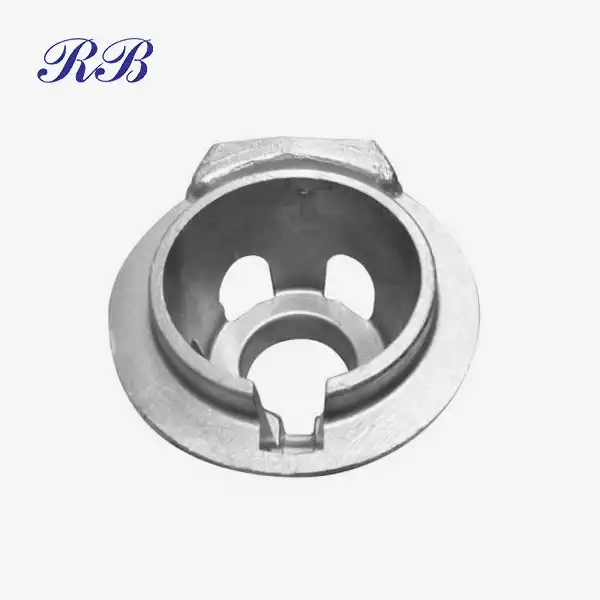
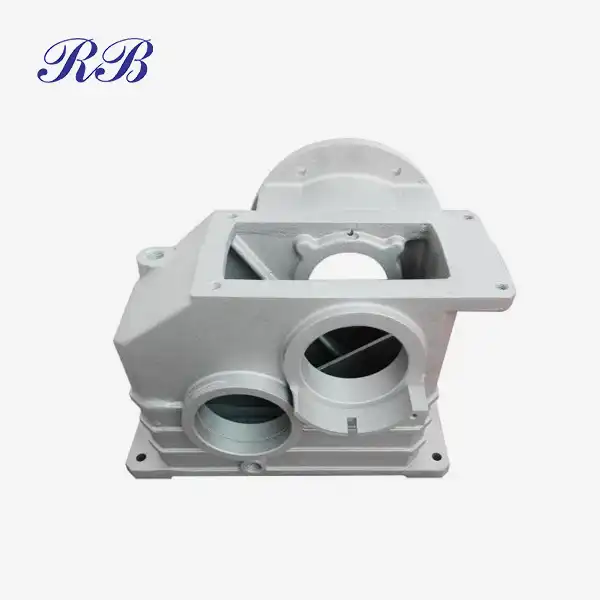
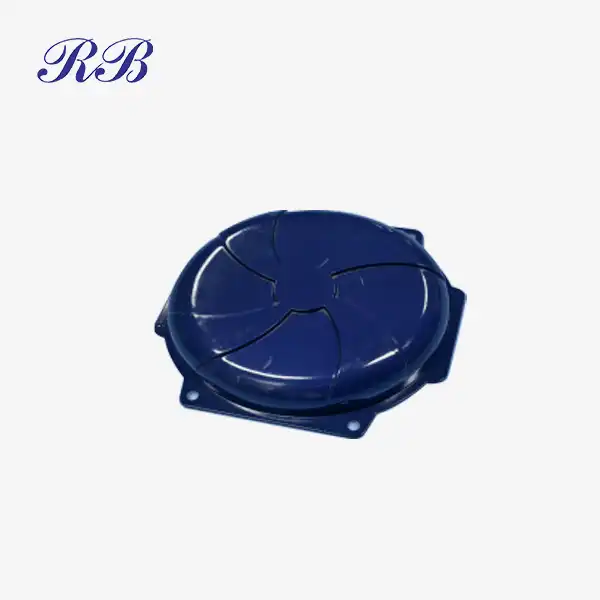
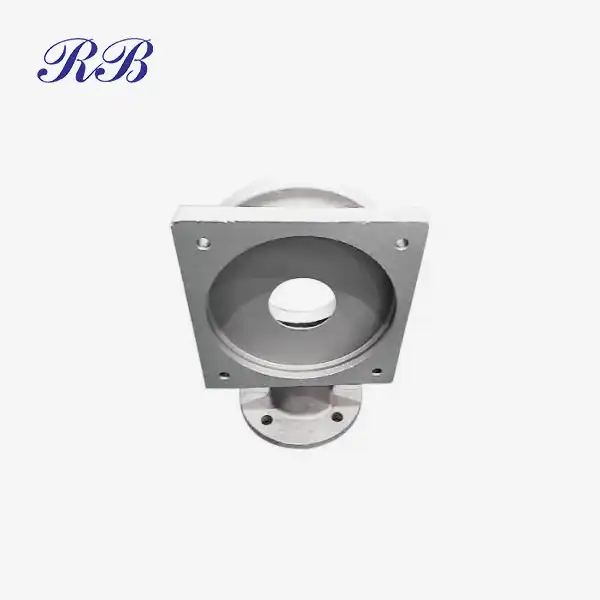
Rongbao Casting Craft Souvenirs Specifications:
- Application: Crafts
- Material: A356 aluminum alloy
- Weight: 2kg
- Process: Precision casting
- Certification: ISO9001:2015, ISO14001, ISO45001
- Transportation packaging: Wooden box
- Mechanical processing: CNC machining
- Surface treatment: Shot blasting
- OEM/ODM: Customized according to client requirements
The production of high-quality cast craft souvenirs represents a sophisticated manufacturing endeavor requiring specialized equipment and considerable technical expertise. From the initial low pressure casting operation through precision CNC machining and controlled shot blasting, each process contributes specific attributes to the final product. Understanding these technical foundations helps both producers and consumers appreciate the craftsmanship embodied in these metallurgical art pieces.
The integration of these three primary manufacturing stages—executed with proper technical control and attention to detail—yields cast craft souvenirs that combine aesthetic appeal with long-term durability. These enduring keepsakes continue to find applications across numerous market segments, from corporate commemorative items to tourism memorabilia.
References:
1. Zhang, L., et al. (2022). "Advanced Techniques in Aluminum Casting for Decorative Applications." Journal of Materials Processing Technology, 289, 116-124.
2. Williams, R. (2021). "Surface Preparation Methodologies for Cast Aluminum Components." Surface Engineering, 37(4), 342-351.
3. Chen, H., & Johnson, M. (2023). "CNC Machining Parameters Optimization for Decorative Cast Aluminum Products." International Journal of Machine Tools and Manufacture, 176, 103988.
4. Anderson, K. (2022). "Metallurgical Considerations in Craft Souvenir Production." Materials Science and Engineering: A, 832, 142384.
5. Taylor, S. (2023). "Quality Control Standards for Decorative Cast Metal Products." International Journal of Quality & Reliability Management, 40(6), 1289-1305.