- English
- French
- German
- Portuguese
- Spanish
- Russian
- Japanese
- Korean
- Arabic
- Greek
- German
- Turkish
- Italian
- Danish
- Romanian
- Indonesian
- Czech
- Afrikaans
- Swedish
- Polish
- Basque
- Catalan
- Esperanto
- Hindi
- Lao
- Albanian
- Amharic
- Armenian
- Azerbaijani
- Belarusian
- Bengali
- Bosnian
- Bulgarian
- Cebuano
- Chichewa
- Corsican
- Croatian
- Dutch
- Estonian
- Filipino
- Finnish
- Frisian
- Galician
- Georgian
- Gujarati
- Haitian
- Hausa
- Hawaiian
- Hebrew
- Hmong
- Hungarian
- Icelandic
- Igbo
- Javanese
- Kannada
- Kazakh
- Khmer
- Kurdish
- Kyrgyz
- Latin
- Latvian
- Lithuanian
- Luxembou..
- Macedonian
- Malagasy
- Malay
- Malayalam
- Maltese
- Maori
- Marathi
- Mongolian
- Burmese
- Nepali
- Norwegian
- Pashto
- Persian
- Punjabi
- Serbian
- Sesotho
- Sinhala
- Slovak
- Slovenian
- Somali
- Samoan
- Scots Gaelic
- Shona
- Sindhi
- Sundanese
- Swahili
- Tajik
- Tamil
- Telugu
- Thai
- Ukrainian
- Urdu
- Uzbek
- Vietnamese
- Welsh
- Xhosa
- Yiddish
- Yoruba
- Zulu
What materials are commonly used for twelve-way alarm control boxes?
When we talk about alarm control boxes for multi-zone security systems, the twelve-way alarm control box serves as the central hub that coordinates signals from multiple detection zones. The materials used for these enclosures directly impact their durability, safety, and operational reliability. Common materials include die-cast aluminum alloys, stainless steel, engineered plastics like ABS and polycarbonate, and composite materials with specialized coatings. Selecting the appropriate material ensures the control box withstands environmental stressors while maintaining electrical insulation standards critical for industrial and commercial safety systems.
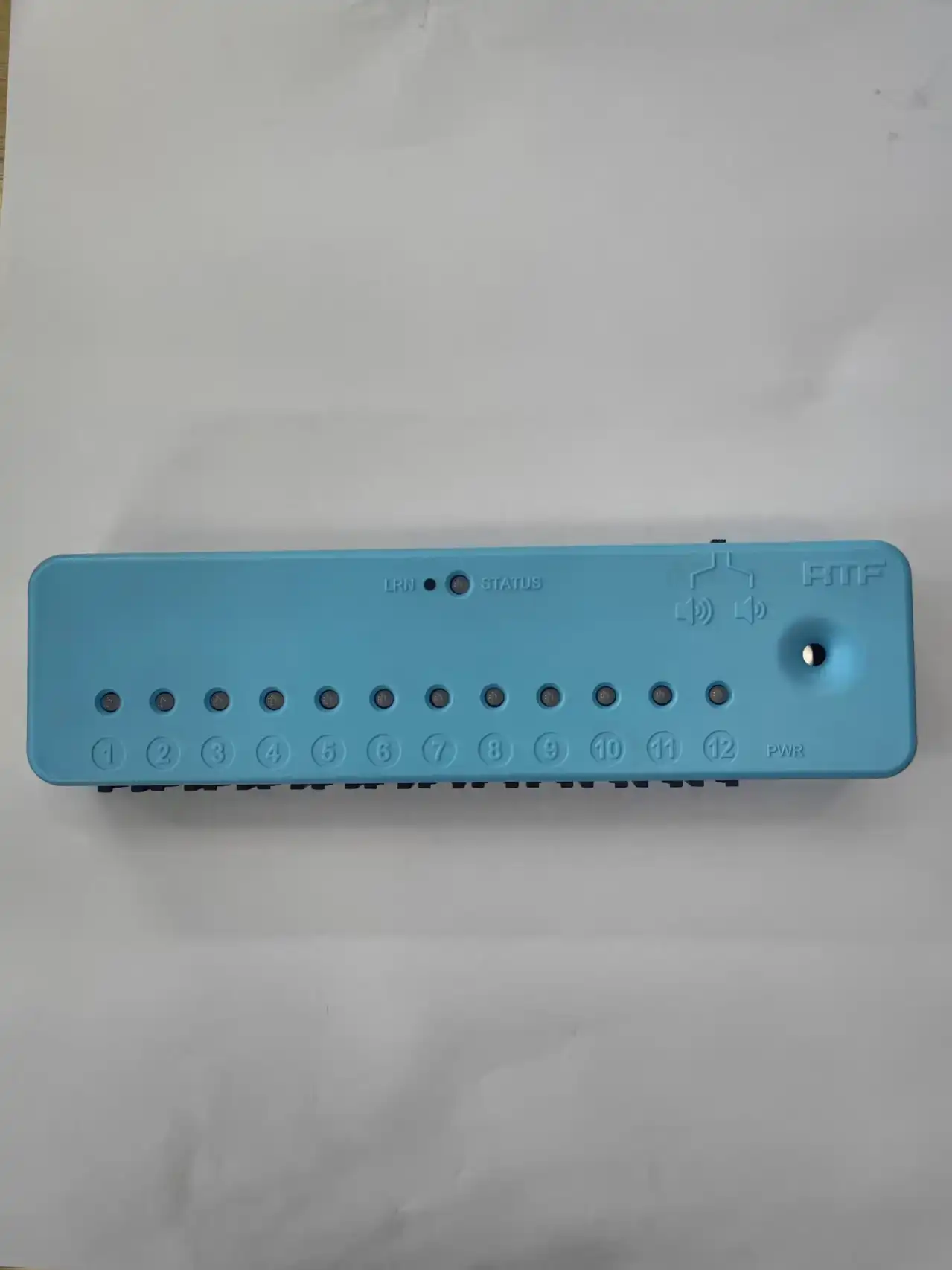
Understanding Twelve-Way Alarm Control Boxes and Their Material Requirements
Multi-zone alarm systems need reliable twelve-way alarm control boxes that can handle signals from many detection points spread out over a large building. Industrial plants, business buildings, and important infrastructure all use these parts as the operational backbone of their security systems.
Core Functions and Applications
As a signal processor, the control box organises the information that sensors send and starts the right responses based on threat detection. These devices are often used in manufacturing settings to keep an eye on work areas, warehouses, and restricted areas. They keep energy facilities' perimeters and sensitive equipment zones safe. When the work spot is not in use, they keep valuable tools and materials safe.
Why Material Selection Matters
The choice of material has a direct effect on how well the enclosure keeps external dangers away from sensitive electrical parts. In industrial settings, temperature changes, moisture, corrosive chemicals, and physical impacts can happen to control boxes. The right material doesn't rust and blocks electromagnetic fields so signals don't get messed up. Electrical insulation keeps short circuits from happening, which could damage the system or start a fire. Material choice affects total cost of ownership through maintenance needs and replacement cycles, in addition to technical performance.
Balancing Weight and Cost Efficiency
When purchasing managers look at important choices, they compare the initial investment to the long-term value. Lightweight materials make installation easier and cut down on shipping costs, which is especially important when systems are being set up in more than one place. Most of the time, metal enclosures cost more at first, but they last longer in harsh conditions. Engineered plastics are cheaper for indoor uses where they will only be exposed to mild weather conditions. When making big purchases, it's important to think about how the properties of the materials fit with the needs of the business and the budget.
Common Materials Used in Twelve-Way Alarm Control Boxes
For making twelve-way alarm control boxes, the manufacturing industry uses a number of different types of materials, each with its own set of benefits for different uses.
Metal Options: Steel and Aluminum
Because they are so strong and don't break easily when they get hit, steel cages are perfect for big industrial settings where safety is very important. The toughness of the material keeps the gadgets inside safe from being hit by machines or tampered with on purpose. Stainless steel types are better at resisting corrosion in places like chemical plants and installations near the coast, where salt air speeds up the breakdown process.
As an alternative to steel, aluminium alloys are a great choice because they don't rust and are much lighter than steel. Die-cast aluminium can be made into complex shapes that can hold mounting brackets and cable entry points without needing to be made from scratch. The natural oxide layer of the material protects against corrosion, and anodising treatments make this even better for outdoor use. The way something dissipates heat helps keep the internal electronics at the best temperature for long-term use.
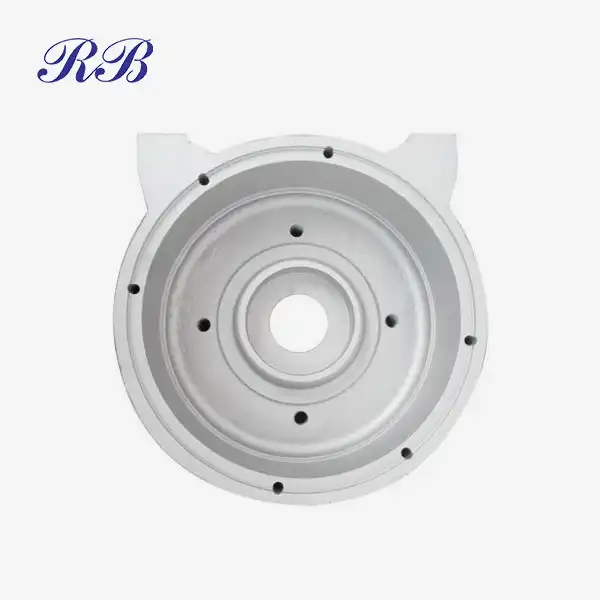
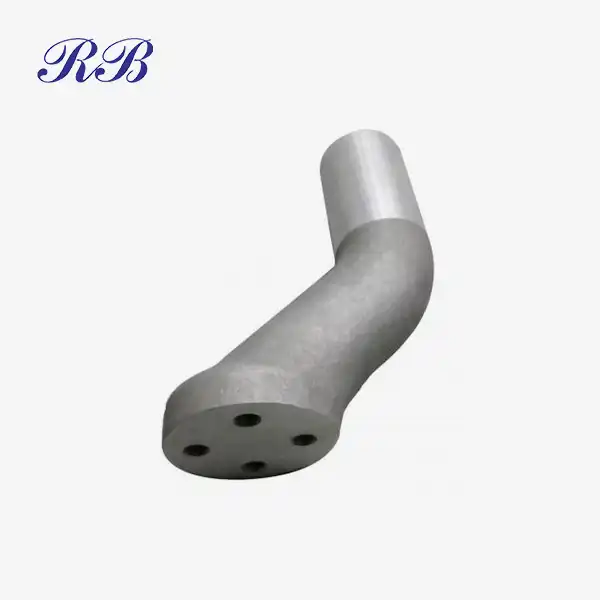
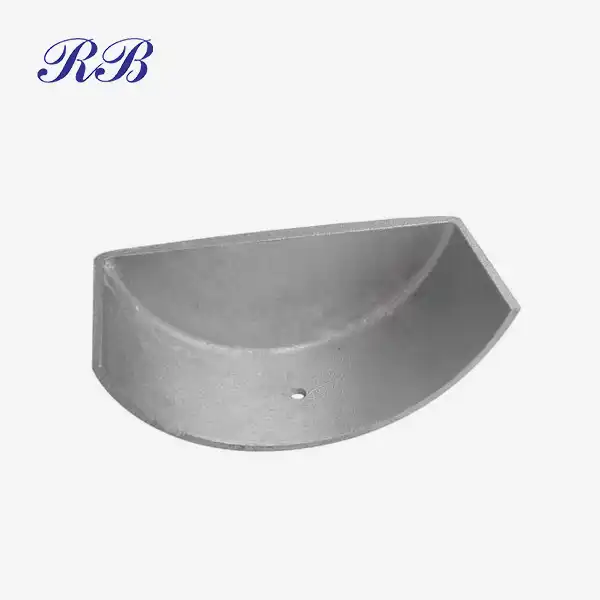
Because we are good at die-casting, Rongbao Enterprise can make aluminium enclosures with wall thicknesses that are the best balance of strength and weight. Our gravity casting and low-pressure die casting methods make sure that the sizes of all of the parts are the same across production runs of up to 50,000 pieces. This meets the needs of OEM partners and large-scale security system developers who need to make a lot of parts.
Plastics and Polymers: ABS, PVC, and Polycarbonate
Engineered thermoplastics have great electrical insulation qualities that are needed to stop short circuits and current leaks. ABS (Acrylonitrile Butadiene Styrene) is strong against impacts and easy to shape for complicated designs that have built-in mounting points and wire management pathways. The material can have different colours and finishes on the outside, so it can meet the aesthetic needs of business installs.
When it comes to plastics, polycarbonate is the best choice because it is both very strong and very resistant to UV light. The material stays the same size and shape over a wide range of temperatures, so it doesn't shift and lose its seal integrity. Fire-retardant grades meet the strict safety standards needed for building systems. They put out themselves when there is an electrical problem, so the flame doesn't spread.
PVC variants provide economical solutions for indoor applications with minimal environmental exposure. Because the material is resistant to chemicals, it can be used in places where cleaning is done or where light chemicals are handled.
Advanced Composites and Specialized Coatings
New composite materials combine the properties of several different parts to achieve performance levels that aren't possible with a single material. Fiberglass-reinforced polymers combine plastic's electrical insulation with improved mechanical strength near metal performance. These materials are good for uses that need long-lasting, non-conductive casings.
Protective coatings on the surface of surface treatments make base materials more useful. Powder coating on aluminium or steel containers makes them more resistant to rust and gives them a nice look. Conformal coatings on the inside of electronics keep them from condensing in places with a lot of humidity. Hygiene issues are addressed by antimicrobial coats in healthcare and food processing facilities that have alarm systems that watch over cleanrooms.
These new materials meet the changing needs of the industry for long-lasting and specific performance. When procurement teams know what each option is good for, they can choose enclosures that meet operational needs and legal requirements.
How Material Choice Affects Performance and Longevity
How well twelve-way alarm control boxes do their job of keeping people safe over long periods of time depends on how well the material qualities work with the operating performance.
Environmental Resistance and Service Life
One of the most common ways that electrical covers fail is when moisture gets inside. When metal housings are properly sealed with gaskets, they act as great moisture barriers, stopping condensation that breaks connections and overloads control boards. Aluminum's natural oxide layer resists progressive corrosion, while stainless steel withstands direct exposure to rain and salt spray in outdoor installations.
Dust getting into the air is a big problem in building and factory sites. IP-rated enclosures with strong valves keep the seal even when the temperature changes, which causes the enclosure to expand and contract. Compared to polished metal cases, plastic housings with precision-molded sealing surfaces are better at keeping dust out and cost less.
UV exposure degrades many plastic formulations over time, causing embrittlement and discoloration. Polycarbonate grades that have UV stabilisers keep their mechanical properties even after years of being in the sun. This keeps cracks from forming that would make environmental sealing less effective. Chemical exposure in processing plants needs to check the compatibility of materials to stop solvent attacks that break down plastic enclosures or rust metal surfaces.
Electrical Insulation and Safety Compliance
The dielectric strength of a material tells you how well it stops current from flowing through the walls of a space. Plastics naturally have high insulation values, so there is no chance of getting shocked by electricity if wiring problems cause possible differences between the inside parts and the housing. This trait makes grounding easier and makes installation less complicated.
To keep dangerous voltage potentials from building up in metal enclosures when there is a fault, they need to be properly grounded. When used correctly, metal housings block electromagnetic interference, which keeps control signals from being messed up by radio frequency interference. This is especially important in places that use high-power radios or electronic welding that makes electromagnetic noise.
Fire safety rules require that buildings be built with materials that don't catch fire. UL-certified plastic types meet certain flammability standards and put out fires on their own, stopping them from spreading. Metal casings naturally have better fire resistance, keeping internal fires that might start when parts fail or wiring goes wrong under control. Making sure that building rules and standards like NFPA 72 are followed requires choosing the right materials for the job.
Weight Considerations for Installation and Logistics
The cost of installation labour is based on how easy it is to move and mount enclosures during system deployment. Lightweight options made of aluminium and plastic make installation teams less physically demanding, so many designs can be mounted by a single person. This means that installations can be done faster and costs for labour can be kept low across multiple sites.
Shipping logistics like materials that are lighter because they take up less space and cost less to ship. When buying hundreds of units for big projects, the differences in weight between aluminium and steel mean big savings on shipping. Plastic enclosures make the most of this benefit, but they need to be carefully packed to keep them from getting damaged during shipping.
When mounting something structurally, heavier materials that don't move around and stay in place without extra support are sometimes better. Heavy machinery settings may need steel cages that stay in place even when the machine is vibrating, which could loosen lighter enclosures over time.
Conclusion
The choice of material for twelve-way alarm control boxes is a strategic choice that affects the safety of operations, the cost of upkeep, and the reliability of the system over its full life. Metals like steel and aluminium offer better mechanical protection and electromagnetic shielding for harsh industrial settings. On the other hand, designed plastics offer better electrical insulation and lower costs for business uses. Procurement teams can find the best solutions that meet business needs when they know how environmental factors, installation requirements, and safety standards affect the qualities of materials. Working with certified manufacturers guarantees consistent quality and dependable supply chains that help projects succeed in the long term.
FAQ
1. Does material choice affect electromagnetic compatibility with CCTV and access control systems?
Electromagnetic shielding from metal casings keeps signal radiation from internal electronics and lowers interference from radio frequency sources outside the twelve-way alarm control box. This becomes important in places with a lot of high-power radios or electronic equipment. Plastic housings don't offer much shielding, so signal cables need to be carefully routed and shielded to stay compatible. When metal structures are properly grounded, they get the most electromagnetic compatibility benefits and don't have any ground loop problems.
2. Which materials suit outdoor installations exposed to weather?
PVDF (UV-stabilized polycarbonate) and powder-coated aluminium work very well outside because they don't break down in direct sunlight and keep out dust and rain. Stainless steel is the most durable metal for seaside areas where salt air speeds up rusting. Make sure that the materials you've chosen have the right IP ratings for protecting against moisture and dust getting into the building.
3. How does material quality influence warranty coverage and supplier support?
Premium materials from certified manufacturers usually come with full warranties that show confidence in the product's long-term performance. Suppliers who offer longer warranties and quick technical help show that they care about their customers' success after the original transaction. Material certifications and quality system standards give concrete proof of how well a product is made and how consistent it is. This lowers the number of guarantee claims and makes it easier to solve problems when they happen.
Partner with Rongbao Enterprise for Your Alarm Control Box Needs
For finding the best twelve-way alarm control box maker, you need to look at their professional skills, quality systems, ability to make changes, and material knowledge. Rongbao Enterprise has been making precision castings for 20 years and has many certifications, such as ISO9001:2015, ISO14001, and ISO45001, which make sure that the quality of all 50,000 pieces we make each year is consistent. We can make custom solutions from the initial design phase all the way through finished alarm device parts. Our full-process manufacturing includes high-pressure die casting, gravity casting, and precision machining. Since 70% of our production goes to markets in Europe, the United States, and Japan, we know what quality standards and compliance requirements are expected around the world. Our engineering team works closely with sourcing managers and technical engineers to make sure that the materials we choose and the way our parts are designed are the best ones for your needs. Get in touch with our experts at steve.zhou@263.net or zhouyi@rongbaocasting.com to talk about how our knowledge, low prices, and on-time delivery can help your next project. Visit rongbaocasting.com to learn more about our full range of services and learn why top equipment makers trust us to supply their twelve-way alarm control boxes.
References
1. Metal Casting Institute. "Material Selection Guidelines for Electronic Enclosures in Industrial Applications." Journal of Manufacturing Standards, 2022.
2. National Electrical Manufacturers Association. "Specifications for Alarm System Component Housings: Environmental and Safety Requirements." NEMA Publication Standards, 2021.
3. Society of Manufacturing Engineers. "Die Casting Process Optimization for Aluminum Alloy Electronic Housings." Advanced Manufacturing Technology Review, 2023.
4. International Fire Safety Council. "Flame Resistance Standards for Electrical Control Box Materials in Commercial Buildings." Fire Protection Engineering Quarterly, 2022.
5. American Society for Quality. "Quality Management Systems for Precision Metal Casting Operations: Implementation and Certification." ASQ Technical Series, 2021.
6. Industrial Materials Research Foundation. "Comparative Lifecycle Analysis of Metal versus Polymer Enclosures in Harsh Environmental Conditions." Materials Performance Studies, 2023.
Learn about our latest products and discounts through SMS or email