- English
- French
- German
- Portuguese
- Spanish
- Russian
- Japanese
- Korean
- Arabic
- Greek
- German
- Turkish
- Italian
- Danish
- Romanian
- Indonesian
- Czech
- Afrikaans
- Swedish
- Polish
- Basque
- Catalan
- Esperanto
- Hindi
- Lao
- Albanian
- Amharic
- Armenian
- Azerbaijani
- Belarusian
- Bengali
- Bosnian
- Bulgarian
- Cebuano
- Chichewa
- Corsican
- Croatian
- Dutch
- Estonian
- Filipino
- Finnish
- Frisian
- Galician
- Georgian
- Gujarati
- Haitian
- Hausa
- Hawaiian
- Hebrew
- Hmong
- Hungarian
- Icelandic
- Igbo
- Javanese
- Kannada
- Kazakh
- Khmer
- Kurdish
- Kyrgyz
- Latin
- Latvian
- Lithuanian
- Luxembou..
- Macedonian
- Malagasy
- Malay
- Malayalam
- Maltese
- Maori
- Marathi
- Mongolian
- Burmese
- Nepali
- Norwegian
- Pashto
- Persian
- Punjabi
- Serbian
- Sesotho
- Sinhala
- Slovak
- Slovenian
- Somali
- Samoan
- Scots Gaelic
- Shona
- Sindhi
- Sundanese
- Swahili
- Tajik
- Tamil
- Telugu
- Thai
- Ukrainian
- Urdu
- Uzbek
- Vietnamese
- Welsh
- Xhosa
- Yiddish
- Yoruba
- Zulu
What industries use six-way alarm control boxes?
Multiple sectors across manufacturing, infrastructure, and safety-critical operations rely on six-way alarm control boxes to coordinate multi-zone emergency responses. These alarm device parts serve industries including chemical processing plants, automotive manufacturing facilities, pharmaceutical production sites, data centers, transportation hubs, and commercial buildings. The six-way alarm control box functions as a centralized hub that monitors signals from six separate alarm zones simultaneously, triggering visual and audible alerts while logging event data for regulatory compliance and operational analysis.

Understanding Six-Way Alarm Control Boxes: Features and Functionalities
People who work in places where safety rules require quick responses need multi-zone alarm communication systems more than ever. At Rongbao Enterprise, we've seen how hard it is for procurement managers and technical engineers to find suppliers of alarm parts who understand both the technical requirements and the problems these devices have to solve in the real world.
Core Components and Technical Architecture
A multi-zone alarm controller's internal architecture combines a number of important subsystems. Power management circuits keep things running by controlling the energy and having battery backup systems that keep things working when the main power goes out. Different kinds of alarms, like smoke sensors, heat detectors, gas monitors and manual pull stations, send messages to input modules. Signal processing units look at the data that comes in and use logic rules to tell the difference between real situations and fake alarms.
Each zone input can usually handle both normally open and normally closed circuit configurations. This makes them compatible with older systems while also working with newer addressable devices. Connections on terminal blocks that are clearly labeled make installation and troubleshooting easier. This cuts down on commissioning time and maintenance costs.
Integration Capabilities and Communication Protocols
These days, alarm controllers need to be able to talk to building management systems, emergency warning platforms, and tracking services that are far away. These links are made possible by standard protocols like Modbus and BACnet as well as custom interfaces. Our factory in Xi'an has made more than 50,000 custom six-way alarm control boxes that are certified under ISO9001:2015, ISO14001, and ISO45001 standards. These meet the strict quality standards for global markets.
Most of the time, the voltage range that works with 12V to 48V DC systems is covered. For added reliability, some models support dual voltage inputs. Because it is flexible, it can be added to current systems without having to pay a lot of money for expensive electrical system changes.
Industries That Commonly Use Six-Way Alarm Control Boxes
Reliable alarm communication systems are needed for many types of safety-critical activities. Knowing the unique needs of an industry helps buying teams choose the right solutions that balance cost, performance, and safety.
Manufacturing and Chemical Processing
Industrial plants that work with dangerous materials have a lot of safety problems to solve. Multi-zone alarm systems are used in chemical processing plants to keep an eye on fires, toxic gas leaks, temperature changes, and changes in pressure across all production areas. These devices are used in paint booths, battery assembly areas, and welding stations in the car production sector. These areas have high risk levels because of flammable materials and high-energy processes.
In these settings, quality engineers need warning parts to work the same way from batch to batch. Changes in response times or the number of fake alarms cause problems with operations that lower output and make workers less confident in safety systems.

Healthcare and Pharmaceutical Facilities
In healthcare settings, alarm systems are required to meet regulatory standards. Companies that make medicines have to keep the environments in cleanrooms and sterile processing areas under tight control. Multi-zone alarm controllers keep an eye on things like differential pressure, particulate counts, humidity levels, and the status of equipment. If any of these parameters move out of acceptable ranges, the controllers send out immediate alerts. The six-way alarm control box can be integrated into such multi‑zone systems, providing six independent alarm channels to monitor multiple critical parameters simultaneously and trigger timely warnings when deviations occur.
Fire warning systems are an important part of hospitals because they make sure that people in patient care areas, surgery rooms, labs, and mechanical spaces are all aware of fires. The configuration of six zones gives enough covering for most wards or departments while keeping the level of complexity reasonable for the repair staff.
Data Centers and Critical Infrastructure
Digital infrastructure owners have to find a way to balance the need for uptime with the need to keep people safe. Data centers use alarm systems that include controls for putting out fires, monitoring the environment, and finding security breaches. With the ability to keep an eye on six separate areas, one control point can cover computer rooms, power distribution units, cooling systems, battery backup areas, loading docks, and office spaces.
Transportation hubs like airports, rail stations, and ports use similar multi-zone methods to make sure that alarm signals work in all areas, including passenger areas, operational zones, and areas that only certain people can access. For these uses, the building needs to be strong enough to handle high temperatures, vibrations, and electromagnetic interference.
Commercial Real Estate and Building Management
Distributed alarm design, which splits buildings into manageable monitoring zones, is good for large business centers. Alarm managers make sure that life safety systems work together on multiple floors and in different tenant spaces in office towers, shopping centers, and mixed-use projects. This method makes following building codes easier while giving property managers a clear view of the state of all alarm systems.
Key Benefits of Using Six-Way Alarm Control Boxes in Various Sectors
Strategic benefits go beyond the basic functionality of alarms and include operational efficiency, lowering risk, and maximising total costs. When purchasing managers look at alarm device providers, they should think about how these benefits fit with the company's long-term business goals and top priorities.
Enhanced Safety Through Multi-Point Monitoring
Monitoring six separate alarm zones at the same time cuts emergency reaction times by a huge amount compared to sequential questioning systems. When sensors in various zones identify dangerous conditions, the controller instantly figures out the threat pattern so that the right procedures can be put in place by responders. It is very helpful to have this feature in places where fires, gas leaks, or other dangers can quickly spread through linked areas.
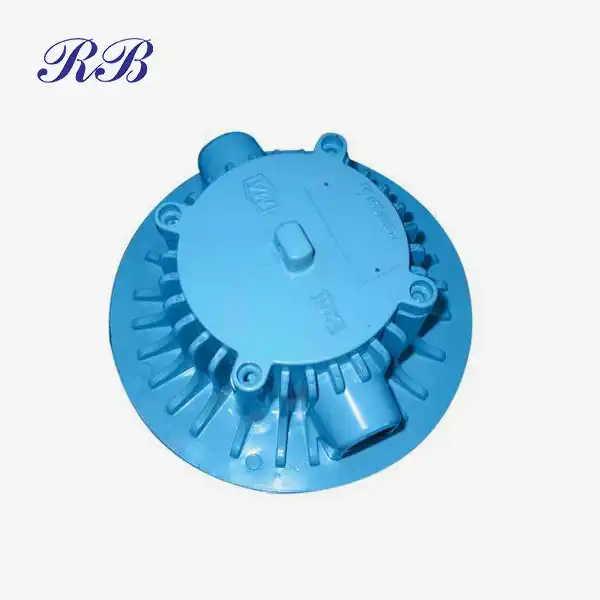
At Rongbao Enterprise, we use precision casting methods in our production process to make sure that the parts of alarm enclosures are always the right size and have the right material properties. This dependability translates directly to performance in the field, where environmental stresses test the durability of parts over long service lives.

Integration Flexibility and System Scalability
Infrastructure investments are kept safe by making sure they work with different types of alarm sensors and communication protocols. Companies can improve certain areas or get more reach without having to replace the whole control system. This modular method fits with the cycles of capital budgets and lets changes be made in small steps as practical needs change. The six‑way alarm control box supports this flexible approach by accommodating up to six independent alarm channels, each compatible with various sensor types and protocols, so that upgrades can be targeted and cost‑effective.
Technical engineers like clear wire plans and thorough installation instructions that make starting easier. Our OEM and ODM customisation options let us make alarm device parts that meet specific size limits, mounting needs, and weather grades that standard products can't.
Cost Efficiency and Operational Value
When you use consolidated alarm monitoring instead of setting up separate controllers for each zone, you save money on equipment, installation labour, and ongoing maintenance. Buying in bulk can save you even more money, especially for businesses that run multiple locations or are upgrading a lot of safety systems at once.
Our Xi'an center can make 50,000 pieces a year, which makes sure that projects with tight deadlines can always get what they need. Our carton and wooden box handling keeps parts safe while they're being shipped internationally, which cuts down on delays and repair costs caused by damage.
How to Select the Right Six-Way Alarm Control Box for Your Industry?
For procurement decisions to be well-informed, technical specifications, supplier capabilities, and total ownership costs must all be carefully looked at. This organised method lowers the risks of implementation and makes sure that the chosen solutions work as planned for the whole time they are in use.
Assessing Industry-Specific Requirements
Different industries have different needs for alarm system parts. Automotive suppliers need to be certified by IATF16949 and have strong quality documents to back up their PPAP submissions. Applications in the energy sector need to follow hazardous site codes and long temperature ratings. Material approvals and dimensional inspection records are very important for aerospace parts that need to be able to be tracked.
Environmental factors have a big effect on choosing the right components. Chemical plants have corrosive atmospheres that need protective coatings and sealed enclosures. Construction equipment that works in places with a lot of vibration needs stronger mounting points and electronics that can handle shocks. By understanding these application-specific problems, buying teams can come up with the right safety steps.
Evaluating Supplier Qualifications and Capabilities
Along with product specifications, factors for choosing a seller should include the supplier's ability to manufacture, their quality systems, and how quickly they can respond to service requests. Our ISO certificates show that Rongbao Enterprise takes a structured approach to managing quality, protecting the environment, and making sure workers are safe and healthy on the job. These management systems make sure that processes stay stable and under control between runs of output. The six-way alarm control box is manufactured under these same rigorous systems, ensuring consistent quality and reliable performance in every unit.
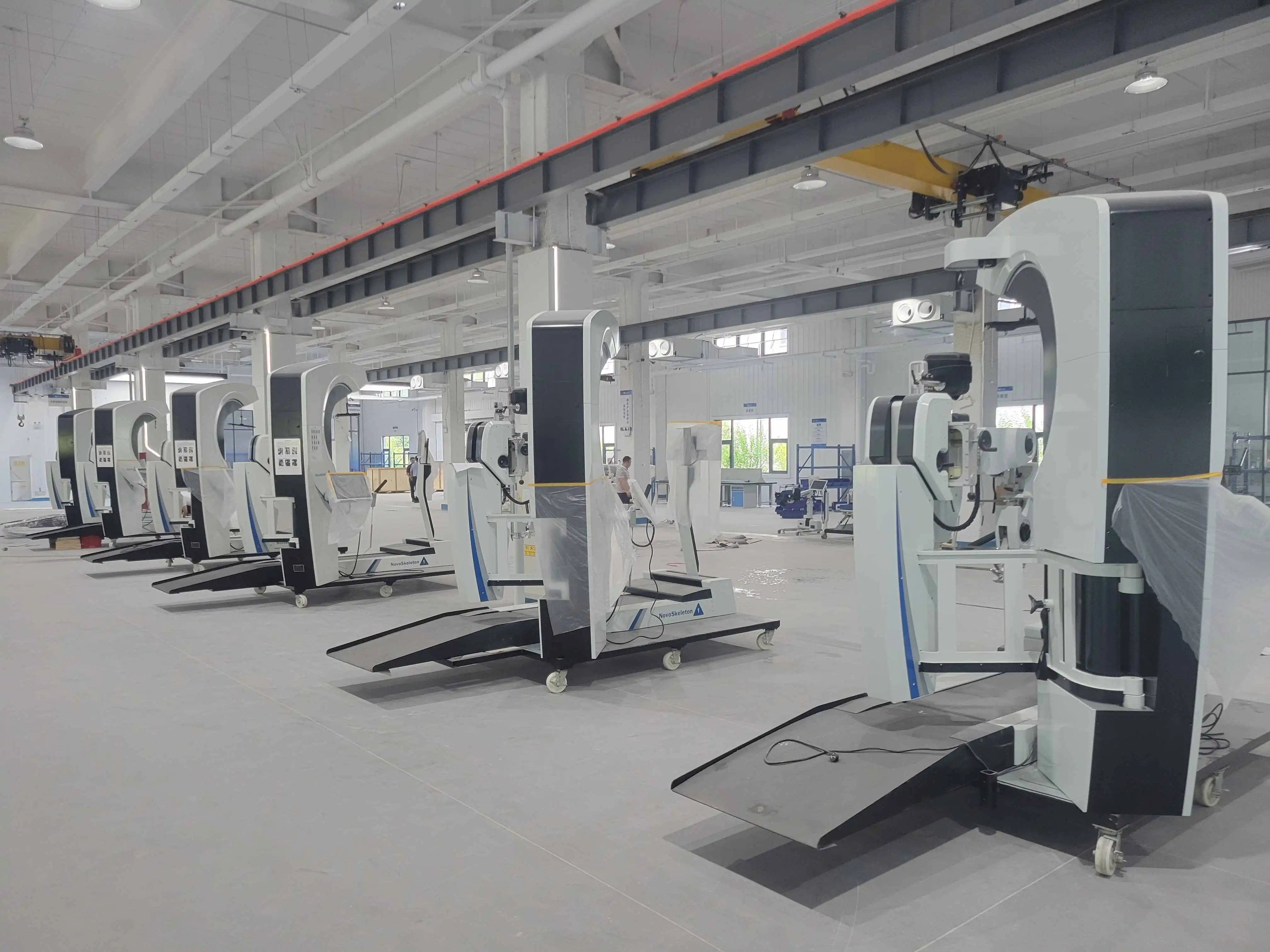
We can make parts using high-pressure die casting, low-pressure casting, gravity casting, and precision machining, which is part of our full-chain manufacturing capabilities. This vertical merger makes the supply chain simpler and gives you more control over quality and wait times.
Installation Support and Maintenance Considerations
Full technical documentation speeds up installation and makes fixing problems easier. Commissioning mistakes that take longer to finish are less likely to happen when there are detailed wiring diagrams with clear identification of terminals. Facility staff can effectively handle systems when they have user manuals that show how to program, set up alarm reasoning, and do regular maintenance.
When technical questions come up during installation or use, responsive after-sales help is very important. Having access to expert staff who know both the product and the application setting makes it easier to fix problems quickly and keep the system running.
Conclusion
Multi-zone warning coordination systems are very important for safety in business, industry, and infrastructure. The six-way alarm control box design strikes a good mix between the number of zones that can be monitored and the complexity of the system. This makes it suitable for use in facilities or departments. Buyers choose suppliers with a wide range of manufacturing skills and strong quality control systems based on the needs of their industry in terms of environmental conditions, regulatory compliance, and the ability to work with other systems. The best value is found by using strategic sourcing methods that look at total ownership costs, supplier qualifications, and the possibility of a long-term partnership. These methods also make sure that critical safety components are always available.
FAQ
1. What distinguishes six-way models from four-way alarm controllers?
The main difference is the ability to monitor. Six-way setups allow for two more warning zones, which means they can cover more areas without having to use more controllers. This extra space is useful for bigger buildings or situations where finding the location of hazards needs to be more precise. Four-way models are good for smaller setups with places of high risk.
2. Can these devices operate in hazardous environments?
Environmental ratings depend on how the product is made and what safety measures are taken. Standard commercial-grade controls work well for most indoor uses. However, for placements in dangerous areas, you need explosion-proof housings, fundamentally safe circuits, or purged housings that meet ATEX, IECEx, or NEC standards. Environmental needs, such as temperature ranges, humidity levels, and atmosphere classifications, should be made clear in the procurement specs.
3. How complex is retrofitting into existing alarm infrastructure?
How hard it is to integrate depends on the architecture of the system and the communication protocols used. Hard-wired standard systems with voltage levels that are suitable allow for easy hookups by following the wiring plans that are given. Interface units or transmission adapters may be needed for addressable systems or proprietary protocols. Talking to technology experts during the planning stages helps find possible connectivity problems and ways to fix them.
Partner with Rongbao Enterprise for Your Six-Way Alarm Control Box Requirements
Selecting the right six-way alarm control box maker directly impacts product quality, delivery reliability, and total project costs. Rongbao Enterprise delivers comprehensive casting and precision machining capabilities backed by ISO9001:2015, ISO14001, and ISO45001 certifications. Our yearly production capacity of 50,000 pieces supports both the development of prototypes and large-scale production requirements with customizable specifications meeting your exact dimensional and performance criteria. The full-chain method to manufacturing, from making the mould to treating the surface, makes sure that all the parts are the same and gets rid of the problems that come with coordinating with different vendors. To talk your alarm device parts needs and learn how our Xi'an facility can become your reliable six-way alarm control box provider, please contact our procurement specialists at steve.zhou@263.net or zhouyi@rongbaocasting.com.
References
1. National Fire Protection Association. NFPA 72: National Fire Alarm and Signaling Code. 2022 Edition.
2. International Electrotechnical Commission. IEC 60839-11: Alarm and Electronic Security Systems – Part 11: Electronic Access Control Systems. 2020.
3. American Society for Testing and Materials. ASTM E2400: Standard Guide for Commissioning of Building Systems. 2019.
4. International Organization for Standardization. ISO 7240: Fire Detection and Alarm Systems. 2018 Series.
5. Factory Mutual Research Corporation. FM Global Property Loss Prevention Data Sheets: Fire Alarm Systems. 2021 Edition.
6. Building Owners and Managers Association. BOMA International Guidelines on Alarm System Integration for Commercial Properties. 2020.



Learn about our latest products and discounts through SMS or email