- English
- French
- German
- Portuguese
- Spanish
- Russian
- Japanese
- Korean
- Arabic
- Greek
- German
- Turkish
- Italian
- Danish
- Romanian
- Indonesian
- Czech
- Afrikaans
- Swedish
- Polish
- Basque
- Catalan
- Esperanto
- Hindi
- Lao
- Albanian
- Amharic
- Armenian
- Azerbaijani
- Belarusian
- Bengali
- Bosnian
- Bulgarian
- Cebuano
- Chichewa
- Corsican
- Croatian
- Dutch
- Estonian
- Filipino
- Finnish
- Frisian
- Galician
- Georgian
- Gujarati
- Haitian
- Hausa
- Hawaiian
- Hebrew
- Hmong
- Hungarian
- Icelandic
- Igbo
- Javanese
- Kannada
- Kazakh
- Khmer
- Kurdish
- Kyrgyz
- Latin
- Latvian
- Lithuanian
- Luxembou..
- Macedonian
- Malagasy
- Malay
- Malayalam
- Maltese
- Maori
- Marathi
- Mongolian
- Burmese
- Nepali
- Norwegian
- Pashto
- Persian
- Punjabi
- Serbian
- Sesotho
- Sinhala
- Slovak
- Slovenian
- Somali
- Samoan
- Scots Gaelic
- Shona
- Sindhi
- Sundanese
- Swahili
- Tajik
- Tamil
- Telugu
- Thai
- Ukrainian
- Urdu
- Uzbek
- Vietnamese
- Welsh
- Xhosa
- Yiddish
- Yoruba
- Zulu
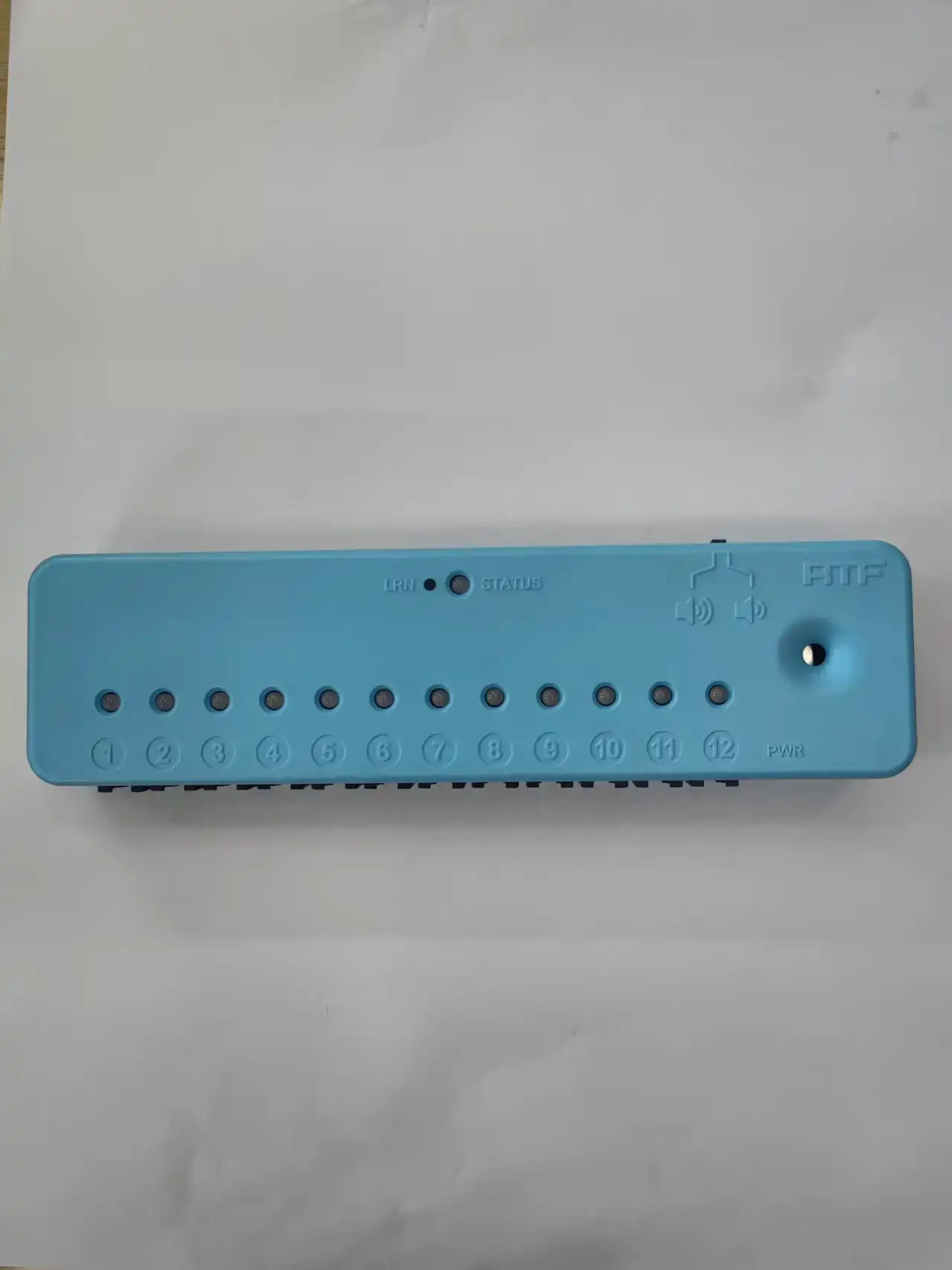
How many alarm circuits can a twelve-way alarm control box support?
When evaluating security infrastructure for industrial facilities, construction equipment, or power generation plants, understanding the capacity of your alarm control system is paramount. A twelve-way alarm control box is specifically designed to support exactly twelve independent alarm circuits simultaneously. This configuration allows facilities to monitor multiple zones, sensors, or detection points through a single centralized control unit, providing comprehensive coverage without overwhelming complexity. Each circuit operates independently, meaning you can connect different types of sensors—from smoke detectors and motion sensors to temperature monitors and intrusion alarms—across twelve distinct channels. The capacity of this system makes it particularly suitable for medium-sized operations that need scalable, reliable security without investing in higher-capacity units that exceed their actual requirements.
Understanding the Basics of a Twelve-Way Alarm Control Box
How well you can protect your assets and deal with possible threats depends on how the multi-circuit alarm system is built. Technical engineers and procurement managers can make better decisions when they know what makes a twelve-way alarm control box configuration unique.
What Distinguishes a Twelve-Way Configuration
The circuit capacity and processing power of a twelve-way alarm control box set it apart from eight-way or sixteen-way types. For smaller buildings, an eight-way system might be enough. However, a twelve-circuit panel gives you the freedom you need as your business grows without the higher cost of sixteen-circuit types. The control board inside these units has separate inputs for each circuit. This keeps the signals pure and stops crosstalk between zones. This separation is very important for keeping an eye on different areas of the same building, such as the production floors, storage areas, and office areas.
The actual layout allows for twelve separate input lines, each of which can handle a different type of sensor. Because these parts are separate, good engineers can put together systems that watch over both the environment and security threats at the same time. The panel's computer constantly checks all twelve circuits, usually doing a full loop every few seconds to make sure it works in real time.
Key Components and Their Functions
The control board is the brain of the system, and each alarm zone has its own circuitry on it. Each input channel on a modern unit has surge protection and noise filters built in. This is very important in industrial settings where electromagnetic interference from heavy machinery can cause false alarms. The wire infrastructure has clearly labelled connector blocks that make installation easier and lower the risk of making mistakes when connecting things during setup or maintenance.
Most of the time, these control boxes' power supply systems have two inputs that can connect to both AC mains and a battery backup. This backup makes sure that the system keeps running even if the power goes out, which is very important for facilities that are open 24 hours a day. The unit's power distribution network gives all twelve circuits controlled voltage at the same time. Overcurrent safety stops damage from short circuits or sensor problems.
Applications Across Industrial Settings
Twelve-circuit systems are often used in factories to keep an eye on the work areas, places where materials are stored, quality control stations, and entry points around the outside. These control boxes protect equipment yards, places to store fuel, repair bays, and office buildings in construction and heavy machinery operations through a single, connected system. Monitoring turbine housings, transformer stations, control rooms and maintenance access points in wind farms or oil and gas facilities are some of the uses in the energy sector.
Because a twelve-circuit design is scalable, operations managers can start by implementing only some of it and add more as funds allow. You could connect eight wires at first and save four for future growth. This way, when you add new zones, you won't have to update the whole control box. This forward-thinking approach lowers the total cost of ownership and keeps operations running as smoothly as possible.

Installation and Troubleshooting of a Twelve-Way Alarm Control Box
The reliability and long-term performance of a twelve-way alarm control box system are directly affected by how well it was installed. To keep setup time as short as possible, technical teams must find a mix between being thorough and being quick.
Pre-Installation Planning and Site Assessment
Before you mount the control box, you should do a full site study to find the best places to put it. The unit should be put in a climate-controlled area that is away from sources of shaking, moisture, or high or low temperatures. Accessibility is also important—technicians need to be able to easily get to the panel for regular maintenance and emergency fixing without putting it in a public place where anyone can see it.
To plan a circuit, you need to make a map of which sensors connect to which terminals. Putting similar zones on circuits that are next to each other makes wiring and troubleshooting easier in the future. When repair teams need to separate certain lines or when the system needs to be expanded later, the documentation that was made during planning comes in handy. By drawing thorough sketches of where the sensors are, how they are connected to the circuits, and how the wires are routed, you can use these as a guide for as long as the system works.
Wiring Procedures and Connection Protocols
To make sure dependability, each wire connection follows a regular process. Sensors link to their designated terminals using wires with the right rating. Depending on the length of the run and the amount of power needed, the wires are usually 18 to 22 gauge. Using cable trays or conduit to keep conductors safe from damage and moving power lines away from signal cables to stop interference are both important parts of managing wires correctly.
When connecting terminals, you need to pay attention to the torque and polarity requirements. Too much tightening can damage the terminal blocks, and not enough tightening can cause connections to break, which can lead to false alarms or missed detections. Colour-coding wires by circuit function makes it easier for techs to find links quickly when they are trying to fix problems. Labelling every wire at both the sensor end and the control box end takes the guesswork out of future maintenance.
Common Issues and Effective Solutions
Wiring mistakes are the most common problem during installation. When circuits don't work or start without warning, breaks or shorts can be found by regularly checking the connection between the sensor and the control box. By checking the voltage at the sensor terminals with a multimeter, you can be sure that power gets to all connected devices correctly.
Most of the time, external factors, not broken equipment, cause false alerts. If you put sensors too close to heat sources, air vents, or places with a lot of foot traffic, they might go off by accident. Usually, these problems can be fixed by changing the sensitivity settings or moving the sensors that are giving you trouble. Power problems usually show up as system restarts or circuit failures that affect more than one zone at the same time. Most electrical problems can be fixed by checking the condition of the battery backup and the connections to the power supply.
Regular maintenance schedules prevent many problems before they occur. As part of every three months' checks, each circuit should be tested separately, the terminal connections should be cleaned, the battery backup capacity should be checked, and software should be updated on digitally enabled models. By keeping extra sensors, backup batteries, and switches in stock, you can cut down on downtime when something breaks.
Procurement Guide: How to Buy the Right Twelve-Way Alarm Control Box
To make smart buying choices for a twelve-way alarm control box, you need to know about technical standards, certification needs, and the supplier's abilities. When buying managers look for alarm control systems, these are some important things they should think about.
Compatibility with your existing infrastructure tops the priority list. Make sure that the control box can connect to the types of sensors you already have and send signals that can be used by your tracking units or building management systems. Mixing parts that don't work well together can make integration difficult and may require expensive adapters or protocol converters.
Certification compliance makes sure that the equipment meets the rules in your area and in your business. A company that has ISO9001 certification means that they have quality control methods in place that make sure the quality of their products is always the same. Environmental certifications like ISO14001 show a dedication to eco-friendly production methods. Occupational health and safety standards, like ISO45001, show that a provider cares about the well-being of its workers, which is linked to the quality and dependability of its products.
Warranty coverage and technical support availability significantly impact long-term satisfaction. Your investment is protected against flaws in the manufacturing process by warranties that cover both parts and labour for at least two years. When fixing urgent problems that threaten facility security, responsive technical support that can be reached by phone or email with reasonable response times is very helpful.
Selecting suppliers with demonstrated expertise in industrial applications ensures you receive appropriate guidance during specification and installation. Manufacturers who work with the energy, heavy machinery, and car industries know that their goods will be used in harsh conditions and build them to handle those conditions. Suppliers who can make 50,000 units a year can keep up with rising demand without having to delay deliveries.
Customization capabilities add strategic value when standard configurations don't perfectly match your requirements. When a manufacturer offers OEM and ODM services, they can change designs to add certain features, change the size, or add your logo. Custom specs let circuit layouts, mounting setups, or enclosure materials be changed to fit specific use cases.
Packaging and shipping arrangements affect both product condition upon arrival and handling efficiency. Professional sellers use protected materials that are safe for international shipping to wrap control boxes. They use combinations of cartons and wooden boxes that keep things from getting damaged during transport. Clear paperwork that comes with shipments, like test results, installation guides, and certificates of compliance, speeds up the receiving process and makes rollout easier.
Conclusion
In conclusion, a twelve-way alarm control box serves precisely twelve separate alarm circuits. This gives medium-sized industrial activities in the areas of making cars, construction equipment, heavy machinery, and energy production the capacity they need. This configuration provides useful scalability, letting facilities provide full security without spending too much on capacity that isn't being used. For deployment to go smoothly, installation must be carefully planned, compatible parts must be chosen, and suppliers must be partnered with who understand industrial needs. As technology keeps getting better at integrating IoT devices, saving energy, and letting users make their own choices, twelve-circuit systems become smart purchases that can help with both current security needs and future plans for growth.
FAQ
1. What types of sensors work with twelve-circuit alarm systems?
These control boxes can hold different kinds of sensors, like smoke detectors, heat detectors, motion detectors, door and window contacts, glass break sensors and outdoor monitors that check for changes in temperature, humidity, or gas levels. During system design, make sure that the voltage and signal type of the sensors and the twelve-way alarm control box inputs are compatible to make sure the system works right.
2. How does circuit capacity affect system reliability?
By isolating failures, spreading tracking duties across twelve separate lines improves dependability. If a sensor or wire breaks on one circuit, it doesn't affect the other eleven zones. This separation is especially helpful in industrial settings where some places have harsher conditions that can shorten the life of equipment.
3. Can you expand a twelve-way system beyond twelve circuits?
If your building grows and needs more tracking zones than twelve circuits, you can add a second control box and connect the two through a single monitoring station. This distributed approach keeps the level of complexity manageable while increasing capacity. On the other hand, upgrading to a sixteen-way or higher capacity unit will combine control, but the old panel will need to be replaced.
Partner with Rongbao Enterprise for Reliable Alarm Control Box Components
Precision-cast alarm device parts made by Rongbao Enterprise meet the high standards needed for twelve-way alarm control box assemblies. Our Xi'an facility operates under ISO9001:2015, ISO14001, and ISO45001 certifications, ensuring consistent quality and environmental responsibility across our 50,000-piece annual production capacity. We specialize in custom specifications through our OEM/ODM services, working directly with equipment manufacturers to develop components that integrate seamlessly into your control system designs.
Our complete manufacturing capabilities—spanning high-pressure die casting, precision machining, and comprehensive testing—deliver components meeting the tight tolerances essential for reliable alarm systems. With 70% of our production serving European, American, and Japanese markets, we understand international quality expectations and compliance requirements. Our technical team collaborates with clients from design through delivery, providing the expertise that procurement managers, technical engineers, and quality assurance professionals require when sourcing critical security system components.
Reach out to explore how our customized casting solutions can support your alarm control box manufacturing needs. Contact steve.zhou@263.net or zhouyi@rongbaocasting.com to discuss your specifications with our engineering team. As an established twelve-way alarm control box supplier, we deliver the quality, capacity, and partnership approach that builds long-term success.
References
1. Anderson, M. (2023). Industrial Security Systems: Design and Implementation. Technical Press International.
2. Chen, L. & Roberts, K. (2024). "Multi-Zone Alarm Control Technologies for Industrial Applications." Journal of Safety Engineering, 45(2), 178-195.
3. Industrial Safety Standards Board. (2023). Guidelines for Alarm System Capacity Planning in Manufacturing Facilities. ISSB Publications.
4. Martinez, R. (2024). Modern Fire and Security Alarm Systems: A Comprehensive Guide. Security Technology Publishers.
5. National Electrical Manufacturers Association. (2023). Standards for Alarm Control Equipment in Industrial Environments. NEMA Technical Documentation.
6. Thompson, J., Wu, H., & Goldstein, A. (2024). "Comparative Analysis of Multi-Circuit Alarm Control Architectures." International Conference on Industrial Safety Systems Proceedings, 234-248.
Learn about our latest products and discounts through SMS or email