- English
- French
- German
- Portuguese
- Spanish
- Russian
- Japanese
- Korean
- Arabic
- Greek
- German
- Turkish
- Italian
- Danish
- Romanian
- Indonesian
- Czech
- Afrikaans
- Swedish
- Polish
- Basque
- Catalan
- Esperanto
- Hindi
- Lao
- Albanian
- Amharic
- Armenian
- Azerbaijani
- Belarusian
- Bengali
- Bosnian
- Bulgarian
- Cebuano
- Chichewa
- Corsican
- Croatian
- Dutch
- Estonian
- Filipino
- Finnish
- Frisian
- Galician
- Georgian
- Gujarati
- Haitian
- Hausa
- Hawaiian
- Hebrew
- Hmong
- Hungarian
- Icelandic
- Igbo
- Javanese
- Kannada
- Kazakh
- Khmer
- Kurdish
- Kyrgyz
- Latin
- Latvian
- Lithuanian
- Luxembou..
- Macedonian
- Malagasy
- Malay
- Malayalam
- Maltese
- Maori
- Marathi
- Mongolian
- Burmese
- Nepali
- Norwegian
- Pashto
- Persian
- Punjabi
- Serbian
- Sesotho
- Sinhala
- Slovak
- Slovenian
- Somali
- Samoan
- Scots Gaelic
- Shona
- Sindhi
- Sundanese
- Swahili
- Tajik
- Tamil
- Telugu
- Thai
- Ukrainian
- Urdu
- Uzbek
- Vietnamese
- Welsh
- Xhosa
- Yiddish
- Yoruba
- Zulu
What is the strongest die cast aluminum?
A356 aluminum alloy, especially when made using aluminium gravity die casting, is the strongest die cast aluminum available. In addition to having great dimensional stability and resistance to corrosion, this alloy may reach tensile strengths between 240 and 310 MPa, or 35,000 and 45,000 psi, respectively. Gravity casting is the technique of choice for high-performance applications in aerospace, automotive, and industrial equipment manufacture because it improves these qualities by lowering porosity and developing finer grain structures than standard casting processes.
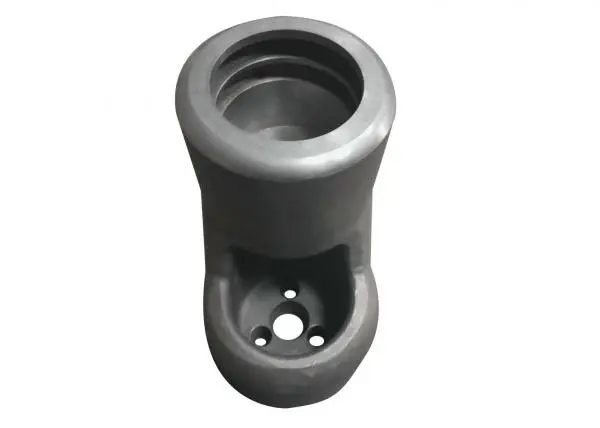
Understanding Die Cast Aluminum and Its Strength
Die cast aluminum is an example of a high-tech manufacturing process that successfully reduces weight without sacrificing structural integrity. Alloy composition, cooling rates, and casting methods have a significant impact on the strength of die cast aluminum. Procurement experts and engineers may make better judgments on the selection of materials for important applications if they have a firm grasp of these basic principles.
Metallurgical Characteristics That Define Strength
Die cast aluminum's mechanical qualities are a result of its alloying components and crystalline structure. A eutectic composition, achieved by high-strength alloys with silicon contents ranging from 6 to 12 percent, improves casting fluidity while preserving structural integrity upon solidification. Additional strength enhancement by precipitation hardening may be achieved with magnesium additions ranging from 0.2-0.6%, whereas increasing the copper content can increase tensile strength but decrease corrosion resistance.
Controlling the temperature during solidification is essential for achieving the desired mechanical characteristics. Permanent mold contact allows for rapid cooling, which in turn produces finer grain structures and greater strength values. Gravity cast aluminum has dendritic arm spacing of 20-50 micrometers, which is far better mechanically than sand cast aluminum's 50-100 micrometers.
Aluminium Gravity Die Casting Fundamentals
The process of aluminum gravity die casting involves using the force of gravity to fill steel molds with molten aluminum. This results in components with better mechanical qualities and surface finishes. Pouring temperatures range from 650 to 750°C, with the exact range dependent on the alloy and the intricacy of the workpiece. The reusable steel molds, usually crafted from H13 tool steel, provide precise dimensions and uniform cooling rates because to their high heat conductivity.
In comparison to pressure-assisted processes, the metal flow properties of aluminium gravity die casting are quite different. Reduced turbulence and air entrapment, which may impair mechanical qualities, are results of the 0.5-2.0 m/s molten aluminum's entry velocity into the mold cavity. Castings with density values approaching 98-99% of theoretical maximum are produced by this controlled filling technique, which reduces oxide formation and porosity.
Top-Performing Aluminum Alloys for Strength Applications
When gravity die casting is used to certain aluminum alloys, they show remarkable strength properties. Aluminum alloy A356 is the gold standard because it has the best combination of these three properties: strength, ductility, and castability. After being heat treated with T6, this alloy reaches ultimate tensile strengths ranging from 240 to 310 MPa, yield strengths of 200 to 250 MPa, and elongation values of 3-8%.
With better mechanical qualities and more stringent composition control, A357 aluminum alloy is an upgraded variant of A356. Beryllium, when added in trace amounts (0.04-0.07%), improves grain structure and adds further 10-15% to the strength. The strength qualities of A319 aluminum alloy remain unchanged up to 200°C working conditions, making it an ideal material for applications requiring increased temperatures and a high degree of thermal stability.
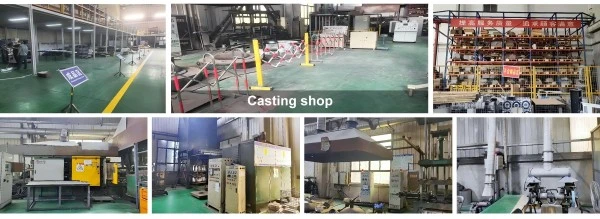
Aluminium Gravity Die Casting Process and Its Impact on Strength
By precisely controlling metallurgical factors, the mechanical qualities of produced components are directly impacted by the gravity die casting process. From the preparation of the mold until the ejection of the part, every step of the manufacturing process affects the final strength properties. Optimizing casting quality and achieving consistent mechanical performance are both made possible when manufacturers have a firm grasp of these process factors.
Process Control Parameters for Enhanced Strength
One of the most important factors in getting the right strength qualities is controlling the mold's temperature. Depending on the shape of the item and the alloy used, the preheating temperature may be anywhere from 200 to 300°C. Rapid solidification and finer grain structures are promoted by lower mold temperatures, whereas better mold filling and less thermal shock are achieved by higher temperatures. In order to avoid internal stresses that might lower ultimate strength, it is crucial to carefully control the cooling rate difference between thick and thin portions.
The pouring procedure has a major impact on the mechanical characteristics and casting integrity. By keeping the metal flow front smooth, tilt-pouring techniques minimize turbulence and oxide entrainment. For optimal laminar flow conditions and to avoid cold closes, the pour rate is usually between 1 and 5 kg/minute per square centimeter of gate area. Directional solidification and the reduction of porosity in high-stress regions are achieved by the engineering of the gate design and runner systems.
Quality Assurance Methods for Structural Integrity
To make sure the castings are strong enough, non-destructive testing procedures are put in place. The void content in structural applications is usually limited to less than 2% by volume, as shown by X-ray radiography, which also shows the inclusion content and internal porosity. When subjected to cyclic loads, ultrasonic testing may reveal hidden flaws that might cause fatigue failures.
The geometric correctness is confirmed within ±0.1-0.3mm tolerances, depending on the complexity and size of the product, by dimensional examination utilizing coordinate measuring equipment. Ra values between 1.6 and 6.3 micrometers are often achieved in surface roughness measurements straight from the casting process, without the need for further machining. You may have faith in the mechanical performance and durability thanks to these quality control techniques.
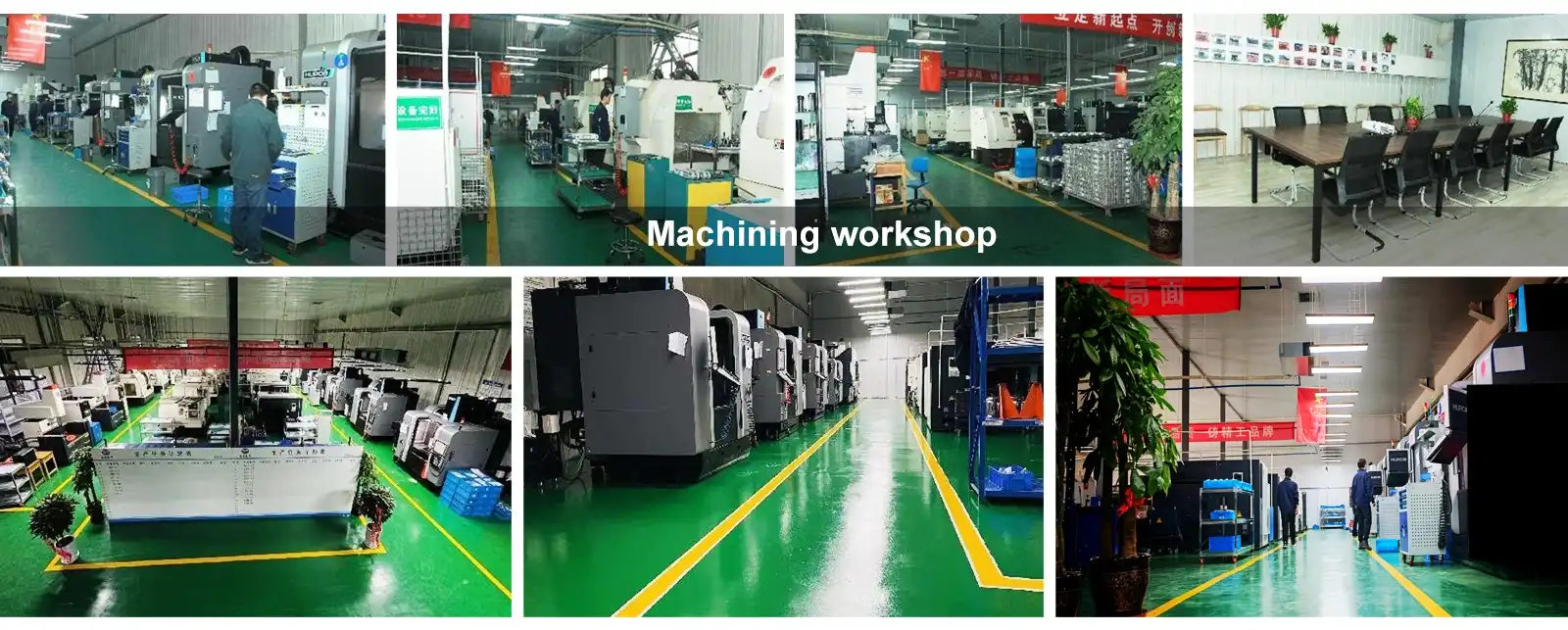
Defect Prevention Strategies
When it comes to gravity cast aluminum, porosity is still the key issue influencing mechanical strength. Hydrogen absorption during melting causes gas porosity, which may be reduced by degassing procedures that use argon or nitrogen purging. To avoid insufficient metal supply to the final solidifying regions—caused by shrinkage porosity—careful feeding system design is required.
By concentrating stress and providing possible places for cracks to start, cold shut flaws reduce strength. Optimized gating design and effective pouring temperature control may avoid these discontinuities, which are the consequence of poor fusing between metal streams. Consistent mechanical characteristics are achieved throughout the casting process by minimizing inclusion material via efficient filtering systems and clean metal handling techniques.
Applications and Benefits of Strong Aluminium Gravity Die Cast Components
Gravity die casting produces high-strength aluminum components that are essential to many different types of industries. These castings are perfect for uses where performance and durability meet because of their lightweight design, resistance to corrosion, and mechanical dependability. The manufacturing technology's practical usefulness may be shown by examining its real-world applications.
Automotive and Commercial Vehicle Applications
Components made of gravity cast aluminum are widely used in the engine and chassis of automobiles. To keep the vehicle's weight down without sacrificing structural integrity, A356 aluminum alloy is used for engine blocks, cylinder heads, and gearbox housings. Consistent mechanical characteristics throughout the casting structure is required for these components to work at pressures exceeding 20 MPa and temperatures approaching 150°C.
The high fatigue resistance that is attained by aluminium gravity die casting methods is ideal for suspension components like control arms and knuckles. The decreased porosity and fine grain structure help to prolong the service life when subjected to cyclic loads. Fuel economy is improved without sacrificing safety performance criteria mandated by car manufacturers, thanks to weight reductions of 40-60% compared to identical steel components.
Aerospace and High-Precision Component Requirements
Aluminum castings must meet the rigorous performance and dependability standards of aerospace applications. Aluminum with a high strength-to-weight ratio and predictable mechanical qualities is used in aircraft engine parts, landing gear assemblies, and structural fittings. Integration of several functionalities into single castings is made possible by the process capacity for complicated geometries, which in turn reduces assembly complexity and potential failure spots.
Aerospace applications need stringent testing and material traceability methods to meet quality standards. Thorough mechanical testing is performed on components made of gravity cast aluminum, including measurement of tensile, fatigue, and fracture toughness. Aerospace design certification procedures rely on accurate material property databases, which are made possible by the uniform microstructure generated by permanent mold casting.

Industrial Equipment and Heavy Machinery Sector
Components of hydraulic machinery, such as pumps and compressors, are often made of gravity cast aluminum, which is both durable and resistant to corrosion. For fluid handling applications, the permanent mold casting method is ideal because it creates complicated geometries and accurate interior channels. When casting quality is high enough, further machining procedures are usually unnecessary, which cuts down on production costs and delays.
Gravity casting ensures structural stability while the high thermal conductivity of aluminum makes it ideal for use in heat exchangers and other thermal management components. This method maximizes heat transfer efficiency while maintaining pressure containment capabilities, allowing for thin-wall portions with constant thickness control. A unique alloy specification that strikes a compromise between mechanical strength and thermal performance is usually necessary for these kinds of applications.
How to Procure High-Quality Aluminium Gravity Die Castings?
Thoroughly assessing the technical knowledge, quality processes, and supplier skills is essential for strategic procurement of aluminum gravity die castings. The casting process is complicated and mechanical characteristics are crucial, therefore it is necessary to qualify suppliers thoroughly and manage partnerships on a continual basis. Achieving cost targets while meeting performance standards and ensuring reliable delivery is the key to successful procurement strategies.
Supplier Selection Criteria and Certifications
Certifying a supplier's quality management system is a basic way to guarantee their competence and reliability. Industry-specific standards, such IATF 16949 for automotive applications, show specialist knowledge, whereas ISO 9001 certification defines fundamental quality management concepts. In order to achieve the demanding standards of quality and traceability necessary for flight-critical components, aerospace vendors must get AS9100 certification.
In addition to certification, technical competencies include metallurgical knowledge, process control systems, and testing infrastructure. Alloy selection, heat treatment, and non-destructive testing are areas where suppliers should shine. A deep grasp of aluminium gravity die casting basics is shown by advanced capabilities like computer-aided solidification modeling and statistical process control.
Suppliers can fulfill both the present and future volume needs if scalability and production capacity are taken into account. Delivery performance and cost competitiveness are impacted by worker capabilities, mold inventory management, and equipment capacity. When it comes to big or heavy castings, logistical infrastructure and geographic location have a big role in shipping costs and supply chain flexibility.
Logistical Considerations and Cost Structures
Factors like as process optimization, lead time planning, and tooling development must be understood. Production lead times may vary from two to eight weeks, depending on factors like volume and scheduling restrictions, while initial tool development can take anywhere from eight to sixteen weeks, depending on how complicated the tool is. Manage unforeseen changes in demand and project timelines with the support of rush order capabilities and capacity flexibility.
Quantities required for minimum orders are based on the economical lot sizes used in gravity casting processes. Economical batch sizes are affected by setup costs, material handling efficiency, and the needs for quality control. To help their customers make the most of their money and minimize their storage needs, several suppliers provide services like inventory management and planned delivery programs.
Tooling amortization, processing charges, finishing activities, and material prices make up the cost structures in gravity die casting. Possibilities for successful negotiation and value engineering may be realized with an understanding of these components. Design optimization, process improvements, and volume pledges are common ways in which long-term cooperation may lead to cost savings.
Conclusion
The strongest die cast aluminum emerges from the strategic combination of optimized alloy selection, precision process control, and comprehensive quality assurance protocols. A356 aluminum alloy, when processed through aluminium gravity die casting, delivers exceptional mechanical properties ranging from 240-310 MPa tensile strength with superior dimensional accuracy and surface finish characteristics. The gravity casting process enhances these properties through controlled solidification, reduced porosity, and fine grain structure development that traditional casting methods cannot achieve.
Successful procurement of high-strength aluminum gravity die castings requires partnership with suppliers who demonstrate technical expertise, quality system compliance, and production scalability. The investment in permanent tooling and process optimization delivers long-term value through consistent mechanical properties, reduced secondary operations, and reliable delivery performance essential for demanding industrial applications across automotive, aerospace, and heavy equipment sectors.
Partner with Rongbao Enterprise for Premium Aluminium Gravity Die Casting Solutions
Rongbao Enterprise stands ready to transform your component requirements into precision-engineered aluminum gravity die castings that exceed performance expectations. Our comprehensive manufacturing expertise, international quality certifications, and proven track record across automotive, aerospace, and industrial sectors provide the foundation for successful long-term partnerships. Whether you require prototype development, medium-volume production, or large-scale manufacturing solutions, our technical team delivers customized approaches that optimize strength, quality, and cost-effectiveness. Connect with our aluminum gravity die casting specialists today through steve.zhou@263.net or zhouyi@rongbaocasting.com to discuss your specific application requirements and discover how our advanced manufacturing capabilities can enhance your product performance and competitive advantage.
FAQ
Which aluminum alloy provides the highest strength in gravity die casting applications?
A356 aluminum alloy consistently delivers the highest strength values in gravity die casting, achieving tensile strengths of 240-310 MPa in T6 heat-treated condition. This alloy offers optimal castability, heat treatment response, and corrosion resistance for demanding structural applications.
How does gravity die casting strength compare to high-pressure die casting?
Gravity die casting typically produces 15-25% higher tensile strength values compared to high-pressure die casting due to reduced porosity and improved metallurgical structure. The controlled filling process minimizes gas entrapment and oxide inclusion formation that can compromise mechanical properties.
What casting defects most significantly impact aluminum strength properties?
Porosity represents the most critical defect affecting strength, particularly gas porosity and shrinkage voids that create stress concentration points. Cold shuts and oxide inclusions also compromise mechanical properties by introducing discontinuities in the casting structure that can initiate crack propagation under load.
What minimum order quantities should be expected for gravity die cast aluminum components?
Minimum order quantities typically range from 100-1000 pieces depending on component size, complexity, and tooling requirements. Economic lot sizes balance setup costs with inventory considerations, while suppliers often offer flexible scheduling to optimize customer cash flow requirements.
How long does tooling development require for gravity die casting projects?
Initial tool development generally requires 8-16 weeks depending on component complexity, mold design requirements, and supplier workload. Complex geometries or multi-cavity tooling may extend development timelines, while standard configurations can often be completed within shorter timeframes.
References
1. Campbell, John. "Complete Casting Handbook: Metal Casting Processes, Metallurgy, Techniques and Design." Second Edition. Butterworth-Heinemann, 2015.
2. Kaufman, J. Gilbert, and Elwin L. Rooy. "Aluminum Alloy Castings: Properties, Processes, and Applications." ASM International Materials Park, 2004.
3. Dispinar, Derya, and John Campbell. "Critical Assessment of Reduced Pressure Test. Part 1: Porosity Phenomena." International Journal of Cast Metals Research, Volume 17, Issue 5, 2004.
4. Tiryakioğlu, Murat. "Statistical Distributions for the Size of Fatigue-Initiating Defects in Al-7%Si-0.3%Mg Alloy Castings." Materials Science and Engineering A, Volume 527, 2010.
5. Cáceres, Carlos H., and John R. Griffiths. "Damage by the Accumulation of Deformation Twins in Alpha-Aluminum." Acta Materialia, Volume 44, Issue 1, 1996.
6. Major, J.F. "Porosity Control and Fatigue Behavior in A356-T61 Aluminum Alloy." Transactions of the American Foundry Society, Volume 105, 1997.
Learn about our latest products and discounts through SMS or email