- English
- French
- German
- Portuguese
- Spanish
- Russian
- Japanese
- Korean
- Arabic
- Greek
- German
- Turkish
- Italian
- Danish
- Romanian
- Indonesian
- Czech
- Afrikaans
- Swedish
- Polish
- Basque
- Catalan
- Esperanto
- Hindi
- Lao
- Albanian
- Amharic
- Armenian
- Azerbaijani
- Belarusian
- Bengali
- Bosnian
- Bulgarian
- Cebuano
- Chichewa
- Corsican
- Croatian
- Dutch
- Estonian
- Filipino
- Finnish
- Frisian
- Galician
- Georgian
- Gujarati
- Haitian
- Hausa
- Hawaiian
- Hebrew
- Hmong
- Hungarian
- Icelandic
- Igbo
- Javanese
- Kannada
- Kazakh
- Khmer
- Kurdish
- Kyrgyz
- Latin
- Latvian
- Lithuanian
- Luxembou..
- Macedonian
- Malagasy
- Malay
- Malayalam
- Maltese
- Maori
- Marathi
- Mongolian
- Burmese
- Nepali
- Norwegian
- Pashto
- Persian
- Punjabi
- Serbian
- Sesotho
- Sinhala
- Slovak
- Slovenian
- Somali
- Samoan
- Scots Gaelic
- Shona
- Sindhi
- Sundanese
- Swahili
- Tajik
- Tamil
- Telugu
- Thai
- Ukrainian
- Urdu
- Uzbek
- Vietnamese
- Welsh
- Xhosa
- Yiddish
- Yoruba
- Zulu
Essential Casting Materials Used in Casting Factories
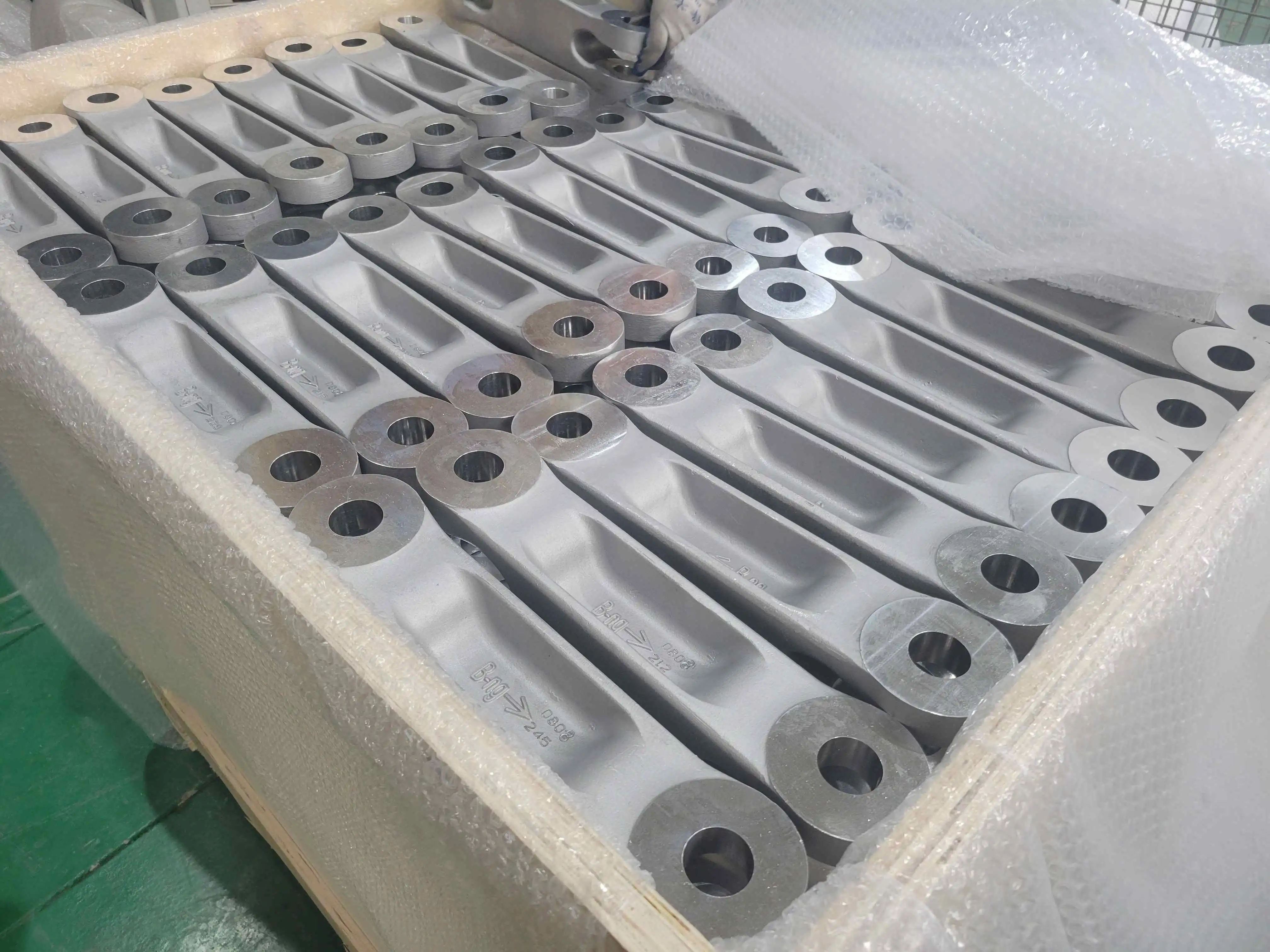
The quality and performance of components across sectors are determined by essential casting materials, which are the backbone of current manufacturing processes. Materials hand-picked by a casting factory include ferrous metals (e.g., steel and iron), non-ferrous alternatives (e.g., aluminum and copper alloys), and specialty materials (e.g., materials designed for high-performance applications). Procurement experts may maximize production efficiency, save costs, and guarantee component dependability in their manufacturing processes by understanding these materials and making educated judgments.
General Overview of Casting Materials
Foundries nowadays use a wide variety of materials to cater to the specific needs of different types of industrial applications. Recognizing these materials' basic shaping of manufacturing processes and end-product performance is the first step toward understanding them.
Classification of Casting Materials
Several main types of casting materials exist, each with its own set of benefits and uses. The majority of heavy-duty applications that need extraordinary strength and endurance are made of ferrous materials, which include different grades of steel and iron. When strength is of the utmost importance, these materials are ideal for use in engine blocks for automobiles, parts for construction equipment, and machinery for factories.
For uses where lightness and resistance to corrosion are paramount, non-ferrous materials provide attractive substitutes. Thanks to its ability to reduce weight significantly without sacrificing performance, aluminum alloys have transformed the production of automobiles and aeroplanes. Alloys containing copper are essential for heat exchange systems and electrical components due to their high thermal and electrical conductivity.
When regular materials don't cut it in a high-performance application, specialty materials like titanium alloys and superalloys step in. These high-tech materials are resistant to harsh conditions that would destroy more traditional materials, such as high temperatures, acidic environments, and rigorous mechanical strains.
Material Properties Impact on Manufacturing
From mold design to finishing needs, material selection impacts production operations directly. The manufacturing costs and cycle times are affected by materials with a high melting point because they need specific furnace capabilities and energy-intensive melting procedures. Reduced manufacturing costs per unit are made possible by lower-temperature materials, such as zinc alloys, which allow for quick production cycles and prolonged mold life.
The most efficient techniques of manufacturing are defined by the correlation between material characteristics and casting processes. Sand casting allows for almost any material to be cast, but die casting limits material options to lower-melting-point alloys and may compromise dimensional accuracy. This void is filled by investment casting, which, at the expense of higher tooling costs, provides excellent accuracy over a wider variety of materials.
Key Casting Materials and Their Properties
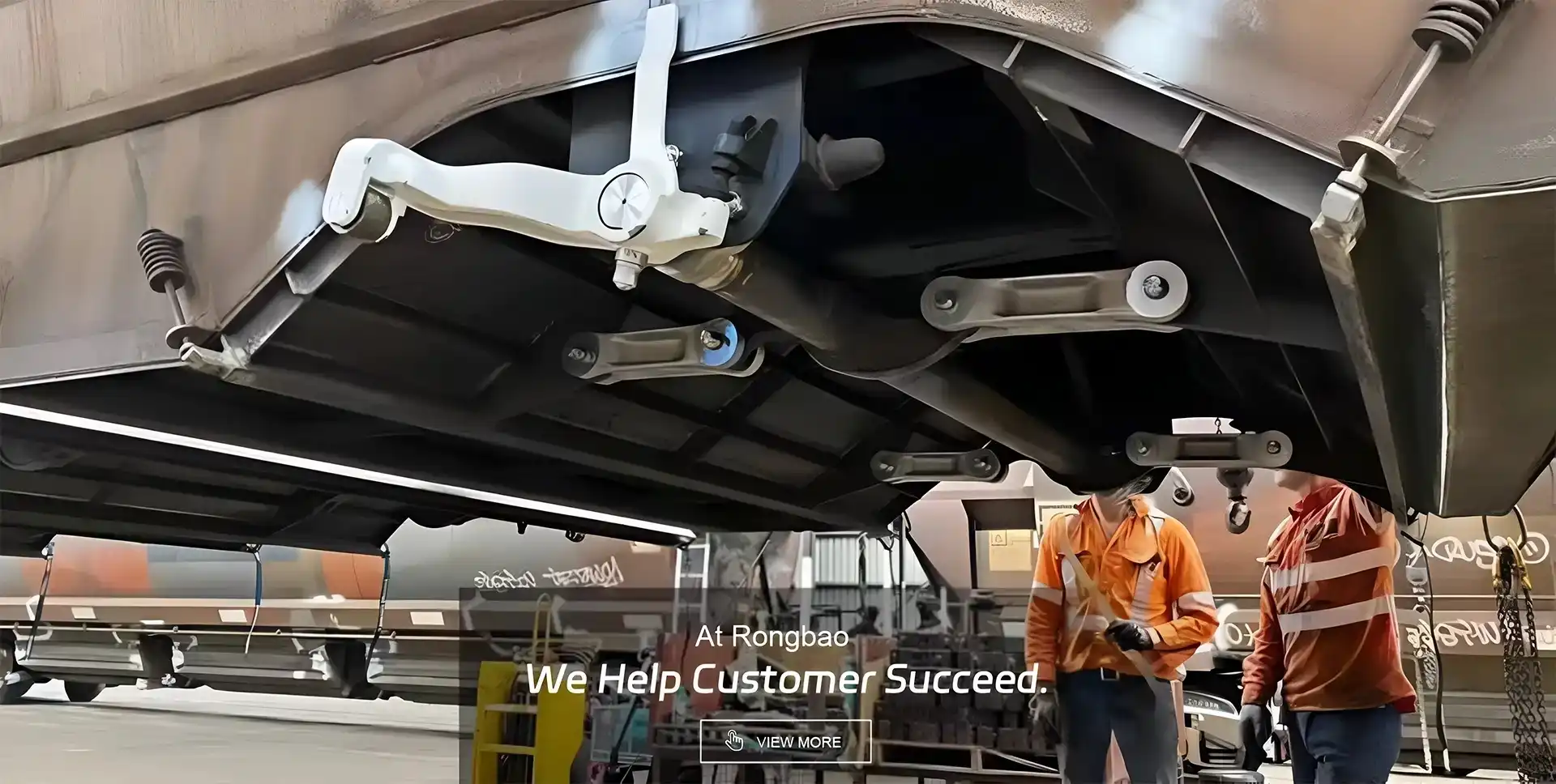
Knowing the features and uses of the various materials accessible in the casting factory is essential for making an informed material decision. Every kind of material has its own set of advantages that are well-suited to certain types of industrial needs.
Ferrous Materials: Strength and Reliability
Because of its high machinability and vibration damping characteristics, cast iron is still an essential material in foundry operations. Engine blocks and brake components are perfect candidates for gray iron due to its high heat conductivity and remarkable wear resistance. Ductile iron is ideal for high-stress automotive and building applications because to its exceptional tensile strength and impact resistance.
When it comes to heat treatment possibilities and strength-to-weight ratios, steel castings are second to none. For structural components, carbon steel is a cost-effective option, while alloy steels, which include elements like nickel, chromium, and molybdenum, improve characteristics like hardness, corrosion resistance, and high-temperature performance.
In contexts where durability and structural integrity are paramount, these materials reign supreme. Engine blocks, gearbox housings, and suspension components are made by automobile manufacturers using iron castings. Hydraulic parts, gear housings, and structural parts that experience high loads are constructed using steel castings in construction equipment.
Non-Ferrous Materials: Lightweight Performance
The combination of low density and outstanding mechanical characteristics of aluminum alloys has revolutionized contemporary production. These materials are very strong and have excellent heat conductivity and corrosion resistance. Whether it's a lightweight car part or a high-strength aerospace component, the composition of aluminum alloys determines how well they operate.
When it comes to electrical conductivity, corrosion resistance, or certain aesthetic attributes, copper-based alloys, such as brass and bronze variations, really shine. Bearings and bushings made of bronze alloys are very resistant to wear, and precise components made of brass are very easy to machine.
Magnesium alloys are the most lightweight structural metals that can be found, making them ideal for use in aircraft and electronics due to their high strength-to-weight ratios. The weight reductions of magnesium more than make up for its higher material costs, especially in situations where every gram counts for performance.
Specialty Materials for High-Performance Applications
Because of their low density, great strength, and resistance to corrosion, titanium alloys perform better than any other material under harsh conditions. Aerospace, medical, and chemical industry rely on these materials because they can endure temperatures and chemical exposures that would degrade traditional alternatives.
For use at very high temperatures, superalloys combine elements based on nickel, cobalt, or iron. Gas turbine engines, industrial furnace components, and other uses requiring severe temperatures are made possible by materials that retain strength and oxidation resistance at temperatures above 1000°C.
Zinc alloys provide a distinct advantage when it comes to applications requiring precise die casting. They are strong enough for consumer goods, car parts, and electrical housings, and their low melting point allows for short manufacturing cycles with great dimensional precision.
Choosing the Right Casting Material: Factors and Decision Criteria
Finding the sweet spot between performance, affordability, and manufacturability is the goal of material selection. A thorough analysis of technical, financial, and operational aspects is necessary for making sound purchase choices.
Mechanical and Thermal Property Requirements
In the casting factory, basic material property needs are driven by component functioning. Extreme toughness and ductility are necessary for components subjected to impact loads, but high tensile and fatigue strength are required for load-bearing applications. Particular thermal conductivity, expansion properties, and high-temperature strength retention are required for thermal applications.
Narrowing down material selections efficiently requires an understanding of service environment circumstances. Certain materials are out of the question in corrosive conditions, whereas others with better chemical resistance are preferred. To withstand high and low temperatures, materials must be able to keep their characteristics unchanged and stable in size and shape throughout their projected operational ranges.
Material selection is becoming more and more impacted by weight concerns in many sectors. The increased performance and decreased fuel consumption of premium lightweight materials make them a good financial investment for automotive and aeronautical applications. It may be necessary to do thorough research into cost-sensitive applications in order to ascertain whether material surcharges are justified by weight reductions.
Cost Efficiency and Supply Chain Considerations
The intricacy of the processing, the number of tools needed, and the finishing procedures all contribute to the overall material cost, which goes beyond the price of the raw materials. Considering overall production expenses, higher-cost materials may actually end up being more cost-effective. This is particularly true if they allow for easier processing or the elimination of ancillary processes.
Applications involving high-volume manufacturing make supply chain dependability crucial. The risks associated with purchasing materials with unstable prices or small supplier bases can exceed any potential benefits in terms of technology. Mitigating supply interruptions and price volatility may be achieved by establishing numerous qualified suppliers or material alternatives.
Materials have vastly different lead times, which impacts inventory needs and production scheduling. When compared to specialist materials, which may have longer planning horizons and higher safety stock levels, standard materials usually have shorter lead times and better availability.
Environmental and Sustainability Factors
As businesses strive to lessen their impact on the environment and achieve their sustainability objectives, environmental factors are playing a larger role in determining which materials to use. In many cases, recycled materials may save money without sacrificing environmental quality, and this is especially true for metals like aluminum and steel.
The cost of disposal and the effect on the environment are influenced by how recyclable a material is. In terms of environmental compliance and overall lifespan cost, materials that already have a recycling infrastructure are preferable.
The energy required for melting and processing different materials varies greatly, which in turn affects the manufacturing costs and the effect on the environment. Contributing to sustainability objectives are lower-temperature materials such as zinc alloys and aluminum, which use less energy than high-temperature steels and superalloys.
Quality Control and Material Testing in Casting Factories
To avoid expensive mistakes and production delays, as well as to guarantee constant material qualities and dimensional correctness, casting factory plant quality assurance is an essential part of efficient foundry operations.
Standardized Testing Procedures
Analyzing a material's chemical composition ensures it meets all requirements, allowing for the detection of any discrepancies that may affect its mechanical qualities or performance. Spectrophotometry is a powerful tool for modern foundries to quickly and accurately determine the composition of both raw materials and completed castings.
Important mechanical properties for component performance include hardness, ductility, and strength. Quantitative data proving material compatibility for planned applications may be obtained by tensile testing, hardness assessment, and impact testing.
Internal faults may be detected using non-destructive testing procedures, which do not compromise the integrity of the component. In addition to ultrasonic testing, X-ray radiography may identify inclusions, porosity, and internal discontinuities that may cause the material to fail prematurely.
Industry Certifications and Standards
Supplier competence and reliability may be assured with ISO 9001 certification, which proves dedication to systematic quality management. For dependable manufacturing processes, this foundational accreditation sets baseline quality standards.
IATF 16949 for automotive applications and AS9100 for aerospace components are examples of industry-specific certifications that certify particular quality criteria. By earning these badges, vendors prove they know and follow the rules when it comes to quality and traceability in their respective industries.
Materials may be objectively evaluated and their performance confirmed with the help of ASTM and other standards. Supply chain compatibility, ease of material selection, and qualified suppliers are all benefits of adhering to established standards.
Common Quality Challenges and Solutions
Problems with manufacturing and variances in component performance might arise from material inconsistency across batches. In order to detect differences before they affect production, implement incoming inspection methods and statistical process control. This will allow for remedial measures and supplier feedback.
Finding and fixing issues after they've already happened is less efficient than preventing defects via process control. The key to consistently producing castings free of defects is to keep an eye on key process parameters as they melt, pour, and solidify.
In order to control supplier quality, there must be constant two-way communication and cooperation to fix problems quickly and stop them from happening again. Maintaining high-quality supplier partnerships requires setting explicit expectations for quality, conducting frequent evaluations of performance, and establishing mechanisms for remedial action.
Company Introduction and Product Services
Providing complete production capabilities across multiple industrial sectors, Rongbao Enterprise ranks as a leading source of precision casting solutions. From complex electronic housings to sturdy automobile parts, our plant manufactures them all utilizing cutting-edge technology and strict quality requirements.
Precision machining, high-pressure die casting, low-pressure die casting, gravity casting, and other casting methods are all within our area of competence. With this all-encompassing competence, we can perfectly match the best production procedures to your exact material needs and performance goals. In addition to offering individualized manufacturing solutions, we also promote multi-material compatibility.
Our solution stands out in competitive markets because to our value-added services, which include mold creation and surface treatment capabilities. While working closely with customers, our engineering team optimizes component shape for manufacturability while maintaining performance criteria. This is done by collaborating closely throughout the design process. Components may be prepared for quick assembly by surface treatment techniques like as plating, powder coating, or anodizing.
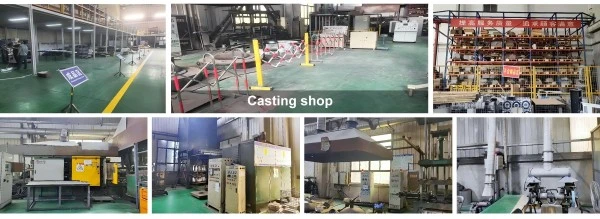
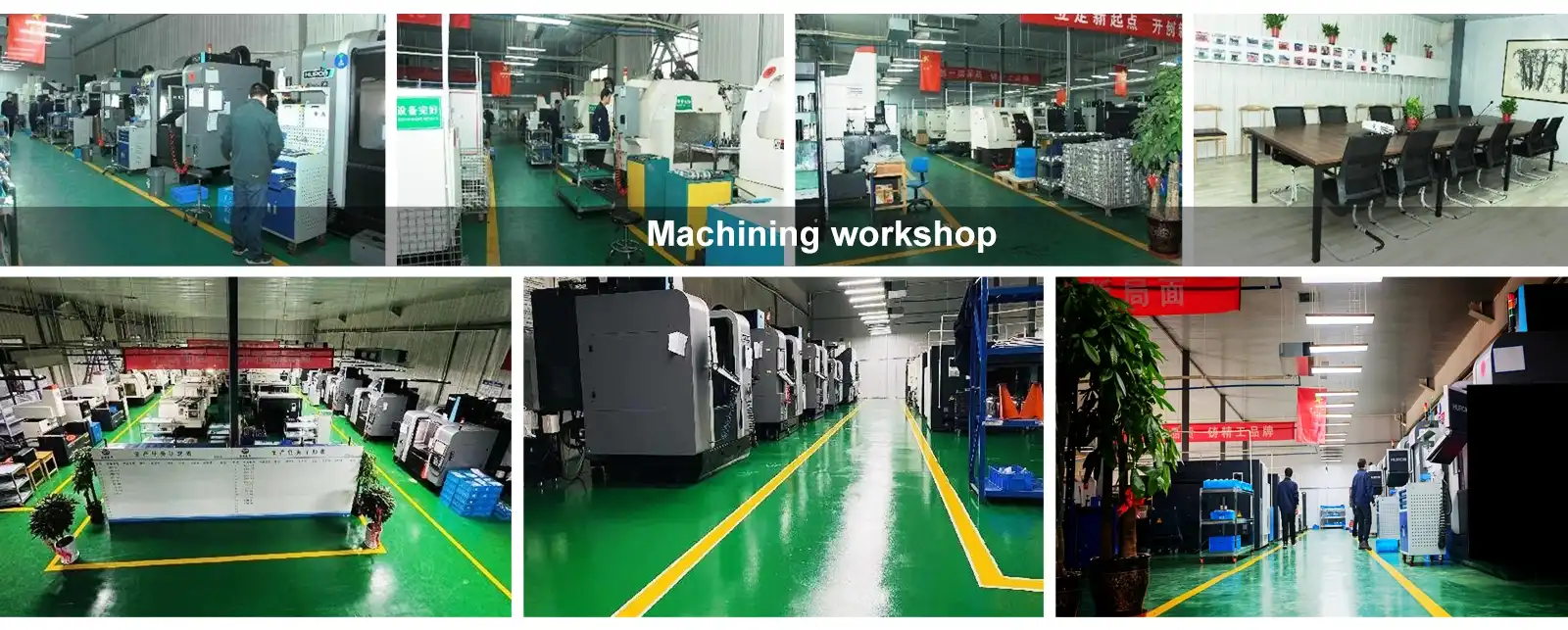
Modern automated machinery for casting, machining, and testing is available at our manufacturing plant. With this integration, even when producing in large quantities, the quality remains constant, and the efficiency is unparalleled. With our standardized large-scale workshops, we can handle big orders with ease and keep the delivery cycles under control, which is crucial for supply chain planning.
Our dedication to standardized management processes and worldwide compliance standards is shown by our quality certifications, which include ISO9001, ISO14001, and ISO45001. At every stage, from receiving raw materials to delivering completed products, our thorough quality control system checks to make sure every part is up to par with global standards.
We have strong worldwide relationships and widespread international renown; 70% of our output goes to the US, Europe, and Japan. Every encounter with our customers is guided by our dedication to honesty, accuracy, creativity, and efficiency. We aim for win-win results via transparent and long-term partnership strategies.
Partner with Rongbao Enterprise for Superior Casting Solutions
Rongbao Enterprise offers comprehensive casting material expertise and manufacturing capabilities designed to meet your precise component requirements. Our experienced engineering team provides personalized consultations covering material selection, process optimization, and cost-effective production strategies tailored to your specific applications.
Contact our specialists at steve.zhou@263.net or zhouyi@rongbaocasting.com to discuss your casting material needs and receive detailed quotations. Visit rongbaocasting.com to explore our extensive product catalog and discover how our advanced casting factory capabilities can enhance your supply chain reliability and component performance.
Conclusion
Casting factory materials form the foundation of successful manufacturing operations across industries, with proper selection determining component performance, production efficiency, and long-term cost effectiveness. Understanding material properties, testing requirements, and handling best practices enables procurement professionals to make informed decisions that optimize their supply chains. Quality assurance through systematic testing and certification verification ensures reliable supplier relationships and consistent component performance. As manufacturing demands continue evolving toward lighter, stronger, and more sustainable solutions, staying informed about material innovations and best practices becomes increasingly critical for competitive advantage.
FAQ
①What materials are most commonly used in automotive casting applications?
Automotive casting applications primarily utilize aluminum alloys for lightweight components such as engine blocks, transmission cases, and suspension parts. Iron and steel castings remain essential for heavy-duty applications including brake components, differential housings, and structural elements requiring maximum strength and durability.
②How can I request material samples before placing bulk orders?
Material sampling processes typically involve specifying exact composition requirements, mechanical property needs, and intended application details. Most reputable suppliers provide samples for evaluation, though complex or custom alloys may incur development costs. Sample evaluation should include chemical analysis, mechanical testing, and trial processing to verify suitability.
③What certifications should I verify when evaluating casting material suppliers?
Essential supplier certifications include ISO 9001 for quality management systems and industry-specific standards such as IATF 16949 for automotive applications. Material certifications should comply with relevant ASTM, EN, or other applicable standards. Additionally, verify environmental certifications and any customer-specific requirements that may apply to your application.
④How do material properties affect casting process selection?
Material melting temperature, fluidity, and solidification characteristics determine compatible casting processes. High-temperature materials like steel require sand casting or investment casting processes, while lower-temperature alloys enable die casting methods that deliver superior dimensional accuracy and surface finish.
⑤What factors influence material pricing and availability?
Material costs fluctuate based on raw material commodity prices, processing complexity, and market demand. Specialty alloys typically cost more due to limited production volumes and complex composition requirements. Supply availability depends on supplier capacity, global demand patterns, and geopolitical factors affecting raw material sources.
References
1. Davis, J.R. "Casting Materials Handbook: Properties and Applications in Modern Manufacturing." ASM International Materials Engineering Society, 2019.
2. Campbell, J. "Complete Casting Handbook: Metal Casting Processes, Techniques and Design." Butterworth-Heinemann Manufacturing Technology Series, 2020.
3. Brown, S.M. "Quality Control in Metal Casting: Standards, Testing Methods and Best Practices." Industrial Press Manufacturing Guides, 2021.
4. Thompson, R.K. "Material Selection for Casting Applications: Engineering Properties and Performance Criteria." McGraw-Hill Engineering Materials, 2020.
5. Anderson, P.L. "Foundry Operations and Material Handling: Modern Practices in Casting Manufacturing." CRC Press Industrial Technology, 2022.
6. Wilson, M.J. "Sustainable Casting Materials: Environmental Considerations and Recycling Practices." Springer Materials Science Series, 2021.

Learn about our latest products and discounts through SMS or email