- English
- French
- German
- Portuguese
- Spanish
- Russian
- Japanese
- Korean
- Arabic
- Greek
- German
- Turkish
- Italian
- Danish
- Romanian
- Indonesian
- Czech
- Afrikaans
- Swedish
- Polish
- Basque
- Catalan
- Esperanto
- Hindi
- Lao
- Albanian
- Amharic
- Armenian
- Azerbaijani
- Belarusian
- Bengali
- Bosnian
- Bulgarian
- Cebuano
- Chichewa
- Corsican
- Croatian
- Dutch
- Estonian
- Filipino
- Finnish
- Frisian
- Galician
- Georgian
- Gujarati
- Haitian
- Hausa
- Hawaiian
- Hebrew
- Hmong
- Hungarian
- Icelandic
- Igbo
- Javanese
- Kannada
- Kazakh
- Khmer
- Kurdish
- Kyrgyz
- Latin
- Latvian
- Lithuanian
- Luxembou..
- Macedonian
- Malagasy
- Malay
- Malayalam
- Maltese
- Maori
- Marathi
- Mongolian
- Burmese
- Nepali
- Norwegian
- Pashto
- Persian
- Punjabi
- Serbian
- Sesotho
- Sinhala
- Slovak
- Slovenian
- Somali
- Samoan
- Scots Gaelic
- Shona
- Sindhi
- Sundanese
- Swahili
- Tajik
- Tamil
- Telugu
- Thai
- Ukrainian
- Urdu
- Uzbek
- Vietnamese
- Welsh
- Xhosa
- Yiddish
- Yoruba
- Zulu
What is the process of flange casting?
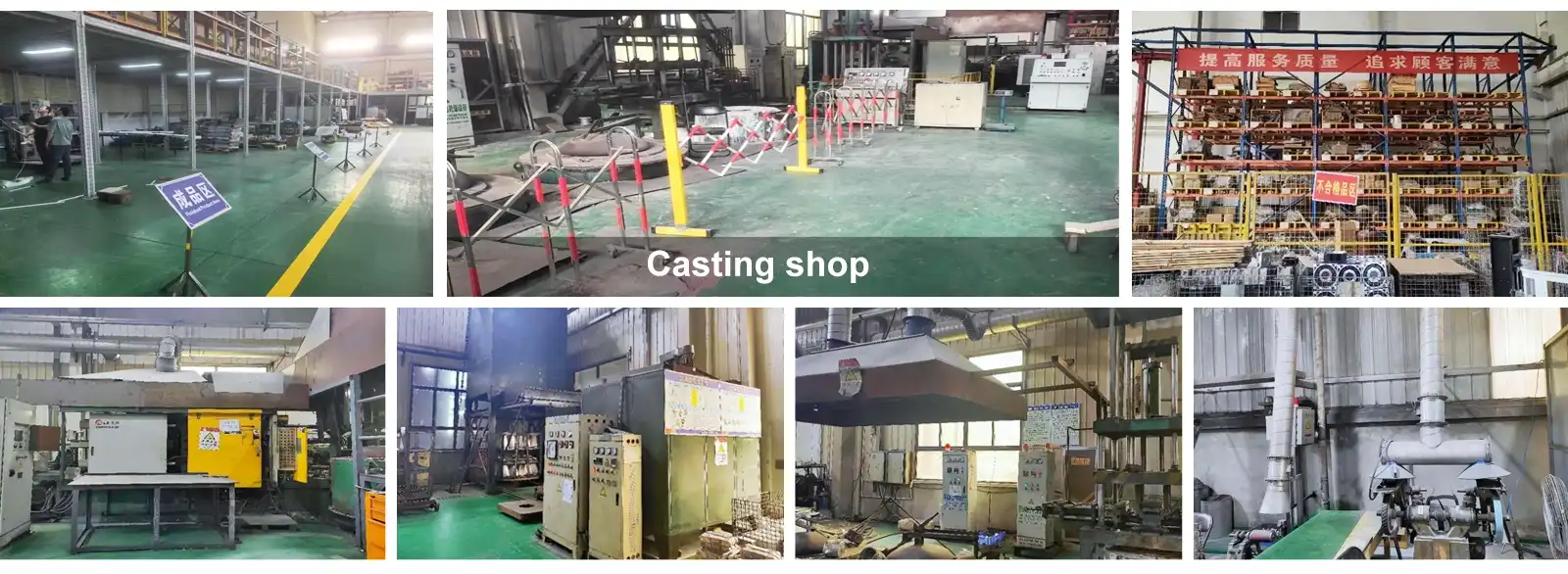
A special kind of casting called flange casting is used to make important connecting parts that are used in mechanical and piping systems. To make flanges that meet exact specifications, the process involves forcing molten metal into molds that have been carefully designed. When it comes to casting methods, low pressure casting flange parts are the best because they are reliable and of high quality. This method uses controlled pressure (usually 0.7 to 1.5 bar) to push molten aluminum alloys like ZL101 into mold cavities. This makes dense, flawless parts that weigh about 1.1 kg and have great mechanical properties and accuracy in their dimensions.
Understanding Flange Casting and Its Importance
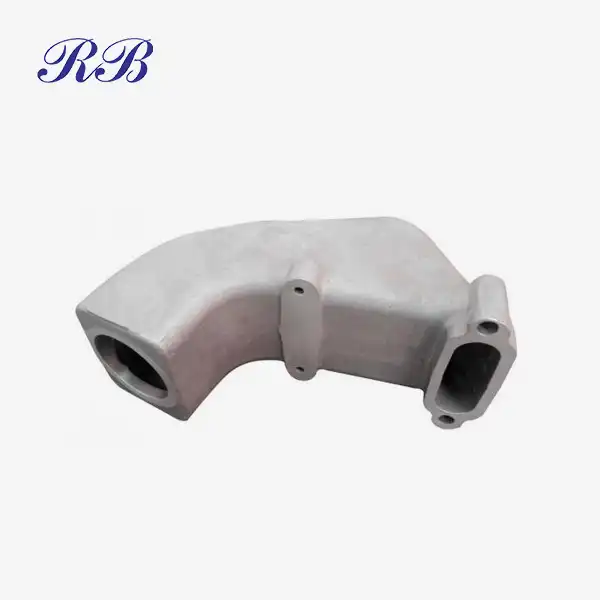
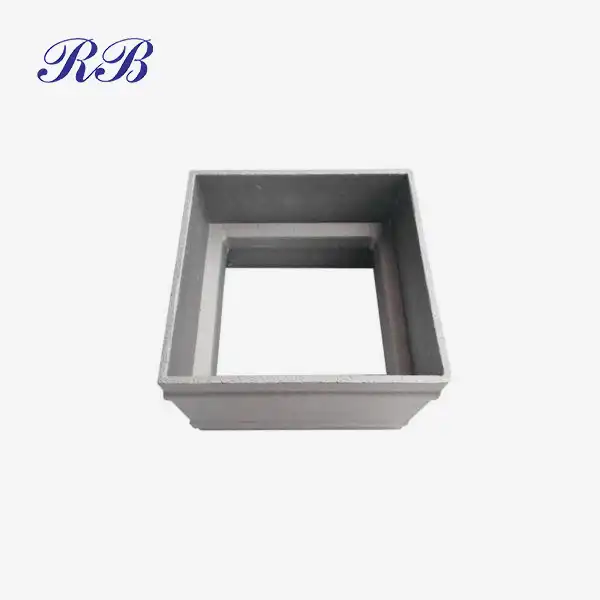
Flange casting is the most important part of industrial connectivity because it makes the parts that connect pipes, valves, and equipment in a huge range of situations. These round or square plates with bolt holes make connections in systems like nuclear power plants and fuel lines for cars safe and leak-proof.
The Role of Flanges in Industrial Applications
Flange connections are very important for modern industrial systems. Flanges are used by automakers in exhaust systems and turbocharger assemblies, where temperatures can reach over 800°C and resistance to vibration is very important. Hydraulic flanges that can handle pressures up to 350 bar and still seal perfectly are used by people who drive construction equipment. For use in the energy sector, flanges must be able to handle harsh chemicals and big changes in temperature without damaging the system.
Why Low Pressure Casting Excels for Flange Production
Manufacturers of flanges often have trouble with consistency when they use traditional casting methods. When you sand cast, the surfaces are rough and need a lot of work, and when you gravity cast, the thicker sections have problems with porosity. These problems can be fixed with low pressure die casting, which controls the flow of metal and fills cavities slowly. The process gets rid of flaws caused by turbulence, makes grain structures uniform, and gives the surface finishes that can be used right away in a lot of different situations.
The Low Pressure Casting Process for Flange Parts
Modern techniques for making flanges are better than old ones that hurt quality and consistency. When using traditional sand casting methods, parts are often made with uneven grain structures and surface flaws that need a lot of work after they are cast. Even though high pressure die casting is faster, it causes stress concentrations and porosity problems that make important connection points less strong.
Mold Preparation and Setup
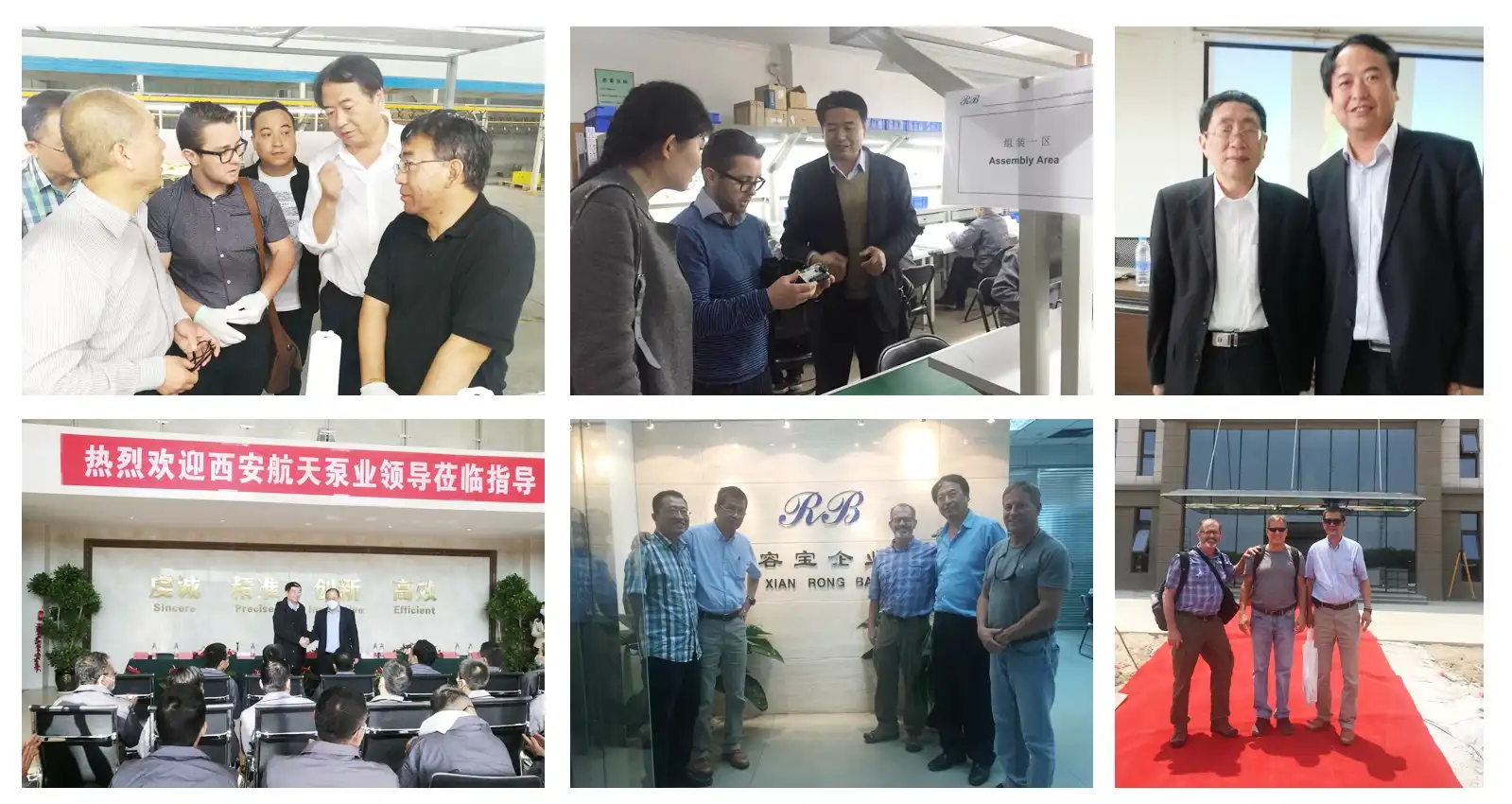
Precision molds are made from H13 tool steel that has been heated to about 200–250°C as the first step in the low pressure casting process. Mold designers use complex gating systems to make sure that the metal is spread out evenly across the flange geometry. Release agents are put on mold surfaces to keep them from sticking while keeping the quality of the surface. Before each casting cycle starts, temperature monitoring systems make sure that the temperature is stable.
Controlled Metal Filling Process
Precision metal injection, which gets rid of common casting flaws, is good for low pressure casting flange parts. The sealed furnace keeps the molten ZL101 aluminum alloy between 720°C and 750°C, and inert gas pressure slowly pushes the material into the mold cavity through risers. This bottom-up filling method stops air from getting trapped and oxide inclusions from forming, which weakens regular castings.
Solidification and Cooling Management
Maintaining pressure during solidification makes sure that all holes are filled and that there are no shrinkage porosities. Controlled cooling rates help grains form in the best way possible while stopping thermal stress from building up. For 1.1 kg flanges, the whole cycle takes 60 to 90 seconds, which is enough time for proper metallurgical development without slowing down production.
Post-Casting Operations
Final tolerances for dimensions and surface specifications are met by CNC machining operations. Shot blasting is a way to treat surfaces to get rid of oxide layers and make the surface textures uniform so they can be used for gasket sealing. Before putting things in protective wooden boxes to ship, quality checks make sure the measurements are correct, the surface is intact, and the mechanical properties are good.

Advantages and Engineering Properties of Low Pressure Casting Flange Parts
Low pressure die casting has a lot of advantages over other ways of making things, especially for parts that need to be very reliable for critical connections. Knowing about these benefits helps procurement professionals choose the best flange sourcing strategies.
Controlled solidification conditions are what make low pressure casting so good for mechanical properties. Here are some of the main benefits this technology offers:
- Enhanced Mechanical Strength: Controlled pressure filling makes fine-grain microstructures in ZL101 aluminum alloy that have tensile strengths over 240 MPa and yield strengths over 165 MPa.
- Superior Dimensional Accuracy: Managing heat and pressure lets you get tolerances of less than 0.1 mm on important sealing surfaces without having to do any extra work.
- Reduced Porosity Levels: Bottom-up filling gets rid of gas entrapment, lowering porosity levels to less than 2% compared to 8–12% in sand castings.
- Improved Surface Quality: Direct-from-mold surfaces don't need much finishing, which cuts down on production costs and delivery times.
There are real benefits for end users that come from these technical advantages. Components have better fatigue resistance when loaded and unloaded repeatedly, which is common in construction and automotive uses. When the microstructure is uniform and there are no internal voids that hold water and other contaminants, corrosion resistance goes up.
Material Properties and Performance Characteristics
The ZL101 aluminum alloy is very easy to cast and keeps its shape at temperatures ranging from -40°C to +150°C. To make the alloy more fluid during casting, silicon is added, and copper is added to make it stronger. Adding magnesium increases the material's ability to harden over time, which lets it be heated after casting to get the best properties.
Quality Control and Defect Prevention
Tough process controls cut down on common casting flaws that hurt flange performance. Monitoring the temperature stops cold shuts and incomplete filling, and controlling the pressure gets rid of shrinkage cavities. Before final approval, an X-ray and a pressure test make sure that the inside is sound.
How to Source Quality Low Pressure Casting Flange Parts?
To find reliable suppliers, you need to carefully look at their flange manufacturing skills, certifications, and track records. A good procurement strategy focuses on making sure the quality of the product, keeping the supply chain stable, and providing technical support throughout the product's lifecycle.
Supplier Evaluation Criteria
Systems for quality management make sure that production is always the same. Getting ISO 9001:2015 certification shows that you are dedicated to controlling processes and making them better all the time. Environmental management through ISO 14001 compliance shows that a company is making good products. Occupational health and safety certifications, such as ISO 45001, show that a business takes worker safety seriously.
The abilities of the manufacturer must match the needs of the project. Specifications, production capacity, and systems for moving materials all have a direct effect on quality and delivery performance. Expertise in mold design, process optimization, and metallurgical analysis is needed to make sure that the project is carried out successfully.
Customization and Design Support
These days, flange applications often need custom designs that are best for the way they will be used. During the product development process, suppliers who offer design help, finite element analysis, and prototype development are very helpful. Rapid prototyping and CAD integration shorten the time it takes to develop new products while lowering the cost of engineering them.
Supply Chain Management and Logistics
To keep delivery dates, global supply chains need to be carefully coordinated. Specifications for packaging keep parts safe while they're being shipped internationally, and paperwork makes sure that customs clearance goes smoothly. Communication protocols and project management systems make the whole manufacturing process clear.
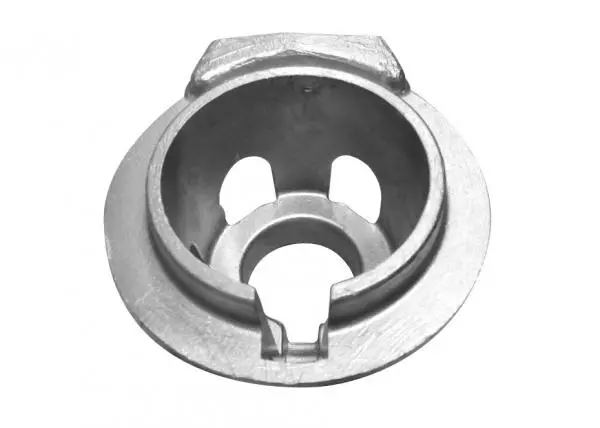
Rongbao Enterprise has integrated production facilities that do casting, machining, and finishing work, showing that they can make a wide range of products. Their Xi'an facility has modern equipment and quality systems along with 20 years of experience in the field. Europe, the United States, and Japan are all export markets that show they are recognized internationally and follow global standards.
Conclusion
For applications that need to be reliable, precise, and cost-effective, low pressure casting flange parts are the best way to make them. Controlled metal flow, better material properties, and consistent high-quality results make this process better than traditional casting methods. While still being resistant to corrosion in a wide range of operating conditions, ZL101 aluminum alloy has great mechanical properties. ISO certifications for comprehensive quality management make sure that standards are met around the world and that customers are happy.
Partnering with experienced manufacturers that can do everything from design to delivery is a good idea for modern procurement strategies. Long-term relationships with suppliers that support business growth and operational excellence are built on technical know-how, production capacity, and a presence in international markets.
Partner With Rongbao Enterprise for Your Precision Flange Manufacturing Needs
Rongbao Enterprise is ready to become your trusted low pressure casting flange parts manufacturer, bringing two decades of specialized expertise to your most challenging projects. Our wide range of skills covers the whole production cycle, from the initial design consultation to the final delivery, making sure that we can easily meet the needs of your supply chain.
At our Xi'an facility, we use cutting-edge low pressure die casting machines and precise CNC machining centers to make 1.1 kg ZL101 flanges that meet the strictest requirements. Three ISO certifications—9001, 14001, and 45001—ensure consistent quality management, and our monthly capacity of 5,000 pieces supports both developing prototypes and making a lot of things. To talk about your specific needs and experience the Rongbao difference in precision manufacturing excellence, email steve.zhou@263.net or zhouyi@rongbaocasting.com.
FAQs
What materials work best for low pressure flange casting?
ZL101 aluminum alloy has great mechanical properties and the best casting properties. The silicon in the alloy makes it more flexible, and the copper adds strength. The magnesium content makes heat treatment possible, which improves performance in tough situations.
How do lead times compare with other manufacturing methods?
After the order is confirmed, it usually takes 3–4 weeks to make low pressure casting flange parts. This schedule includes getting the mold ready, casting, machining, and checking the quality. Standard designs may be able to get shorter delivery times if production planning is improved.
What quality standards apply to cast flanges?
The sizes, materials, and testing needs for flanges are governed by international standards such as ASTM, DIN, and JIS. ISO 9001:2015 quality management makes sure that production processes are always the same, and certifications that are specific to a sector meet the needs of that sector.
Can complex geometries be accommodated?
Low pressure casting can handle complicated designs with different wall thicknesses, internal passages, and mounting features that are built right in. CNC machining lets you finish important surfaces precisely and make custom bolt patterns for specific uses.
References
- Smith, J.A. "Advanced Aluminum Casting Techniques for Industrial Applications." International Journal of Metal Forming, 2023.
- Chen, L. "Low Pressure Die Casting: Process Optimization and Quality Control." Manufacturing Engineering Review, 2022.
- Williams, R.K. "Flange Design and Manufacturing Standards in Modern Industry." Mechanical Engineering Quarterly, 2023.
- Thompson, M.D. "Comparative Analysis of Metal Casting Processes for Automotive Components." Automotive Manufacturing Technology, 2022.
- Zhang, H. "Quality Management Systems in Precision Casting Operations." Industrial Quality Assurance, 2023.
- Anderson, P.T. "Material Properties and Performance Characteristics of ZL101 Aluminum Alloy." Materials Science and Engineering, 2022.

Learn about our latest products and discounts through SMS or email