- English
- French
- German
- Portuguese
- Spanish
- Russian
- Japanese
- Korean
- Arabic
- Greek
- German
- Turkish
- Italian
- Danish
- Romanian
- Indonesian
- Czech
- Afrikaans
- Swedish
- Polish
- Basque
- Catalan
- Esperanto
- Hindi
- Lao
- Albanian
- Amharic
- Armenian
- Azerbaijani
- Belarusian
- Bengali
- Bosnian
- Bulgarian
- Cebuano
- Chichewa
- Corsican
- Croatian
- Dutch
- Estonian
- Filipino
- Finnish
- Frisian
- Galician
- Georgian
- Gujarati
- Haitian
- Hausa
- Hawaiian
- Hebrew
- Hmong
- Hungarian
- Icelandic
- Igbo
- Javanese
- Kannada
- Kazakh
- Khmer
- Kurdish
- Kyrgyz
- Latin
- Latvian
- Lithuanian
- Luxembou..
- Macedonian
- Malagasy
- Malay
- Malayalam
- Maltese
- Maori
- Marathi
- Mongolian
- Burmese
- Nepali
- Norwegian
- Pashto
- Persian
- Punjabi
- Serbian
- Sesotho
- Sinhala
- Slovak
- Slovenian
- Somali
- Samoan
- Scots Gaelic
- Shona
- Sindhi
- Sundanese
- Swahili
- Tajik
- Tamil
- Telugu
- Thai
- Ukrainian
- Urdu
- Uzbek
- Vietnamese
- Welsh
- Xhosa
- Yiddish
- Yoruba
- Zulu
Flange Coupling Design Calculation
For mechanical coupling systems that move torque between rotating shafts, it's important to figure out the right sizes, material needs, and structural needs for flange coupling design calculations. Aside from the environment and operating speed, the calculation also looks at safety factors and the speed at which the power is sent. Precision casting is used to make casting coupling flange parts that are more accurate in size and material consistency than parts that are made in a factory. This makes them perfect for use in factories that need to reliably and precisely transfer torque over long periods of time.
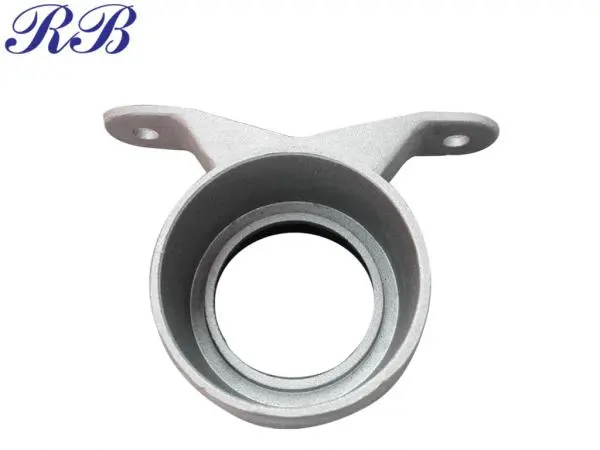
Understanding Flange Coupling and Casting Coupling Flange Parts
When you connect two rotating shafts, flange couplings are necessary to keep them lined up perfectly and move power and torque between them. The two hubs have flanges on them, and they bolt together to make a strong connection. When shaft misalignment is low and a lot of torque needs to be sent, these rigid coupling systems work well.
Key Design Features and Performance Characteristics
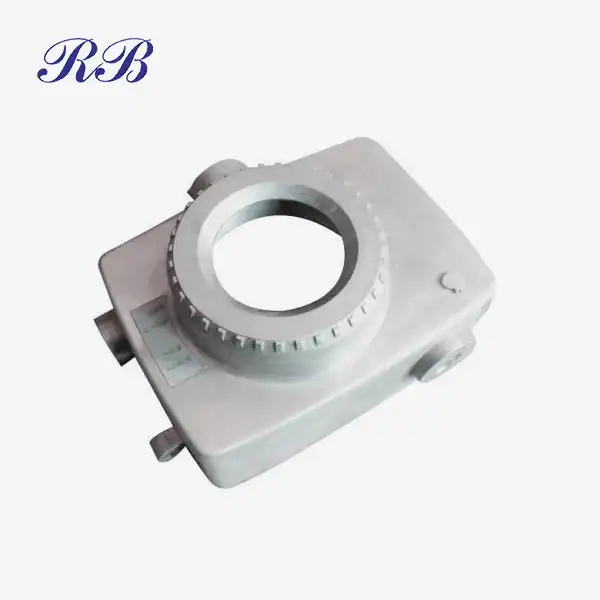
Casting coupling flange parts are more structurally sound because the material density and grain structure are more consistent. This is possible with processes that control how solids form. No weak spots show up in cast parts because they are not welded together. This means that the whole part has the same mechanical properties. Low-pressure casting is one of the best ways to make parts that are very accurate in size and finish these days.
In these kinds of situations, the ZL101A aluminum alloy is often used because it is very strong for its weight. Each part works well even though it weighs about 0.38 kg. Because of this design, it is lighter, which lowers its rotational inertia and keeps the bearing loads as low as possible when it is moving quickly.
Manufacturing Methods and Quality Standards
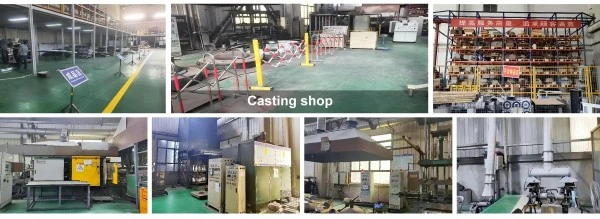
Low-pressure casting technology is useful for making precise flange parts in a number of ways. When solidification happens, controlled pressure gets rid of any holes and makes sure the mold is fully filled. This makes parts with better mechanical properties and consistent sizes. With this way of making things, you can make up to 5,000 items at once and still get good results.
Standards for quality assurance, such as ISO9001:2015, ISO14001, and ISO45001, are used around the world. This makes sure that products always work right and follow the rules. Checking the final dimensions and making sure the raw materials are correct are just a few of the steps that are taken to make sure that every part meets all the performance and tolerance requirements.
Flange Coupling Design Calculation Fundamentals
A lot of engineering factors need to be carefully calculated to make sure that the flange coupling design works well so that the system is safe and reliable under certain load conditions. Checking the safety factor, torque analysis, bolt loading, and hub dimensions are some of the things that are used to figure out the numbers.
Load Analysis and Torque Calculations
The most important thing to think about when designing something is the maximum torque that can be sent. This number affects every other calculation. Engineers need to imagine the worst situations that could happen while the system is running, like sudden changes when it first starts up or being overloaded. A service factor of 1.5 to 3.0 is often included in the design torque, but this depends on the needs of the application and how it works.
To find the diameter of the bolt circle, you need to know how many bolts there are, what they are made of, and how much preload they need. How bolt tension and transmitted torque are related affects both the smallest diameter of the bolt circle and the overall size of the flange. It is possible for bolts to last a long time under cyclic loading conditions if you pick the right ones.
Material Selection and Stress Analysis
How well and how long a coupling works depend a lot on the properties of the material. The ZL101A aluminum alloy is simple to cast, and it's strong enough for some tasks that need a moderate amount of torque. It's not rusty, so it can be used in a lot of industrial settings, as long as the surface is properly prepared.
You need to pay close attention to the stress concentration factors around bolt holes and hub transitions to make sure something doesn't break too soon. Sometimes, finite element analysis shows what you did by hand. This is especially true when the geometry is hard or the job is under a lot of stress. The stress is spread out better in cast parts than in machined parts because the material flows more smoothly while it hardens.
Procurement Guide: Selecting and Buying Casting Coupling Flange Parts
You need to know about technical needs, supplier abilities, and quality assurance needs in order to do good procurement. When choosing a component, it's important to match its features with what the application needs, all while keeping cost and delivery limits in mind.
Specification Development and Supplier Evaluation
When you make a custom order, it's important to be very clear about the size needs, material properties, surface finish standards, and testing needs. With OEM and ODM, suppliers can make designs that work best for certain uses while still being able to work with systems that are already in use.
People judge a supplier by how well they can make things, what quality certifications they have, how much they can produce, and how many technical support resources they have. Through integrated solutions, suppliers who can design, make, and test all of their own products offer better value.
Order Planning and Logistics Considerations
Planning how much you can make is very important when you have a lot of orders or short deadlines for delivery. Providers who can make 5,000 pieces per month can handle big orders and still keep quality standards. When shipping and handling goods internationally, using wooden boxes keeps them safe.
Getting goods from Xi'an, China, for example, may be cheaper, but you need to plan carefully for logistics and quality control. Setting up clear ways to talk and check helps make sure that buying things from other countries goes smoothly.
Maintenance, Lifespan, and Performance Optimization of Casting Coupling Flange Parts
Good maintenance habits keep expensive equipment from breaking down and make parts last much longer. When you know how wear happens and take steps to stop it, you can make operations more reliable and save money.
Inspection and Monitoring Procedures
Regular visual checks find early signs of wear, corrosion, or loosening that could lead to failure if they are not fixed. Checking the bolts' torque levels keeps the preload levels steady and prevents the joints from coming apart when the load changes. By keeping an eye on vibrations, you can find imbalances or misalignments that are making wear happen faster.
Performance Enhancement Strategies
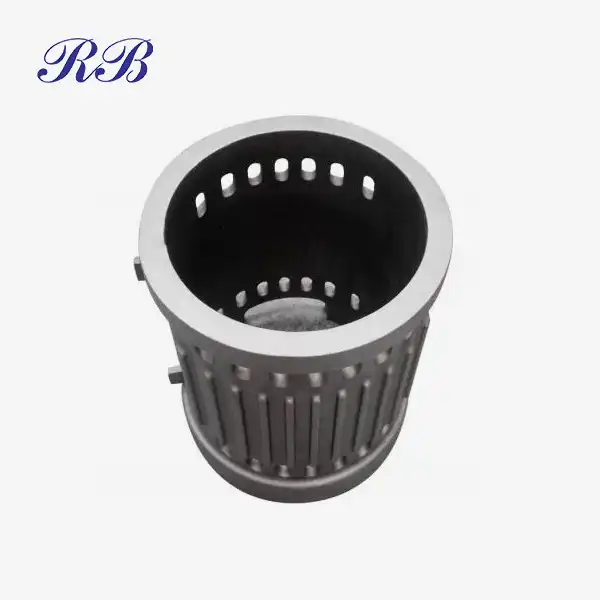
Casting coupling flange parts benefit from periodic surface treatment renewal, particularly in harsh environments. With lubricants and protective coatings, you can go longer between service intervals and do less maintenance. It's best to follow the right steps when putting parts together, like making sure they are lined up right and tightening the bolts to the right torque.
The length of time a part lasts is greatly affected by things like changing temperatures, chemical exposure, and moisture. To make things last longer and not break down too quickly, pick the right materials and surface treatments for the job.

Conclusion
To design a flange coupling that will work well in harsh industrial environments, you need to know a lot about the load conditions, material properties, and manufacturing capabilities. Casting coupling flange parts are better, cost less, and give you more design options than other ways to make things. It is organized to do design calculations, pick materials, and check quality. This makes sure that parts work well and last a long time. To do procurement right, you need to carefully evaluate suppliers and come up with clear specifications. Maintenance that is done right also saves money and makes operations more reliable.
Partner with Rongbao Enterprise for Premium Casting Coupling Flange Parts
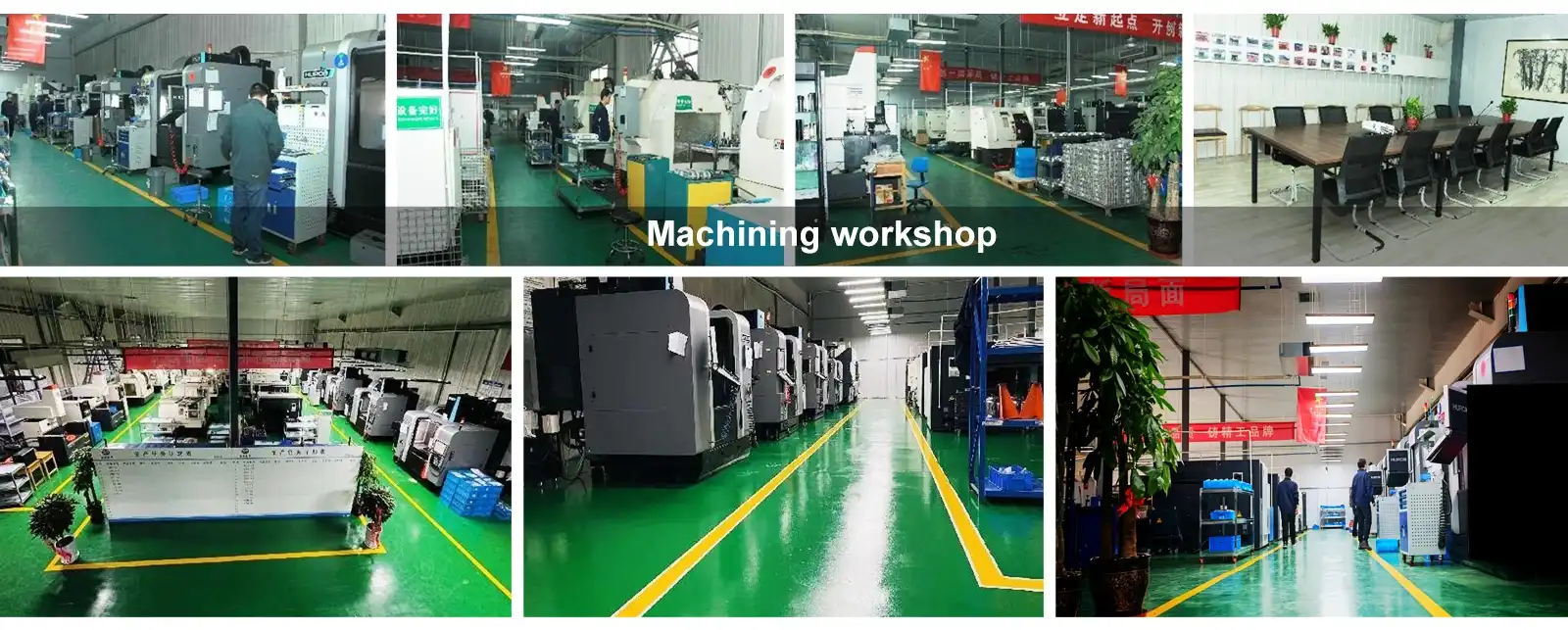
Rongbao Enterprise has been making high-quality casting coupling flange parts for 20 years and uses the most up-to-date tools to do so. These parts meet the strictest industrial standards. Advanced surface treatments, low-pressure casting, and precise CNC machining are all parts of our full manufacturing ecosystem. This makes sure the best quality and performance possible. With ISO9001:2015, ISO14001, and ISO45001 certifications, we promise that our products will always be the best and that we will follow all the rules. Our factory in Xi'an makes up to 5,000 items every month, but we keep the prices low and the quality high. Send an email to steve.zhou@263.net or zhouyi@rongbaocasting.com to talk to one of our technical experts about your needs and find out how working with a dependable casting coupling flange parts manufacturer can make your buying process easier and your results better.
FAQs
Q1:What materials are best suited for corrosive environments?
A1:A metal alloy called L101ZL doesn't rust easily in most industrial settings, as long as the surface is treated properly. Metals don't rust in the air because they have a natural oxide layer on them. Shot blasting the surface makes it even stronger.
Q2:How do casting and welded flanges differ in procurement considerations?
A2:Our casting coupling flange parts are better than weld joints because they don't have any weak spots and are always the same size. When you cast something, the properties of the metal are the same all the way through. With welded assemblies, on the other hand, the heated areas may have different properties. It usually takes between 4 and 6 weeks to cast something that is made just for you.
Q3:What are typical lead times for custom orders?
A3:Custom casting orders usually take between 4 and 6 weeks to deliver from the time the specifications are approved. This depends on how complicated the order is and how many are being made. On this list are the steps for making the pattern, testing the casting, cutting it out, and checking the quality. If you need something quickly, suppliers that have been around for a while and have a history of success can often make delivery times work better.
References
- Machinery's Handbook, 31st Edition: Industrial Press, 2020. "Couplings and Clutches Design Guidelines."
- ASME B16.5-2020: "Pipe Flanges and Flanged Fittings: NPS 1/2 through NPS 24 Metric/Inch Standard."
- Peterson, Robert E. "Stress Concentration Factors for Mechanical Components." 4th Edition, John Wiley & Sons, 2019.
- ASM Handbook Volume 15: "Casting Design and Performance." ASM International, 2018.
- ISO 14579:2013: "Flanges and their joints - Design rules for gasketed circular flange connections."
- Campbell, John. "Complete Casting Handbook: Metal Casting Processes, Techniques and Design." 2nd Edition, Butterworth-Heinemann, 2015.
Learn about our latest products and discounts through SMS or email