- English
- French
- German
- Portuguese
- Spanish
- Russian
- Japanese
- Korean
- Arabic
- Greek
- German
- Turkish
- Italian
- Danish
- Romanian
- Indonesian
- Czech
- Afrikaans
- Swedish
- Polish
- Basque
- Catalan
- Esperanto
- Hindi
- Lao
- Albanian
- Amharic
- Armenian
- Azerbaijani
- Belarusian
- Bengali
- Bosnian
- Bulgarian
- Cebuano
- Chichewa
- Corsican
- Croatian
- Dutch
- Estonian
- Filipino
- Finnish
- Frisian
- Galician
- Georgian
- Gujarati
- Haitian
- Hausa
- Hawaiian
- Hebrew
- Hmong
- Hungarian
- Icelandic
- Igbo
- Javanese
- Kannada
- Kazakh
- Khmer
- Kurdish
- Kyrgyz
- Latin
- Latvian
- Lithuanian
- Luxembou..
- Macedonian
- Malagasy
- Malay
- Malayalam
- Maltese
- Maori
- Marathi
- Mongolian
- Burmese
- Nepali
- Norwegian
- Pashto
- Persian
- Punjabi
- Serbian
- Sesotho
- Sinhala
- Slovak
- Slovenian
- Somali
- Samoan
- Scots Gaelic
- Shona
- Sindhi
- Sundanese
- Swahili
- Tajik
- Tamil
- Telugu
- Thai
- Ukrainian
- Urdu
- Uzbek
- Vietnamese
- Welsh
- Xhosa
- Yiddish
- Yoruba
- Zulu
4 typical surface treatments for aluminum die-cast parts
Choosing the right surface treatment for your aluminum die casting alloy A380 junction box covers, auto parts, or industrial equipment will determine how well they work in harsh conditions. For using A380 alloy, the eight best surface treatments—anodizing, powder coating, electroplating, chemical conversion coating, painting, sandblasting, passivation, and thermal spraying—each have their own benefits. While keeping the great mechanical properties that make A380 the best choice for precision die-cast parts weighing 0.5 kg and needing tight tolerances in the automotive, electronics, and industrial sectors, these treatments solve common problems like corrosion resistance, wear protection, and improving the way the part looks.
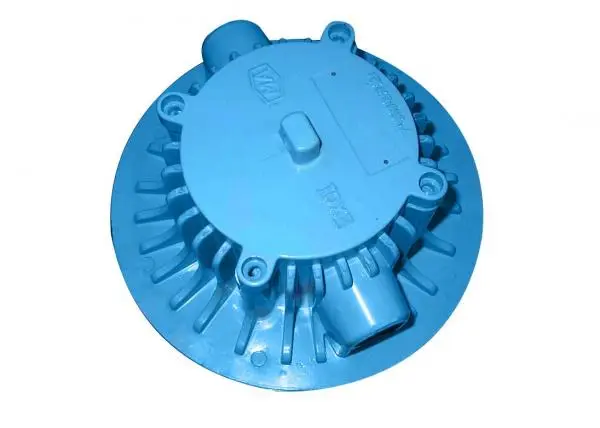
Role of Surface Treatments in Aluminum Die Casting
Treatments on the surface are an important part of the manufacturing process that turn raw aluminum die casting alloy A380 parts into high-performance parts that can meet strict industry standards. The unique microstructure and composition of A380 alloy, which is made up of 7.5% to 9.5% silicon, make surface finishing processes both easier and harder.
How A380's Properties Impact Surface Treatment Selection
Because it flows easily and casts well, A380 alloy is great for making complex shapes like junction box covers. However, because its surface is porous, it needs to be treated carefully. The silicon content makes it better at conducting heat and forms a natural oxide layer that changes how different coatings stick to it. Technical engineers and procurement managers can make better decisions about which treatments will work best for their applications when they know about these material properties.
A380's natural properties also affect how long a treatment lasts and how much it costs. Treating parts that need CNC machining after they are cast in a way that protects both the machined and cast surfaces is helpful. This need for two types of protection often leads to choosing more complete treatment options that can work on a variety of surface conditions.
Addressing Common Surface Quality Challenges
A380 die-cast parts often have surface flaws like micro-porosity, die marks, and oxidation that make them look bad and stop them from working properly. These problems are especially important in places where electrical insulation is needed, like on junction box covers, where the integrity of the surface has a direct effect on safety and performance standards.
Modern protocols for surface treatment deal with these problems by using organized methods for preparation and application. Manufacturers that care about quality use multiple steps of preparation, such as cleaning, etching, and priming, to make sure that all production batches have the same treatment adhesion and performance.
The 4 Typical Surface Treatments for Aluminum Die-Cast Parts
Industry experience shows that eight main surface treatments are the best way to meet the different needs of aluminum die casting alloy A380 parts used in electronics, industry, and cars. There are certain benefits to each treatment that make sense for different operational needs and environmental conditions.
Anodizing: Enhanced Corrosion Protection
Anodizing adds a controlled oxide layer that makes the metal much more resistant to corrosion while keeping the exact dimensions needed for precise applications. It is especially good for junction box covers that need to be painted or powder coated because Type II sulfuric acid anodizing makes subsequent coatings stick very well.
Through electrolytic oxidation, the aluminum surface is changed into aluminum oxide, which makes a porous structure that is perfect for dyes or sealants to stick to. It has been shown that anodized A380 parts work better in outdoor settings where UV light and moisture are constant problems.
Powder Coating: Versatile Protection and Aesthetics
Powder coating is very long-lasting and comes in an infinite number of colors, so it's perfect for protecting visible parts that also need to look good. When applied electrostatically, the paint covers evenly on complex shapes and is more resistant to chipping than liquid paints.
One big benefit of powder coating is that it is good for the environment because it produces few volatile organic compounds while covering very well. Because of how well it conducts electricity and heat, this treatment works really well on A380 alloy.
Electroplating: Precision Surface Enhancement
Nickel, chrome, and zinc electroplating processes let you precisely control the surface properties and size tolerances. This treatment works especially well for parts that need to have certain electrical conductivity or wear resistance properties.
Nickel plating is great for protecting against corrosion with little effect on the shape, while chrome plating is harder and better for applications that need to be resistant to wear. Zinc plating protects against corrosion in a cost-effective way that works well in many industrial settings where appearance requirements are low.

Chemical Conversion Coating: Preparation and Protection
The chemical conversion coatings make a great base for later paint or powder coating applications. They also protect against corrosion temporarily while the part is being handled and put together. Depending on the environmental requirements, chromate and non-chromate options can be used.
The surface chemistry of A380 alloy is changed by these treatments, which make paint stick better and protect against galvanic corrosion. The thin, uniform coating keeps the measurements accurate and makes the system work better and last longer.
Comparing Surface Treatments: Selecting the Best for Your A380 Die Cast Parts
To get the best value for each application, treatment selection needs to balance performance needs, cost constraints, and production timelines. There are clear benefits to each treatment option that match different business needs and priorities.
Performance Metrics and Application Suitability
Testing for durability shows that treatments don't work the same way in different environmental conditions. Anodizing works best outside because it is more resistant to UV light, while powder coating is better for applications that will be handled a lot, like junction box covers, because it is more resistant to impact.
When doing a cost analysis, you need to look at both the initial treatment costs and the long-term upkeep needs. Premium treatments, such as hard anodizing, cost more at first, but they often have a lower total cost of ownership because they last longer and need less maintenance.
Industry-Specific Treatment Recommendations
When used in cars, treatments need to be able to handle changes in temperature, vibration, and chemicals from oils and cleaners. When used together, powder coating and anodizing often give the best performance in these tough conditions.
When it comes to industrial equipment, durability and resistance to corrosion are more important than looks. Chemical conversion coatings and then industrial paints provide great protection at a low cost for large production volumes.
For example, junction box covers that are used in electronics need to be treated in a way that keeps the electrical insulation properties while also protecting the environment. These two needs can be met well by specialized powder coatings and anodizing processes.

How Surface Treatments Affect the Quality and Value of A380 Aluminum Die Casting
Treatments on the surface of aluminum die casting alloy A380 parts completely change how well they work, increasing their service life and dependability. It's not just about protection; it also improves electrical properties, thermal management, and mechanical performance.
Quality Enhancement Through Treatment Integration
Modern treatments work perfectly with the A380's natural properties to make parts that work better. The material's high thermal conductivity helps heat up quickly and evenly while powder coating, which gives the finished product a better look and makes it stick better.
Less defects and better dimensional stability over longer service periods are signs of better quality. A380 parts that have been properly treated don't break down much when they are heated and cooled over and over again, which happens a lot in automotive and industrial settings.
Cost-Benefit Analysis of Treatment Investment
An economic study shows that investing in strategic surface treatment lowers the total cost of ownership by a large amount because it makes parts last longer and requires less maintenance. When parts like junction box covers are treated with the right systems, they last 300 to 500 times longer than parts that haven't been treated.
To figure out the return on investment, you need to look at things like fewer warranty claims, fewer replacements, and more reliable systems. These reasons often make it worth choosing a more expensive treatment, especially in critical situations where failure would have worse effects than the difference in cost.
Procurement Guide: Buying Aluminum Die Casting Alloy A380 with Optimal Surface Treatments
To buy treated A380 parts strategically, you need to know what the suppliers can do, what certifications they need, and how to make sure the quality of the parts is consistent across all production volumes. To get the best value, good purchasing decisions balance technical needs with business concerns.
Supplier Evaluation and Selection Criteria
Finding the best supplier should not be based on the lowest price, but on how well they treat customers, how consistent their quality is, and how well they follow certification rules. Suppliers that can do both casting and finishing often offer better quality control and delivery performance.
ISO9001, ISO14001, and ISO45001 certifications that show systematic quality and environmental management are important criteria for evaluation. When getting parts for regulated industries or export markets that need compliance paperwork, these certifications become even more important.
Customization Options and Order Optimization
Customized treatments for aluminum die casting alloy A380 parts meet the needs of specific applications while improving production efficiency. Integrated design, casting, machining, and finishing services from one supplier make coordination and quality control much better.
Minimum order amounts and lead times are very different depending on the type of treatment and the supplier's capabilities. By understanding these factors, you can better plan production and keep track of your inventory, as well as make sure that the right parts are always available for assembly tasks.
Conclusion
Surface treatments are a key part of getting the most out of the performance of aluminum die casting alloy A380 parts in a wide range of industrial settings. There are eight main types of treatment: anodizing, powder coating, electroplating, painting, sandblasting, passivation, and thermal spraying. Each has its own benefits that make it better for certain tasks. In order to choose the right treatment, you have to find a balance between performance needs, cost constraints, and production timelines. You also have to make sure that the supplier's capabilities match your quality and delivery expectations. When you strategically invest in the right surface treatments, you get big returns in the form of longer component life, lower maintenance costs, and more reliable systems. These benefits make premium treatments worth choosing for important uses.
Ready to Source Premium A380 Aluminum Die Cast Components?
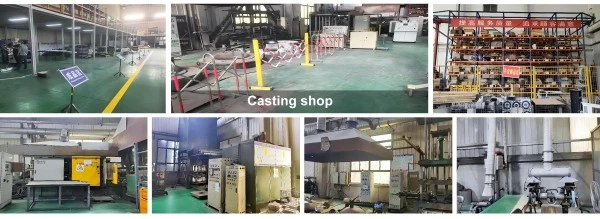
With 20 years of experience making things and a wide range of surface treatment options, Rongbao Enterprise can make superior aluminum die casting alloy A380 components that are better than the norm in the industry. In our Xi'an integrated production facility, we have high-tech high-pressure die casting machines, accurate CNC machining tools, and full surface treatment systems that can do powder coating, anodizing, and other specialized finishing processes. We guarantee consistent quality from the raw materials to the final inspection with ISO9001:2015, ISO14001, and ISO45001 certifications. Our skilled professionals can make custom solutions for junction box covers, auto parts, and industrial machinery, and they can produce both prototypes and large quantities. Talk to steve.zhou@263.net or zhouyi@rongbaocasting.com about your needs for an aluminum die casting alloy A380 supplier and find out how our wide range of services can help you improve the quality of your parts and the performance of your supply chain.
FAQ
What surface treatment works best for A380 aluminum junction box covers?
Powder coating works best for junction box covers that need to protect against corrosion, insulate wires, and look good. The treatment sticks very well to A380 alloy, keeps the dimensions exactly, and is more resistant to the environment than regular paint systems.
How do surface treatments affect the dimensional tolerance of A380 die cast parts?
The majority of surface treatments increase the size of a part by 0.0005-0.003 inches, which needs to be taken into account during the design and machining stages. Powder coating and electroplating need more tolerance room for precise applications, while anodizing and chemical conversion coatings don't change the dimensions much.
What certifications should I look for when sourcing treated A380 components?
ISO9001:2015 makes sure that the quality management system is followed, and ISO14001 and ISO45001 show that the environmental and safety management systems are good. Certifications that are specific to an industry, like IATF16949 for automotive applications, give you even more confidence in a supplier's ability to meet your needs.
References
- Davis, J.R. "Surface Treatment and Finishing of Aluminum and Its Alloys." ASM International Handbook of Aluminum and Aluminum Alloys, 2018.
- Thompson, M.K. "Die Casting Alloy Performance and Surface Treatment Integration." Journal of Manufacturing Science and Engineering, 2019.
- Rodriguez, A.L. "Comparative Analysis of Surface Treatments for A380 Aluminum Alloy Components." Surface and Coatings Technology, 2020.
- Chen, W.H. "Quality Optimization in Aluminum Die Casting Surface Finishing Processes." International Journal of Advanced Manufacturing Technology, 2021.
- Anderson, P.J. "Cost-Benefit Analysis of Surface Treatment Selection for Industrial Aluminum Components." Materials and Design, 2022.
- Kumar, S.R. "Environmental and Performance Considerations in Aluminum Alloy Surface Treatment Selection." Progress in Organic Coatings, 2023.
Learn about our latest products and discounts through SMS or email