- English
- French
- German
- Portuguese
- Spanish
- Russian
- Japanese
- Korean
- Arabic
- Greek
- German
- Turkish
- Italian
- Danish
- Romanian
- Indonesian
- Czech
- Afrikaans
- Swedish
- Polish
- Basque
- Catalan
- Esperanto
- Hindi
- Lao
- Albanian
- Amharic
- Armenian
- Azerbaijani
- Belarusian
- Bengali
- Bosnian
- Bulgarian
- Cebuano
- Chichewa
- Corsican
- Croatian
- Dutch
- Estonian
- Filipino
- Finnish
- Frisian
- Galician
- Georgian
- Gujarati
- Haitian
- Hausa
- Hawaiian
- Hebrew
- Hmong
- Hungarian
- Icelandic
- Igbo
- Javanese
- Kannada
- Kazakh
- Khmer
- Kurdish
- Kyrgyz
- Latin
- Latvian
- Lithuanian
- Luxembou..
- Macedonian
- Malagasy
- Malay
- Malayalam
- Maltese
- Maori
- Marathi
- Mongolian
- Burmese
- Nepali
- Norwegian
- Pashto
- Persian
- Punjabi
- Serbian
- Sesotho
- Sinhala
- Slovak
- Slovenian
- Somali
- Samoan
- Scots Gaelic
- Shona
- Sindhi
- Sundanese
- Swahili
- Tajik
- Tamil
- Telugu
- Thai
- Ukrainian
- Urdu
- Uzbek
- Vietnamese
- Welsh
- Xhosa
- Yiddish
- Yoruba
- Zulu
What is the life expectancy of engine bearings?
The working life of a casting engine bearing is set by the interaction between the bearing lining, the lubricant and the cyclic load placed on it. When those three match the service case, the bearing outlasts the engine. When one is wrong, the bearing decides the engine's retirement date. This article goes beyond the marketing number and lays out the materials, standards, and failure mechanisms that determine how long a cast engine bearing lasts.
Most modern bearing assemblies are a hybrid: a cast aluminum housing to ASTM B26/B26M-18, a steel or bronze backing, and a lining that is either a white metal babbitt to ASTM B23-20 or a cast copper alloy to ISO 4382-1:2021. The life limit is reached when the lining fatigues under the reversing load each revolution, which is why bearing development is qualified against ASTM E466-21, the standard for force controlled constant amplitude axial fatigue testing of metallic materials. Khonsari and Booser and ASM Handbook Volume 18 treat that load cycle as the life deciding event.
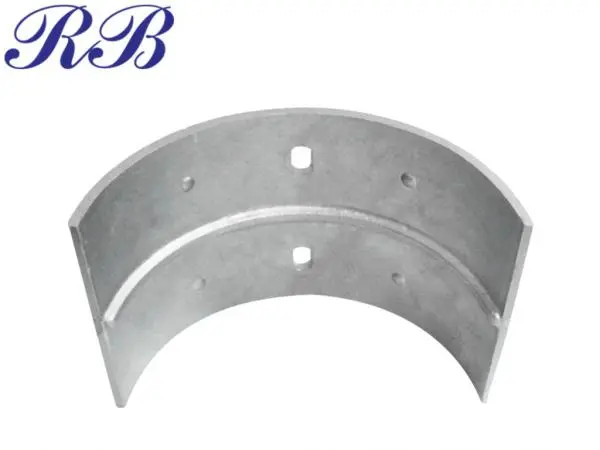
Establishing Durability Standards: The Typical Lifespan of Engine Bearings
A bearing life number quoted on its own, without a load, a speed and a lubricant, is not engineering information. Once those three are pinned down, a casting engine bearing in a passenger car gasoline engine is rated for the engine's working life, which most OEMs set between 150,000 and 200,000 miles (240,000 to 320,000 km). Heavy duty diesels in long haul trucks and industrial prime movers run at higher cylinder pressure and longer continuous duty, with bearings scheduled for inspection between 300,000 and 500,000 km.
Typical Service Lives Across Operating Duty
The table below sets out typical design lives for a casting engine bearing in three common duty cycles. Each figure assumes the OEM oil change interval is met, the oil cooler is functional, and the engine is not run past redline. A buyer with a different duty case should ask the supplier to repeat the calculation against the actual load, speed and lubricant.
| Application | Typical bearing design life | Main limit on life |
|---|---|---|
| Passenger gasoline engine, OEM service interval | 150,000 to 200,000 miles (240,000 to 320,000 km) | Oil film breakdown and lining fatigue after long service |
| Heavy duty diesel, long haul truck or industrial prime mover | 300,000 to 500,000 km before bearing inspection | Higher peak cylinder pressure and longer continuous load |
| Stationary industrial engine or generator set | Overhauled on engine schedule, not bearing schedule | Hours under steady load, not mileage |
Material and Standard Anchors That Set the Number
ASTM B23-20 sets the chemistry and property minimums for tin and lead based babbitt, the soft lining that beds in against a shaft journal and carries the hydrodynamic film. ISO 4382-1:2021 does the same job for cast copper alloys in solid and multilayer thick walled plain bearings, the family that carries higher loads at the cost of conformability. The cast aluminum housing is covered by ASTM B26/B26M-18, with A356-T6 the common alloy choice for castability, machinability and fatigue strength near 90 MPa at 10^7 cycles under rotating bending.
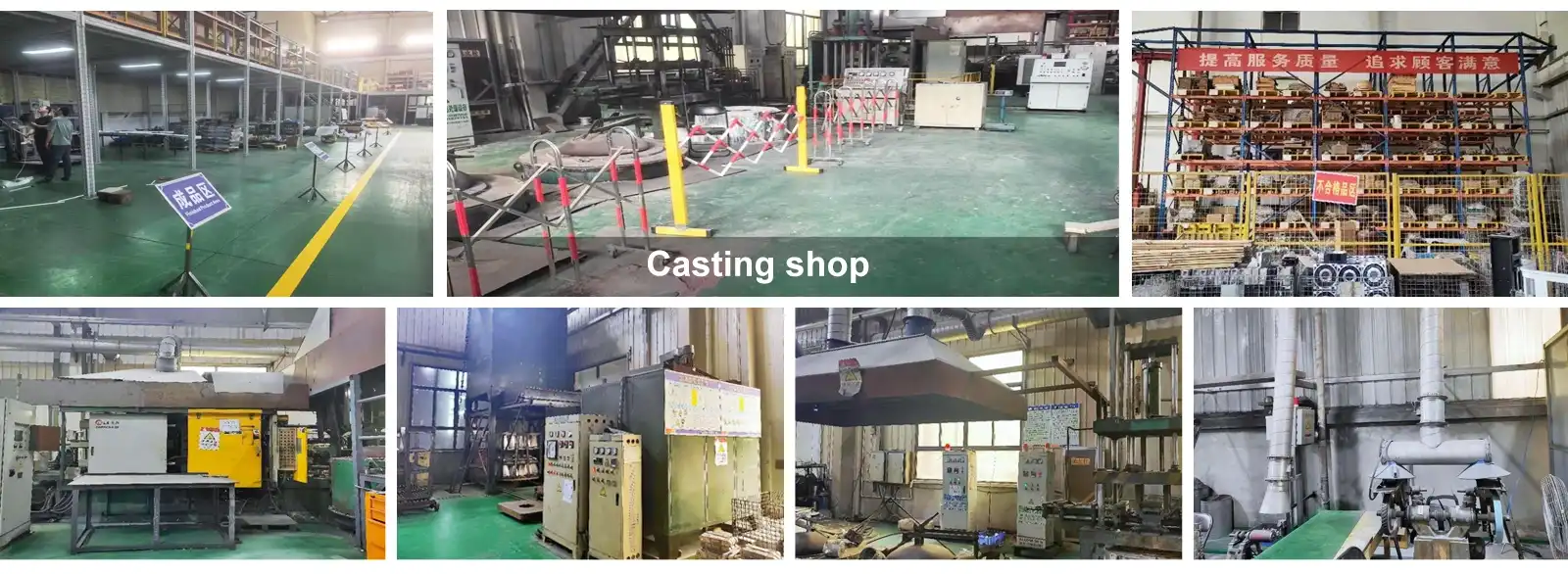
Key Factors Influencing Engine Bearing Longevity
The service figures above assume a healthy lubrication system and a clean oil supply. Three factors decide whether a casting engine bearing reaches those figures or comes out of the engine well before them, and each factor can be measured without taking the bearing out.
Lubrication and Oil Film Integrity
What actually ends a casting engine bearing's life is oil film breakdown and the resulting metal to metal contact between the journal and the lining. Once that contact starts, the lining loses material by adhesive wear, the local temperature rises, and the lining smears or cracks. Contamination by hard particles, fuel dilution, water and soot changes the oil's viscosity and lets the film collapse at lower loads than rated. Oil sampling, particle counts and viscosity checks let the engineer tell a design limit from an operating limit.
Load, Speed and Operating Envelope
Fatigue of the bearing lining under cyclic load is the second life deciding mechanism, and the test that exposes it is axial constant amplitude fatigue testing to ASTM E466-21. A casting engine bearing does not fail because of one large overload; it fails because the reversing load in the oil film adds up over millions of cycles and starts a spall. Operating below rated load and below redline keeps cyclic stress under the endurance limit assumed in the rating. Sustained high load, cold starts with thick cold oil, and prolonged low speed high load operation all push the lining toward its fatigue limit and shorten bearing life.
Failure Indicators: Recognizing the Signs of Worn Engine Bearings
Before a lining spalls and the journal scores, the engine gives the operator measurable signals. Knowing which signal points at which mechanism lets a maintenance engineer pull the bearing out before the crankshaft is damaged and the engine has to come apart for a full rebuild.
Mechanical and Acoustic Signs
The familiar knocking or ticking sound known as rod knock is the sound of a clearance that has grown past the oil film's ability to carry the load in a casting engine bearing. The knock is loudest at low speed and cold start, when the oil is thickest. Vibration through the chassis at idle or under acceleration points in the same direction and shows the bearing has lost its dampening ability. A second mechanical signal is a spun bearing, where the lining has lost its bond to the backing and the journal is in direct contact with the steel or copper shell.
Lubricant and Pressure Signs
A falling oil pressure reading at idle is a direct measurement of lost clearance in a casting engine bearing. Worn bearings leak oil past the journal faster than the pump makes up for it, and the gauge drops. Bronze or babbitt flakes in the drained oil, on a magnetic drain plug or in an oil sample, are the strongest lubricant side signal that the bearing is giving up material. A falling pressure without particles points to clearance growth from wear, while particles without a pressure drop point to early lining spallation.
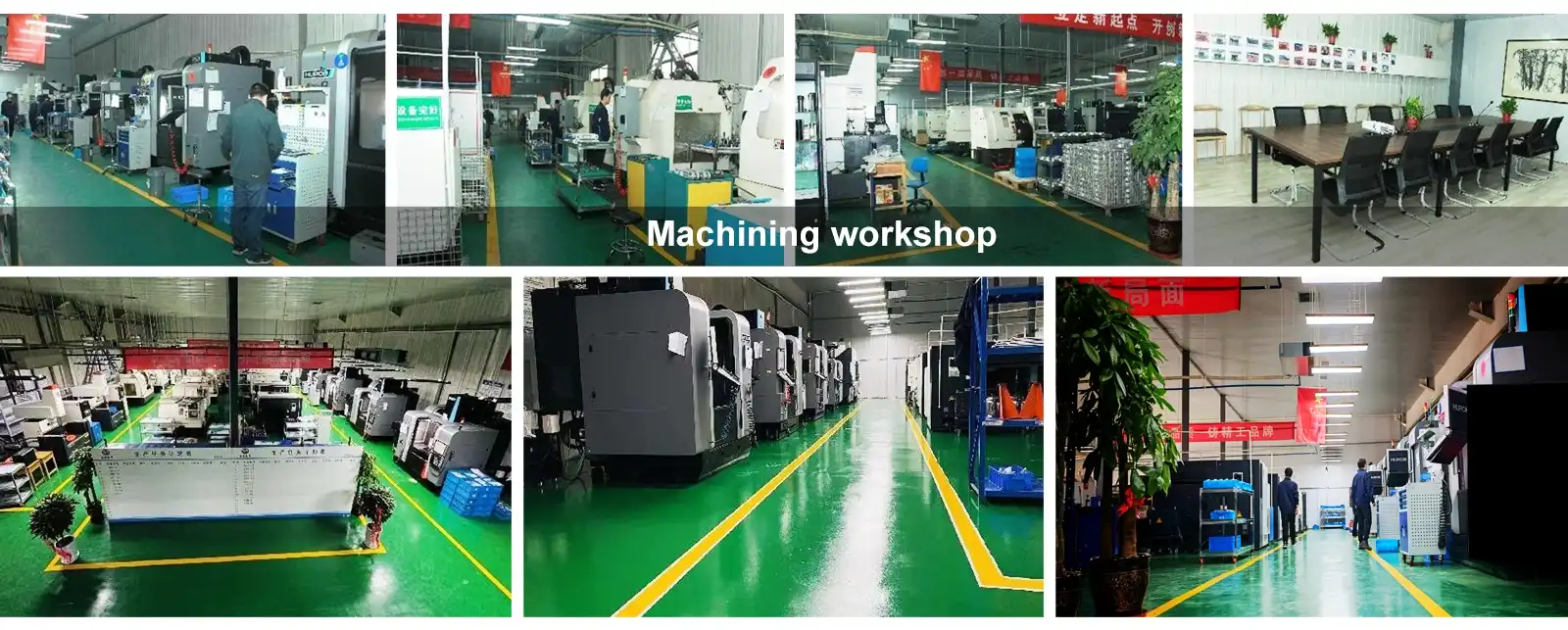
Extending Bearing Life Through Best Practices
The four mechanisms above are not equal. Oil film breakdown, lining fatigue under cyclic load, particle contamination and loss of clearance together decide how long the casting engine bearing lasts, and a maintenance program that addresses each one moves the bearing toward the high end of the design envelope. An engineer who measures oil pressure, oil temperature and oil particle count on a fixed schedule can separate a design limit from an operating limit, and schedule a bearing change before the lining spalls.
Two boundaries. A bearing life figure quoted without a load, a speed and a lubricant is not a figure at all, and any supplier that hands one over without those three numbers is selling a guess. In continuous immersion or water lubricated duty, a babbitt or copper lined casting engine bearing is the wrong material class and a different bearing system is the correct answer; an unprotected aluminum housing in that service will fail by corrosion long before the lining reaches its fatigue limit.
Conclusion
A casting engine bearing does not wear out because of age. It reaches the end of its life when the oil film collapses, the lining fatigues under cyclic load, hard particles enter the contact zone, or the clearance grows past the pump's ability to keep the journal afloat. Casting engine bearing life is therefore a tribology number set by material, load, speed and lubricant together, and any maintenance plan that does not measure all four is leaving service life on the table.
FAQs
What is the most common reason a casting engine bearing fails in service?
The most common single cause is oil film breakdown followed by metal to metal contact between the journal and the lining. Once the hydrodynamic film collapses, adhesive wear removes lining material, the local temperature rises and the lining smears or cracks. In engines maintained on schedule, this usually traces back to a contaminated or aged lubricant rather than the bearing itself.
Does a babbitt bearing always outperform a copper lead bearing?
No. ASTM B23-20 babbitt is softer, beds in more readily against a journal, and tolerates small particles by absorbing them into the lining. ISO 4382-1:2021 copper alloys carry higher loads and run hotter, but tolerate less contamination and need a cleaner oil supply. The correct choice is set by load, speed and oil cleanliness, not by a general rule that one alloy is always better.
How does ASTM E466-21 relate to casting engine bearing life in the field?
ASTM E466-21 is the axial constant amplitude fatigue test that ranks the lining material under the reversing load cycle that the journal applies on every revolution. A lining that passes an E466-21 fatigue run at the rated stress will outlast a lining qualified only by a single tensile test. Field life correlates with the fatigue test result as long as the lubrication system keeps the journal off the lining.
What role does the cast aluminum housing play in casting engine bearing life?
The housing to ASTM B26/B26M-18 carries the alignment and stiffness that keep the journal on its centerline. A housing that warps under heat, or that is machined out of true, adds bending to the load on the lining and shortens its service life. In an engine that has been overheated or rebuilt with a non standard housing, bearing life usually drops well before the lining reaches its fatigue limit.
When is a casting engine bearing the wrong product to specify?
A babbitt or copper lined casting engine bearing is the wrong answer in continuous immersion or water lubricated duty, where a different bearing material class and a corrosion resistant housing are required. It is also wrong when the buyer needs a single bearing life number without the load, the speed and the lubricant that number depends on, because no honest supplier can give one.
Casting Engine Bearing Supplier: Rongbao Enterprise
Rongbao Enterprise was founded in 2003 and operates a casting and machining facility on Fengwu East Road in the Fengjing Industrial Park in Xi'an, China, covering more than 6,000 square meters. We cast in aluminum and machine to drawing using high pressure die casting, low pressure die casting, gravity casting, precision CNC machining and shot blasting. Our quality system is registered to ISO 9001:2015, ISO 14001 and ISO 45001, with PPM defect rates below 50 across our casting engine bearing output. About 70 percent of production ships to customers in the United States, Europe, Japan and other markets.
For a casting engine bearing inquiry we need the part drawing or 3D model, annual volume, and the service environment (load, speed, lubricant, ambient temperature, water or contamination). In return we provide a manufacturability review, a material and process recommendation, and a written quotation. Email zhouyi@rongbaocasting.com or steve.zhou@263.net with drawing and annual volume.
References
- ASTM International. ASTM B23-20, Standard Specification for White Metal Bearing Alloys, Known Commercially as Babbitt Metal. ASTM International, 2020.
- International Organization for Standardization. ISO 4382-1:2021, Plain Bearings: Copper Alloys, Part 1: Cast Copper Alloys for Solid and Multilayer Thick Walled Plain Bearings. ISO, 2021.
- ASTM International. ASTM B26/B26M-18, Standard Specification for Aluminum Alloy Sand Castings. ASTM International, 2018.
- ASTM International. ASTM E466-21, Standard Practice for Conducting Force Controlled Constant Amplitude Axial Fatigue Tests of Metallic Materials. ASTM International, 2021.
- Khonsari, Michael M., and E. Richard Booser. Applied Tribology: Bearing Design and Lubrication. Wiley, 2017. ISBN 978-1-118-63724-1
- ASM International. ASM Handbook, Volume 18: Friction, Lubrication, and Wear Technology. ASM International, 1992. ISBN 978-0-87170-380-4
Learn about our latest products and discounts through SMS or email