- English
- French
- German
- Portuguese
- Spanish
- Russian
- Japanese
- Korean
- Arabic
- Greek
- German
- Turkish
- Italian
- Danish
- Romanian
- Indonesian
- Czech
- Afrikaans
- Swedish
- Polish
- Basque
- Catalan
- Esperanto
- Hindi
- Lao
- Albanian
- Amharic
- Armenian
- Azerbaijani
- Belarusian
- Bengali
- Bosnian
- Bulgarian
- Cebuano
- Chichewa
- Corsican
- Croatian
- Dutch
- Estonian
- Filipino
- Finnish
- Frisian
- Galician
- Georgian
- Gujarati
- Haitian
- Hausa
- Hawaiian
- Hebrew
- Hmong
- Hungarian
- Icelandic
- Igbo
- Javanese
- Kannada
- Kazakh
- Khmer
- Kurdish
- Kyrgyz
- Latin
- Latvian
- Lithuanian
- Luxembou..
- Macedonian
- Malagasy
- Malay
- Malayalam
- Maltese
- Maori
- Marathi
- Mongolian
- Burmese
- Nepali
- Norwegian
- Pashto
- Persian
- Punjabi
- Serbian
- Sesotho
- Sinhala
- Slovak
- Slovenian
- Somali
- Samoan
- Scots Gaelic
- Shona
- Sindhi
- Sundanese
- Swahili
- Tajik
- Tamil
- Telugu
- Thai
- Ukrainian
- Urdu
- Uzbek
- Vietnamese
- Welsh
- Xhosa
- Yiddish
- Yoruba
- Zulu
What is the difference between squeeze casting and high pressure die casting?
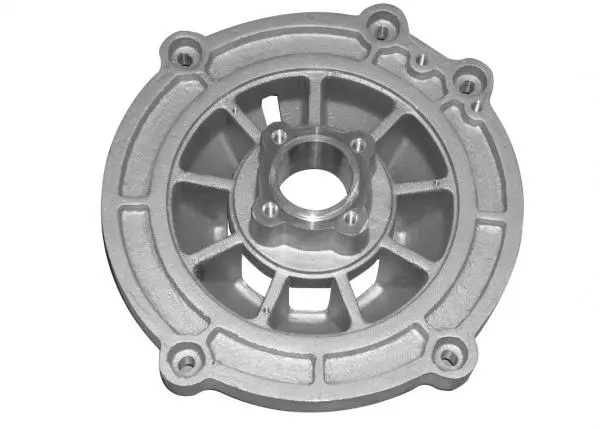
The main difference between high pressure die casting and squeeze casting is how they are made and what they are used for. During solidification, squeeze casting applies constant pressure, making thick, high-strength parts that are perfect for important structural uses. High pressure die casting quickly pours liquid metal into steel molds while applying a lot of pressure. This makes a lot of exact, high-volume parts with a great finish for fields like electronics and cars.
To meet strict requirements for quality, cost, and performance, modern production depends heavily on advanced metal casting technologies. Choosing the right casting method is important for getting the best results with your product, taking into account cost, functionality, and appearance. This guide talks about the main differences between high pressure die casting (HPDC) and squeeze casting, which are both well-known methods used in many businesses around the world. By knowing what makes each one different, procurement and manufacturing workers can make sure that casting decisions are in line with project goals. This improves reliability and the efficiency of the supply chain.
Understanding Squeeze Casting and High Pressure Die Casting
Squeeze casting and HPDC are two different ways to shape metal, and each has its own specific process physics and material compatibilities. Understanding these manufacturing methods is important for making smart choices about what to buy because they serve different types of customers and production needs.
Squeeze Casting Process Fundamentals
When molten metal is slowly solidified under continuous pressure, this is called squeeze casting. It makes dense, high-integrity parts that are widely used in the aircraft and automobile industries. Molten metal is put into a die that has already been heated, and pressure is applied while the metal cools. This method has parts of both casting and forging. This constant pressure gets rid of porosity and makes the material qualities better than with traditional casting ways.
The process usually works at pressures between 50 and 150 MPa, which are much lower than HPDC but are kept up for long amounts of time. This prolonged pressure application lets you control the direction of solidification, which improves the material's qualities and makes the grain structures more uniform. Industries that need parts with high strength-to-weight ratios, like aircraft and high-performance cars, often ask for important parts to be made by squeeze casting.
High Pressure Die Casting Mechanics
High pressure die casting, on the other hand, quickly pours liquid metal into a mold under very high pressure, allowing for mass production with a smooth surface that is popular in precision engineering and electronics. The process works at pressures higher than 300 MPa, and the pumping speeds can hit several meters per second. This fast filling and high pressure makes things that are very accurate in size and have smooth surfaces.
HPDC uses steel molds that can be used more than once and can make thousands of similar parts with the same quality. The process cycle times are very short—often just minutes—which makes it perfect for situations where a lot of things need to be made. The fast cooling that comes with HPDC makes fine-grained microstructures that have good mechanical properties and great surface properties that can be used for decoration.
Comparative Analysis: Squeeze Casting vs High Pressure Die Casting
This in-depth study breaks down the technical differences between squeeze casting and HPDC, looking at the processes, tools, and tooling needs of each. Manufacturers and buying workers can make smart choices based on project needs when they understand these differences.
Process Workflow and Machinery Requirements
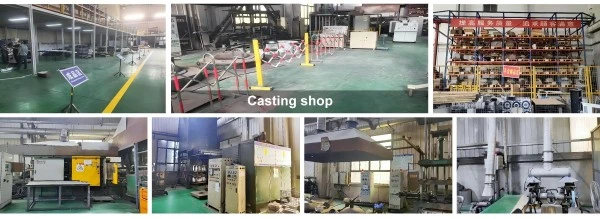
The differences in how these processes work have a big effect on planning output and buying tools. For squeeze casting, you need special hydraulic presses that can keep the pressure steady during the solidification cycle. The dies are usually heated up to 200–400°C ahead of time, and cycle times vary from 2 to 10 minutes, based on the complexity of the part and the thickness of the wall.
For high pressure die casting, complex injection machines with accurate shot control systems are used. These machines have different methods for injection and clamping, which lets the cavities be filled quickly and pressure be applied right away. When compared to squeeze casting, the dies work at lower temperatures (150–300°C), and cycle times are much shorter—often less than two minutes for standard parts.
Material suitability changes a lot from one process to the next. A wider range of metals can be used in squeeze casting, such as high-strength aluminum alloys, magnesium alloys, and even some copper-based materials. The controlled solidification setting lets the material be heated after it has been cast, which increases the ways that its properties can be improved.
Quality Characteristics and Defect Analysis
It looks closely at material compatibility, showing how metals like magnesium and aluminum react to changes in cooling rates and pressure, which can affect the strength and quality of the surface of the part. Parts made by squeeze casting usually have better mechanical qualities because the continuous pressure gets rid of shrinkage porosity and smooths out the grain structure.
HPDC parts have a smooth surface and are the right size, but they may have some holes in them because air gets stuck during the rapid cavity filling process. Modern HPDC methods, on the other hand, use vacuum help and better gating systems to cut down on these flaws. Because of the fast cooling, fine-grained structures are made that are strong enough for most industry uses.
Looking at fault patterns, like porosity in HPDC or shrinking in squeeze casting, can help you improve the way you do quality control. Problems with squeeze casting usually happen because the pressure isn't applied correctly or the die temperature isn't controlled properly. Problems with HPDC usually happen because the cooling isn't good enough or the injection settings aren't set correctly.
Economic Considerations and Production Scaling
Comparing costs and wait times makes production economics clearer and helps buying teams weigh the pros and cons of investing in tools, cycle times, and the ability to produce more. The costs of making tools for squeeze casting are usually cheaper because the dies are easier to make and less pressure is needed. But because the cycle times are longer, the cost of making each piece goes up when there are a lot of them.
Due to the complicated die designs needed to survive high pressures and keep things cool, HPDC casting requires a big initial investment. The dies have complex ejection devices, cooling ducts, and runner systems. Even though HPDC has higher start-up costs, its fast cycle times make it a very cost-effective way to make large quantities (more than 10,000 pieces per year).
Application Suitability and Industry Use Cases
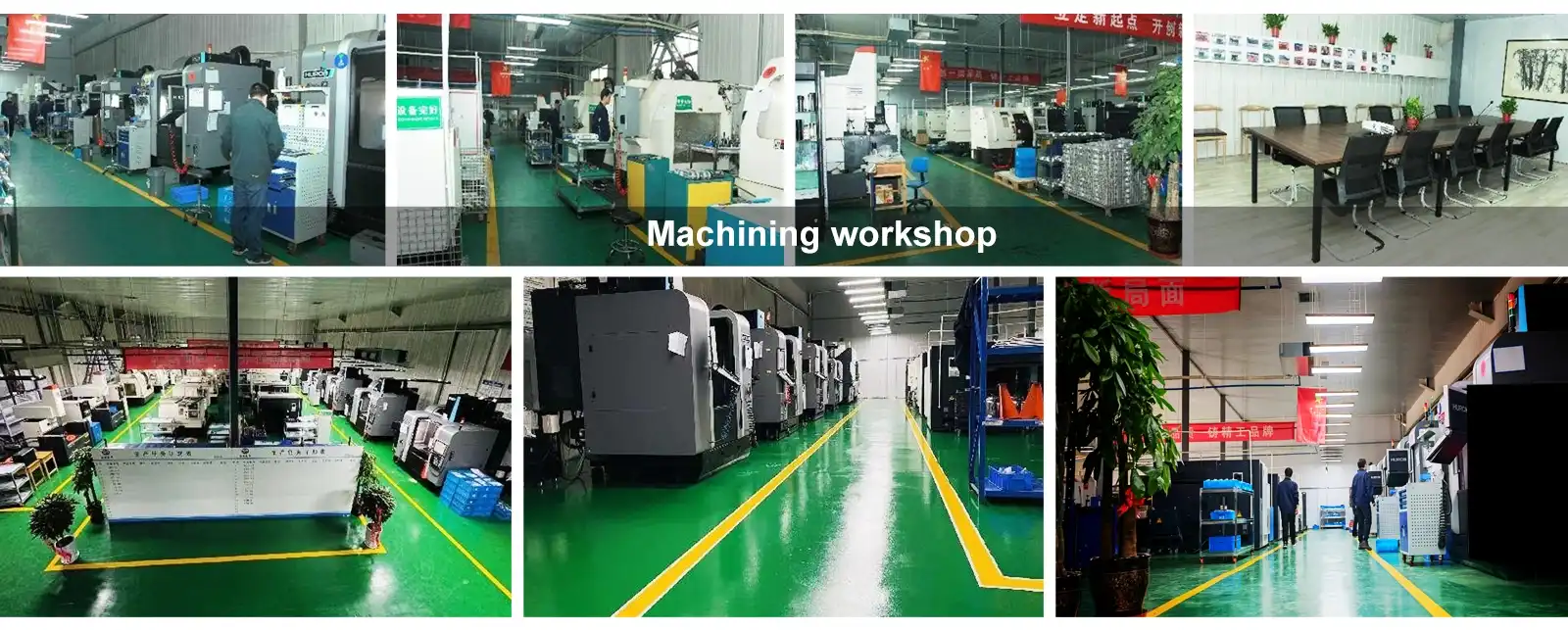
Real-world examples from the auto, aircraft, electronics, and contract manufacturing industries show how choosing the right casting method can help meet specific functional and volume needs. Each method is used for a different type of customer and meets different efficiency and cost requirements.
Automotive and Aerospace Applications
Squeeze casting is great for making parts with complex structures and great mechanical qualities that are used in important car and aerospace applications. The extra strength and lighter weight that can be achieved through squeeze casting are useful for engine blocks, suspension parts, and structural frames. This method works especially well for parts that need to be heated up or welded after they are made.
The ability of squeeze casting to make parts with high fatigue strength and damage tolerance is used in aerospace uses. To meet strict safety and efficiency standards, squeeze casting is often used for landing gear parts, engine mounts, and structural fittings. Because the process can make parts that are close to net-shape, less cutting is needed and less material is wasted.
Electronics and High-Volume Manufacturing
In the technology and consumer goods businesses, high pressure die casting is good for making a lot of parts quickly that need to be precise. HPDC can make thin-walled parts with complicated shapes and a great surface finish, which are useful for making heat sinks, electronic housings, and decorative parts. Tight tolerances are needed to put together current tech devices, and this process can handle them.
When high volumes and constant quality are very important, HPDC is used in automotive uses for transmission cases, engine parts, and body hardware. The process's ability to include complicated internal pathways and fastening features lowers the cost of assembly and makes it easier to integrate the product.
Design and Engineering Guidelines for Choosing the Right Casting Method
Designing the right shape, tools, and cooling methods for the chosen process is the first step in making a casting that works well. Design factors have a big effect on both how well the end component works and how easy it is to make.
Design Optimization for Squeeze Casting
In squeeze casting uses, better mechanical qualities are achieved by controlling solidification and mold materials. For proper pressure transfer throughout the part during solidification, wall thickness consistency is very important. Designs should have gradual changes between sections to help solidification happen in the right way and keep stress levels low.
Because the solidification process is managed, draft angles can be very small in squeeze casting, which makes it possible to make shapes with more complicated shapes. But builders have to think about how the pressure needs to be distributed and make sure there is enough material flow during the hole filling process. It is best for gate systems to be made so that they reduce turbulence and encourage smooth flow.

HPDC Design Considerations
To cut down on flaws and rework, high pressure die casting needs exact design of the gates and wall thickness. Depending on the metal and part size, the minimum wall thickness is usually between 1.5 and 3 mm. Different cooling rates can cause bending or internal stresses, but walls that are all the same thickness stop this from happening.
In HPDC design, gate placement is very important because it affects how cavities are filled and where defects might happen. For big or complicated parts, you might need more than one gate to make sure they fill completely and keep air out as much as possible. Runner and overflow systems need to be carefully planned to control the flow of materials and make sure there is enough air flow.
Material Selection Integration
It is important to combine material performance goals with process capabilities. This helps engineers choose alloys and features that match what the design intended and what can actually be made. Both methods use aluminum alloys, but the best way to optimize the makeup changes depending on the casting method. Higher-strength metals that might not work well in HPDC because they are prone to hot breaking can be used in squeeze casting.
These engineering ideas help all production projects get higher yields, more reliable results, and lower costs. Design for manufacturing (DFM) reviews should look at both processes early on in the development process to find the best mix between performance needs and the cost of making the product.
How to Decide: Selecting Between Squeeze Casting and High Pressure Die Casting
When deciding what to buy, it's important to weigh the skills and quality guarantees of the seller against the amount of work that needs to be done, the budget, and the level of difficulty. A methodical review process makes sure that the best casting method is chosen for each application.
Volume and Economic Analysis
The main thing that determines which method to use is the amount of production. If you make more than 5,000 to 10,000 pieces a year, based on how complicated the part is, high pressure die casting becomes a good business idea. The high costs of the tools are spread out over many production runs, which makes the prices per piece affordable.
Squeeze casting is still a good option for smaller quantities and unique uses that need better mechanical qualities. The economics of the process support making prototypes and making things in middle quantities where tooling costs need to be kept as low as possible. Squeeze casting is often chosen for custom manufacturing because it is flexible and has lower entry hurdles.
Supplier Evaluation Criteria
Certifications and quality control systems are important for lowering risk and should be used as best practices when reviewing suppliers. ISO 9001 certification is a basic way to make sure of quality, and industry-specific standards like IATF 16949 for cars or AS9100 for aerospace make sure of compliance in those fields.
Facility audits and capability studies should be used to check the technical skills of potential suppliers. Implementation of statistical process control, measurement tools, and process control systems are signs of a mature provider. References from similar cases show how well and how reliably a seller works.
Emerging Technology Trends
Forward-thinking sourcing strategies are further shaped by knowledge of new trends, such as sustainable casting technologies and process innovations. This gives buyers the power to secure competitive advantages and strong supply lines in a manufacturing world that is always changing. Vacuum-assisted HPDC and semi-solid processes are new technologies that could change how casting is done in the future.
Environmental concerns are becoming more and more important when choosing a provider. Energy economy and reducing waste are becoming important factors for evaluation. Suppliers who show they are committed to sustainable manufacturing methods are in line with regulations and business responsibility goals.
Conclusion
The main things that determine whether to use squeeze casting or high pressure die casting are the amount of parts that need to be made, their mechanical properties, and the cost. When strength is important and production rates are low, squeeze casting is the best method. On the other hand, HPDC is best for high-volume manufacturing that needs a perfect surface finish and accurate measurements. By knowing these basic differences, you can make smart choices that match manufacturing methods to the needs of a particular project, resulting in the best quality, cost, and delivery performance.
Partner with Rongbao Enterprise for Advanced Die Casting Solutions
Rongbao Enterprise stands as your trusted high pressure die casting manufacturer, combining two decades of industry expertise with comprehensive manufacturing capabilities. Our integrated approach covers the complete production spectrum, from mold development through precision machining and surface treatment, ensuring one-stop manufacturing solutions for your most demanding applications.
Our ISO 9001, ISO 14001, and ISO 45001-certified buildings show that we care about quality, being good to the environment, and keeping workers safe. We meet the highest foreign standards and offer cost-effective options because 70% of our production is sent to Europe, the United States, and Japan. Please email steve.zhou@263.net or zhouyi@rongbaocasting.com to talk about your project needs and find out how our proven knowledge of both squeeze casting and high pressure die casting methods can help you improve the performance of your supply chain.
FAQ
Can squeeze casting and HPDC be integrated in hybrid manufacturing workflows?
In businesses with different part needs, it is common to combine both methods into a single manufacturing program. Squeeze casting is used for important structural parts that need better mechanical qualities, and HPDC is used for making a lot of decorative and useful parts. This mixed method makes the most of manufacturing economies while still meeting the different performance needs of different product lines.
What are typical global lead times for HPDC suppliers?
For complex dies, HPDC tooling development usually takes 12 to 16 weeks, which includes the design, cutting, and testing stages. Depending on the size of the order and the supplier's ability, production wait times can be anywhere from two to six weeks. Because their supply lines are more connected, Asian suppliers can often offer shorter wait times. On the other hand, Western suppliers may be better at technical help and quality systems.
How do surface finish requirements impact casting method selection?
Specifications for surface finish have a big impact on process choice because HPDC gets better surface quality straight from the casting process. Parts that need Ra values below 3.2 µm usually ask for HPDC to keep post-processing costs as low as possible. To get similar finishes, squeeze casting might need more machining or surface treatments, which could affect the total cost of production and wait times.
References
1. Campbell, J. "Complete Casting Handbook: Metal Casting Processes, Metallurgy, Techniques and Design." Butterworth-Heinemann, 2015.
2. Vinarcik, E.J. "High Integrity Die Casting Processes." John Wiley & Sons, 2003.
3. Ghomashchi, M.R. and Vikhrov, A. "Squeeze Casting: An Overview." Journal of Materials Processing Technology, 2000.
4. Kaufmann, H. and Uggowitzer, P.J. "Metallurgy and Processing of High-Integrity Light Metal Pressure Castings." Schiele & Schoen, 2007.
5. Totten, G.E. and MacKenzie, D.S. "Handbook of Aluminum: Alloy Production and Materials Manufacturing." Marcel Dekker, 2003.
6. Beeley, P. "Foundry Technology." Butterworth-Heinemann, 2001.
Learn about our latest products and discounts through SMS or email