- English
- French
- German
- Portuguese
- Spanish
- Russian
- Japanese
- Korean
- Arabic
- Greek
- German
- Turkish
- Italian
- Danish
- Romanian
- Indonesian
- Czech
- Afrikaans
- Swedish
- Polish
- Basque
- Catalan
- Esperanto
- Hindi
- Lao
- Albanian
- Amharic
- Armenian
- Azerbaijani
- Belarusian
- Bengali
- Bosnian
- Bulgarian
- Cebuano
- Chichewa
- Corsican
- Croatian
- Dutch
- Estonian
- Filipino
- Finnish
- Frisian
- Galician
- Georgian
- Gujarati
- Haitian
- Hausa
- Hawaiian
- Hebrew
- Hmong
- Hungarian
- Icelandic
- Igbo
- Javanese
- Kannada
- Kazakh
- Khmer
- Kurdish
- Kyrgyz
- Latin
- Latvian
- Lithuanian
- Luxembou..
- Macedonian
- Malagasy
- Malay
- Malayalam
- Maltese
- Maori
- Marathi
- Mongolian
- Burmese
- Nepali
- Norwegian
- Pashto
- Persian
- Punjabi
- Serbian
- Sesotho
- Sinhala
- Slovak
- Slovenian
- Somali
- Samoan
- Scots Gaelic
- Shona
- Sindhi
- Sundanese
- Swahili
- Tajik
- Tamil
- Telugu
- Thai
- Ukrainian
- Urdu
- Uzbek
- Vietnamese
- Welsh
- Xhosa
- Yiddish
- Yoruba
- Zulu
What is the difference between low pressure casting and die casting?
Knowing the main differences between low pressure casting and die casting can have a big effect on the success of your project if you're looking for precise metal parts for tough jobs. Low pressure die casting parts are made using a controlled method in which molten metal fills the mold cavity under low pressure, usually between 0.7 and 1.5 bar. This makes the internal structures more precise and the mechanical traits better. High-pressure die casting, on the other hand, uses pressures higher than 10,000 psi to inject molten metal, which lets complex shapes and fast production processes be made. The choice between these methods depends on things like the strength needed, the amount of production, the desired surface finish, and the cost. All of these things are very important for procurement managers and engineers who are looking at providers.
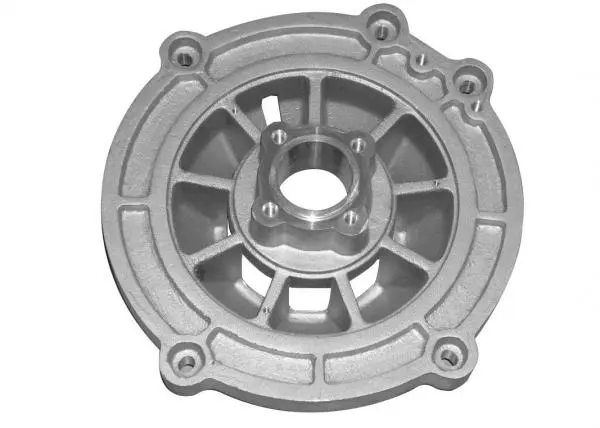
Understanding Low Pressure Casting and Die Casting
Process Mechanics of Low Pressure Casting
In low pressure casting, an inert gas pressure is used to push liquid aluminum alloy up into the mold space through a sealed crucible device. The aluminum liquid comes in through a ceramic riser at the bottom and fills the mold slowly as it rises to the top. This controlled filling path lets air flow naturally while keeping oxidation and turbulence to a minimum. The steady flow rate of metal lowers the chance of caught gas and inclusions, creating casts with dense microstructures. Our experience at Rongbao Enterprise with materials like A356 and AlSi10Mg has shown that this bottom-filling method always produces parts with great internal integrity. These parts are especially good for uses that need high structural reliability, like lift parts and heavy machinery parts.
High-Pressure Die Casting Fundamentals
In high-pressure die casting (HPDC), molten metal is poured quickly into steel molds while being under a lot of pressure. The fill phase is finished in milliseconds. This method can handle thin-wall parts and complicated shapes that would be hard to make with other methods. HPDC is great for producing large amounts of things because cycle times are usually between 30 seconds and two minutes. Because HPDC solidifies quickly, it has fine grain structures. However, the turbulent filling can make thicker sections have holes in them. Aluminum alloys like A380, zinc alloys, and magnesium alloys are some of the materials that are commonly processed through HPDC. Each has its own benefits for different uses. By contrast, Low pressure die casting parts are produced with a gentler fill, using gas pressure to push metal upward into the die, which reduces porosity and improves mechanical properties—making them better suited for structural components that require higher integrity than typical HPDC outputs.
Equipment and Tooling Differences
Low pressure casting equipment has a covered kiln that is directly linked to the mold. This keeps the melt temperature stable and stops contamination. Because the cycle times are longer, the molds, which are usually made of permanent steel or cast iron, need fewer holes than HPDC casting. HPDC machines have hydraulic systems that can make huge clamping forces to keep molds shut when injection pressure is applied. The steel molds used in HPDC are carefully designed to last for thousands of cycles. They have many complex cooling channels that allow heat to be removed quickly. The cost of tools for HPDC systems is usually higher than for low pressure systems, but this investment pays off in settings with a lot of production.
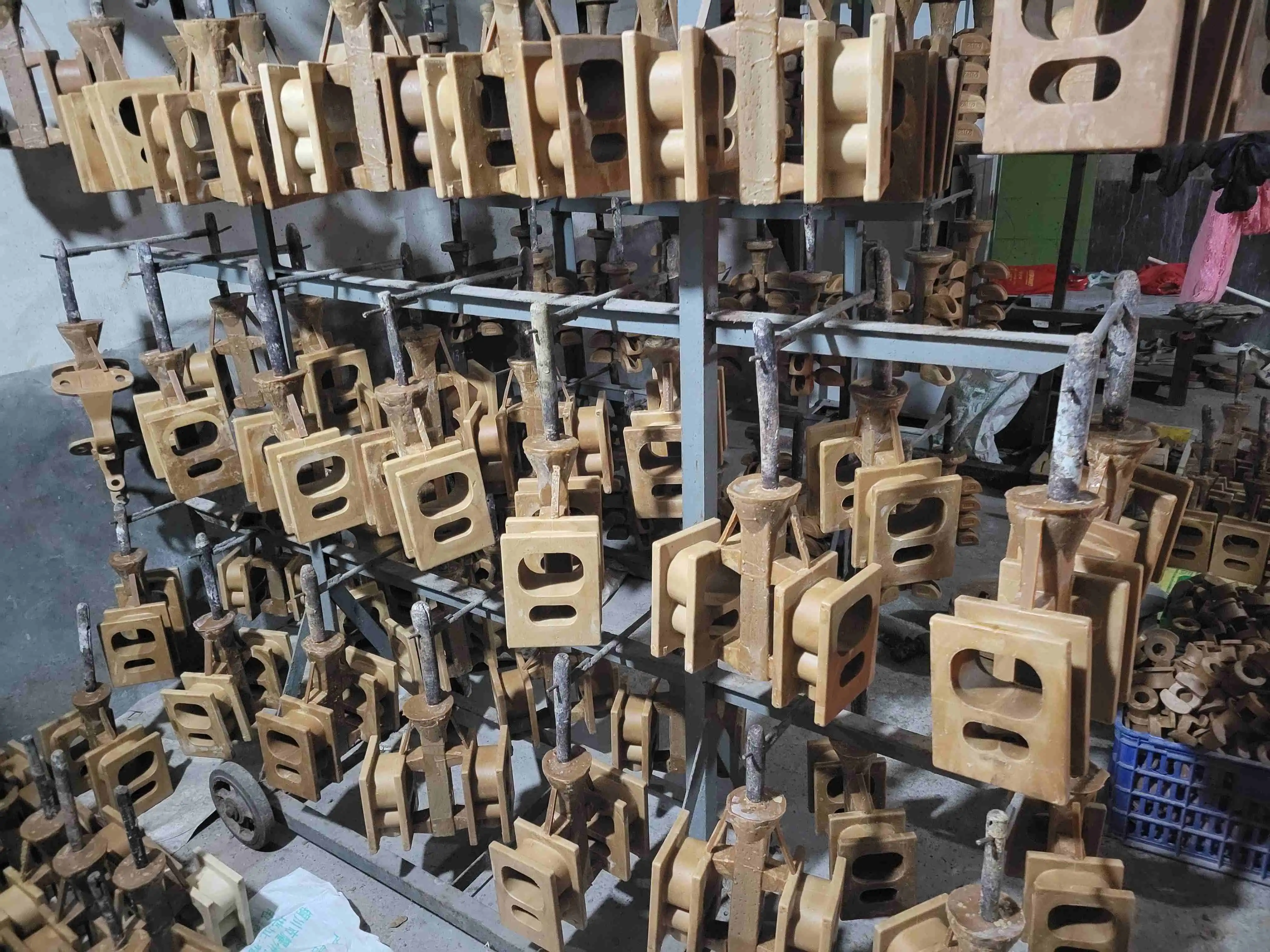
Comparative Analysis: Low Pressure Casting vs Die Casting
Mechanical Properties and Structural Integrity
Castings with tensile strengths that are often 10-15% higher than similar HPDC parts are produced by low pressure casting because the solidification process is slower and more controlled, which encourages directed grain growth and reduces porosity. For safety-critical parts in automotive suspensions, aerospace structures, and industrial equipment, low pressure methods are especially useful because of their superior mechanical integrity. We've seen that low pressure castings have more reliable fatigue performance and better heat treatment response through our ISO9001:2015 approved methods. Even though HPDC parts have a very hard surface and are all the same size, they may have tiny holes in them that make them not completely airtight or weldable in some situations.
Production Speed and Volume Considerations
When tens of thousands of similar parts need to be made every year, HPDC is the best option. Cycle times are measured in seconds, and there isn't much post-processing needed. Depending on how complicated the part is, a single HPDC machine can make 200 to 500 shots per day. Low pressure casting has slower cycles—about 20 to 50 parts per machine per day—but it works best for medium-volume production where the longer cycle is necessary because of the mechanical qualities. We have both of these skills at our Xi'an facility, which can make up to 5,000 customised lift parts per month. This way, clients can choose the process that saves them the most money for their order number.
Cost Structure Analysis
To get a full picture of costs, you need to look at tooling investment, piece price, yield rates, and secondary operations. Low pressure molds typically cost between $8,000 and $40,000, while HPDC tools can cost anywhere from $15,000 to $100,000, depending on how complicated they are. But HPDC's faster cycles make labor costs much lower per piece when a lot of them are made. Rates of material utilisation favour low pressure ways, which make less waste from runners and spills. We work with procurement managers to find the break-even points where tooling amortisation, piece price, and volume all meet. This helps us find the best way to make the product while keeping the total cost of ownership as low as possible over its lifetime. When evaluating these trade-offs, Low pressure die casting parts often strike the optimal balance between initial tooling expense and per-unit material efficiency, particularly for medium-volume production runs where dimensional stability and porosity control are critical.
Surface Quality and Finishing Requirements
HPDC makes casts with very smooth surfaces right out of the mold, so they usually don't need much finishing beyond deburring and ornamental treatments. The fast solidification of the metal against the steel mold catches fine details and makes the visual quality constant. As-cast surfaces of low pressure castings are usually a little rougher, but they respond well to surface treatments like shot blasting, which we do all the time to get smooth surfaces that can be painted or coated. Low pressure filling reduces turbulence, which makes it easier to spot surface flaws like cold shuts and flow lines. This makes the base more stable for later cutting operations. Both methods can get the very accurate results needed for CNC cutting of important parts.

Applications and Industry Use Cases
Automotive and Transportation Components
Low pressure casting is now the best way to make safety-important car parts like suspension parts, steering knuckles, and structural brackets where mechanical dependability is more important than production speed. The process works well with aluminum wheels because the ratio of strength to weight has a direct effect on how well the car runs and how much gas it uses. HPDC is used for making a lot of things, like gearbox housings, engine blocks for small engines, and complicated brackets where the need for complex shapes justifies the cost of the tools. Manufacturers of commercial vehicles like low pressure casting for parts like brake calipers and axle housings that have to withstand a lot of stress over the course of their life.
Industrial Equipment and Machinery
Heavy machinery makers get low pressure castings for parts like pump housings, valve bodies, and compressors that need to be able to handle constant operating pressures and changes in temperature. The better structural integrity keeps the structure from cracking when vibration and shock loading, which are frequent in building tools, happen. Our custom lift parts, which are made of A380 aluminum and weigh 1.8 kg, show how low pressure casting can be used in specific industrial settings that need precision and longevity. The better mechanical qualities also help industrial motor housings and gearbox enclosures, especially when CNC machining is used to make precise mounting surfaces and bearing seats.
Energy and High-Performance Applications
More and more, the energy industry uses casting methods to make parts for wind turbines. These big aluminum casts have to withstand years of being exposed to the elements and mechanical stress. The hubs, brackets, and structural parts that meet these strict standards are made by low pressure casting. In the same way, aerospace uses low pressure methods for making non-structural and some structural parts because aluminum is lighter and has good mechanical properties, which makes the manufacturing method worthwhile. Manufacturers of oil and gas equipment use low pressure castings for parts of valve bodies and pumps that are exposed to corrosive environments and changes in pressure. Across all these sectors, Low pressure die casting parts have become the preferred choice whenever high integrity, complex geometry, and cost-effective medium-to-high volume production are required, offering consistent wall thickness and superior mechanical performance that alternative processes struggle to match.
Design and Durability Tips for Low Pressure Die Casting Parts
Optimizing Wall Thickness and Draft Angles
The best way to reduce casting flaws and improve mechanical consistency is to make sure that all walls are the same thickness. For aluminum low pressure casts, the wall width should be between 3 and 6 mm, and the changes should be slow so that stress doesn't build up in one place. If you need bigger parts for functionality reasons, use ribs or gussets instead of solid masses that could become shrinking porosity. Draft angles should be between 1° and 3°, depending on the casting depth and surface texture needs. A good draft angle makes sure that the mold releases cleanly and reduces ejection stresses that could cause cracks in complicated shapes.
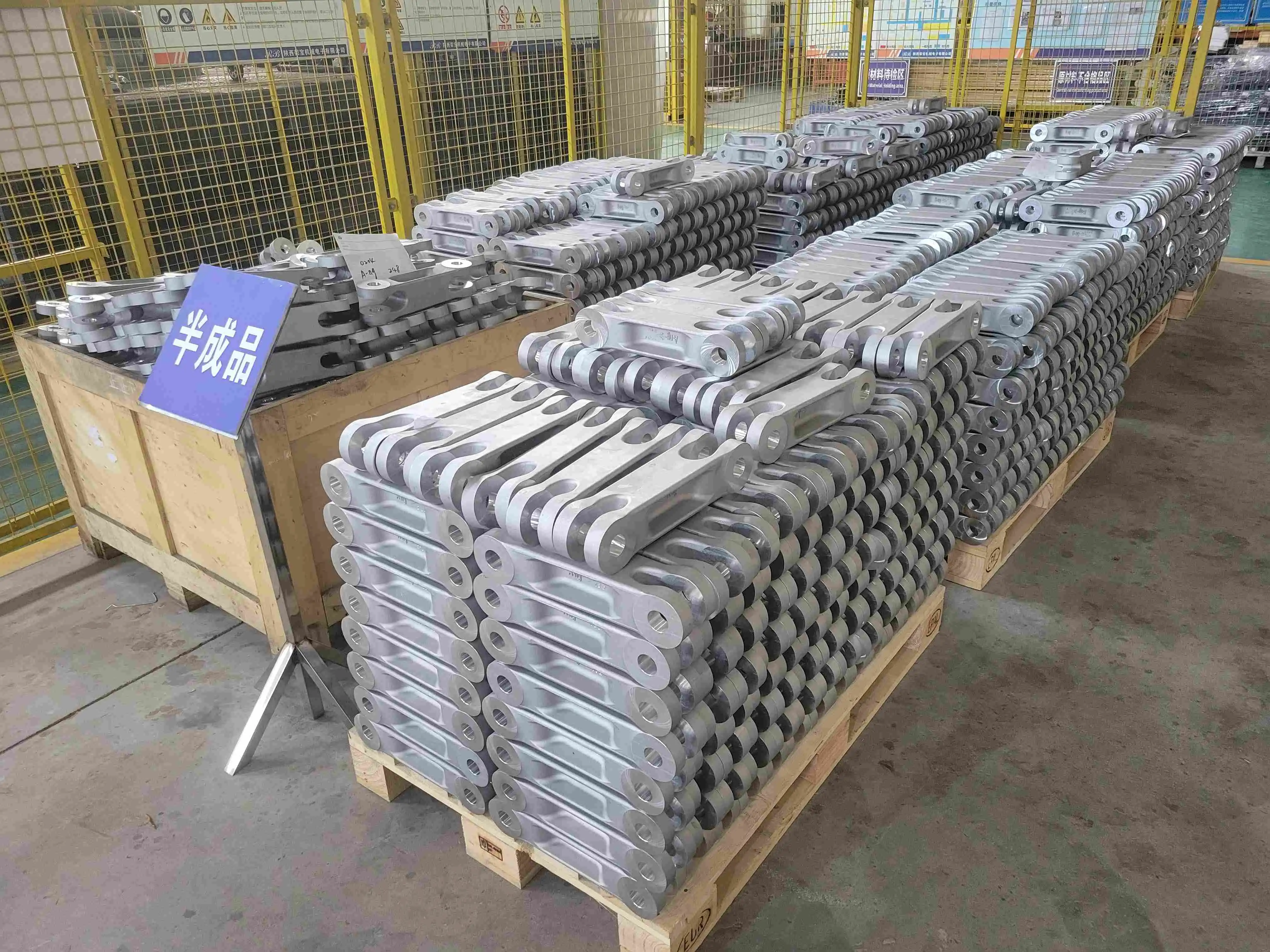
Gating and Feeding System Design
Many common problems can be avoided by working with your casting provider on the construction of the gates. The gate should be placed so that metal flows toward the thickest parts. This will let the metal solidify from thin to thick over time. This directed solidification is a feature of the bottom-fill method used in low pressure casting. It makes sure that the liquid metal in the riser keeps shrinking the casting as it cools. Avoid putting gates on important surfaces that need to be machined or finished for looks. During the quote process, our engineering team at Rongbao Enterprise looks over customer designs and suggests gate relocations or feeding changes that increase yield without affecting the usefulness of the part.
Material Selection and Post-Processing
Matching the aluminum alloy to the stresses of the application improves both performance and cost. A356 is a moderately strong metal that is easy to make and responds well to heat treatment. AlSi10Mg is good for making precise parts that need to be made with tight tolerances and be easy to machine. For our lift parts made of A380 alloy, the material's high fluidity lets it fit into complicated shapes while still being strong enough after T6 heat treatment. Shot blasting and other post-casting processes create regular surface textures that help coatings stick better. CNC machining of important features ensures accurate measurements, and the net shape of the casting cuts down on material removal and machining time. If asked for, heat treatment can turn as-cast buildings into high-strength ones that can be used in harsh circumstances.
Conclusion
Knowing the difference between low pressure casting and die casting helps procurement professionals find products that meet their performance needs, production volumes, and budget limits. Low-pressure ways give better mechanical qualities and less porosity, making them perfect for making safety-critical parts in medium quantities. High-pressure die casting works best when a lot of parts need to be made quickly and have complicated shapes. For procurement to go well, technical requirements need to be weighed against total cost, source certifications, and the chance of a long-term relationship. As industrial uses get more complex, it's important to work with makers that offer a wide range of capabilities, thorough quality systems, and engineering support in order to stay ahead of the competition in global markets. When sourcing Low pressure die casting parts, buyers should prioritize suppliers with proven process control and non-destructive testing capabilities, as these factors directly influence the mechanical integrity and long-term reliability of the final components
FAQ
1. Can low pressure casting match die casting dimensional accuracy?
For most industrial uses, low pressure casting can get close to die casting in terms of dimension tolerances, usually within ±0.3 to 0.5mm on major dimensions. The controlled filling and solidification keep the differences in size between runs to a minimum. Because HPDC parts solidify quickly against precision molds, they may have tighter tolerances on very thin features. However, after final machining, low pressure parts usually meet automotive and aerospace specifications. As part of our ISO-certified processes, we check the dimensions at several steps of production to make sure everything is the same.
2. What are typical lead times for low pressure casting projects?
For new projects that need equipment development, the whole process takes 10–14 weeks, with 8–10 weeks for making the mold and 2–4 weeks for making and getting approval on the first item. Repeat orders use existing tools and usually ship within 4 to 6 weeks, but this depends on the size of the order and the schedule for production. When practical needs require it, rush services can shorten deadlines, but normal scheduling guarantees the best quality control and the lowest costs.
3. How do environmental impacts compare between casting methods?
Both ways of casting use a lot of energy to cook the metal, but low pressure systems are usually a little more efficient because they make less waste and need less pressure. In low pressure casting, the closed furnace method cuts down on metal waste and rust losses. Both methods are very good at recycling materials; aluminum castings made with either method can be burnt down and cast again and again without losing their properties. Our ISO14001 certification shows that we are dedicated to reducing our impact on the environment by making the best use of materials and managing waste in a responsible way.
Partner with Rongbao Enterprise for Reliable Low Pressure Die Casting Parts
Rongbao Enterprise can help you with your precision casting needs because we can do a wide range of manufacturing tasks, including low pressure casting, high-pressure die casting, gravity casting, and full CNC machining. Being a low pressure die casting parts maker that is certified by ISO9001:2015, ISO14001, and ISO45001 means that we can make parts that meet the strictest international quality standards while keeping our prices low. We've been in business for 20 years and have a 70% share of the export market to Europe, the United States, and Japan. This shows that we can consistently and reliably meet the needs of demanding customers around the world.
Whether you need customised elevator parts like our 1.8 kg A380 aluminum parts or high-volume production up to 5,000 pieces per month, our Xi'an plant has the latest technology and skilled engineers to help you. We take care of everything, from making the mold to treating the surface and sending you finished parts that are ready to be put together. Steve Zhou can be reached at steve.zhou@263.net or zhouyi@rongbaocasting.com to talk about your specific needs. Our team will give you thorough technical evaluations and competitive quotes that are specific to your application. This will help you get the best performance from your parts and the best deals on them.
References
1. Campbell, J. (2015). Complete Casting Handbook: Metal Casting Processes, Metallurgy, Techniques and Design. Butterworth-Heinemann Publishing.
2. American Foundry Society. (2018). Aluminum Casting Technology: Fundamentals of Low Pressure and Gravity Permanent Mold Processes. AFS Technical Publications.
3. Kaufman, J.G., & Rooy, E.L. (2017). Aluminum Alloy Castings: Properties, Processes, and Applications. ASM International Materials Reference Series.
4. Zhang, L., & Wang, Q. (2019). "Comparative Study on Mechanical Properties of Low Pressure and High Pressure Die Cast Aluminum Components." Journal of Materials Processing Technology, 267, 428-437.
5. European Aluminium Association. (2020). Best Practice Guide for Low Pressure Die Casting: Quality Standards and Process Optimization. EAA Industry Standards.
6. Bonollo, F., Urban, J., Bonatto, B., & Botter, M. (2016). Gravity and Low Pressure Die Casting of Aluminium Alloys: A Technical and Economical Benchmark. Materials Science Forum, Trans Tech Publications.
Learn about our latest products and discounts through SMS or email