- English
- French
- German
- Portuguese
- Spanish
- Russian
- Japanese
- Korean
- Arabic
- Greek
- German
- Turkish
- Italian
- Danish
- Romanian
- Indonesian
- Czech
- Afrikaans
- Swedish
- Polish
- Basque
- Catalan
- Esperanto
- Hindi
- Lao
- Albanian
- Amharic
- Armenian
- Azerbaijani
- Belarusian
- Bengali
- Bosnian
- Bulgarian
- Cebuano
- Chichewa
- Corsican
- Croatian
- Dutch
- Estonian
- Filipino
- Finnish
- Frisian
- Galician
- Georgian
- Gujarati
- Haitian
- Hausa
- Hawaiian
- Hebrew
- Hmong
- Hungarian
- Icelandic
- Igbo
- Javanese
- Kannada
- Kazakh
- Khmer
- Kurdish
- Kyrgyz
- Latin
- Latvian
- Lithuanian
- Luxembou..
- Macedonian
- Malagasy
- Malay
- Malayalam
- Maltese
- Maori
- Marathi
- Mongolian
- Burmese
- Nepali
- Norwegian
- Pashto
- Persian
- Punjabi
- Serbian
- Sesotho
- Sinhala
- Slovak
- Slovenian
- Somali
- Samoan
- Scots Gaelic
- Shona
- Sindhi
- Sundanese
- Swahili
- Tajik
- Tamil
- Telugu
- Thai
- Ukrainian
- Urdu
- Uzbek
- Vietnamese
- Welsh
- Xhosa
- Yiddish
- Yoruba
- Zulu
Gravity Die Cast Parts for Automotive
Precision, longevity, and affordability are all important factors in the design of gravity casting parts, which are used in the production of automobile parts. In this method, liquid metal (usually A356 aluminum alloy) is poured into fixed metal molds using only gravity, so no outside pressure is needed. The parts that are made have perfect dimensions, a smooth surface, and uniform mechanical properties. These qualities make the parts essential for many uses, from chassis systems to thermal management components. As pressure mounts on automakers to cut down on weight, boost fuel efficiency, and meet strict quality standards, gravity die casting stands out as a tried-and-true method that meets all of these difficult needs while still allowing for production to be scaled up.
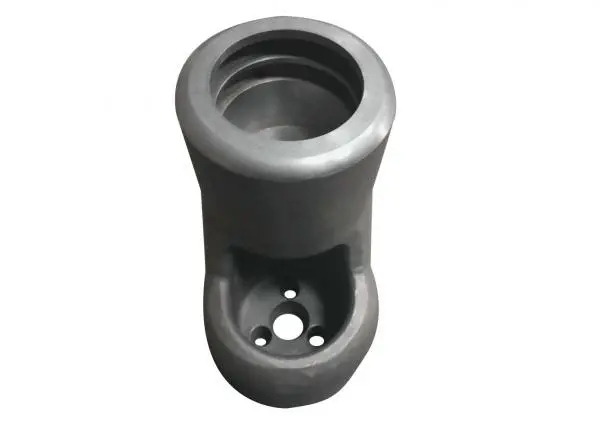
Understanding Gravity Die Cast Parts in Automotive
As time has gone on, gravity die casting has become a highly advanced way to make things that are specifically used in cars. At its core, this method relies on metal molds that can be used again and again to make parts that are very similar in size and shape.
The Gravity Die Casting Process Explained
As the first step in the process, mold preparation, permanent steel or iron dies are heated to the right temperatures, which for aluminum alloys are usually between 200°C and 300°C. This step of preheating makes sure that the metal flows properly and doesn't solidify too soon. After the metal is heated to about 700°C for the A356 aluminum alloy, it is carefully put into the mold through a system of gates that are meant to keep air from getting stuck and causing turbulence. The liquid metal moves through the mold only with the help of gravity, so it can fill complicated shapes without the strong pumping forces that are used in pressure die casting.
Controlled cooling rates make sure that the metal's grain structure is regular and that its mechanical qualities are at their best as it solidifies. The cooling phase is very important. If it goes too fast, internal stresses will form; if it goes too slow, production efficiency will drop. When the casting is solid, the mold opens and the finished product is ejected, ready for the next step in the process.
Material Selection for Automotive Applications
Because it has such a great mix of qualities, A356 aluminum alloy is the most popular choice for gravity die casting car parts. This alloy has about 7% silicon and 0.3% magnesium, which makes it very flexible when it's being poured and very strong after it's been heated. For medium-sized parts, A356 components usually weigh around 2.3 kg, which is a lot less weight than traditional iron castings while still maintaining structural integrity. Due to its natural resistance to corrosion, the alloy is perfect for chassis parts and thermal management systems that are exposed to harsh environments.
Beyond A356 aluminum alloy, magnesium alloys are becoming more popular for ultra-lightweight uses, especially in the structural parts of electric vehicles, where every gram saved means a longer driving range. Copper alloys are used in specific ways in electrical parts that need to be strong and carry electricity well.
Comparing Gravity Die Casting with Other Casting Methods for Automotive Parts
By understanding the differences between casting methods, procurement workers can choose the best way to make a part that meets their needs. Each technique has its own pros and cons that affect the quality of the part, the cost of production, and the design options. For example, gravity casting parts offer superior density and mechanical properties due to the controlled metal flow under gravity, making them particularly suitable for components that require high structural integrity—though this method may involve longer cycle times and higher tooling costs compared to alternative processes.
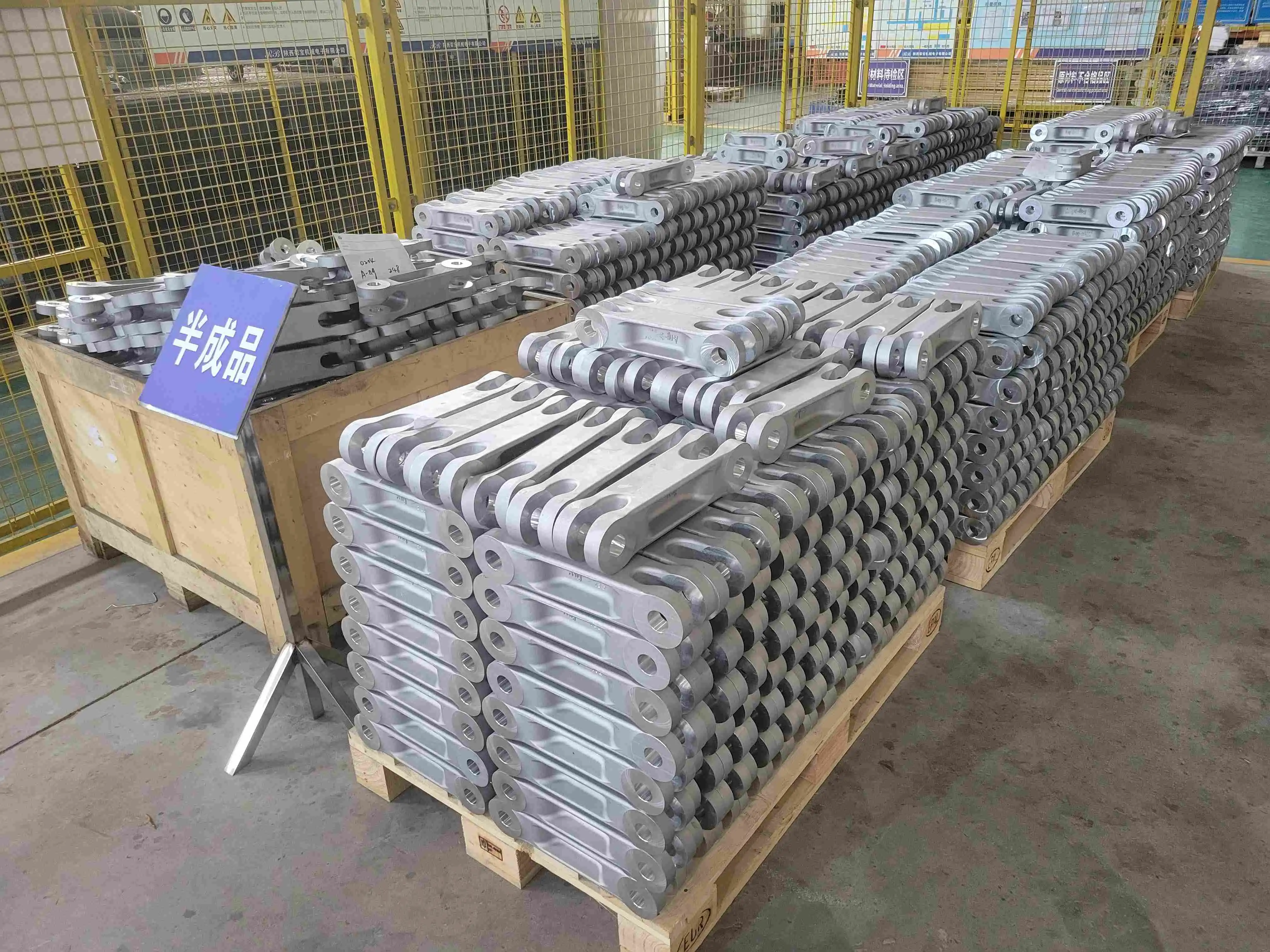
Gravity Die Casting vs. Sand Casting
Sand casting uses replaceable sand molds, which gives you the most freedom to make complicated shapes and big parts. However, gravity die casting has a better surface finish than sand casting, with Ra 3.2 μm values compared to Ra 12.5 μm for sand casting. Because the surface quality is so much better, secondary finishing processes are often not needed. This lowers the total lifecycle costs, even though the original tooling investment is higher. When you use permanent metal molds, the tolerances for dimensions get a lot tighter. For example, gravity die casting keeps tolerances of ±0.3mm on important features, while sand casting usually gets them to ±1.5mm.
Pressure Die Casting Comparison
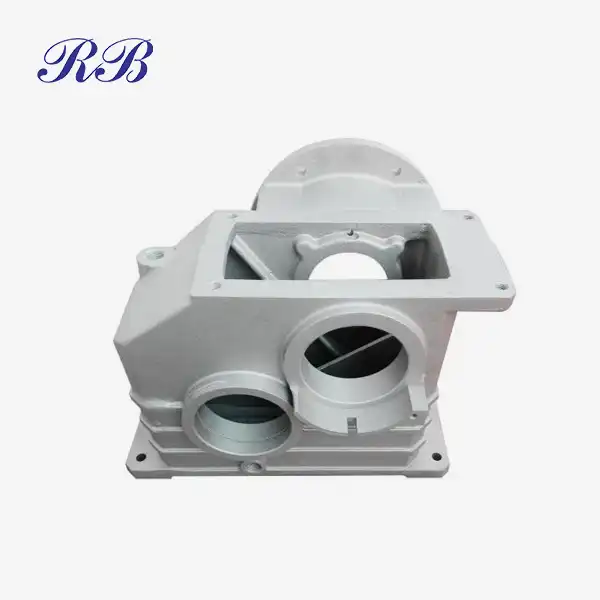
Pressure die casting uses a lot of force to pump molten metal, which makes it possible to make 800 or more shots per day compared to 200 to 300 rounds per day with gravity die casting. But the rough injection process traps air and gases, making holes that weaken the mechanical properties and make heat treatment impossible. The tensile strength of gravity die cast parts stays high—usually 280 MPa for A356 aluminum alloy in T6 condition—because the gentle filling process keeps gas from getting trapped and supports a strong internal structure. The better metallurgical quality of gravity casting makes it a great choice for parts that need to be pressure tight or welded, like gearbox housings and brake system parts.
Investment Casting and Centrifugal Methods
Investment casting is great for making complex, thin-walled parts with great surface detail, but it's too expensive for making medium to large automotive parts. Centrifugal casting works well for cylinder rims and other cylindrical parts, but it isn't flexible enough to make complex structure parts for cars. Gravity die casting is a good compromise because it offers quality similar to investment casting at prices similar to sand casting for production rates over 500 units per year.
Technical Specifications and Quality Standards for Gravity Die Cast Automotive Parts
Automotive-grade gravity die cast parts have to meet strict performance standards that make sure the safety, life, and compliance with regulations of the car. Dimensional accuracy, mechanical qualities, and surface integrity are all covered by these standards, which are all checked through thorough testing methods.
Dimensional Tolerances and Surface Requirements
Today, accurate mold design and thermal control allow gravity die casting to achieve dimensional limits of ±0.2mm on key features. The wall thickness uniformity keeps the variation within ±0.3mm across the component, which stops weak spots that could weaken the structure. Surface finish standards usually say Ra 3.2 μm for machined interfaces and Ra 6.3 μm for non-critical surfaces. These levels can be met by carefully prepping the mold surface and using the best pouring parameters.
As a post-treatment, shot blasting gets rid of surface rust and makes matte finishes that are all the same and have the same level of roughness. This treatment improves the adhesion of coatings for later painting or powder coating. It also shows any surface flaws that need to be fixed before the next step in the process.
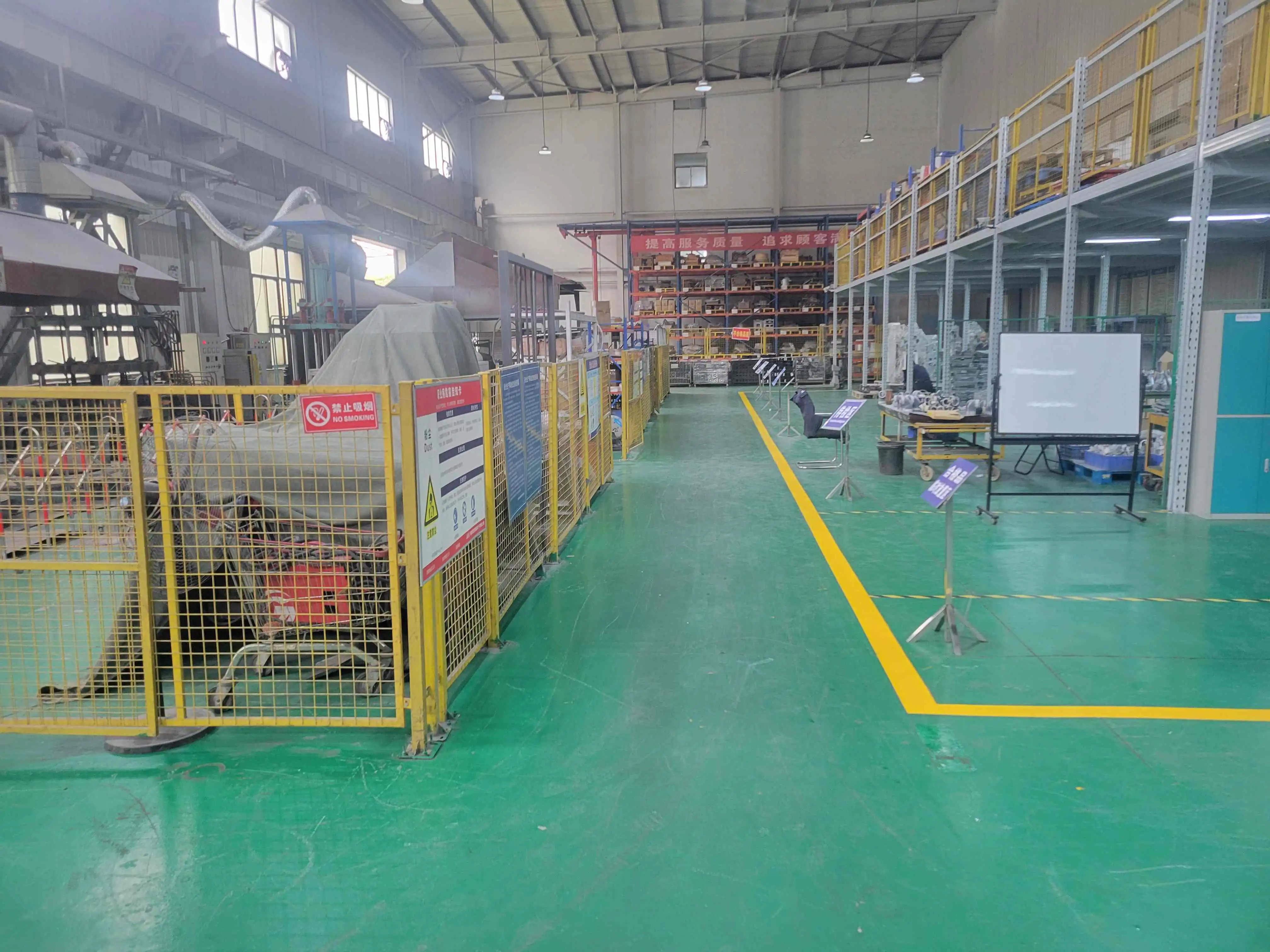
Mechanical Property Standards
When heated to T6 condition, the A356 aluminum alloy has a tensile strength of more than 280 MPa, a yield strength of more than 205 MPa, and an expansion of 5 to 8 percent. These qualities make it possible for chassis parts, steering system housings, and engine structure elements to withstand the high stress levels they face. Solution treatment at 540°C for 8 hours, water cooling, and fake ageing at 155°C for 4 to 6 hours are all parts of heat treatment. These steps change the microstructure of the as-cast material into a matrix that is stronger through precipitation and has the best mechanical performance. For gravity casting parts, which are particularly sensitive to porosity and shrinkage defects, the T6 heat treatment is even more critical, as it not only enhances strength and ductility but also ensures consistent mechanical properties throughout the thick and thin sections typical of such castings.
Certification and Quality Assurance
Our Xi'an factory makes parts that are triple certified: ISO9001:2015 for quality management, ISO14001 for environmental responsibility, and ISO45001 for health and safety at work. These certifications reassure automakers that every part goes through a strict inspection process, from checking the quality of the raw materials to making sure the final measurements are correct. We check the quality of our products by spectroscopically analysing new alloys, checking them for internal porosity with an X-ray machine, using a coordinate measuring machine to make sure that important dimensions are correct, and mechanically testing sample castings from every production batch.
Post-cast accuracy is possible with CNC machining, which can achieve ±0.05mm limits on bearing surfaces, mounting interfaces, and sealing faces. This combined method—casting in a near-net form and then precision machining—makes the best use of materials and meets strict car standards.
Applications and Future Trends of Gravity Die Cast Parts in Automotive Industry
Engineering keeps finding new uses for lightweight, high-strength aluminum parts, which means that gravity die casting is growing in the car industry. Traditional internal combustion engines and new electric powertrains are both being used right now, and new materials are opening up even more possibilities.
Current Automotive Applications
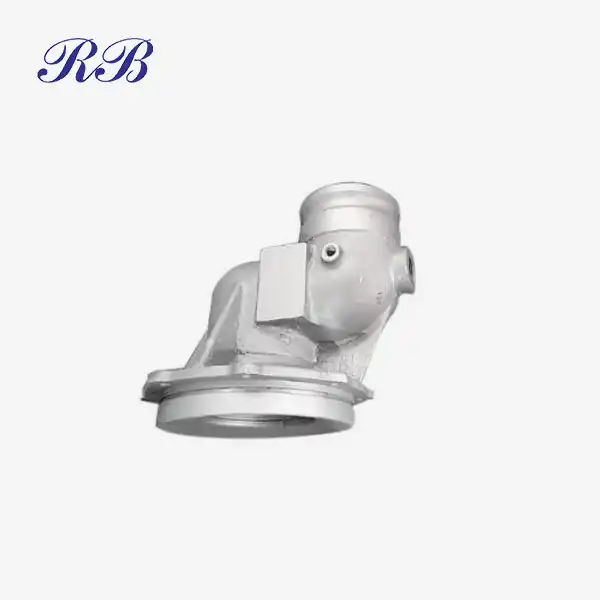
More and more, water pumps, thermostat housings, and heat transfer manifolds in thermal control systems are made with gravity die cast aluminum. A356 aluminum alloy is perfect for these uses because it is sealed against pressure, doesn't rust, and transfers heat well. Aluminum's strength-to-weight ratio makes chassis parts like suspension braces, steering knuckles, and brake callipers stronger while also lowering unsprung mass and making the car more responsive.
Gravity die cast housings are used by electric car makers for motor controls, battery enclosures, and structural parts of three-electric systems. The method can make thin-walled sections with built-in mounting features, which allows for compact packaging while keeping the performance of electromagnetic shielding and heat dissipation.
Emerging Material Trends
The car industry's focus on environment encourages the use of recycled aluminum alloys that don't lose much performance. In non-critical applications, A356 aluminum alloy can handle up to 70% recycled content, which lowers its carbon footprint while keeping its mechanical properties. Post-consumer aluminum scrap from old cars comes back into the supply chain, which is good for the cycle economy and OEMs that care about the environment. For many structural and chassis components, gravity casting parts made from these recycled alloys offer an ideal balance of cost efficiency and mechanical integrity, as the controlled filling process reduces porosity and ensures consistent wall thickness without requiring the high energy input of high-pressure die casting.
Magnesium metals, which are 35% less dense than aluminum, are the next big thing in making things very light. Some technical problems with magnesium casting include the fact that it can catch fire and rust. However, these problems are being fixed by new material developments, which will allow magnesium to be used in more secondary structure uses.
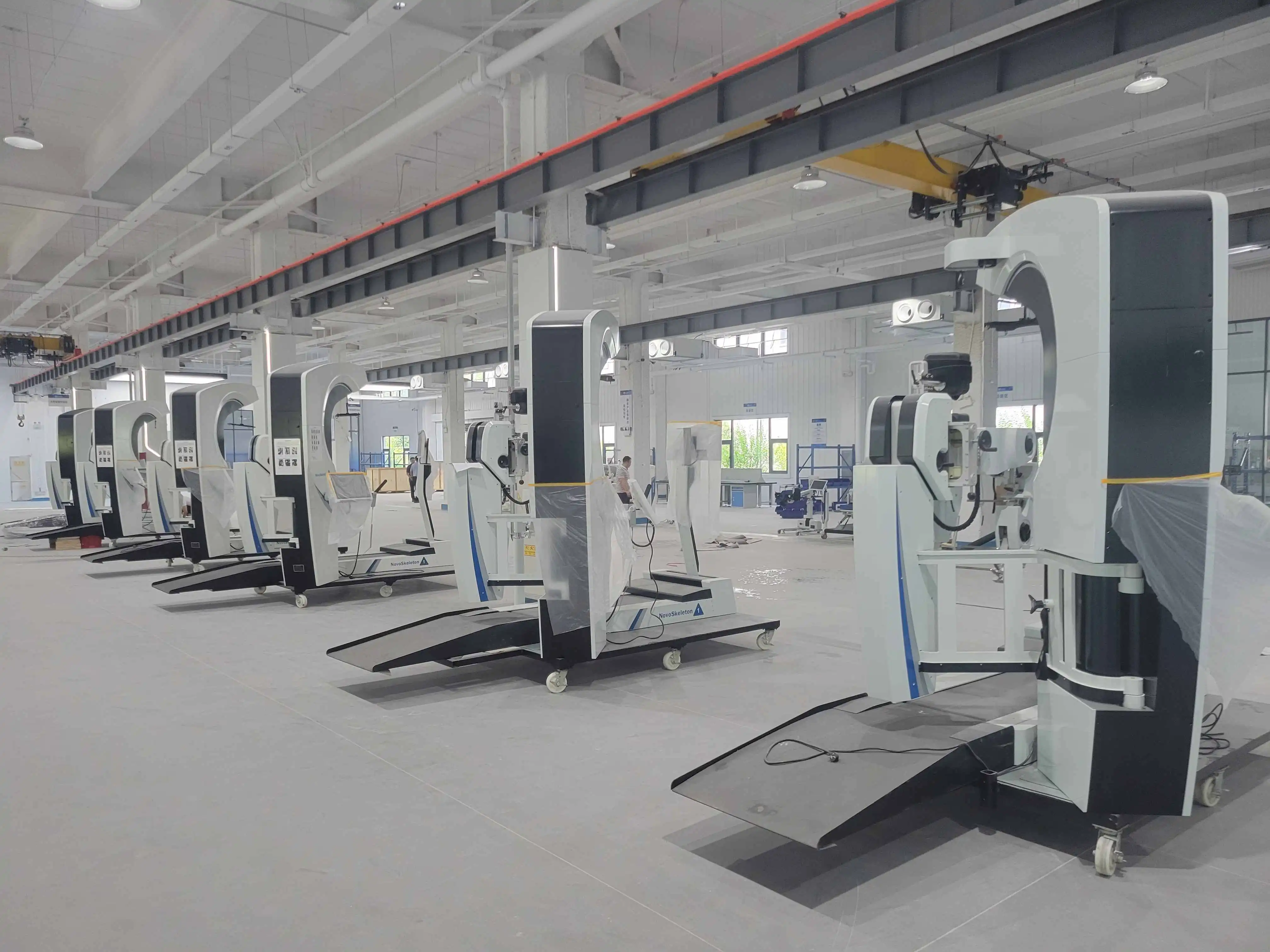
Strategic Sourcing Approaches
To balance supply security with affordable pricing, automotive procurement teams should come up with two-source plans for key parts. Suppliers can invest in dedicated tools and process optimisation when they have long-term agreements with volume commitments. This leads to continuous improvements in both quality and cost. Working together with manufacturers in the early stages of design leads to parts that are optimised for casting, which often lowers weight and cost while also making it easier to make.
Technology relationships with casting experts open up new ideas. For example, our engineering team has 20 years of experience with gravity die casting and can help with design-for-manufacturing, which keeps prototypes from needing expensive redesigns. We support concurrent engineering methods, which involve making quick changes to mold designs based on the results of fill simulations and prototype tests.
Conclusion
For automotive use, gravity die cast parts offer the best balance of quality, cost-effectiveness, and production scalability. Using materials like A356 aluminum alloy, the process makes parts with a smooth surface, tight limits on size, and great mechanical qualities. Compared to other casting methods, gravity die casting fills a useful gap—it provides better quality than sand casting at lower costs than investment casting, and it can maintain the integrity of the metal better than pressure die casting. To do good buying, you need to look at more than just the initial piece price when judging providers. You should look at their certifications, production capacity, ability to work together technically, and total cost of ownership. When sourcing gravity casting parts, particular attention should be paid to the supplier's experience with thin-walled geometries and heat-treatment protocols, as these factors directly influence final performance. As car technology moves toward electric motors and lighter materials, gravity casting's versatility makes it a good choice for more uses in next-generation cars.
FAQ
1. What advantages do gravity die cast parts offer for automotive applications?
Gravity die cast automobile parts have a number of important advantages that make them appealing for making current cars. The process makes parts with a very smooth surface, usually reaching Ra 3.2 μm roughness without any extra finishing. Critical parts have dimensional accuracy of ±0.2mm, which means they don't need to be machined as much and don't cost as much. The careful filling process reduces the number of holes, which lets the metal be heated to the T6 condition for maximum strength—the A356 aluminum alloy can reach 280 MPa tensile strength. For applications that contain fluids, the parts stay pressure-tight, and they can be welded together for assembly tasks. The fixed metal molds make it possible to make identical parts over and over again, which is very important for making a lot of cars where the difference in quality has to stay below 50 PPM.
2. How does material selection impact gravity casting performance?
The A356 aluminum alloy is the most popular choice for car gravity casting because it is the best mix of being fluid when poured, strong after heat treatment, and resistant to rust in service. The 7% silicon content of the metal makes it easier to fill molds while still being easy to machine for work done after casting. The material's high strength-to-weight ratio is shown by parts that weigh about 2.3 kg. This lowers the vehicle's mass while keeping its structural integrity. For uses that need to be very light, magnesium alloys are a good choice because they save 35% more weight than other materials. Copper alloys are another option for electrical parts that need to be strong and carry electricity well.
3. What certifications should automotive buyers require from gravity casting suppliers?
When buying cars, people who care about quality should make sure that the sellers they choose have ISO9001:2015 certification, which shows that they have strong quality control systems. An ISO14001 certification for the environment guarantees eco-friendly production methods, and an ISO45001 certification guarantees a commitment to worker safety. For direct OEM supply to the automotive industry, IATF16949 certification is needed. This adds requirements specific to the automotive industry, such as PPAP documentation, FMEA analysis, and advanced product quality planning processes. Buyers should check the supplier's facilities to make sure they actually follow the rules, not just make sure the certificate is valid. They should look at the calibration of inspection equipment, process control documentation, and corrective action systems.
Partner with Rongbao Enterprise for Precision Gravity Casting Parts
Rongbao Enterprise is ready to help you with your needs for car parts. They have a wide range of gravity die casting skills and have been making high-quality products for 20 years. Our Xi'an plant uses modern casting technology along with CNC machining and shot blasting as a post-treatment to make sure that the finished parts meet the strictest requirements. We keep three certifications up to date: ISO9001:2015, ISO14001, and ISO45001. This makes sure that our quality stays high and our business runs smoothly. We are a reliable gravity casting parts supplier for customers who need precise aluminum parts. We can make up to 5,000 pieces per month and offer full OEM/ODM customisation. From the first design to full-scale production, our technical team works together to make sure that parts are castable and meet your performance goals. Email steve.zhou@263.net or zhouyi@rongbaocasting.com to talk about your unique needs and find out how our knowledge can help you make your supply chain more reliable. You can see all of our services and get a detailed quote for your next project by going to rongbaocasting.com.
References
1 .American Foundry Society. (2021). Aluminum Casting Technology Handbook. Des Plaines, IL: American Foundry Society.
2. Campbell, J. (2015). Complete Casting Handbook: Metal Casting Processes, Metallurgy, Techniques and Design (2nd ed.). Oxford: Butterworth-Heinemann.
3. ASM International. (2018). Casting Design and Performance. Materials Park, OH: ASM International.
4. Kaufman, J.G., & Rooy, E.L. (2004). Aluminum Alloy Castings: Properties, Processes, and Applications. Materials Park, OH: ASM International.
5. Society of Automotive Engineers. (2019). Automotive Casting Quality Requirements Standard. Warrendale, PA: SAE International.
6. Jorstad, J.L., & Apelian, D. (2009). "Pressure-Assisted Processes for High-Integrity Aluminum Castings." International Journal of Metalcasting, 3(2), 19-38.
Learn about our latest products and discounts through SMS or email