- English
- French
- German
- Portuguese
- Spanish
- Russian
- Japanese
- Korean
- Arabic
- Greek
- German
- Turkish
- Italian
- Danish
- Romanian
- Indonesian
- Czech
- Afrikaans
- Swedish
- Polish
- Basque
- Catalan
- Esperanto
- Hindi
- Lao
- Albanian
- Amharic
- Armenian
- Azerbaijani
- Belarusian
- Bengali
- Bosnian
- Bulgarian
- Cebuano
- Chichewa
- Corsican
- Croatian
- Dutch
- Estonian
- Filipino
- Finnish
- Frisian
- Galician
- Georgian
- Gujarati
- Haitian
- Hausa
- Hawaiian
- Hebrew
- Hmong
- Hungarian
- Icelandic
- Igbo
- Javanese
- Kannada
- Kazakh
- Khmer
- Kurdish
- Kyrgyz
- Latin
- Latvian
- Lithuanian
- Luxembou..
- Macedonian
- Malagasy
- Malay
- Malayalam
- Maltese
- Maori
- Marathi
- Mongolian
- Burmese
- Nepali
- Norwegian
- Pashto
- Persian
- Punjabi
- Serbian
- Sesotho
- Sinhala
- Slovak
- Slovenian
- Somali
- Samoan
- Scots Gaelic
- Shona
- Sindhi
- Sundanese
- Swahili
- Tajik
- Tamil
- Telugu
- Thai
- Ukrainian
- Urdu
- Uzbek
- Vietnamese
- Welsh
- Xhosa
- Yiddish
- Yoruba
- Zulu
What is the best material for a driveshaft?
When engineers and procurement managers choose materials for driveshafts, they look at a number of performance factors to make sure they will work reliably in harsh operating conditions. The best material for your application will rely on its needs, but stainless steel drive shafts are becoming more and more popular in markets that need products that are resistant to rust, strong, and long-lasting. Carbon steel is still used for things that need to be cheap, but aluminium is better for performance vehicles because it is lighter. Titanium is expensive, but it works well in high-performance aircraft and racing uses. When it comes to strength-to-weight ratio, environmental resistance, and total lifetime value, each material has its own pros and cons that have an effect on how well it works and how often it needs to be maintained.
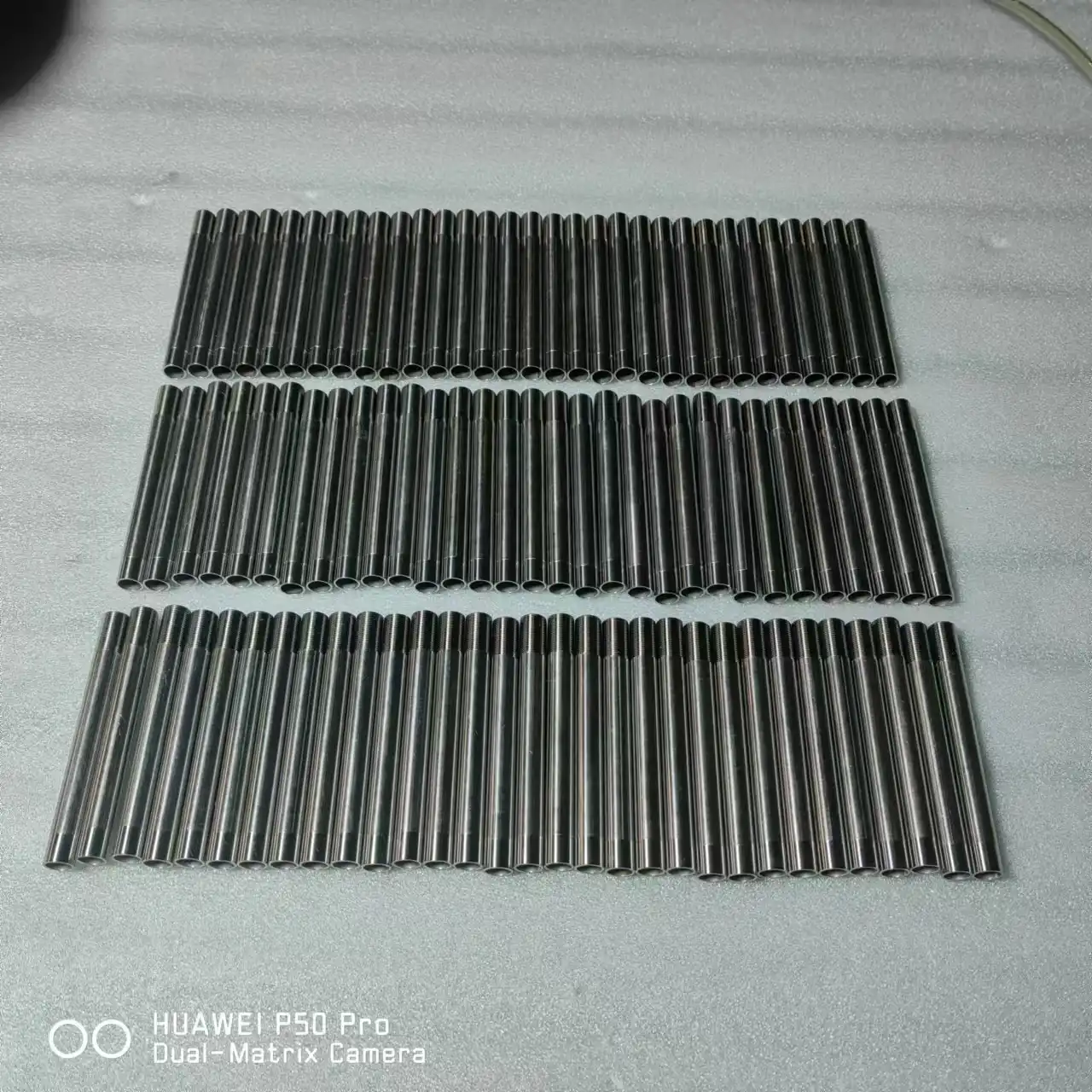
Understanding Driveshaft Materials – Properties and Applications
Before you can choose the right material for your driveshaft, you need to know how different metals handle pressure in real life. Materials science has a direct effect on how well torque is transmitted, how stable rotation is, and how long parts last in both industrial and automotive systems.
Steel Variants in Driveshaft Manufacturing
Carbon steel has been the main material used to make driveshafts for many years because it is strong enough to hold its shape and doesn't cost too much. Manufacturers usually use SAE 1045 or similar types that have yield strengths above 400 MPa and can still be machined. But in humid or marine environments, carbon steel needs protective coatings, which adds to the maintenance that needs to be done. Because they are made of chromium and nickel, stainless steel types 304 and 316 don't rust. This makes them perfect for chemical processing equipment, naval propulsion systems, and food-grade machinery that could get contaminated. About 18% of the 304 grade is chromium and 8% is nickel. These metals combine to form an inactive oxide layer that fixes itself when it gets scratched, unlike painted carbon steel surfaces that break down when they get damaged.
Aluminum and Titanium Alternatives
When compared to steel driveshafts, aluminium ones have about half as much rotational torque, which makes high-performance cars accelerate more quickly. This weight loss is especially helpful for electric cars, where each kilogram affects the battery range. Aviation-grade 6061-T6 aluminium is strong enough for many uses and has a density of about 2.7 g/cm³, while steel has a density of 7.85 g/cm³. Titanium alloys, such as Ti-6Al-4V, have great strength-to-weight ratios and are more resistant to corrosion than stainless steel. However, because they are so expensive to make, they are only used in aerospace parts and high-end racing applications where the budget can handle 10-15 times higher material costs. For applications that demand superior durability in harsh environments without the extreme cost of titanium, a stainless steel drive shaft remains a compelling choice, offering excellent corrosion resistance and fatigue strength while still providing a more affordable alternative to exotic alloys.
Application-Specific Material Selection
Durability and temperature resistance are important to people who work with industrial machinery. This is why stainless steel parts are needed for pump systems that deal with corrosive fluids or that have to work in temperatures ranging from -40°C to 400°C. Cost and performance standards are weighed by automakers. Passenger cars usually use carbon steel with protective coatings, while industrial trucks that work along the coast are increasingly asking for stainless steel to cut down on replacement rounds. Stainless steel or special bronze alloys are the only materials used in marine power systems because carbon steel quickly breaks down in saltwater, even with protection treatments.
Comparing Driveshaft Materials – Stainless Steel vs Other Options
When comparing materials, you need to look at more than one performance metric at the same time, not just the original buy cost. The total cost of ownership includes the risks of early failure, installation, and how often the product needs to be maintained.
Mechanical Strength and Fatigue Resistance
Depending on how it is heated, stainless steel 304 has tensile strengths between 507 and 750 MPa, while carbon steel has strengths between 570 and 700 MPa in the same cross-sections. The main difference is in how long they can hold up against fatigue. Under cyclic loading, stainless steel keeps about 35–45% of its tensile strength, while carbon steel only keeps 30–40%. This means that parts will need to be serviced less often in places where there is constant vibration or rotational stress. Because aluminium has a lower tensile strength (310 MPa), it needs bigger diameter shafts to send the same amount of torque. This could cancel out any weight benefits in installations with limited room. Titanium has a tensile strength of 900 MPa or more, which means it can have the tiniest cross-sections. However, it is weak, so engineers have to be very careful to avoid stress concentration failures.
Corrosion Performance Across Environments
Environmental resilience often has a bigger effect on total lifetime costs than starting material prices. Every 18 to 24 months, carbon steel driveshafts in factories near the coast need to be recoated, which means taking them apart, cleaning the surface, and stopping production. Maintenance-free stainless steel parts work for 10 years or more in the same conditions, cutting down on labour costs and production delays. When chemical processing plants use stainless steel for rotating equipment that comes into contact with acidic condensates or cleaning agents, they report 60–70% lower maintenance costs over five years. In marine applications, the differences are even more noticeable. Protective coatings on carbon steel shafts may need to be replaced within two to three years, while installations made of stainless steel usually last longer than fifteen years. For vessel propulsion and deck machinery, a stainless steel drive shaft delivers the same corrosion resistance and extended service life, eliminating the recurring recoating cycle and ensuring reliable power transmission even in saltwater environments.
Weight Considerations and Performance Impact
Losing weight has different effects on different uses. Aluminium driveshafts are very helpful for racing cars because they lower unsprung mass and rotating drag, which makes the cars easier to control and faster. On the other hand, reducing the weight of big industrial equipment doesn't improve its performance much, so cost-effective carbon steel is better unless rust is a problem. Manufacturers of electric vehicles carefully consider the trade-off between stainless steel's durability and aluminum's lighter weight. Better battery range from less mass must be able to support higher upkeep costs or shorter replacement intervals.
How to Choose the Best Driveshaft Material for Your Needs?
A structured review framework helps purchasing teams match the materials they choose with what they need to do their jobs, while also keeping an eye on budgets and suppliers' abilities.
Operational Parameters Assessment
Start by writing down the power gearbox needs, the fastest rotational speeds, and the number of hours per year that the machine is supposed to be used. When used continuously, driveshafts that transmit more than 500 Nm need materials that have been shown to be resistant to fatigue and have the right safety factors. When rotating at speeds higher than 3,000 RPM, exact balancing is needed no matter what material is used. However, the density of the material affects how bad the effects of imbalance are—lighter aluminium failures have less destructive force than steel versions. Temperature ranges, humidity levels, chemical exposure potential, and contamination sensitivity must all be included in environmental assessments. The pharmacy and food processing businesses have to follow extra rules that require materials that don't let bacteria grow and can handle frequent cleaning.
Cost-Benefit Analysis Over Component Lifecycle
Total ownership costs, not just material prices, should be used to make procurement decisions. Even though a stainless steel drive shaft costs 40–60% more than a carbon steel one at first, it usually ends up costing less over its lifetime because it doesn't need to be coated as often, lasts longer, and requires less downtime. Find the net present value of the repair work, output stops, and replacements that will need to be made over the expected equipment's lifetime. Applications that need to be accessed by platforms or tight spaces see the most benefit from long-lasting materials that require little maintenance. When making a budget, you also need to think about how much it will cost to repair something in an emergency. This is because unplanned failures during busy production times cost a lot more than planned upkeep.
Supplier Evaluation and Quality Assurance
If you don't have reliable manufacturing partners who can consistently produce high-quality goods, material selection is just an idea. Check that potential suppliers have the right certifications. For example, ISO 9001:2015 guarantees systematic quality management, and IATF 16949 for the automotive industry or AS9100D for the aerospace industry show that they can work in tough environments. For each production batch, you should ask for material certificates that list the chemicals used and their mechanical qualities. Value-added services like CNC machining, surface treatments, and dimensional inspection from suppliers make the supply chain simpler and lower quality risks. Check to see if the supplier can meet your specific needs and work with you as an OEM during the design process. Getting engineers involved early on can help you avoid expensive redesigns.

Conclusion
Choosing the right material for driveshafts means finding a balance between mechanical performance, resistance to the environment, and lifecycle economics that are in line with the needs of the operation. In harsh settings, stainless steel solutions are more durable and resistant to corrosion, which justifies their higher costs. On the other hand, carbon steel is still a good choice for safe uses that want to save money at first. Even though it's not very strong, aluminium is used in situations where weight is important, and titanium is used when budgets allow for extreme performance needs. A good procurement process combines scientific needs with the supplier's skills, quality certifications, and a study of the total ownership cost to make sure that the equipment works well for its whole time. For applications requiring both torsional strength and long-term corrosion resistance in marine or chemical environments, a stainless steel drive shaft offers the most reliable service life, reducing unplanned downtime and replacement frequency despite its higher upfront material cost.
FAQ
1. What advantages do stainless steel driveshafts offer over carbon steel?
The rust resistance of stainless steel is so high that protective coating upkeep is not needed. It also has better fatigue endurance, which means that service times are longer, and it stays stable at higher temperatures across a wider range of working temperatures. Even though they cost more to buy at first, these qualities lower the total cost of ownership in wet, chemical, or marine settings.
2. Can stainless steel driveshafts be customized for specific automotive applications?
Manufacturers allow for a lot of customisation, such as choosing the diameter, length, end fitting configurations, and surface treatments that meet OEM needs. CNC machines can precisely cut splines, mill keyways, and make mounting hole patterns that work with a wide range of vehicle platforms and drivetrain architectures.
3. How do the upkeep needs of stainless steel compare to those of other materials?
Stainless steel doesn't need much maintenance other than checking and greasing the coupling parts every so often. Carbon steel needs to have its coating checked and refinished on a regular basis, while aluminium needs to be handled carefully so that the surface doesn't get damaged. The inactive oxide layer in stainless steel fixes small scratches on its own, keeping rust protection throughout its service life without any help from the user.
Partner with Trusted Stainless Steel Drive Shaft Manufacturers
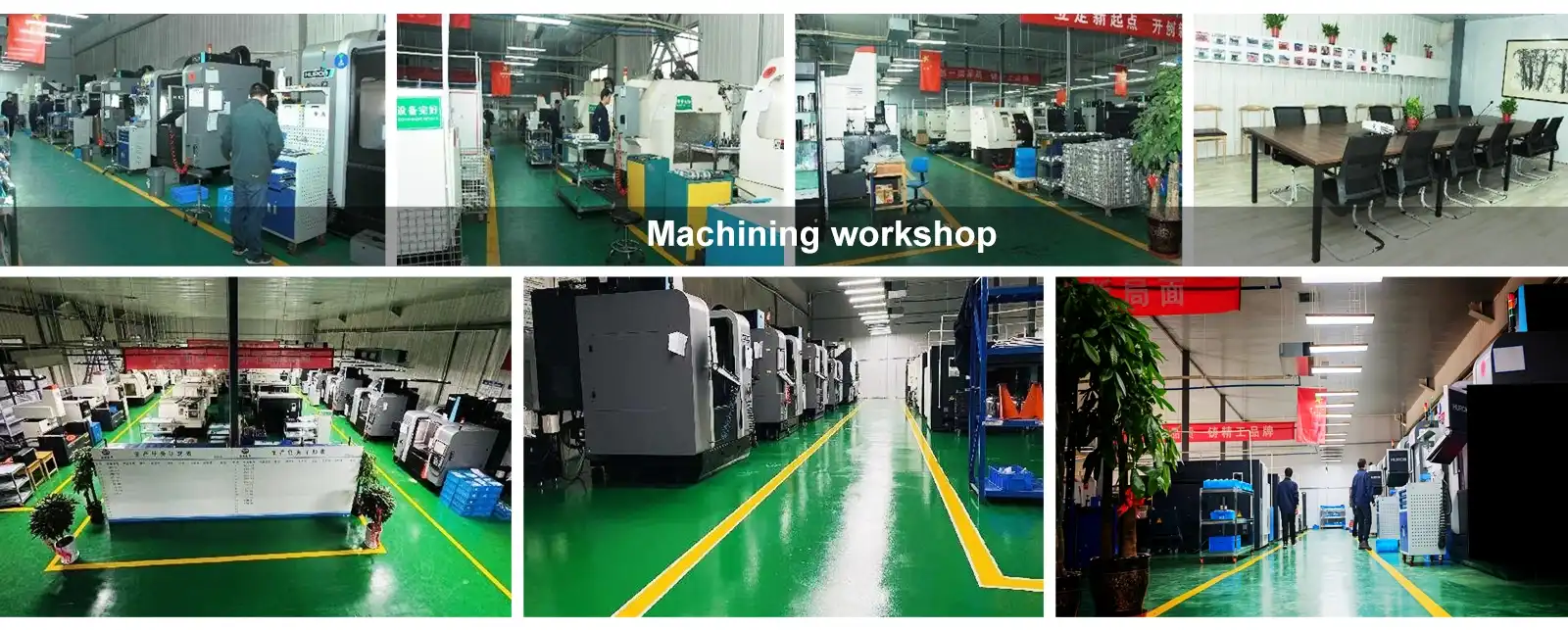
To get the best performance from your motor, you need to work with experienced makers who can make precision-engineered parts that meet strict quality standards. Rongbao Enterprise has been making high-quality products for 20 years and has many standards, such as ISO 9001:2015, ISO 14001, and ISO 45001, which proves that they are always committed to quality and the environment. We can do everything from high-pressure die casting to gravity casting to CNC machining and specialised surface treatments like shot blasting. We can meet your needs from the initial planning phase through mass production. Our facility in Xi'an, China, serves markets around the world. About 70% of our exports go to Europe, the United States, and Japan, showing that our quality is recognised around the world. The ability to make up to 5,000 pieces per month with specs that can be changed to fit both small-scale prototype development and large-scale buying needs. Our engineering team works together to help you choose the best materials and make the best designs, whether you need drivetrain parts for making cars, industrial machinery, or specialised equipment. Get in touch with our purchasing experts at steve.zhou@263.net or zhouyi@rongbaocasting.com to talk about your needs for a stainless steel drive shaft and get detailed quotes that fit your business requirements and delivery plans.
References
1. Davis, J.R. (2018). Stainless Steels: Properties and Selection, ASM International Materials Engineering Handbook, 6th Edition.
2. Society of Automotive Engineers (2020). SAE J1664: Universal Joints and Driveshafts - Nomenclature - Terminology - Application, SAE Mobility Standards.
3. Bhandari, V.B. (2017). Design of Machine Elements, 4th Edition, McGraw-Hill Education, Chapters on Shaft Design and Material Selection.
4. American Iron and Steel Institute (2019). Stainless Steel in Automotive Applications: Performance and Lifecycle Benefits, Technical Report Series.
5. Callister, W.D. & Rethwisch, D.G. (2020). Materials Science and Engineering: An Introduction, 10th Edition, Wiley Publishing, Mechanical Properties Analysis.
6. National Association of Corrosion Engineers (2021). Corrosion Resistance of Stainless Steels in Industrial Environments, NACE International Technical Publication.
Learn about our latest products and discounts through SMS or email