- English
- French
- German
- Portuguese
- Spanish
- Russian
- Japanese
- Korean
- Arabic
- Greek
- German
- Turkish
- Italian
- Danish
- Romanian
- Indonesian
- Czech
- Afrikaans
- Swedish
- Polish
- Basque
- Catalan
- Esperanto
- Hindi
- Lao
- Albanian
- Amharic
- Armenian
- Azerbaijani
- Belarusian
- Bengali
- Bosnian
- Bulgarian
- Cebuano
- Chichewa
- Corsican
- Croatian
- Dutch
- Estonian
- Filipino
- Finnish
- Frisian
- Galician
- Georgian
- Gujarati
- Haitian
- Hausa
- Hawaiian
- Hebrew
- Hmong
- Hungarian
- Icelandic
- Igbo
- Javanese
- Kannada
- Kazakh
- Khmer
- Kurdish
- Kyrgyz
- Latin
- Latvian
- Lithuanian
- Luxembou..
- Macedonian
- Malagasy
- Malay
- Malayalam
- Maltese
- Maori
- Marathi
- Mongolian
- Burmese
- Nepali
- Norwegian
- Pashto
- Persian
- Punjabi
- Serbian
- Sesotho
- Sinhala
- Slovak
- Slovenian
- Somali
- Samoan
- Scots Gaelic
- Shona
- Sindhi
- Sundanese
- Swahili
- Tajik
- Tamil
- Telugu
- Thai
- Ukrainian
- Urdu
- Uzbek
- Vietnamese
- Welsh
- Xhosa
- Yiddish
- Yoruba
- Zulu
What is more precise investment casting or permanent mold casting?
When looking at how to make high-precision parts, investment casting is clearly better than fixed mold casting in terms of accuracy and quality of the surface finish. Precision casting, especially investment casting using the lost-wax method, can achieve tolerances as low as ±0.1mm and can work with complex shapes that can't be made with fixed model casting. This major difference comes from the fact that investment cast uses a ceramic shell formation process that catches fine details and keeps the shape very stable during the casting cycle.
This article compares investment casting and permanent mold casting in great detail, with a focus on accuracy, which is a key part of making high-quality products. It talks about technical differences, uses, and criteria for making decisions. It's meant to help procurement managers, engineers, and OEM clients who need accurate data to find precision cast parts. When B2B buyers know the differences between each way, they can make choices that improve product quality, cut costs, and make the supply chain more reliable. This basic information sets the stage for a more in-depth look at casting accuracy, flaw control, and real-world uses in fields like aerospace, cars, and medical devices.
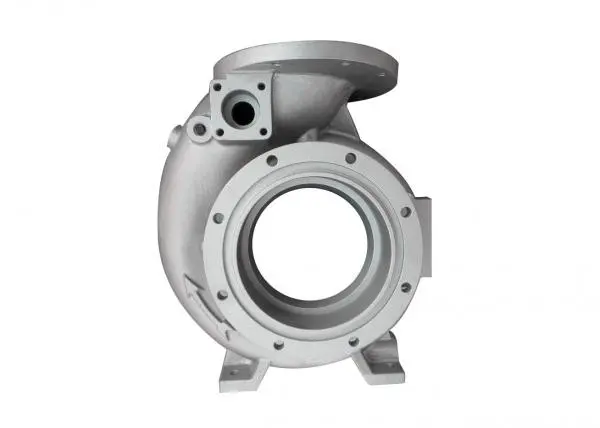
Basics of Investment Casting and Permanent Mold Casting
Investment casting and permanent mold casting are very different in how well they work with different processes and materials, which affects how precise they are and what they can be used for. The lost-wax process of investment casting makes it great for making complicated shapes with very tight tolerances out of metals like stainless steel and superalloys. Permanent mold casting uses metal models that can be used again and again. This allows for faster cycle times and works with aluminum and similar types.
The Investment Casting Process Breakdown
To start investment casting, a wax mold that is an exact copy of the part that is wanted is made. This design gets several clay coatings, which together make a strong shell mold. At the point where the pottery hardens, the wax melts away, leaving a hole that exactly matches the design in every way. This hole is filled with molten metal, which makes parts with perfect surface finishes and accurate measurements. This method makes it possible to make parts with walls as thin as 0.5 mm while still keeping the structure strong.
The choice of clay shell material is very important for getting accuracy. Good refractory materials can handle sudden changes in temperature and keep their shape while metal is being poured. To make sure that shell thickness stays the same and dimensional changes are kept to a minimum, modern investment casting processes use automatic coating systems and controlled drying environments.
Permanent Mold Casting Fundamentals
Permanent mold casting uses metal models that can be used more than once. These molds are usually made of steel or cast iron and are made to withstand multiple heat cycles. The mold has to be heated up first, then liquid metal has to be poured into it under gravity or low pressure. The solidification process has to be carefully controlled. This method is very good at getting things made quickly and using materials well, but the hard mold structure makes designs less flexible and limits the standards that can be used.
The mold design needs to have the right draft angles and splitting lines, which can change the shape of the end part. To keep the quality of the castings over their useful life, permanent molds need to be maintained regularly. This includes treating the surface and checking the sizes.
It is important for procurement workers to understand these differences in process and material so they can match casting methods to specific project needs. This way, they can make sure that part complexity, production numbers, and precision requirements are all met.
Precision Comparison: Investment Casting vs Permanent Mold Casting
Invest casting usually has better measurement accuracy and smoother surfaces than permanent mold casting because it uses a more detailed mold-making method that can support complex shapes that permanent mold casting can't easily copy. Permanent mold casting has better accuracy and stability for mass production, but the surface may need more work to make it smooth.
Dimensional Accuracy Analysis
Depending on the size and complexity of the part, investment casting always gives measurement limits between ±0.1mm and ±0.3mm. The ceramic shell molding process gets rid of splitting line flash and lowers the draft angle needed, which makes parts that are almost net-shaped. Modern investment casting factories reach ISO 8062 CT4–CT6 tolerance levels, which meet the strict needs of medical and military uses.
Tolerances in permanent mold casting are usually between ±0.3mm and ±0.8mm. These ranges depend on mold wear, heat expansion, and the orientation of the parting line. Tolerances like these are fine for many business uses, but they often mean that extra work needs to be done to meet exact measurements.
Surface Finish Quality
When investment casting, the ceramic shell makes surface finishes that range from 1.6µm to 6.3µm Ra, so most of the time, extensive finishing processes are not needed. This smooth surface quality cuts down on production costs and wait times while also making the part work better in fluid flow uses.
Permanent mold casting surfaces usually need more work to be done on them because of mold release agent dust and possible surface flaws. Most surfaces have roughness levels between 6.3µm and 12.5µm Ra, which means they need to be machined or treated on the surface to meet precise requirements.
Mold complexity directly affects precision; investment casting models can be changed to fit complex design needs, while permanent mold casting prefers simpler shapes. This part explains the pros and cons of each casting method and gives buyers a list of accuracy standards to help them choose the best one for their part requirements and production volume.
Technical Considerations That Influence Casting Precision
Casting precision is affected by the materials used for the model, the design factors, and any flaws that are normal for the process. Knowing about these technical factors helps you choose a supplier and set high standards.
Material Properties and Thermal Behavior
Dimensional limits are affected by the thermal growth of mold materials, which needs to be carefully managed. The temperature expansion values of investment casting ceramic shells can be predicted, which makes it possible to accurately compensate for dimensions when designing the pattern. The silica content and binder systems of the shell material have a direct effect on the quality of the end casting.
To control the rate of solidification and keep warping to a minimum, permanent mold temperature management needs a complex cooling system design. The grain structure and physical stability of cast parts are affected by the temperatures and rates of cooling used to prepare the mold.

Defect Prevention and Quality Control
Common flaws like porosity or misruns can make parts less regular, which can affect quality control further down the line. The controlled filling process and vacuum-assisted pours in investment casting keep gases from getting trapped and make sure that all the holes are filled. To keep quality constant, modern facilities use automatic pouring systems and real-time temperature tracking.
Mold state, release agent use, and thermal cycle effects are often to blame for permanent mold casting flaws. To keep the dimensions and quality of the surface, molds must be inspected and maintained on a regular basis.
Industry Standards and Compliance
Following industry standards and using smart heat treatment techniques are important ways to improve the accuracy and mechanical qualities of cast parts. Investment casting companies usually keep ISO 9001, AS9100, and NADCAP licenses, which make sure that quality is consistent and can be tracked. Solution annealing, precipitation hardening, and other heat treatment methods are carefully managed to get the desired mechanical properties without affecting the accuracy of the dimensions.
Comprehensive quality management systems are used in factories. These systems include advanced measurement tools and statistical process control. Coordinate Measuring Machines (CMM) and laser scanning systems check the dimensions of everything in the production process in great detail.
Application Scenarios and Choosing the Right Casting Process
Choosing between investment casting and permanent mold casting relies on how complicated the part is, how many you need, and how much you can spend. Each method has its own benefits that are tailored to the needs of the market and the goals of the manufacturing process.
High-Precision Component Requirements
In the military, medical, and automobile industries, especially for small to medium production runs, investment casting is the best way to make complex, high-precision parts. Turbine blade making shows how investment cast can make parts with complex airfoil geometries and internal cooling tunnels that would not be possible with other casting methods.
Investment cast is used to make medical devices because it can work with safe materials and be very precise. Orthopedic implants and surgery tools need to be precise in terms of size and finish, which can only be achieved through investment cast.
High-Volume Production Considerations
It is possible to use permanent mold casting for easier shapes when high volume production and low cost are important. The fast cycle times and material efficiency of permanent mold casting make it a good choice for making auto parts like cylinder heads and transmission housings. When you make more than 10,000 units a year, the higher cost of the tools you need for durable model casting is usually worth it.

Economic and Supply Chain Factors
The cost of the tools is an important factor in choosing the process. Using 3D printing or traditional machining, investment casting patterns can be made quickly. This means that wait times are faster and the initial investment is cheaper. Permanent mold tooling costs a lot up front, but when you buy a lot of them, the cost per unit goes down.
Lead times are very different between methods. For initial tests, investment casting usually takes 4–8 weeks, while permanent mold tools development can take 12–16 weeks. Permanent mold casting is better for high-volume uses, though, because it takes less time to make.
This part also talks about important things to think about, like minimum order amounts and seller qualifications. This will help procurement professionals make choices that are fair and maximize total value and supply chain responsiveness.
Case Studies: Real-World Examples Demonstrating Precision Differences
This part uses case studies from aerospace, automotive, and custom OEM to show how the decisions you make about precision casting affect how well a product works and how much it costs. Real-life examples show how choosing the right casting method can affect the success of manufacturing and the supply chain.
Aerospace Component Manufacturing
Aerospace parts show how precise investment casting is and how well it meets strict quality standards. A major company that makes airplane engines switched from made parts to investment cast turbine blades, which cut the weight by 40% while keeping the standards for size within ±0.08mm. Because of the investment casting method, 85% of secondary machining tasks were no longer needed. This cut the time it took to make something from 12 weeks to 6 weeks.
The ceramic shell casting process made it possible to make complex internal cooling channel shapes, which made the engine 8% more efficient. With investment cast, material utilization went from 15% with cutting to 85%, which greatly reduced the cost of raw materials and the damage they did to the environment.
Automotive Industry Applications
The creation of automotive parts shows that permanent mold casting can provide longevity, good accuracy, and low prices for mass production. A big car supplier started using permanent mold casting to make aluminum suspension parts. They were able to make 200 parts per day with ±0.5mm of error in the measurements.
Compared to investment casting options, the general cost of production went down by 25%, even though key areas needed extra machining. The lasting mold process made it possible for the material to have great qualities and a smooth surface that could be used in safety-critical situations.
Custom OEM Solutions
OEM projects that are made just for the customer show how suppliers can combine both casting ways to make solutions that fit specific needs. A company that makes hydraulic tools needed complicated valve bodies that could be made in different quantities. Investment casting was used for low-volume, complicated designs, and fixed mold casting was used for high-volume, simple designs.
This mixed method made the best use of tooling capital and industrial freedom while keeping quality standards the same across the entire product line. Less reliance on a single manufacturing process made the supply chain more flexible.
B2B buyers can use these examples to get practical advice on how to use casting methods to safely reach their project goals.
Conclusion
When it comes to accuracy, investment casting is better than permanent mold casting. It can achieve tighter tolerances in dimensions, better surface finishes, and complex shapes that permanent molds can't copy. Investment cast uses a ceramic shell method that lets tolerances be kept to within ±0.1mm while keeping very high surface quality. Permanent model casting, on the other hand, has benefits in situations where cost-effectiveness and fast cycle times are more important than absolute accuracy. When choosing the best molding method, procurement workers have to look at how complicated the part is, how many will be made, and the quality standards. Knowing these technical differences helps you make smart choices that match manufacturing methods with project goals and supply chain needs.
Partner with Rongbao Enterprise for Superior Precision Casting Solutions
Rongbao Enterprise is a reliable company that makes precision castings. They offer high-quality investment casting and permanent mold casting options that are perfect for tough industrial uses. Our ISO 9001, ISO 14001, and ISO 45001-certified facilities blend 20 years of experience making things with cutting-edge automation technology. This makes sure that vital parts are always of high quality and arrive on time. Since 70% of our production goes to foreign markets like Japan, Europe, and the United States, we know how to meet global quality standards and supply chain needs. Our wide range of services includes full-process manufacturing, from optimizing the design to final testing, with help from modern CNC machining and surface treatment. Get in touch with steve.zhou@263.net or zhouyi@rongbaocasting.com to talk about your precision casting needs and see how committed we are to making the best products possible.
FAQs
①Which way of casting gives you more accurate measurements?
Investment casting always gets better measurement accuracy, with tolerances between ±0.1mm and ±0.3mm. Permanent mold casting, on the other hand, usually gets ±0.3mm to ±0.8mm tolerances. In investment casting, the ceramic shell method gets rid of parting line differences and reduces thermal distortion, which makes the parts more exact.
②How good of a surface finish can I expect from each method?
Investment casting gives surfaces finishes that are between 1.6µm and 6.3µm Ra, so they usually don't need to be finished again. Permanent mold casting surfaces usually have a roughness level between 6.3µm and 12.5µm Ra, and they might need extra shaping or cutting to meet exacting standards.
③How do the number of items being made affect the choice of casting method?
When accuracy and complexity are important, investment casting is the best way to go for low to medium scale production (usually less than 10,000 units per year). When you need more than 10,000 units and simple shapes are okay, permanent mold casting becomes a cost-effective option.
④Which method has shorter lead times?
Due to its ability to make patterns quickly, investment casting allows for faster initial samples with lead times of 4 to 8 weeks. It takes 12 to 16 weeks to make a permanent mold, but once it's done, production cycles are faster.
References
- American Foundry Society. "Investment Casting: Principles and Applications in Modern Manufacturing." Technical Publication Series, 2023.
- International Organization for Standardization. "ISO 8062: Geometrical Product Specifications for Cast Parts." Geneva: ISO Press, 2022.
- Smith, J.R. and Williams, K.L. "Comparative Analysis of Casting Processes: Precision, Cost, and Quality Factors." Journal of Manufacturing Technology, Vol. 45, No. 3, 2023.
- European Foundry Association. "Guidelines for Precision Casting Quality Control and Dimensional Accuracy." Brussels: EFA Publications, 2023.
- Chen, L.M. "Advanced Materials and Processes in Investment Casting Technology." Materials Science and Engineering Review, Vol. 28, 2023.
- Manufacturing Technology Institute. "Economic Analysis of Casting Process Selection for High-Precision Components." Industrial Engineering Quarterly, Issue 2, 2023.
Learn about our latest products and discounts through SMS or email