- English
- French
- German
- Portuguese
- Spanish
- Russian
- Japanese
- Korean
- Arabic
- Greek
- German
- Turkish
- Italian
- Danish
- Romanian
- Indonesian
- Czech
- Afrikaans
- Swedish
- Polish
- Basque
- Catalan
- Esperanto
- Hindi
- Lao
- Albanian
- Amharic
- Armenian
- Azerbaijani
- Belarusian
- Bengali
- Bosnian
- Bulgarian
- Cebuano
- Chichewa
- Corsican
- Croatian
- Dutch
- Estonian
- Filipino
- Finnish
- Frisian
- Galician
- Georgian
- Gujarati
- Haitian
- Hausa
- Hawaiian
- Hebrew
- Hmong
- Hungarian
- Icelandic
- Igbo
- Javanese
- Kannada
- Kazakh
- Khmer
- Kurdish
- Kyrgyz
- Latin
- Latvian
- Lithuanian
- Luxembou..
- Macedonian
- Malagasy
- Malay
- Malayalam
- Maltese
- Maori
- Marathi
- Mongolian
- Burmese
- Nepali
- Norwegian
- Pashto
- Persian
- Punjabi
- Serbian
- Sesotho
- Sinhala
- Slovak
- Slovenian
- Somali
- Samoan
- Scots Gaelic
- Shona
- Sindhi
- Sundanese
- Swahili
- Tajik
- Tamil
- Telugu
- Thai
- Ukrainian
- Urdu
- Uzbek
- Vietnamese
- Welsh
- Xhosa
- Yiddish
- Yoruba
- Zulu
How to melt aluminum for casting?
To melt aluminum for casting, it needs to be heated to about 660°C (1220°F) in special furnaces like induction or resistance types. The liquid metal is then carefully put into molds that have already been prepared to make precise parts. To get high-quality results in automobile, aerospace, and industry settings, this aluminum casting method needs to be carefully controlled in terms of temperature, the right flux must be used to get rid of impurities, and safety rules must be followed.
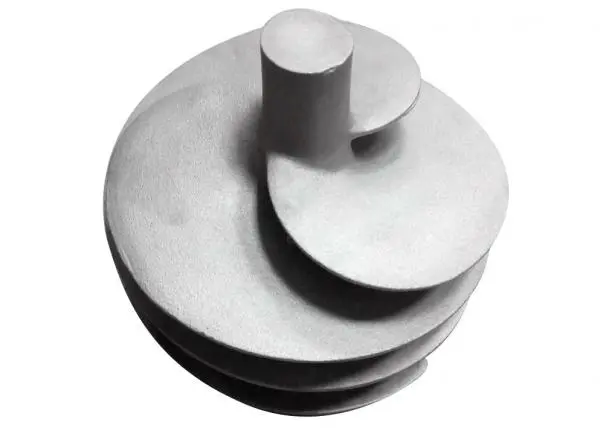
Understanding Aluminum Melting in the Casting Process
Casting aluminum is a complex industrial process in which molten aluminum is carefully poured into mold cavities to make complicated shapes. Different types of industries are affected by this basic process, which affects the quality and technical performance of final parts. The freezing phase is the most important part of the casting process because it affects everything from the accuracy of the dimensions to the qualities of the material.
Properties That Impact Melting Efficiency
It is because of its unique properties that metal is perfect for aluminum casting. Aluminum's melting point is only about 660°C (1220°F), so it needs less energy to make than steel or iron. This lowers costs and has a smaller effect on the environment. Its high thermal conductivity makes heating and cooling more even, which helps keep the grain structure the same throughout the cast part.
With a density of 2.7 g/cm³, aluminum is almost three times lighter than iron. This means that makers can make parts that are lighter without losing strength. This trait is especially useful in the aircraft and car industries, where lighter materials directly lead to better performance and fuel economy.
Common Aluminum Alloys and Their Melting Characteristics
When purchasing goods, procurement workers need to know how different aluminum alloys melt in different ways. The silicon and magnesium in A356 metal melt at around 615°C, and it has great casting qualities and better mechanical properties. A lot of different things, like car wheels, engine parts, and structure parts that need to be strong but light, use this metal.
The 319 metal is easier to work with and stays the same size because it has copper and silicon added to it. Its slightly higher melting point of 605°C makes it perfect for parts like engine blocks and transmission housings that go through a lot of heat cycles. When buying teams know about these alloy-specific traits, they can better match the qualities of materials with the needs of applications.
Step-by-Step Aluminum Melting Process for Casting
To get consistent quality results, melting metal needs to be planned out in an organized way and then carried out precisely. The process starts with carefully choosing and preparing the materials, then moves on to controlled heating stages, and ends with the right pouring methods that reduce flaws and improve the casting's properties.
Raw Material Preparation and Assessment
The right review and preparation of the feedstock is the first step in making a good metal melt. Clean metal ingots give the most accurate results because their makeup is known and there is little chance of contamination. Aluminum and scrap materials that have been recycled can save you money, but they need to be carefully sorted and cleaned to get rid of oils, paints, and other foreign materials that could affect the quality of the aluminum casting.
Preparing a material means getting rid of surface rust, wetness, and other impurities that could cause problems when it melts. Hydrogen absorption, which causes problems with pores in finished casts, can be stopped by storing them properly in dry places. To make sure that suppliers always do a good job, procurement pros should set clear standards for what conditions are accepted for feedstock.
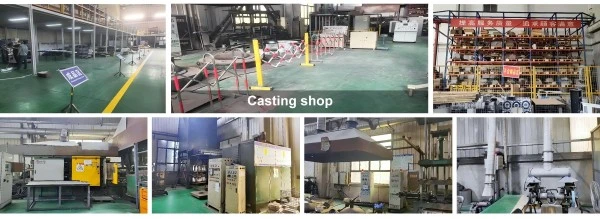
Furnace Selection and Temperature Control
Different types of furnaces are used in modern heating processes. Each type has its own benefits for different types of production needs. Induction furnaces are perfect for making high-quality alloys because they can precisely control the temperature and keep the heating area clean. These systems heat up quickly and evenly, which cuts down on rusting and makes the use of energy more efficient.
Resistance stoves are a cheap way to do small jobs, but you have to be more careful to keep an eye on the temperature so it doesn't get too high. Crucible furnaces are good for small jobs and switching alloys, while reverberatory furnaces are better for bigger jobs. Temperature control systems must maintain melting points within ±5°C to make sure that aluminum casting features are always the same and that defects don't form too often.
Safety and Environmental Protocols
For professional aluminum melting processes to keep people and tools safe, they need to take a lot of safety precautions. Proper air systems get rid of the fumes and particles that are made when metal melts, and emergency plans cover what to do if metal spills or equipment breaks down. Personal protected equipment, like clothes that can handle high temperatures, face shields, and breathing masks, keeps workers safe throughout the process.
Environmental compliance includes taking the right steps to deal with trash, limit pollution, and save energy. Modern factories use closed-loop systems to collect and recover aluminum slag. This cuts down on waste and makes better use of materials. These actions help companies reach their environmental goals while also cutting down on costs.
Common Challenges and Defect Prevention in Aluminum Melting for Casting
Certain problems can arise in aluminum melting processes, which can lower the quality of the castings and raise the cost of production. By knowing about these possible problems, buying teams can better judge the skills of suppliers and put in place the right quality control measures.

Gas Porosity and Oxidation Issues
One of the most common flaws in aluminum castings is gas porosity, which happens when hydrogen dissolves in liquid metal while it's melting. Sources of hydrogen include raw materials that are wet, furnace air, and tools or chemicals that are dirty. Using the right degassing methods, like nitrogen or argon cleaning, to get rid of dissolved gases before filling works well.
Oxidation happens when air mixes with liquid aluminum to make aluminum oxide films that can get stuck in the casting. These flaws make weak spots that hurt the surface finish and mechanical qualities. During melting and filling, oxidation is kept to a minimum by using flux and protected atmospheres.
Dross Formation and Management
When metal oxidizes on the surface, dross forms, a scum that needs to be cleaned off before dumping. Extra ash means that the heating process wasn't done correctly, the materials were contaminated, or the temperature wasn't controlled properly. Using the right cleaning methods and flux can reduce the amount of dross that forms while also increasing the metal yield and quality of the casting.
Modern processes use dross recovery systems to get aluminum that can be used and get rid of oxidized materials in the right way. These systems increase the rate at which materials are used and lower the cost of getting rid of trash, which makes operations more efficient overall.
Heat Treatment Considerations
Post-casting heat treatment improves the mechanical qualities and reduces the forces that build up inside the aluminum casting as it solidifies. The solution heat treatment turns alloying elements into solid solutions, and the age processes bring out the strengthening phases. When procurement teams know what the needs are for heat treatment, they can define full processing steps that meet those needs.
Scheduling heat treatments correctly keeps finished parts from distorting and makes sure they stay the same size. Coordinating melting factors, casting conditions, and heat treatment processes takes technical know-how, which is what sets capable casting providers apart from basic ones.
Procuring Aluminum Melting and Casting Services: What B2B Buyers Should Know
To successfully buy metal melting and casting services, you need to carefully check the capabilities, certifications, and operating openness of the suppliers. This evaluation method makes sure that quality parts are delivered reliably, while also lowering the risks in the supply chain and maximizing the total cost of ownership.
Critical Supplier Selection Criteria
Advanced heating equipment is a basic need for producing consistently high-quality goods. Modern induction furnaces with precise temperature control systems make it possible to tightly control the makeup and reduce the formation of defects. Automated filling systems make things safer and more consistent while reducing mistakes made by people. Procurement teams should look at how much a seller invests in new technology as a sign of how committed they are to quality and how well they can produce.
Quality certifications like ISO 9001, IATF 16949, and guidelines specific to the business show that quality management is done in a planned way. These licenses show that there are set ways to control the process, keep records, and keep making it better. Aerospace companies should maintain AS9100 certification, while car suppliers need to ensure they follow IATF 16949 rules.

Operational Considerations and Lead Times
Flexibility in schedule and production capacity have a direct effect on how well deliveries go and how reliable the supply chain is. Suppliers with dedicated heating facilities and more than one furnace system can keep your plan more stable and lower the risk of production interruptions. Knowing how much of a supplier's capacity is being used helps buyers plan when to buy things and negotiate good delivery times.
Lead times depend a lot on the type of metal that is available, how complicated the shape is, and how much is being made. Standard metals, like A356, usually have shorter wait times than special alloys that need to be melted to order. It could take 4 to 6 weeks for prototypes and 8 to 12 weeks for full production, based on how complicated the product is and how busy the seller is.
Pricing Structure and Volume Considerations
Aluminium casting prices depend on many things, such as the cost of materials, the amount of energy used, the amount of work that needs to be done, and the tools that need to be used. The prices of raw materials change along with the price of metal, so how prices are set is an important thing to think about when negotiating. When you plan your budget for buying, suppliers who offer price stability through quarterly or yearly deals are a good choice.
The minimum amount you can order depends on the size of the melting batches and the cost of making the goods. Die casting companies that do a lot of work may need minimum orders of 1,000 to 5,000 pieces, but sand casting can handle smaller amounts. Knowing these limitations helps you make realistic plans for purchasing things and choosing suppliers.
Conclusion
The melting of aluminum is the first step in making castings that make lightweight, long-lasting parts for use in aircraft, automobile, and industrial settings. Professionals in purchasing can choose the best suppliers and improve the performance of the supply chain by learning about the technical parts of melting processes, the tools needed, and quality issues. Careful examination of melting abilities, licenses, and working methods guarantees dependable delivery of parts that meet strict quality standards while keeping costs low in global markets.
Partner with Rongbao Enterprise for Superior Aluminum Casting Solutions
Rongbao Enterprise stands as your trusted aluminum casting manufacturer, combining 20 years of industry expertise with advanced melting capabilities across high-pressure die casting, low-pressure die casting, and gravity casting processes. Our ISO-certified facilities deliver precision components for automotive, aerospace, and industrial applications, backed by comprehensive quality control systems and international compliance standards. Contact steve.zhou@263.net or zhouyi@rongbaocasting.com to discover how our full-chain manufacturing capabilities can optimize your procurement strategy and deliver exceptional aluminum cast components that meet your exact specifications.
FAQs
①What temperature is required to melt aluminum for casting?
Aluminum melts at approximately 660°C (1220°F), though specific alloys may have slightly different melting points. A356 alloy melts at around 615°C, while 319 alloy requires approximately 605°C. Furnace temperatures typically reach 700-750°C to ensure complete melting and proper fluidity for casting operations.
②What equipment is needed for aluminum melting in industrial casting?
Industrial aluminum melting requires specialized furnaces such as induction, resistance, or reverberatory types. Temperature control systems, degassing equipment, flux handling tools, and safety equipment including ventilation systems are essential. Larger operations may include automated pouring systems and dross recovery equipment to improve efficiency and safety.
③How can gas porosity be prevented during aluminum melting?
Gas porosity prevention involves proper material preparation, degassing treatments, and controlled furnace atmospheres. Nitrogen or argon purging removes dissolved hydrogen, while dry storage of raw materials prevents moisture absorption. Proper flux application and controlled pouring techniques minimize gas entrapment during mold filling.
References
- Campbell, J. "Complete Casting Handbook: Metal Casting Processes, Techniques and Design." Butterworth-Heinemann, 2015.
- Rooy, E.L. "Introduction to Aluminum and Aluminum Alloys." ASM Handbook Volume 2: Properties and Selection of Nonferrous Alloys and Special-Purpose Materials, ASM International, 1990.
- Dispinar, D. and Campbell, J. "Critical Assessment of Reduced Pressure Test. Part 1: Porosity Phenomena." International Journal of Cast Metals Research, Vol. 17, No. 5, 2004.
- Sigworth, G.K. "Understanding Quality in Aluminum Castings." American Foundry Society, 2nd Edition, 2014.
- Kaufman, J.G. and Rooy, E.L. "Aluminum Alloy Castings: Properties, Processes, and Applications." ASM International, 2004.
- Davis, J.R. "Aluminum and Aluminum Alloys." ASM Specialty Handbook, ASM International, 1993.

Learn about our latest products and discounts through SMS or email