- English
- French
- German
- Portuguese
- Spanish
- Russian
- Japanese
- Korean
- Arabic
- Greek
- German
- Turkish
- Italian
- Danish
- Romanian
- Indonesian
- Czech
- Afrikaans
- Swedish
- Polish
- Basque
- Catalan
- Esperanto
- Hindi
- Lao
- Albanian
- Amharic
- Armenian
- Azerbaijani
- Belarusian
- Bengali
- Bosnian
- Bulgarian
- Cebuano
- Chichewa
- Corsican
- Croatian
- Dutch
- Estonian
- Filipino
- Finnish
- Frisian
- Galician
- Georgian
- Gujarati
- Haitian
- Hausa
- Hawaiian
- Hebrew
- Hmong
- Hungarian
- Icelandic
- Igbo
- Javanese
- Kannada
- Kazakh
- Khmer
- Kurdish
- Kyrgyz
- Latin
- Latvian
- Lithuanian
- Luxembou..
- Macedonian
- Malagasy
- Malay
- Malayalam
- Maltese
- Maori
- Marathi
- Mongolian
- Burmese
- Nepali
- Norwegian
- Pashto
- Persian
- Punjabi
- Serbian
- Sesotho
- Sinhala
- Slovak
- Slovenian
- Somali
- Samoan
- Scots Gaelic
- Shona
- Sindhi
- Sundanese
- Swahili
- Tajik
- Tamil
- Telugu
- Thai
- Ukrainian
- Urdu
- Uzbek
- Vietnamese
- Welsh
- Xhosa
- Yiddish
- Yoruba
- Zulu
Custom High Precision Investment Casting Services for Complex Parts
When your manufacturing project needs parts with complex shapes and very accurate measurements, precision casting is the best way to go. This high-tech way of making things, which is also called investment casting or lost-wax casting, makes metal parts that are very precise and have great surface finishes and tight tolerances. Making intricate wax patterns that look like complicated designs, covering them with clay shells, melting out the wax, and then filling the empty space with molten metal is how the process works. This technology is used by many industries, from aircraft to automobile, to make important parts that meet strict performance standards and are still cost-effective for medium to large production runs.
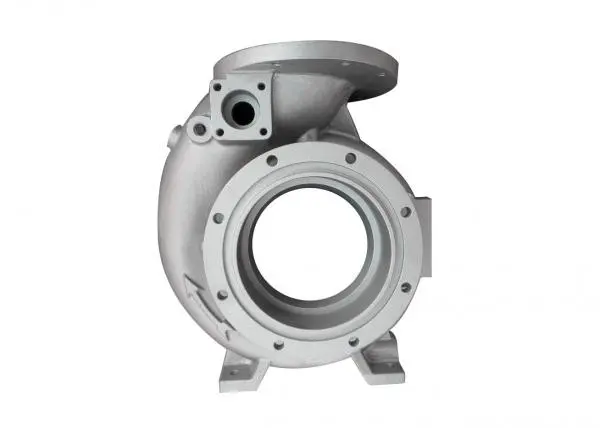
Understanding Precision Investment Casting for Complex Parts
Investment casting is a complex way to make things that gives you unmatched accuracy for creating complicated shapes. The first step in this process is to make detailed wax models that show every small feature of the part that is being made. The shapes are coated with clay more than once, which makes a strong shell mold that can withstand high temperatures during metal pouring.
The Technical Foundation of Investment Casting
Investment casting is a very precise way to make things because each step of the process is carefully managed. The wax models exactly copy the final part's sizes and shapes, including the internal passages, thin walls, and complicated outside shapes that would be too expensive to machine. Along with keeping its shape during the high-temperature metal pouring process, the clay shell mold reproduces surface details very accurately.
Modern precision casting uses high-tech machinery and digital processes to make things more consistent and cut down on mistakes made by people. Pattern accuracy is ensured by computer-controlled wax injection systems, and uniform shell thickness is maintained by automatic ceramic coating applications. Because of these technology advances, the process is now better than traditional lost-wax methods. This means that makers can get tolerances of within ±0.005 inches on complicated shapes.
Material Versatility and Performance Characteristics
Precision casting can be used with a wide range of materials, from common carbon steels to rare superalloys made to work in harsh circumstances. Aluminum alloys are light and can be used in aircraft uses, while stainless steel types are resistant to corrosion in harsh settings. Heat-resistant metals make it possible for parts to work in places with high temperatures, like power plants and factories.
The process keeps the material's purity during casting, which keeps the mechanical qualities that are needed for tough jobs. Cast parts have a constant grain structure and material qualities, unlike welded pieces or machined parts that may have stress concentrations. This quality is especially useful for parts that are loaded and unloaded many times or that are used in harsh situations where the trustworthiness of the material directly affects safety and performance.
Advantages of Custom High Precision Investment Casting for Complex Parts
Compared to other ways of making things, investment casting has many benefits that make it the best choice for making complicated parts. The process works great for tasks that need complicated internal features, thin-wall sections, or complicated external shapes that are hard to machine with standard methods.
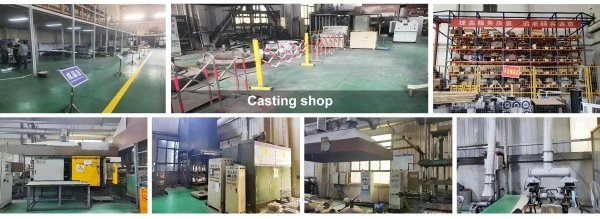
Dimensional Accuracy and Surface Quality
The precision casting method is very good at getting accurate measurements, so a lot of extra machining tasks are often not needed. Surface roughness values for parts are usually between 125 and 250 microinches, which is much better than options like sand casting. This better surface quality lowers friction in moving parts, makes them more resistant to wear, and often gets rid of the need for expensive surface treatment.
Tight precision made possible by precision casting makes assembly easier and makes it easier to switch out parts. Parts stay the same size from one production run to the next, which lets makers make sure that complex systems will fit and work as expected. The near-net-shape feature cuts down on wasteful material use and production wait times compared to full-on cutting.
Cost Effectiveness for Complex Geometries
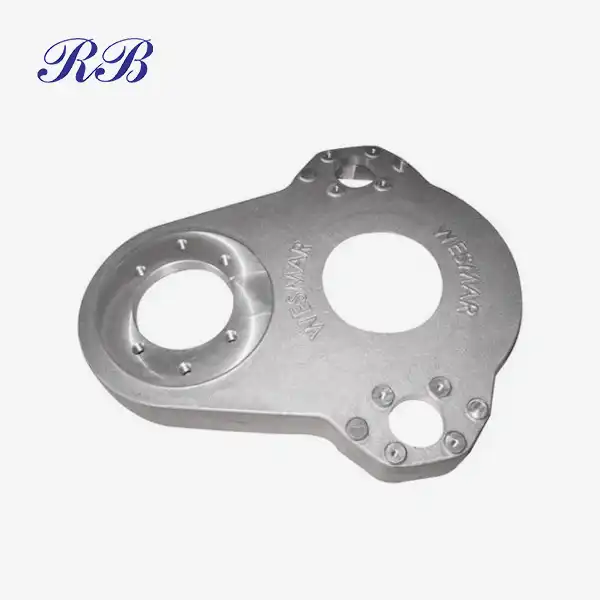
Investment casting is a good way to save money on parts that have complicated internal features or complicated exterior shapes. The process combines several made parts into a single cast part, which gets rid of the need for assembly and lowers the number of possible failure points. It's now possible to make complex internal cooling channels, built-in fixing features, and better material distribution without having to spend a lot of money on machining.
When making between 100 and 10,000 pieces a year, precision casting is often the best way to go over other methods. The process works well for both small test runs and medium-sized production runs, keeping quality and accuracy in measurements the same. When compared to complicated machining setups or multiple-cavity die-casting gear, the cost of tools stays low.
Selecting the Right Precision Casting Service Provider
To find the right investment casting partner, you need to carefully look at their professional skills, quality processes, and production capacity. Precision casting requires a lot of knowledge, cutting-edge tools, and strong quality control systems from suppliers.
Certification Standards and Quality Systems
Investment casting companies with a good reputation keep a lot of quality certifications, like ISO 9001, ISO 14001, and standards specific to their business, like AS9100 for aircraft uses. These certifications show a dedication to consistent quality control and methods for continuous growth, which are necessary for making reliable parts.
Quality control should include checking arriving materials, keeping an eye on the process, and doing a full final review. Advanced non-destructive testing tools, such as X-ray inspection, physical measurement systems, and mechanical analysis, make sure that parts meet the requirements that have been set. Providers with statistical process control systems can show that their quality performance is the same from one production batch to the next.

Production Capabilities and Engineering Support
Good precision casting companies offer full tech help throughout the whole process of making a product. Design for manufacturability consulting helps make sure that part designs are the best they can be for casting while still meeting useful needs. The skills of finite element analysis allow for better material distribution and load optimization, which improve the performance of parts.
The review of manufacturing capacity should look at the capabilities of the equipment, the flexibility of the output schedule, and the ability to expand for future volume rises. Providers with multiple production lines and backup equipment keep their schedule promises and lower the risk of late deliveries. Putting money into new, automatic tools shows that you want to improve quality and keep costs low.
Case Studies and Applications of Complex Parts Precision Casting
Investment casting works great in many fields that need high-performance parts with complicated shapes. Applications in the real world show that the process can solve tough manufacturing issues while also making parts more reliable and lowering total costs.
Aerospace and Defense Applications
A lot of the time, aerospace parts need to be made of unusual materials and have very strict durability standards. Investment casting makes it possible to make turbine blades with complex cooling lines inside them that would be too expensive to machine. The process keeps important airfoil shapes while making the thin-wall pieces that are needed for the best aerodynamic performance.
Recent aircraft projects have successfully used precision casting to make structural parts that weigh up to 50 pounds and keep key measurements within ±0.003 inches of accuracy. These parts combine several machined parts into a single casting, making assembly easier and getting rid of possible failure places in uses that need to work during flight.
Automotive and Industrial Equipment
Investment casting is used in the automotive industry to make parts with complicated internal pathways, optimal material distribution, and the ability to produce large quantities. The process can make smooth internal flow paths in engine parts like exhaust manifolds while keeping the structure's integrity under high thermal cycles.
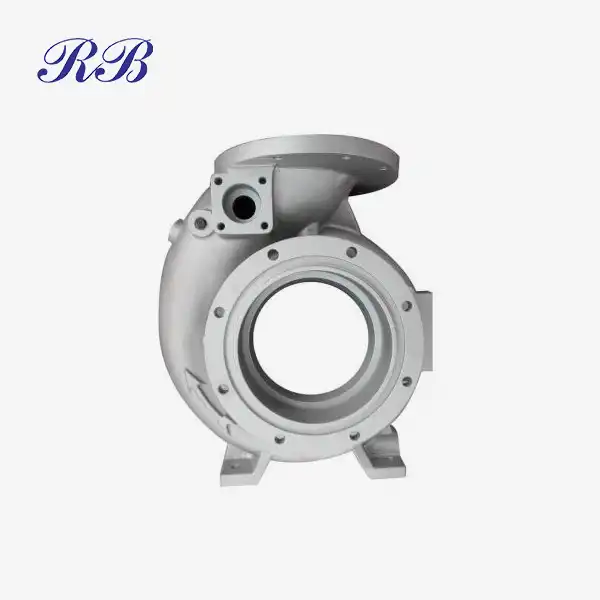
Precision casting is used by companies that make industrial equipment to make pump impellers, valve bodies, and hydraulic parts. Improving the flow inside these parts has a direct effect on how efficiently they work. The process optimizes wall thickness and improves surface finish, which lowers energy use and increases the service life of parts.
Medical Device and Energy Sector Success Stories
Implantable parts used in medical devices need to be made of safe materials and have a smooth, even surface finish. When you invest in casting, you get orthopedic implants with complex surface textures that help the bone grow into the implant while still meeting exact size standards for surgery compatibility.
Parts for wind turbines, nuclear power plants, and the oil and gas industry are all examples of uses in the energy sector where material stability and dimensional correctness have a direct effect on safety and operating efficiency. The use of these examples shows that precision casting can make big, complicated parts while still meeting strict quality standards.

Future Trends and Innovations in Precision Casting Technology
The investment casting business is always changing as new technologies come out that make the products better, cheaper, and more useful. Digital change projects improve process control while cutting down on the time it takes to make new parts.
Digital Manufacturing and Automation Integration
Virtual casting trials that use advanced modeling software can be used to find the best process settings before the real production starts. These digital tools can predict possible flaws, make control systems work better, cut down on material waste, and speed up the development process. Using computer-aided design tools together makes the process of going from an idea to parts that are ready for production faster.
Adding automation makes things more consistent while cutting down on run times and worker costs. Pattern building, clay coating, and casting are all tasks that can be done more accurately by robots than by humans. These automatic systems work all the time, increasing the amount that can be made while keeping quality standards the same.
Sustainable Manufacturing Practices
Innovations that lead to more environmentally friendly precision casting methods are driven by concerns for the environment. Ceramic shell recycling programs and wax return systems cut down on trash and lower the cost of materials. Energy-efficient melting devices and heat return technologies help the environment and make business more profitable at the same time.
High-performance metals are the main focus of research and development in advanced materials because they make parts lighter and last longer. These new materials support industry trends toward using less energy and having less of an effect on the environment in aircraft, automobile, and industrial settings.
Conclusion
Custom high-precision investment casting services make it possible to make complicated parts that need to be very accurate, have a smooth surface, and be made from a variety of materials. Compared to traditional ways of making things, this method has big benefits because it can make complicated shapes with few extra steps and still be cost-effective for medium to large production runs. For implementation to go well, you need to work with skilled providers who can offer full quality systems, advanced manufacturing, and engineering help during the whole development process. Investment casting will continue to be important for making high-performance parts for aerospace, automotive, medical, and industry uses even as digital production technologies and environmentally friendly methods get better.
Partner with Rongbao Enterprise for Superior Precision Casting Solutions
Rongbao Enterprise offers unique high-precision investment casting services that are second to none. They have been making high-quality products for 20 years and know how to sell them in foreign markets. Our extensive range of skills covers the whole casting process, from the initial design consultation to the delivery of the end component, ensuring that you get the best results for your difficult part needs.
Our ISO 9001, ISO 14001, and ISO 45001 standards show that we are dedicated to quality control and caring for the environment. Modern automatic equipment makes it possible to consistently make complicated parts with tight tolerances and high-quality surface treatments. Since 70% of our goods are sent to markets in Europe, the United States, and Japan, we know how strict the quality standards are there.
As a reliable supplier of precision castings, we offer integrated production solutions that cut costs and make sure deliveries happen on time. Our engineering team provides full design for manufacturability advice, which helps improve part designs for casting while still meeting useful needs.
Contact steve.zhou@263.net or zhouyi@rongbaocasting.com to talk about your precision casting needs and find out how our production skills can help your parts work better while cutting costs overall.
FAQs
①What tolerances can precision investment casting achieve?
Most of the time, investment casting can achieve tolerances of ±0.003 to ±0.005 inches (±0.08 to ±0.13 mm) for most measurements. For important features, even tighter tolerances can be achieved through secondary machining processes. The accuracy that can be used varies on the shape of the part, the material chosen, and the size of the casting.
②How does investment casting compare to machining for complex parts?
Investment casting is the best way to make parts with complicated internal features, thin walls, or complicated exterior geometries that would be too expensive or hard to machine. The process combines several machined parts into a single casting, improving the material's qualities and getting rid of the need for building steps.
③What materials are suitable for precision investment casting?
Carbon steels, stainless steels, aluminum alloys, titanium alloys, and different superalloys are just some of the materials that can be used in investment casting. Which material to use depends on how strong, resistant to rust, resistant to high temperatures, and light it needs to be.
④What is the typical lead time for custom investment casting projects?
Lead times depend on how complicated the part is, how many tools are needed, and how much is being made. Usually, making a new tool takes between 4 and 8 weeks, and after the tool is finished, output numbers can be sent out within 2 to 6 weeks. Shorter lead times may be possible for prototype amounts.
⑤How do I determine if investment casting is right for my application?
Investment casting is a good way to make parts with complicated shapes, medium to high production quantities, tight tolerances, and high standards for surface finish. Talking to experienced casting providers can help you figure out if a project is technically possible and if it will save you money.
References
- Campbell, John. "Complete Casting Handbook: Metal Casting Processes, Metallurgy, Techniques and Design." Second Edition, Butterworth-Heinemann, 2015.
- Beeley, Peter R. "Foundry Technology." Second Edition, Butterworth-Heinemann, 2001.
- American Foundry Society. "Investment Casting Institute Technical Guidelines for Design and Production." AFS Publications, 2018.
- Brown, John R. "Foseco Ferrous Foundryman's Handbook." Eleventh Edition, Butterworth-Heinemann, 2000.
- Stefanescu, Doru M. "Science and Engineering of Casting Solidification." Third Edition, Springer International Publishing, 2015.
- Investment Casting Institute. "Investment Casting: Design and Manufacturing Guidelines for Enhanced Component Performance." ICI Technical Publication Series, 2019.
Learn about our latest products and discounts through SMS or email