- English
- French
- German
- Portuguese
- Spanish
- Russian
- Japanese
- Korean
- Arabic
- Greek
- German
- Turkish
- Italian
- Danish
- Romanian
- Indonesian
- Czech
- Afrikaans
- Swedish
- Polish
- Basque
- Catalan
- Esperanto
- Hindi
- Lao
- Albanian
- Amharic
- Armenian
- Azerbaijani
- Belarusian
- Bengali
- Bosnian
- Bulgarian
- Cebuano
- Chichewa
- Corsican
- Croatian
- Dutch
- Estonian
- Filipino
- Finnish
- Frisian
- Galician
- Georgian
- Gujarati
- Haitian
- Hausa
- Hawaiian
- Hebrew
- Hmong
- Hungarian
- Icelandic
- Igbo
- Javanese
- Kannada
- Kazakh
- Khmer
- Kurdish
- Kyrgyz
- Latin
- Latvian
- Lithuanian
- Luxembou..
- Macedonian
- Malagasy
- Malay
- Malayalam
- Maltese
- Maori
- Marathi
- Mongolian
- Burmese
- Nepali
- Norwegian
- Pashto
- Persian
- Punjabi
- Serbian
- Sesotho
- Sinhala
- Slovak
- Slovenian
- Somali
- Samoan
- Scots Gaelic
- Shona
- Sindhi
- Sundanese
- Swahili
- Tajik
- Tamil
- Telugu
- Thai
- Ukrainian
- Urdu
- Uzbek
- Vietnamese
- Welsh
- Xhosa
- Yiddish
- Yoruba
- Zulu
What Is Copper Sand Casting?
Copper sand casting is a specialized foundry method that involves pouring molten copper alloys into sand molds to create complex, durable components. This time-tested technique leverages copper's exceptional thermal conductivity, corrosion resistance, and mechanical strength to produce parts that excel in demanding industrial environments. Unlike aluminum or steel casting, copper sand casting handles the unique metallurgical characteristics of copper-based materials, including higher melting temperatures and specific solidification behaviors, making it ideal for applications requiring electrical conductivity, wear resistance, and longevity across automotive, energy, marine, and electrical industries.
What is Copper Sand Casting?
Understanding the Fundamentals
Molten copper or copper alloys, such as bronze, brass, and H60, are put into disposable sand molds during the copper sand casting manufacturing process to create complex metal parts. The sand mold, which is usually made of silica sand mixed with binding agents, makes a hole that fits the shape of the part that is wanted. The sand is broken away to show the final casting once the liquid metal has set.
Because it works with copper's unique properties, this casting method is different from others. Copper melts at about 1,985°F (1,085°C), which is a lot hotter than aluminum. Because it's a good thermal conductor, heat leaves quickly when it hardens. This means that the filling temperature and cooling rates need to be carefully managed to avoid flaws like shrinking or porosity. When choosing providers, procurement managers and technical experts should put these metallurgical factors that require specialized knowledge at the top of their lists.
Differentiating Copper Casting from Other Metals
Aluminum casting is used for most high-volume auto production because it is lightweight. Copper-based castings, on the other hand, are essential for electrical connectors, heat exchangers, and marine hardware because they conduct electricity and heat better. Steel castings have great tensile strength, but they don't resist corrosion as well as copper does in harsh environments. Quality engineers and supply chain managers can better match casting processes to functional needs by understanding these material trade-offs. This helps them find a balance between performance standards and total cost of ownership.
Essential Materials and Equipment
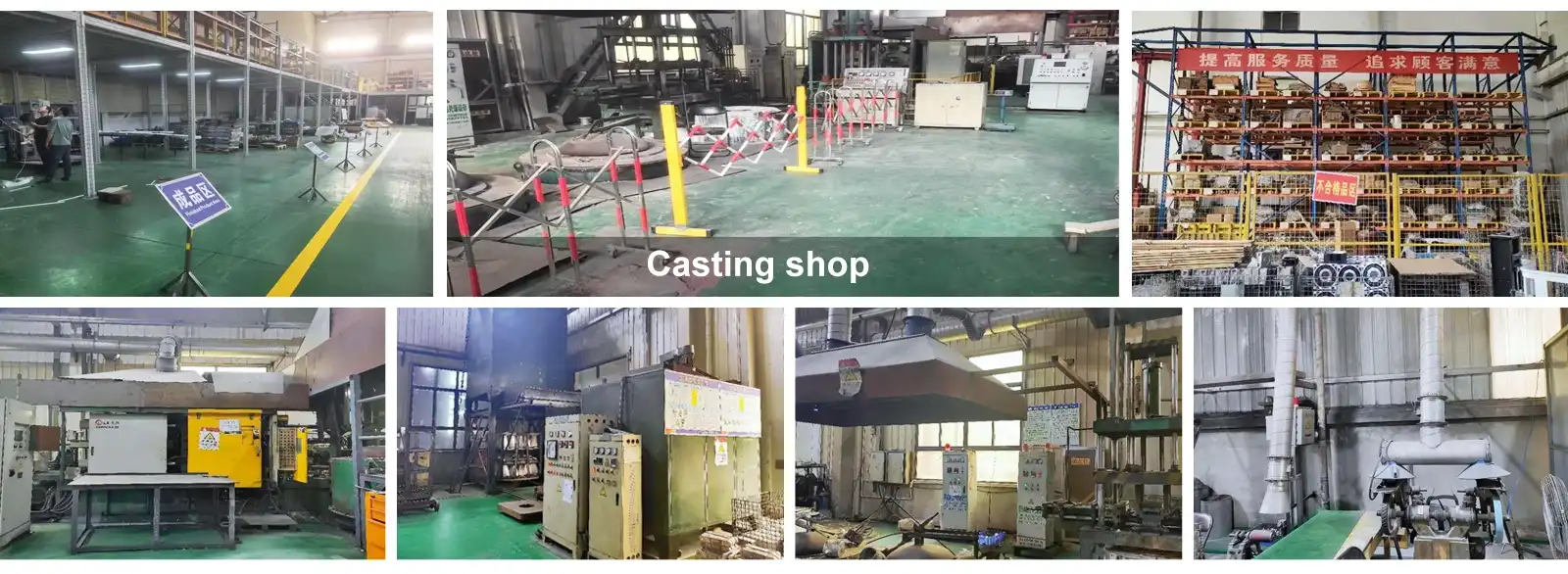
For copper sand casting to work, you need high-quality copper metals like H60 brass, which is made up of about 60% copper and 40% zinc and is very easy to machine and doesn't rust. Foundries use gas or electric furnaces that can keep temperatures exact, automatic molding equipment to make sure regularity, and high-tech cooling systems to deal with differences in temperature. Dimensional inspection tools, such as CMM machines and X-ray testing, make sure that castings meet the tolerances needed by heavy machinery and aerospace.
The Copper Sand Casting Process: Steps and Best Practices
Mold Preparation and Design
The copper sand casting process starts with making a pattern. To make the mold cavity, a copy of the final part is pressed into sand. This copy is usually made of metal, wood, or resin. CAD-based pattern creation and 3D printing are used by modern foundries to speed up testing and make sure that the shapes are correct. Around the pattern, the sand mixture is pressed down. This is usually green sand mixed with clay or resin-coated sand for finer details. Cores made from special sand mixtures make internal cavities or complicated geometries. This helps technical engineers solve the problems they face when they try to make things with thin walls or complicated shapes.
Melting and Pouring Techniques
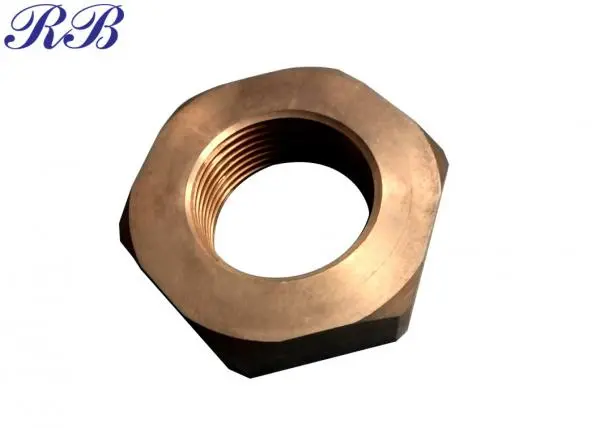
To keep copper alloys from oxidizing, which can damage their mechanical properties, they are melted in controlled atmospheres. Spectrometry is used by furnace workers to keep an eye on the chemical makeup and change the alloy content to meet requirements for strength, hardness, and thermal performance. Temperature and speed of the pour are important factors. Too much heat can destroy mold and trap gas, while not enough temperature can cause gaps in the filling and cold shuts. Rongbao Enterprise uses copper sand casting to make things like hexagonal nuts for the kitchen. This method uses gravity to fill mold holes and is a cheap way to make medium-batch sizes running from hundreds to thousands of pieces.
Cooling, Finishing, and Quality Control
After being poured, casts cool inside the mold until they are completely solid. Controlled cooling rates keep residual stresses and warping to a minimum, which is especially important for precision parts. First, the sand mold is broken off. Next, the castings are shot blasted to get rid of any sand residue and make the surface smoother. CNC machining makes measurements very precise, which answers the buying manager's question about making sure that groups are all the same. Non-destructive testing (NDT) methods, such as ultrasonic testing and X-ray inspection, find flaws inside the material, like holes or inclusions, making sure it meets the high quality standards set by ISO9001:2015 that buyers around the world expect.
Quality assurance teams can work better with foundries when they understand these process details. When looking at different suppliers, it's important to ask a lot of questions about their furnaces, how they cool things down, and the inspection tools they use. Supply chain managers are less likely to be frustrated by delays and changes in quality when there is clear information about how production works.
Advantages of Copper Sand Casting Compared to Other Methods
Copper sand casting has clear benefits over other methods, which makes it the best choice for some commercial uses. Comparing these benefits to those of other tools helps people make better decisions about how to make things.
Material Strength and Thermal Performance
Copper alloys that are cast in sand have great tensile strength, which can be anywhere from 40,000 to 70,000 psi based on the alloy makeup and heat treatment. This mechanical performance is better than many aluminum castings, and it also conducts heat better—up to six times better than steel. Copper sand molds are perfect for heat exchangers, electrical busbars, and pump housings that need to work in situations where the temperature changes a lot. Copper is good at getting rid of heat, which helps technical engineers who are choosing parts for energy equipment or automotive thermal management systems. This makes the parts last longer and less likely to break.
Cost-Effectiveness and Production Flexibility
Die casting needs expensive hardened steel molds, but sand casting uses cheap molds that can be thrown away, which greatly lowers the cost of the tools used. This cost advantage is especially important for parts that go through a lot of design changes, custom prototypes, or low to medium production volumes. When negotiating contracts for orders of 5,000 pieces, like the hexagon nuts that Rongbao Enterprise makes, purchasing managers find that sand casting offers the best unit pricing without the need for permanent molds, which requires a lot of money up front. Because pattern manufacturing is faster than die cutting, lead times for the first production run are also cut down.
Complex Geometry Capabilities
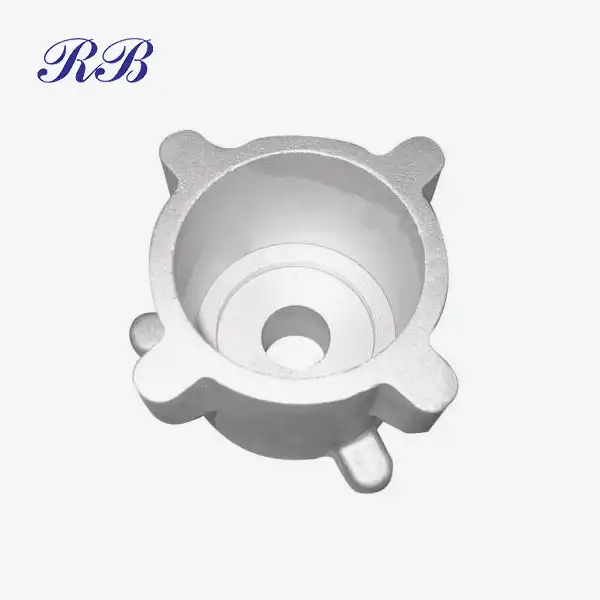
Other ways, like investment casting or cutting from solid stock, have trouble with complicated internal passages, undercuts, and different wall thicknesses. Sand casting, on the other hand, can handle all of these problems. Because of this design freedom, engineers can combine several parts into a single casting, which lowers the cost of assembly and the number of places where something could go wrong. Marine equipment makers, for instance, make complicated valve bodies and pump impellers that have fixing holes built right in. This makes installation and upkeep easier. Because cores can be added, internal pathways can be made for fluid flow or electrical routes. This solves the problem of how to make high-performance equipment that can be manufactured.
Corrosion Resistance and Durability
Alloys made of copper naturally don't rust in places like the ocean, chemicals, and factories where steel would rust quickly. When bronze castings are exposed to seawater, they keep their shape for decades. This is why they are so important for shipbuilding and offshore energy infrastructure. This means that the total cost of ownership is lower, which is an important thing for supply chain managers to think about when they are looking at long-term supplier partnerships. Even though the initial cost of the material may be higher than that of aluminum, the longer service life and lower maintenance needs make it a better value over the lifecycle of the equipment. Because of these benefits, copper sand casting is a good choice for OEMs and industrial manufacturers who need to balance cost and performance needs. When procurement workers know when this method works better than others, they can make smart choices about where to buy things that make their products more competitive.
How to Procure Copper Sand Casting Services and Ensure Quality?
To do business-to-business purchasing for copper sand casting, you need to carefully check out each supplier's technical skills, quality control systems, and delivery history. Purchasing managers can make the process of choosing a seller easier by paying attention to a few important points.
Evaluating Technical Expertise
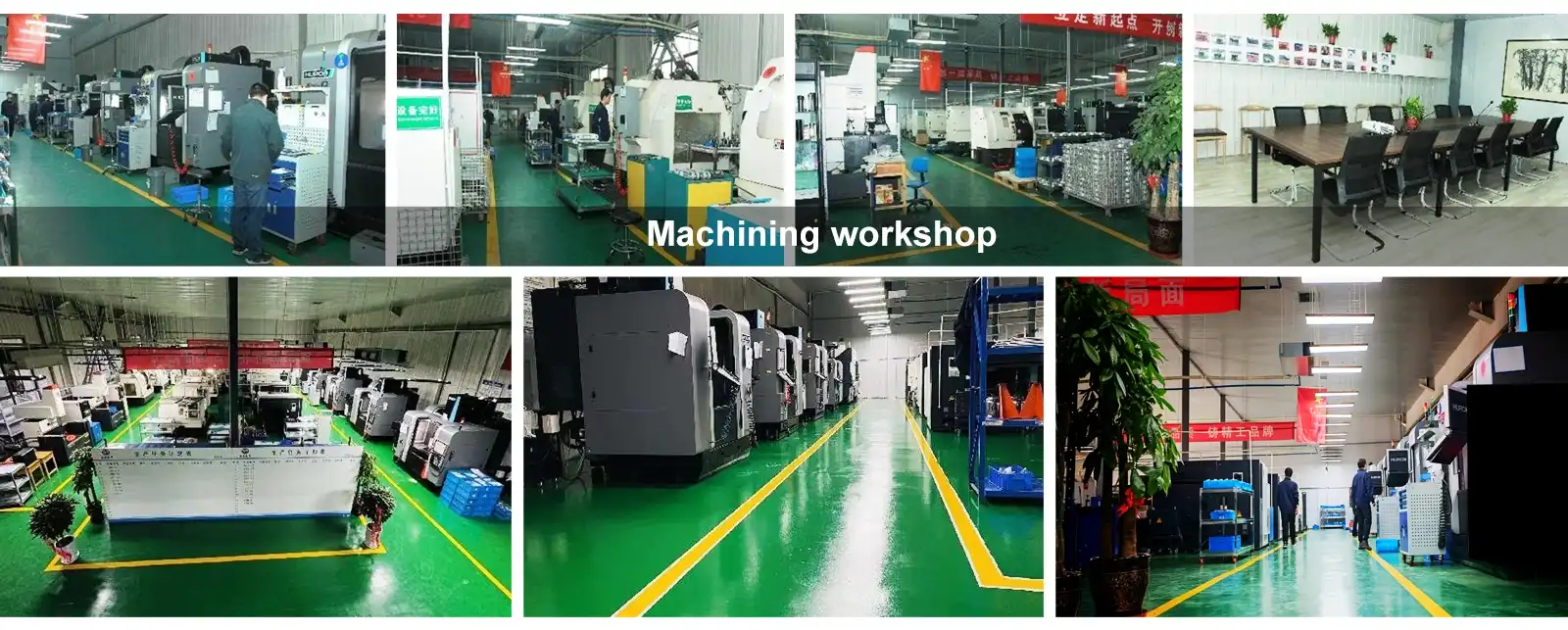
Check out a foundry's process skills by looking at their list of tools, material certifications, and engineering support services. When suppliers offer complete solutions, such as mold design, gravity casting, CNC cutting, and surface treatment, it's easier to coordinate and the time to market is shorter. Ask for samples that show they can make complicated shapes with close tolerances, especially if your requirements call for thin-wall sections or intricate internal features. Technical engineers should work with suppliers early on in the design process and use their Design for Manufacturing (DFM) knowledge to make casts that are easy to make and don't cost too much.
Quality Control and Certification Standards
Check that suppliers keep their ISO9001:2015, ISO14001, and ISO45001 certifications. These show that they have strong systems for quality management, protecting the environment, and keeping workers safe. Ask them about their inspection procedures, such as how they check for dimensions, do NDT tests, and keep track of each batch. Quality engineers care a lot about making sure that the quality of each batch is the same. This depends on how well foundries manage their processes and how much they spend on measurement tools. Suppliers should show that they are sensitive to quality issues that often annoy procurement teams by giving them material certificates, inspection reports, and proof of corrective actions.
Pricing Models and Lead Time Management
Copper sand casting prices usually include one-time design or equipment costs, a unit casting price that changes based on output, and additional steps like finishing and machining. Make sure you understand how costs work up front to avoid spending shocks. Lead times are different for each order and depend on how much, how complicated, and how much capacity is being used. Usually, they are between 4 and 8 weeks for new orders and 3 to 5 weeks for repeat output. Suppliers with big workshops and automatic tools can handle spikes in demand more accurately, which lowers the variability in deliveries that makes it hard for supply chain managers to plan.
Conclusion
Copper sand casting is still an important way to make parts for industries that need long-lasting, high-performance parts with good thermal and electrical properties. For procurement managers, technical engineers, and supply chain workers to make smart sourcing choices, they need to know the basics of the process, its comparative benefits, and how it can be used in real life. Long-term relationships that support consistent product quality and operating efficiency are built by judging suppliers based on their technical knowledge, quality certifications, and delivery reliability. Copper sand casting is a great way to make medium-sized parts for the automobile, marine, energy, and industrial equipment industries because it is cost-effective, allows for flexible design, and produces high-quality parts.
FAQs
What are common defects in copper sand casting and how can they be prevented?
Porosity from trapped gas, shrinkage holes from not giving enough, and dimensional errors from mold shift are all common flaws. Some ways to stop this from happening are to use the right gate design, the right filling temperature, degassing agents, and control the rate of cooling. Real-time process monitoring and NDT inspection are used by reputable foundries to find and fix flaws before they are shipped.
How does copper sand casting cost compare to die casting or investment casting?
Because sand casting doesn't require as many tools, it's a good choice for small orders (less than 10,000 pieces). Die casting needs pricey steel molds that are only worth it when a lot of them are made, while investment casting offers a better surface finish at a higher cost. For medium-batch production, copper sand casting strikes a balance between cost and design flexibility.
What are typical lead times for custom copper sand casting orders?
Initial sales usually take 6 to 8 weeks, which includes making the pattern, testing the sample, and production. Since templates can be used more than once, repeat orders cut the time it takes to 3–5 weeks. Complex shapes or strict testing standards can make schedules take longer, so involving suppliers early on is important for keeping track of them.
Partner with Rongbao Enterprise for Reliable Copper Sand Casting Solutions
Rongbao Enterprise offers complete copper sand casting services that are made to fit the exact needs of industrial makers and original equipment manufacturers (OEMs) around the world. Our quality management systems are certified to ISO9001:2015, ISO14001, and ISO45001, which means they make sure that every production batch has the same level of accuracy in measurements and material integrity. Our complete range of skills, including gravity casting, CNC machining, shot blasting, and custom surface treatments, lets us offer streamlined manufacturing solutions from the initial design stage all the way through to finished parts. We've been serving foreign customers in America, Europe, and Japan for twenty years, so we know how hard it is for you to keep costs down, be sure of wait times, and get technical help. Our experienced engineering team and scalable production capacity are ready to help you improve the performance of your supply chain, whether you need 5,000 hexagon nuts in H60 brass or complicated parts for heavy machinery. Get in touch with our team at steve.zhou@263.net or zhouyi@rongbaocasting.com to talk about your specific copper sand casting needs. Check out rongbaocasting.com to learn more about how working with a trusted copper sand casting company can help you make better products and stay ahead of the competition.

References
- Campbell, J. (2015). Complete Casting Handbook: Metal Casting Processes, Metallurgy, Techniques and Design. Butterworth-Heinemann.
- Beeley, P. R., & Smart, R. F. (1995). Investment Casting. The Institute of Materials, London.
- Brown, J. R. (2000). Foseco Ferrous Foundryman's Handbook. Butterworth-Heinemann.
- American Foundry Society. (2018). Copper and Copper Alloy Casting Design and Application Guidelines. AFS Technical Publication.
- Jolly, M. R., & Lewis, R. W. (2011). Modeling of Metal Casting, Welding and Advanced Solidification Processes. TMS (The Minerals, Metals & Materials Society).
- Groover, M. P. (2020). Fundamentals of Modern Manufacturing: Materials, Processes, and Systems. John Wiley & Sons.
Learn about our latest products and discounts through SMS or email