- English
- French
- German
- Portuguese
- Spanish
- Russian
- Japanese
- Korean
- Arabic
- Greek
- German
- Turkish
- Italian
- Danish
- Romanian
- Indonesian
- Czech
- Afrikaans
- Swedish
- Polish
- Basque
- Catalan
- Esperanto
- Hindi
- Lao
- Albanian
- Amharic
- Armenian
- Azerbaijani
- Belarusian
- Bengali
- Bosnian
- Bulgarian
- Cebuano
- Chichewa
- Corsican
- Croatian
- Dutch
- Estonian
- Filipino
- Finnish
- Frisian
- Galician
- Georgian
- Gujarati
- Haitian
- Hausa
- Hawaiian
- Hebrew
- Hmong
- Hungarian
- Icelandic
- Igbo
- Javanese
- Kannada
- Kazakh
- Khmer
- Kurdish
- Kyrgyz
- Latin
- Latvian
- Lithuanian
- Luxembou..
- Macedonian
- Malagasy
- Malay
- Malayalam
- Maltese
- Maori
- Marathi
- Mongolian
- Burmese
- Nepali
- Norwegian
- Pashto
- Persian
- Punjabi
- Serbian
- Sesotho
- Sinhala
- Slovak
- Slovenian
- Somali
- Samoan
- Scots Gaelic
- Shona
- Sindhi
- Sundanese
- Swahili
- Tajik
- Tamil
- Telugu
- Thai
- Ukrainian
- Urdu
- Uzbek
- Vietnamese
- Welsh
- Xhosa
- Yiddish
- Yoruba
- Zulu
OEM ODM Custom Slot Motor End Cover Castings for B2B Motor Manufacturers
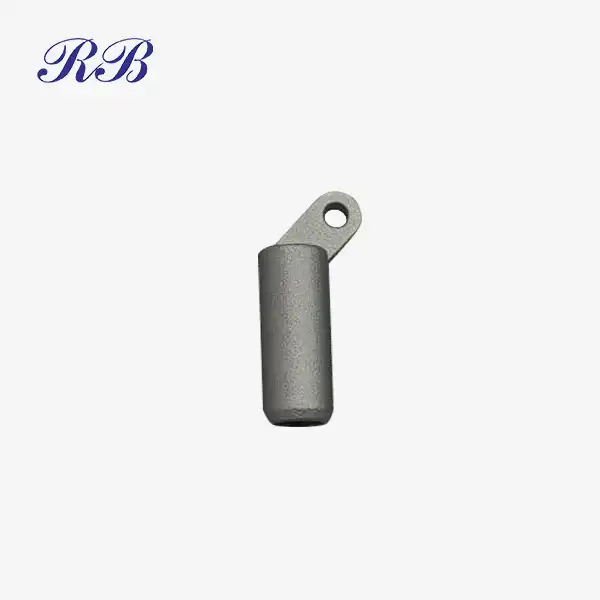
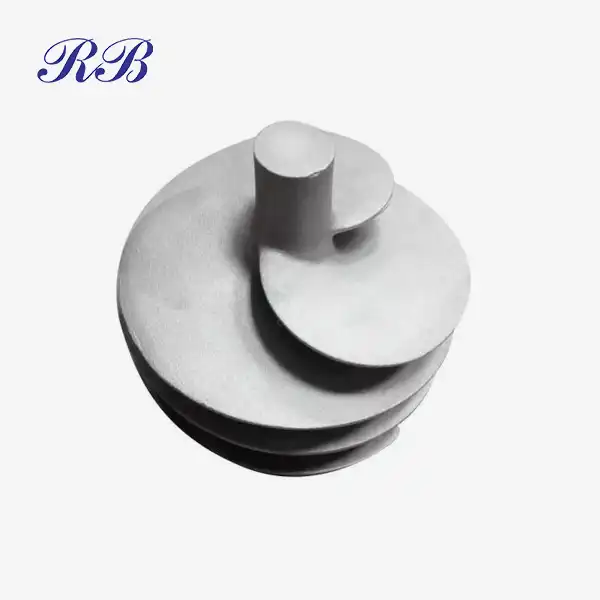
When motor manufacturers seek reliable protective components that balance precision, durability, and thermal efficiency, customized casting motor end covers emerge as the foundational solution. These engineered components serve as protective housings mounted at motor terminals, securing internal mechanisms while enabling optimal heat dissipation and structural stability. At Rongbao Enterprise, we specialize in delivering OEM and ODM slot motor end cover castings tailored to global motor suppliers across automotive, industrial equipment, and energy sectors. Our ADC12 aluminum alloy castings—weighing just 0.6 kg with CNC machining and spray-coated finishes—meet the rigorous demands of high-performance motor applications while maintaining cost efficiency and production scalability for batches up to 1,000 pieces.
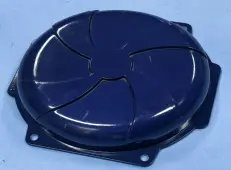
Comparing Casting Motor End Covers: Choosing the Right Solution for Your Application
Cast vs. Fabricated Motor End Covers
When looking at options for casting motor end covers, purchasing managers often have to choose between cast and manufactured choices. Fabricated covers made from stamped sheet metal parts have lower tooling costs for trial numbers below 100 units. This makes them appealing for specialised motor designs with unknown production volumes. But the strength of the structure is lower where joints are joined, because welding or fastening creates weak spots that could break when the temperature changes and the structure shakes.
Casting methods create solid structures without these weak spots, and the material properties are the same all the way through the part. Our high-pressure die casting method makes end covers with yield strengths of more than 160 MPa and tensile strengths of more than 240 MPa. These strengths meet the needs of car Tier-1 suppliers for safety-critical uses. The cost of production is lower when more than 500 units are cast each year. As batch sizes hit our normal capacity of 1,000 units, prices per piece drop by 40 to 50 percent.
Aluminum vs. Iron Casting Comparison
Choosing between aluminium and iron castings depends on the needs of the application. Iron casts are very rigid and keep their shape well at temperatures ranging from -40°C to 200°C. This makes them good for motors in heavy tools that are subject to shock loads. However, the extra weight—usually 2.5 to 3 times that of similar aluminium parts—makes them harder to handle during assembly and puts more stress on motor mounts.
Aluminium casts are great for uses that need to get rid of heat, reduce weight, and prevent corrosion. Because our ADC12 end covers are only 0.6 kg, they can be installed with one hand. This cuts down on assembly labour costs by about 25% compared to iron alternatives that need mechanical help. Total cost of ownership studies favour aluminium over iron, even though it costs 15-20% more per unit, because it saves more in shipping, installation, and energy use in the long run than it costs to buy in the first place.
Specialized Solutions for Extreme Conditions
Motors used in energy industries, like wind turbine engines and oil field equipment, need end caps that are made to work in harsh conditions. We create high-temperature casting solutions by using aluminium alloys with more silicon, which keep their mechanical properties at temperatures that stay high for a long time, up to 180°C. Noise-reduction versions have damping ribs and acoustic insulation connectors that lower sound pressure levels by 8 to 12 decibels in home or hospital HVAC systems.
A study of costs and purchases shows that unique casting solutions usually cost 30 to 50 percent more than standard designs. Technical engineers know that application-matched specs keep parts from failing in the field, which can cost 10 to 20 times the value of the part in warranty claims, production delays, and damage to the brand's image. Our team helps buyers weigh these pros and cons by giving them in-depth expert advice that is in line with performance standards for their business.
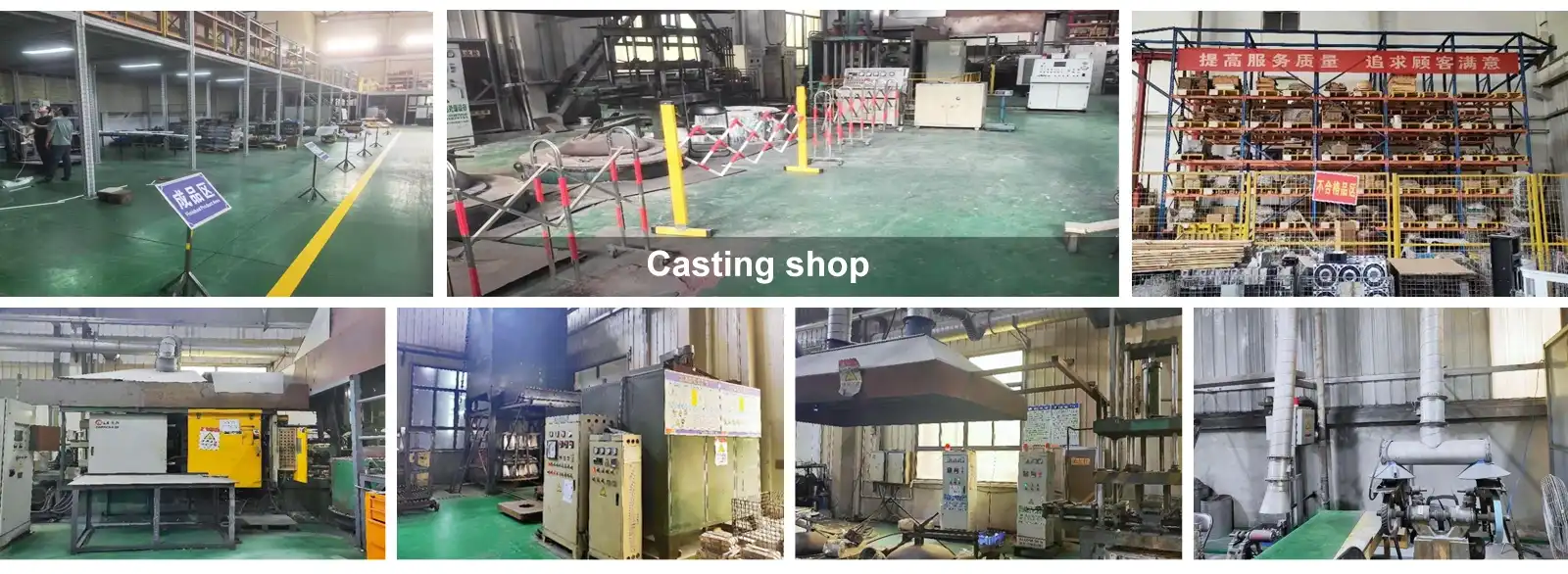
OEM & ODM Customization Process: From Design to Delivery
Design Engineering for Slot Motor Integration
The first step in our casting motor end cover customization process is working together to go over important parameters that affect how well the motor works. To keep insulation from wearing away during rotor installation, slot sizes must exactly match winding designs, which are usually given within ±0.1 mm of accuracy. For mounting interfaces, it's important to carefully look at bolt circle patterns, through-hole sizing for thermal expansion, and surface flatness requirements to make sure that gasket seals keep dirt out.
Finite element modelling is used in stress distribution analysis to find areas with a lot of load and where the thickness of the material needs to be increased. We improve these areas without adding extra weight, and we stay within the 0.6 kg goal that makes automated assembly line handling easier. Dimensional requirements and material certifications are based on international standards, such as IATF 16949 for car use and IEC 60034 for industrial motors. These standards are followed during the planning phase.
Manufacturing Workflow and Quality Control
High-pressure die casting is the main way we make things. At pressures of up to 700 bar, we pour liquid ADC12 aluminium into precise steel moulds. This method makes nearly net-shaped parts with wall thicknesses as low as 2.5 mm and surface finishes of Ra 3.2 μm, which means that less machining is needed afterward. At our Xi'an plant, we have automatic casting cells with cycle times of 80 seconds. These cells can make 1,000 pieces per hour while keeping quality standards high.
After casting, CNC cutting is used to make sure that the final dimensions of the bearing holes, mounting surfaces, and threaded parts are met. Positional accuracy of five-axis machining centers is ±0.02 mm, which is proven by checking methods for coordinate measuring machines. During production ramp-up, we use statistical process control to keep an eye on key measurements at 100% inspection rates. Once capability indices go above 1.67, we switch to sampling plans.
Our production system is based on quality standards like ISO 9001:2015 for quality management, ISO 14001 for environmental compliance, and ISO 45001 for health and safety at work. These frameworks make sure that everything can be tracked from the lot numbers of the raw materials to the final shipment. This helps with both customer auditing needs and regulatory documentation needs. Our spray coating surface treatment is tested with salt spray according to ASTM B117. The results show that it is resistant to corrosion for more than 500 hours before red rust forms.
OEM & ODM Service Capabilities
Rongbao Enterprise stands out because it provides full OEM and ODM services that go beyond just supplying parts. Our engineering team makes custom tools for designs provided by clients. Mould development takes about 45 to 60 days, and sample castings are sent out within 10 days of tool finish. With this rapid prototyping feature, motor manufacturers can check the fit, form, and function of a product before committing to large-scale production.
Scalable production planning can adapt to changes in customer demand, and our plant can handle batch numbers ranging from 200 units for testing the market to 1,000 units delivered every month. We keep safety stock for our regular customers so that we can ship urgently within 48 hours if there are problems with the production line that could affect assembly plans. Putting parts in wooden boxes for shipping protects them during international shipping. Custom foam inserts stop damage from contact, and moisture barriers keep surface finishes in good shape.
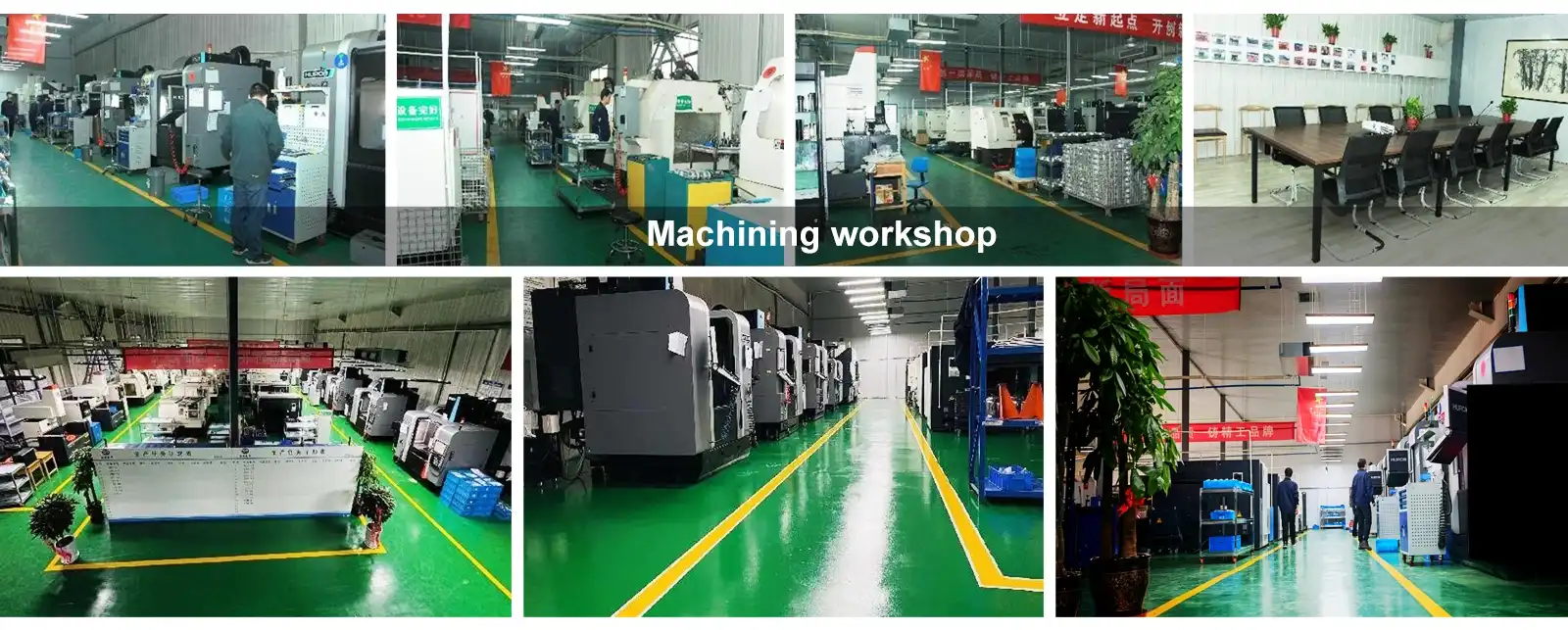
How to Procure High-Quality Casting Motor End Covers: A Buyer's Guide for B2B Clients
Evaluating Supplier Qualifications
To find trustworthy casting motor end cover providers, you need to carefully look at their certifications, output skills, and past performance. Quality management certifications, such as ISO 9001:2015, show that process controls have been set up, but procurement professionals should make sure that the scope of the certification matches the types of parts they need to buy. Automotive suppliers that work with Tier-1 customers usually have IATF 16949 certification. This shows that they have extra control layers for preventing defects and keeping track of them, which helps non-automotive buyers who want the best quality.
References from clients are a great way to learn more about a supplier's work than just looking at their certifications. Ask for the contact information of customers who work in similar fields and produce similar amounts of goods. Be specific about your questions about on-time delivery rates, the number of quality incidents that happen, and how quickly technical help responds. A brand's name in foreign markets, especially exports to North America, Europe, and Japan, shows that the supplier is dedicated to meeting strict quality standards and legal requirements.
Verifying production capacity stops sellers from taking on orders that are too big for their actual capabilities, which could lead to late supplies or lower quality. When you can, visit factories and look at how old the equipment is, how much it is automated, and how clean the places are in a way that shows operational discipline. Our Xi'an facility at Rongbao Enterprise is happy for customers to do checks because we know that being open and honest builds trust, which is the basis for long-term relationships.
Critical Purchasing Considerations
The contract is based on clear and detailed product specifications that avoid misunderstandings that could cause expensive rework or problems in the field. To avoid confusion about flatness, perpendicularity, and position requirements, technical drawings should clearly show dimensional tolerances using geometric dimensioning and tolerancing principles. Instead of proprietary names that make verification harder, material certifications must use globally recognised standards like ASTM or EN specs.
Customisation options set sellers who can support changing motor designs apart from those who only sell catalogue parts. Check out the technical help by talking about ways to improve designs, different materials that can be used, and the prototyping process. When suppliers spend money on computer analysis tools and fast tooling technologies, it shows that they want to work with customers to create products instead of just filling orders.
Pricing transparency makes it possible to accurately model total costs that take into account savings for buying in bulk, tools amortisation, and services that add value. Ask for quotes that break down the unit price into mould costs, machining charges, and surface treatment fees. This split makes it easier to compare costs between providers and finds places where changes to the specifications can lower costs without affecting the functionality.
Bulk Ordering and Logistics Strategies
By committing to a certain amount of goods, you can get better prices and make sure that your production slots are reserved during times of high demand. Our standard production capacity of 1,000 pieces per batch is the point at which economies of scale make costs the most efficient. For orders of 200 units or more, prices per piece drop by about 30%. Managers of the supply chain should plan ahead for each year's needs by combining different motor types with similar end cover designs and combining numbers to find the best pricing levels.
Customers who want to build long-term relationships with OEMs can benefit from negotiating their pricing structures. For example, annual contracts offer price stability and priority scheduling. We base our agreements on quarterly shipping plans that work with our customers' production planning cycles. We also keep extra inventory on hand to handle changes in demand without charging extra. Clear information about changes to forecasts allows for preventative capacity adjustments that stop supply disruptions.
International shipping needs to be carefully planned out to make sure that parts arrive safely and on time. Our wooden box packaging can handle the stresses of shipping in containers, and the right paperwork, like commercial invoices, packing lists, and material certifications, makes it easier to get through customs. We work with freight forwarders who are experts in the handling of industrial parts. They can offer delivered duty-paid terms that make buying easier and give you a better idea of how much things will cost, which helps you make budgets.
Conclusion
Customized slot motor end cover castings represent critical components directly influencing motor performance, reliability, and total cost of ownership across diverse industrial applications. Material selection—particularly ADC12 aluminum alloy—delivers optimal balances of weight, thermal management, and corrosion resistance for modern motor designs. The OEM and ODM customization process demands collaborative engineering, rigorous quality control, and scalable manufacturing capabilities that distinguish qualified suppliers from commodity vendors. Preventive maintenance and systematic defect management maximize component lifespan while protecting motor assemblies from premature failures. Procurement success depends on thorough supplier evaluation, detailed specification development, and strategic volume planning that aligns with production requirements and budget constraints.
FAQs
What lead times should I expect for custom motor end cover castings?
Typical lead times for custom slot motor end cover projects span 45-60 days for initial tooling development, with prototype castings delivered within 10 days of mold completion. Production batches of 1,000 pieces require approximately 15-20 working days after order confirmation, including casting, CNC machining, surface treatment, and quality inspection. Rush orders may be accommodated with expedite fees depending on facility loading and material availability.
How do I specify the right tolerances for my application?
Bearing bore tolerances typically require ISO H7 fits ensuring proper clearances for standard bearing installations, while mounting surface flatness should specify 0.05 mm maximum across the sealing area. Bolt hole positions benefit from positional tolerances of ±0.15 mm maintaining interchangeability across production lots. Our engineering team provides tolerance recommendations during design review based on functional requirements and casting process capabilities.
Can you supply motor end covers for prototype quantities under 100 units?
We accommodate prototype quantities through flexible tooling options, including aluminum molds for soft tooling approaches reducing initial investment. While per-piece costs remain higher for small batches, this strategy enables design validation before committing to production tooling. Minimum order quantities of 50 pieces apply for custom designs, ensuring economical setup and quality verification procedures.
Partner With a Trusted Casting Motor End Cover Manufacturer
Rongbao Enterprise stands ready to support your motor manufacturing requirements with precision-engineered casting solutions backed by 20 years of industry expertise. Our comprehensive capabilities—spanning high-pressure die casting, CNC machining, and certified quality systems—deliver the performance reliability your procurement team demands and the technical specifications your engineering group requires. We serve global motor suppliers across automotive, industrial equipment, and energy sectors with 70% of our production exported to North American, European, and Japanese markets.
Connect with our technical team to discuss your specific casting motor end cover requirements and discover how our ADC12 aluminum castings can enhance your motor performance while optimizing production costs. Contact Steve Zhou directly at steve.zhou@263.net or zhouyi@rongbaocasting.com to request detailed specifications, pricing quotations, and sample evaluations. Visit rongbaocasting.com to explore our full range of motor component casting capabilities and download technical resources supporting your procurement decisions.
References
- Anderson, M. K. (2021). Aluminum Alloy Selection for High-Performance Motor Components. Society of Automotive Engineers International.
- Chen, W. & Roberts, P. (2020). Die Casting Process Optimization for Precision Motor Housings. Journal of Manufacturing Science and Engineering, 142(8), 081005.
- International Electrotechnical Commission. (2022). IEC 60034-1: Rotating Electrical Machines – Part 1: Rating and Performance. Geneva: IEC Publications.
- Kumar, S. (2019). Materials and Manufacturing Processes in Electric Motor Production. CRC Press.
- Thompson, R. L. (2023). Quality Management Systems for Metal Casting Operations. ASM International Handbook Series.
- Zhang, H. & Williams, J. (2021). Thermal Management Solutions for Industrial Motor Applications. IEEE Transactions on Industry Applications, 57(3), 2847-2856.
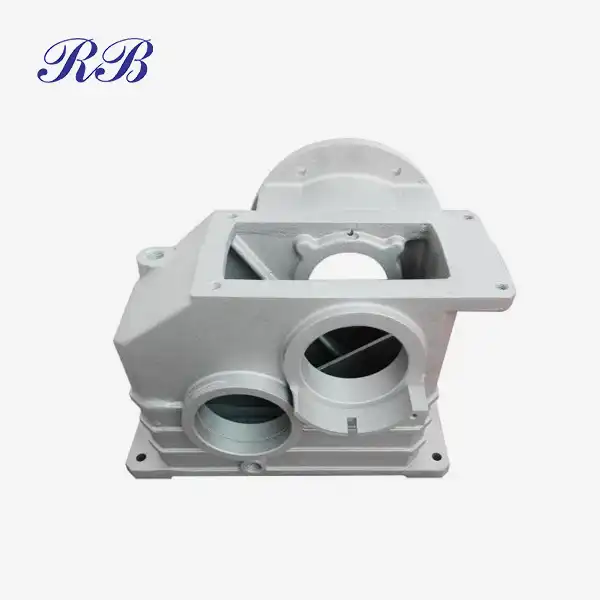
Learn about our latest products and discounts through SMS or email