- English
- French
- German
- Portuguese
- Spanish
- Russian
- Japanese
- Korean
- Arabic
- Greek
- German
- Turkish
- Italian
- Danish
- Romanian
- Indonesian
- Czech
- Afrikaans
- Swedish
- Polish
- Basque
- Catalan
- Esperanto
- Hindi
- Lao
- Albanian
- Amharic
- Armenian
- Azerbaijani
- Belarusian
- Bengali
- Bosnian
- Bulgarian
- Cebuano
- Chichewa
- Corsican
- Croatian
- Dutch
- Estonian
- Filipino
- Finnish
- Frisian
- Galician
- Georgian
- Gujarati
- Haitian
- Hausa
- Hawaiian
- Hebrew
- Hmong
- Hungarian
- Icelandic
- Igbo
- Javanese
- Kannada
- Kazakh
- Khmer
- Kurdish
- Kyrgyz
- Latin
- Latvian
- Lithuanian
- Luxembou..
- Macedonian
- Malagasy
- Malay
- Malayalam
- Maltese
- Maori
- Marathi
- Mongolian
- Burmese
- Nepali
- Norwegian
- Pashto
- Persian
- Punjabi
- Serbian
- Sesotho
- Sinhala
- Slovak
- Slovenian
- Somali
- Samoan
- Scots Gaelic
- Shona
- Sindhi
- Sundanese
- Swahili
- Tajik
- Tamil
- Telugu
- Thai
- Ukrainian
- Urdu
- Uzbek
- Vietnamese
- Welsh
- Xhosa
- Yiddish
- Yoruba
- Zulu
What is better, steel or aluminum driveshaft?
Whether you choose a steel or aluminium driveshaft depends on your application, where it will be used, and how important performance is to you. An industrial setting that needs high power, corrosion resistance, and long-term longevity in harsh conditions is a great place for a stainless steel drive shaft. On the other hand, aluminium driveshafts are lighter, which lowers the spinning mass, speeds up the reaction time, and uses less fuel. This is especially helpful in aerospace and high-performance car settings. These two things don't always work better than each other. To make a choice that works in real life, procurement workers need to think about things like load needs, weather exposure, maintenance skills, and total lifetime costs.
Understanding Driveshaft Materials: Steel vs Aluminum
Driveshafts are big mechanical parts that send power from engines or motors to wheels, propellers, or machinery that needs to be driven in the automotive, marine, aerospace, and industrial equipment fields. The performance traits like strength-to-weight ratio, rotational stiffness, wear longevity, and resistance to corrosion are all affected by the material that is used.
Steel Driveshaft Composition and Properties
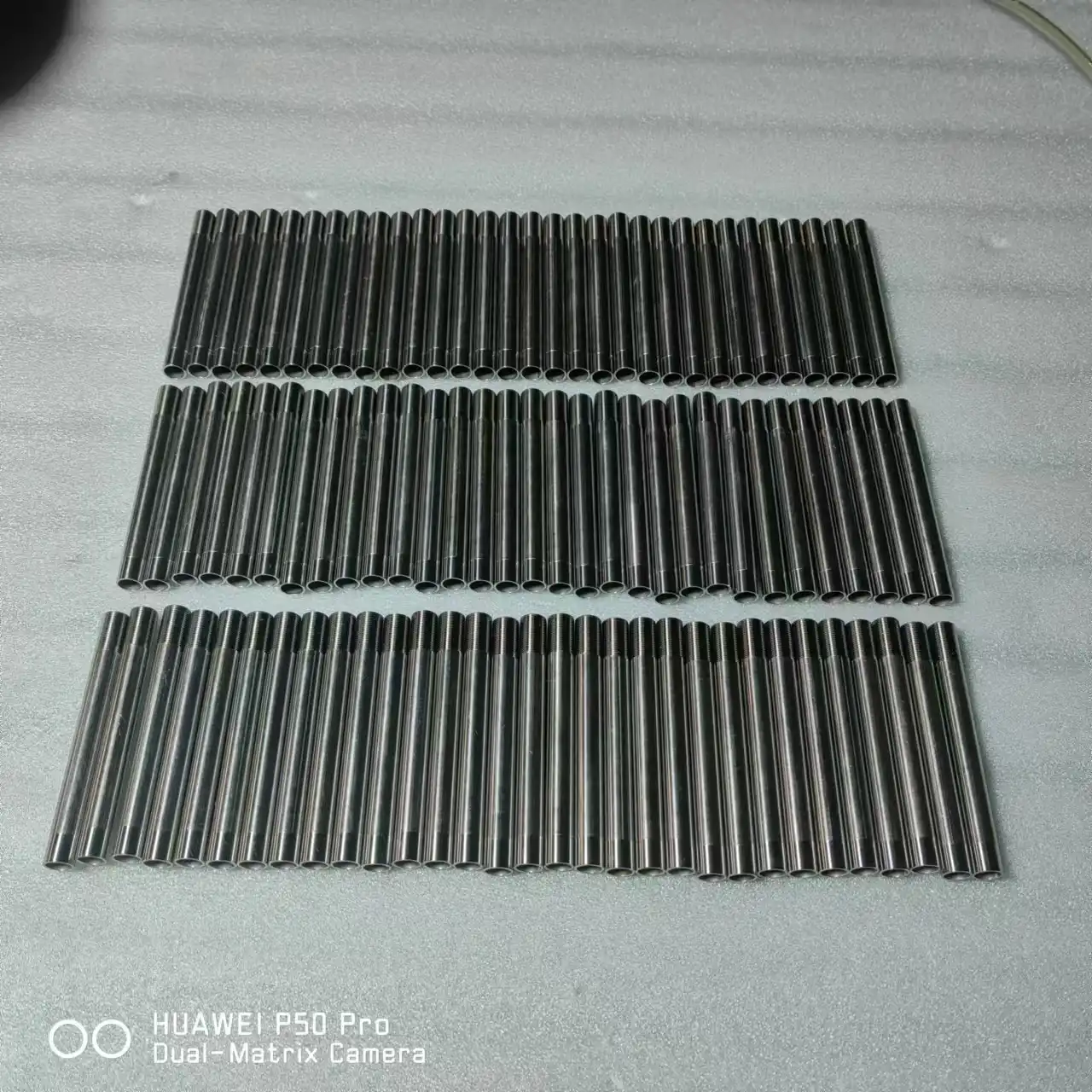
Carbon steel or stainless steels like 304 and 316 are the main types of steel used to make driveshafts. About 18% of stainless steel 304 is chromium and 8% is nickel. This metal doesn't rust and has strong mechanical properties. Tensile strength for this metal is between 517 and 720 MPa, and torsional strength is better. This means that it can handle big twisting loads without breaking. Nickel in steel makes an oxide layer that protects it from rust and chemical damage. This means that steel rods can be used in places like the ocean, chemical plants, and outdoor work tools that are exposed to water and chemicals that break down metals.
Aluminum Driveshaft Characteristics
Aluminium driveshafts are often made of 6061-T6 or 7075-T6 metals, which are about one-third as dense as steel but are still strong enough. Pulling strength of 6061-T6 metal is about 310 MPa, and it is very easy to weld and shape. Because it weighs less, it has less spinning friction. This means that it can speed up and slow down more quickly. Aluminium naturally forms a layer of aluminium oxide on its surface that keeps it from rusting in air. But when it comes to harsh chemicals or saltwater, this layer isn't as strong as the chromium oxide shield on stainless steel.
Industry Application Contexts
Steel driveshafts are used in most heavy machinery, marine power systems, farming tools, and military vehicles when maximum torque and impact strength are more important than weight. Automakers ask for models made of stainless steel for big trucks, buses, and off-road vehicles that work in environments that are prone to corrosion. In high-performance cars, racing, lightweight aerospace systems, and other places where reducing unsprung or rotating mass leads to measurable efficiency gains, aluminium shafts are used a lot. To make cars that get better gas economy, more and more aluminium is being used in large-scale car production.
Comparative Analysis: Steel vs Aluminum Driveshafts for B2B Applications
If you want to buy something, you should think about more than just how much it costs. You need to think about how each choice will affect how well the business runs, when it needs to be maintained, and how reliable it will be in the long run.
Performance and Load Capacity
Since steel driveshafts are stronger when it comes to rotational strength, they can handle more power without bending or breaking. This is a very important trait for big machines, industrial pumps, and tools that have to deal with shocks or loads that change. A stainless steel drive shaft that has been CNC made can have very accurate measurements (±0.05mm) and keep its shape even after long periods of high-stress use. Even though aluminium shafts can handle some force, they need tubes with a larger diameter to match the torsional rigidity of steel. This could mean that some of the weight savings aren't worth it. Aluminium has a modulus of elasticity of about 69 GPa, while steel has about 200 GPa. This means that steel bars don't bend as easily when the loads are the same.
Durability and Fatigue Resistance
Steel is very resistant to wear and can withstand millions of stress cycles without breaking if it is made and kept in good shape. Because it doesn't rust or pit, stainless steel lasts longer in tough settings where other materials break down quickly. Al metals don't break easily, but they are more likely to break where stress builds up, like on the surface or at connection points. Surface treatments, such as shot blasting, add helpful compressive pressures that make metal more immune to fatigue. However, these treatments cost more and take longer to do.
Corrosion Resistance Comparison
The rust resistance of stainless steel 304 is very good in a lot of places, from chemical plants to warm, wet places. It doesn't need any extra coats to protect it from rust, chloride attack, and general air damage because it is made of chrome and nickel. This feature cuts down on the time between maintenance chores and gets rid of the need to clean it regularly. The protective oxide layer on aluminium is good at stopping corrosion in air, but it breaks down quickly in salty or acidic places. This could mean that it needs to be anodised or coated, which makes it more expensive to buy and harder to keep up.
Total Cost of Ownership Analysis
Aluminium driveshafts usually cost 40 to 60 percent more than steel ones of the same size when you first buy them. This is because they have to be made in a special way and the materials are more expensive. However, this initial cost might be more than made up for by using less gas or wearing out engine parts more slowly. Of course, steel rods cost more to install because they are heavy. But they cost less to buy in the first place. When used in acidic environments, stainless steel parts usually need less care than aluminium parts, which need to be checked and maybe changed more often. Businesses that work in clean, controlled settings may be able to save money by using aluminium more often without having to do as much upkeep.
How are stainless steel driveshafts manufactured and maintained?
Procurement teams can set the right quality standards and guess what kind of help will be needed throughout the lifecycle if they know how things are made and what needs to be done for maintenance.
Manufacturing Process and Quality Control
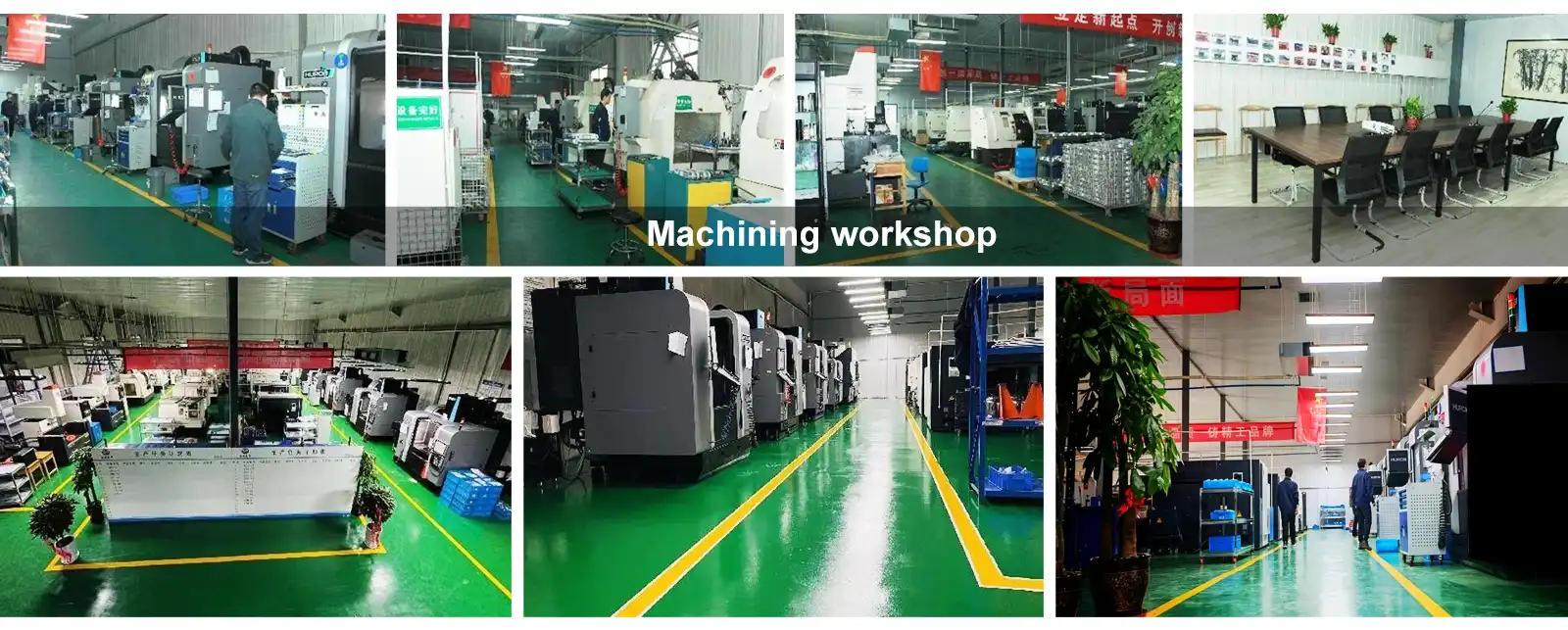
Picking the right grade of stainless steel for the job is the first thing that needs to be done when making a stainless steel drive shaft. Most of the time, grade 304 is fine for everyday use, but grade 316 is better for chemical and sea exposure. Precision CNC cutting is used in production to make sure that parts are the right size, have the right balance, and have the right surface finish. Multi-axis CNC machines are used in modern factories. These machines can work with complicated shapes and keep the tight tolerances needed for vibration-free operation. Shot blasting the surface gets rid of the lines left over from the cutting process, makes the surface load good, and gets the parts ready for the final assembly.
To make sure the quality meets ISO9001:2015 standards, quality control steps include positively identifying the material using spectrographic analysis to confirm the alloy composition, using coordinate measuring machines to check the sizes, dynamic balancing to G2.5 standards according to ISO 1940-1, and using non-destructive testing like dye penetrant inspection to find flaws on the surface. For cars, these steps make sure that parts meet the strict IATF16949 quality standards. For planes, if needed, they also meet the AS9100D standards.
Maintenance Best Practices
A stainless steel drive shaft will last longer and keep working well if it is taken care of regularly. Regular checks should be done at the times suggested by the manufacturer to see if the universal joint or coupling is stable and to look at the shaft surfaces for corrosion, cracks, or deformation. To clean stainless steel, you need to use the right cleaners that won't hurt the passive layer to get rid of built-up dirt, oils, and other impurities. You should only grease the bearing assemblies and connection places that the maker tells you to (if there are any). Too much oil will make dirt and other things stick to it.
Expected Durability and Influencing Factors
In the business world, stainless steel drive shafts can last for 15 to 20 years straight if they are well taken care of. In some sea settings, they can last longer than 25 years. What you do at work has a big effect on how long something lasts. For example, things don't break down much in controlled indoor settings, but they do break down faster in outdoor or marine settings because of the weather. How long something lasts depends on how often the load changes, how much power is used, how uneven the parts are, and the temperature ranges in which it is used. Bearings and shafts don't wear out too quickly if the installation is aligned correctly, and interference damage during thermal expansion can't happen if the right clearances are kept.
Making the Right Choice: Steel or Aluminum Driveshaft?
There are times when procurement managers have to make tough decisions between different performance factors and business limits. Systematic decision models help them do this.
Decision Framework for Material Selection
Material choices should be based on what's best for the business, not on what you want. When something needs to handle a lot of pressure, keep things from hitting each other, and last a long time in harsh conditions, steel frame is the best choice. Aluminium costs more at first, but it is worth it for uses that care about weight and where having less rotating mass leads to performance or efficiency gains that can be measured. Projects that want to save money might be ready to deal with the extra weight of steel in order to get it for less money. Premium uses, on the other hand, can get the best total lifetime costs by using metal, which doesn't need as much fuel or maintenance.
Industry-Specific Matching Guidelines
When commercial vehicles, buses, and big trucks are made, they always need driveshafts made of steel that can handle high torque loads and long repair times. Replaceable aluminium is being used more and more in fast cars that want to get better gas mileage or cut down on the time it takes to go a quarter mile. Aluminium is used for light-weight tasks in the aerospace and defence industries, and it can be checked and changed more often. Seaside places need stainless steel drive shafts because they don't rust like metal does when it comes in contact with saltwater. Industries that make machines and tools for work choose based on the job cycle strength. For instance, steel is better for heavy-load operations that happen all the time, while aluminium might be fine for intermittent or light-duty operations.
Long-Term Business Outcomes
When maintenance needs to be done, how many spare parts need to be kept on hand, and how often equipment breaks down are all affected by the materials used. Steel parts last longer, so they don't need to be changed as often. This saves money on work costs. But because they are heavier, they may cost more to install at first and need more support from the structure. It takes less energy to move or rotate metal because it is lighter than other materials. This could help cover the higher price of buying it through smart savings. To lower risk, you can keep qualified alternative sources on hand, set up test methods for parts to back up performance claims, and start condition tracking programs to find wear and tear before it leads to catastrophic failures.
Conclusion
If you need to fit the performance needs of the application with your budget and working limits, then steel or aluminium driveshafts are the better choice. You can handle high torques with stainless steel drive shafts because they are strong and won't rust. When safety and long life are more important than weight, they are used in heavy industry, the navy, and performance cars. Aluminium is great when weight is important and a lower spinning mass makes something more efficient, faster, or use less fuel, which more than makes up for the higher cost of buying it. To order something successfully, you need to carefully consider suppliers, be clear on the technical requirements, and know that the total lifetime costs—which include buying, installing, keeping, and replacing—are more important than the buying price itself. Companies can get reliable driveshaft solutions that keep their equipment going smoothly for longer by working with approved makers who have strict quality control systems in place and matching the properties of the materials to what they will be used for.
FAQ
1. Which material suits marine propulsion better?
Stainless steel drive shafts work much better in military settings than metal ones because they don't rust as easily in salt water. In types 304 or 316 stainless steel, the mix of chromium and nickel guards against chloride attack. Chloride breaks down aluminium quickly, even when it is coated or anodised. Steel that lasts longer and needs less maintenance can handle the extra weight of marine applications.
2. What are typical lead times for custom orders?
It usually takes 6 to 8 weeks to make a custom stainless steel drive shaft from the time the specs are accepted until it is delivered. Getting the materials, CNC milling, surface treatment, quality control, and shipping overseas are all part of this. This can be done faster than 4 to 5 weeks if the provider has standard tools and raw materials on hand. To get the most out of the process when making more than 5,000 pieces, you need to do certain production runs.
3. How do I measure for driveshaft replacement?
For an accurate measurement, you need to find the center-to-center distance between connection points with the suspension at its operating ride height. You should also write down the specifications for the flange or yoke, any phasing requirements for multi-piece assemblies, and the diameter limits that other parts nearby impose. Suppliers who are professionals offer measuring guides and technical help to make sure the right requirements are met.
Partner with Rongbao Enterprise for Precision Stainless Steel Drive Shaft Manufacturing
Rongbao Enterprise has 20 years of experience making precision products and can offer full stainless steel drive shaft solutions. These methods work great for tasks that need to be done well and consistently. We have ISO9001:2015, ISO14001, and ISO45001 certifications for our buildings in Xi'an, China. Modern CNC machines and strict quality control methods are used to make sure that all of the parts they make meet the highest international standards. We are very good at making things to order, and we can handle orders from one piece to 5,000 or more. We only use Stainless Steel 304 that has been carefully cut and shot-blasted to make it work best and last the longest.
Manufacturers of cars, industrial equipment, and machinery parts all work with our engineering team during the planning, testing, and mass production stages. They help with engineering at the same time, which speeds up the process of getting a product to market and makes it easier to make. We know what quality standards people all over the world expect because 70% of our sales go to market in Europe, the US, and Japan. Our OTD rates stay above 98% because we carefully plan our production and keep an eye on the whole supply chain.
Our technical staff is ready to talk to you about your needs, whether you need a source for stainless steel drive shafts for ongoing production or unique solutions to solve issues in a certain application. Contact Steve Zhou directly at steve.zhou@263.net or zhouyi@rongbaocasting.com to explore how our full manufacturing services, which include design, casting, machining, surface treatment, and final inspection, can help your business succeed by giving you reliable, precisely engineered parts that are delivered on time and on budget.
References
1. Budynas, R.G. & Nisbett, J.K. (2020). Shigley's Mechanical Engineering Design, 11th Edition. McGraw-Hill Education.
2. American Society for Metals. (2018). Stainless Steels for Design Engineers. ASM International Handbook Series.
3. Campbell, F.C. (2008). Elements of Metallurgy and Engineering Alloys. ASM International Materials Selection Guide.
4. Society of Automotive Engineers. (2019). SAE J1664: Universal Joints and Driveshafts - Testing Procedures. SAE International Standards.
5. Aluminum Association. (2021). Automotive Aluminum: The Performance Advantage. Technical White Paper Series.
6. Davis, J.R. (2001). Alloying: Understanding the Basics. ASM International Reference Publication.
Learn about our latest products and discounts through SMS or email