- English
- French
- German
- Portuguese
- Spanish
- Russian
- Japanese
- Korean
- Arabic
- Greek
- German
- Turkish
- Italian
- Danish
- Romanian
- Indonesian
- Czech
- Afrikaans
- Swedish
- Polish
- Basque
- Catalan
- Esperanto
- Hindi
- Lao
- Albanian
- Amharic
- Armenian
- Azerbaijani
- Belarusian
- Bengali
- Bosnian
- Bulgarian
- Cebuano
- Chichewa
- Corsican
- Croatian
- Dutch
- Estonian
- Filipino
- Finnish
- Frisian
- Galician
- Georgian
- Gujarati
- Haitian
- Hausa
- Hawaiian
- Hebrew
- Hmong
- Hungarian
- Icelandic
- Igbo
- Javanese
- Kannada
- Kazakh
- Khmer
- Kurdish
- Kyrgyz
- Latin
- Latvian
- Lithuanian
- Luxembou..
- Macedonian
- Malagasy
- Malay
- Malayalam
- Maltese
- Maori
- Marathi
- Mongolian
- Burmese
- Nepali
- Norwegian
- Pashto
- Persian
- Punjabi
- Serbian
- Sesotho
- Sinhala
- Slovak
- Slovenian
- Somali
- Samoan
- Scots Gaelic
- Shona
- Sindhi
- Sundanese
- Swahili
- Tajik
- Tamil
- Telugu
- Thai
- Ukrainian
- Urdu
- Uzbek
- Vietnamese
- Welsh
- Xhosa
- Yiddish
- Yoruba
- Zulu
Is the six-way alarm control box suitable for outdoor applications?
When evaluating security infrastructure for outdoor environments, many procurement managers and engineers ask whether a six-way alarm control box can reliably perform outside. The straightforward answer is yes—when properly specified and installed with appropriate environmental protection. These multi-zone control units can effectively manage outdoor security systems across industrial facilities, construction sites, and commercial properties, provided they meet specific IP ratings and incorporate weather-resistant enclosures. Understanding the technical requirements, installation best practices, and material considerations ensures your outdoor alarm system delivers consistent performance regardless of environmental stressors. This comprehensive guide addresses the key factors that determine outdoor suitability and helps you make informed procurement decisions.
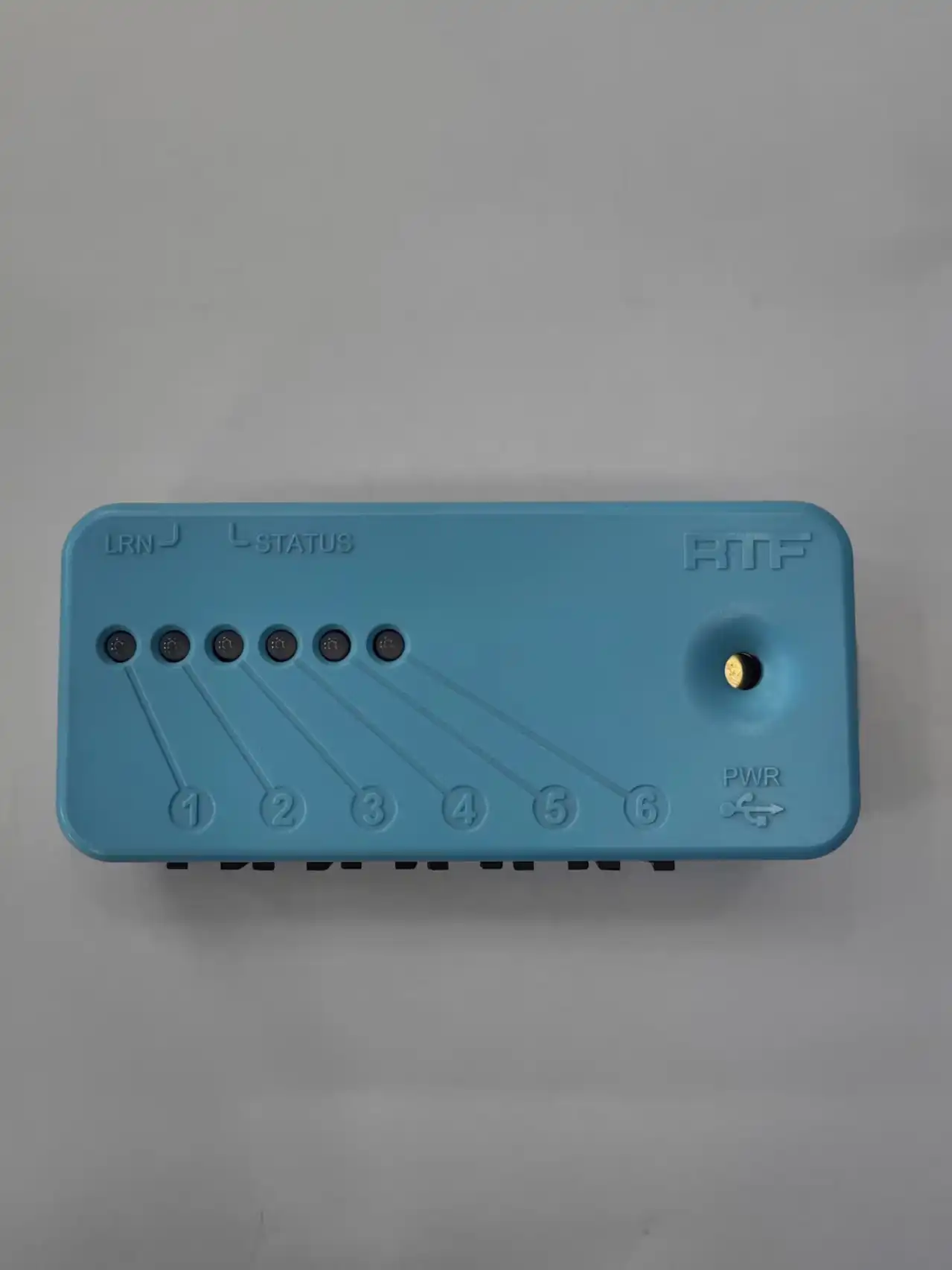
Understanding the Six-Way Alarm Control Box
Core Functionality and Architecture
At its core, this control unit oversees six separate detection zones at the same time. Each zone is linked to a specific group or type of sensors, which lets security staff pinpoint exactly where breaches or strange behaviour happen. The device receives signs, applies logic rules, and sets off the right reactions, such as sounding sirens, sending network alerts, or triggering automatic barriers.
The technical architecture usually has separate input channels whose sensitivity can be set, relay outputs for controlling devices outside the system, and communication interfaces that work with both wired and wireless protocols. Modern units often connect to building management systems using Modbus, BACnet, or their own protocols. This lets a central hub keep an eye on all the facilities that are spread out.
Typical Application Scenarios
These six-way alarm control boxes work great in places where zone‑specific monitoring is needed. They are used to divide up perimeter fencing, storage areas for equipment, and entry points in industrial yards. They are used on construction sites to keep people from getting into tool bins, material stacks, and areas where no one is supposed to be. They are used in energy systems for entry to substations, generator enclosures, and cabinets for important equipment. The six‑way alarm control box fits perfectly into such applications, providing dedicated alarm outputs for each defined zone to enhance security and response.
The operational workflow is simple: sensors pick up on changes in the areas they are monitoring and send signals to the control box via wired or wireless connections. The processor then compares these inputs to set parameters, and the system acts in a way that was planned ahead of time. This simplicity makes it more reliable while still letting it do complex detecting.
Key Technical Specifications
Several details need to be taken into account when evaluating outdoor deployment. Many industrial-grade units work between -40°C and 70°C, which should be able to handle the extremes of your climate. For places where the power supply isn't stable, the input voltage tolerance is important. Look for a wide range acceptance (9–30VDC) and built-in surge protection. Communication methods need to work with the hardware that is already in place, whether it's an old RS-485 network or a new Ethernet-based system.
Connectivity options have a direct effect on how flexible an installation can be. For permanent setups with conduit-protected wiring, terminal block inputs work well. Quick-disconnect connections, on the other hand, make upkeep and seasonal deployments easier. How long the system stays protected during power outages depends on how much battery backup capacity it has. This is an important thing to think about for remote areas that don't have reliable grid access.

Challenges and Considerations for Outdoor Use
Outdoor electronics are constantly exposed to weather conditions that indoor electronics never have to deal with. When the temperature changes, things expand and contract, which puts stress on solder joints and connector interfaces. When shelters don't have good covers, humidity can get inside and corrode contacts and lower insulation resistance. When dust builds up between terminals, it creates conductive paths that could lead to false triggers or system failures.
Environmental Stressors and Protection Requirements
Because of these facts, choosing a shelter is very important. The IP (Ingress Protection) rating system gives consistent measures of how well something can handle the environment. Outdoor control boxes must have at least an IP65 grade, which means they must be completely protected from dust and water jets coming from any direction. IP67 or IP68 ratings are good for installations near the coast or in wash-down areas because they stop water from getting in during temporary submersion.
Besides the cage itself, where it is mounted has a big impact on how long it lasts. Direct sunlight speeds up the breakdown of materials and raises temperatures inside buildings above what the parts are designed to handle. Putting units under eaves, in cabinets with air flow, or behind sun shields greatly increases their service life. Shock-mounted installations keep connections from coming loose and circuit boards from micro-cracking because of vibrations from nearby machinery or vehicle traffic.
Material Selection and Corrosion Resistance
How well the six-way alarm control box cover holds up over years of being outside depends on the material it is made of. When treated correctly, die‑cast aluminium alloys naturally resist corrosion and have a high strength‑to‑weight ratio. Powder coating protects surfaces for a long time and is better at resisting UV damage and chemical exposure than liquid paints. Stainless steel versions offer the best corrosion protection for naval or chemical processing settings, but they are more expensive.
The same amount of care should be given to internal parts. Nickel-plated metal terminal blocks keep their electrical integrity even when they are wet. When applied to computer boards, conformal coating acts as a shield against moisture and other contaminants. Cable glands with the right IP ratings stop water from wicking along the conductor strands and into the enclosure. This is a common way for housings to fail that can't be fixed by sealing them well.
Wiring Vulnerabilities and Protection Strategies
In most outdoor alarm systems, the wiring that goes to the outside is the weakest link. Ultraviolet radiation breaks down insulation layers, which makes wires weak and easy to crack. Mice and rats chew through cables to find things to nest in or because they are attracted to plasticiser compounds. Intermittent faults are hard to figure out because they are caused by damage to the machinery from landscaping tools, car contact, or dirt that settles.
Conduit systems fix these problems, but they are harder to set up and cost more. For underground runs in stable soil, PVC conduit is enough. Rigid metal conduit is better for mounting on the ground where impact protection is important. Flexible conduit that doesn't leak liquids can handle equipment vibrations and get around obstacles. For underground setups, covering the cable in sand bedding and putting warning tape 12 inches above it can help keep the digging from damaging the cable.

Installation and Best Practices for Outdoor Deployment
Preparing the spot properly is the first step to a successful outdoor installation. For surface-mounted applications, backing plates must be securely attached to structural members that can hold the weight of the enclosure plus wind loads. Anchors made of concrete that can withstand being outside keep things from falling apart because of corrosion. Hardware made of stainless steel can handle the same weather conditions that affect the control box. Leaving at least 6 inches of space around the enclosure on all sides that can be reached makes maintenance easier and makes sure there is enough air flow.
Step-by-Step Installation Guidelines
Planning where to enter the cable stops common installation mistakes. By letting pipelines enter from below, water can't build up inside the box, even if some of the seals fail. Instead of multi-conductor pass-throughs, using separate cable glands for each conductor run makes the seals tighter and makes replacement easier if one sensor needs service. By leaving service loops inside the box, terminal blocks can be reconnected without having to cut external wire runs.
When power wiring is outside, extra care needs to be taken. Dedicated circuit breakers that are the right size for the control box load plus a 25% safety gap keep things from tripping for no reason. When placed at the point where power comes in, surge protection devices protect against transients caused by lightning and utility switching events. Following the local electrical code for proper grounding protects people and cuts down on false alarms caused by electrical noise.
Compliance Standards and Certifications
Depending on where they are placed and the type of building they are protecting, outdoor security systems must meet a number of different rules. Article 760 of the National Electrical Code (NEC) governs fire alarm and signalling circuits and is often used in North American projects. These rules are helpful for all kinds of alarm systems, not just fire alarms. They explain how to wire, what kind of power supply is needed, and how to protect circuits in a way that is safe for critical safety systems.
European installations meet the requirements of the Low Voltage Directive (LVD) and the Electromagnetic Compatibility Directive (EMC Directive). This is shown by the CE marking. When installing control boxes in potentially explosive environments, industrial facilities may also need ATEX certification. These certifications make sure that devices won't start fires in dangerous places, which is important for uses like handling chemicals, moving grains, and storing fuel. The six-way alarm control box complies with these same certification standards, ensuring that its six independent alarm channels operate safely and reliably even in hazardous zones.
Products that are approved to ISO9001, ISO14001, and ISO45001 standards come from companies that consistently handle quality, care about the environment, and support worker health. These certifications show that a company uses a planned method to preventing defects and improving all the time, which results in reliable goods that meet certain performance standards.
Maintenance and Longevity Strategies
Regular care makes outdoor control boxes last longer and stops them from breaking down when they're least expected. Checking the soundness of the box seal every three months should include checking the gaskets for compression set and cable gland tightness. When the weather is dry, opening the enclosure lets you look inside for signs of condensation, corrosion on the connections, or bug entry. Cleaning up dust and other debris that has built up stops moisture retention and temperature problems.
Testing the method once a year makes sure it works in real life. Setting off each zone separately confirms that the detection and response are working correctly. Testing the backup battery's volume and strength to make sure it has enough power for the runtime is done. By putting load on relay outputs, worn-out contacts can be found before they fail during real events. Writing down all of your testing and maintenance tasks helps you figure out what's wrong when problems happen and sets baselines for analysing trends.
Monitoring the environment inside the cage lets people know early on when problems are starting to happen. Temperature data loggers find areas with too much heat buildup, which could mean that airflow is blocked or there are nearby heat sources. Humidity indicators show when a seal is breaking down before corrosion spreads. These small additions don't cost much, but they give useful diagnostic information during regular checks.

Conclusion
When putting alarm control boxes outside, you need to be careful to protect the environment, follow the right installation steps, and choose a supplier carefully. Six-zone setups are useful for medium‑complexity sites because they offer enough capacity while keeping the system's complexity doable. To be successful, you need to choose materials that don't rust, make sure that the wiring is protected from damage from the environment, and work with manufacturers who can show that they have quality certifications and enough production capacity. Buying outdoor‑rated equipment and having a professional install it will pay off in the long run by making the system more reliable and requiring less upkeep. The six-way alarm control box fits well into this approach, providing centralized monitoring and clear zone identification for outdoor installations.
FAQ
1. Can standard control boxes work outdoors with added enclosures?
Putting protective covers around normal units helps protect them from the environment, but outdoor-rated control boxes are more reliable. Standard devices usually have parts that are only good for a certain range of temperatures and don't have a conformal coating that keeps circuit boards dry in humid conditions. External enclosures make things bigger and more difficult to install, but they still leave links open to the world. Protection features are built into dedicated outdoor units from the start, so they work better over time.
2. What IP rating suffices for most outdoor alarm applications?
IP65 is the bare minimum for outdoor installations that are meant to be exposed to the elements. It protects against dust and water jets from all directions. IP67 grades keep water out during short submersion and are useful in coastal areas, places that need to be cleaned often, or areas that are prone to flooding. IP68-rated shelters that can survive constant submersion are only needed in very harsh environments. However, most outdoor security applications don't need this level of protection.
3. How does weather affect wireless sensor communication?
Most current wireless systems that work in license-free bands don't get affected much by rain or humidity. Range loss of 10–20% during heavy rain is typical, but rarely a problem if systems are built correctly and have enough margin. Extreme temperatures have a bigger effect on the batteries in wireless sensors than on signal transmission. Cold weather greatly lowers the batteries' useful capacity, while heat speeds up the breakdown of chemicals. Metal buildings and lots of trees block signals no matter what the weather is like, so careful site surveys are needed during the planning stages.
Partner with Rongbao Enterprise for Reliable Outdoor Security Solutions
Rongbao Enterprise makes precisely engineered parts for alarm systems, such as long-lasting control box enclosures made for harsh outdoor conditions. Our factory in Xi'an, China, uses modern die-casting, precise cutting, and a wide range of finishing techniques to make 50,000 high-quality units every year. Each part is certified to meet the standards for ISO9001:2015, ISO14001, and ISO45001, which guarantees consistent quality and care for the environment.
We offer full customisation services that are made to fit the needs of your application. These include custom specs, OEM/ODM capabilities, and design advice to help you reach your security infrastructure goals. Our goods are shipped all over the world in secure cartons and wooden boxes, and they arrive ready to be put together. We know how important accuracy and dependability are for your projects because we are an established six-way alarm control box provider to the automobile, construction equipment, and industrial sectors.
To talk about your needs for outdoor security components, please email our technical team at steve.zhou@263.net or zhouyi@rongbaocasting.com. We offer competitive prices for large orders, quick engineering help, and a reliable supply chain that keeps your projects on track.
References
1. National Fire Protection Association. NFPA 72: National Fire Alarm and Signaling Code. 2022 Edition.
2. International Electrotechnical Commission. IEC 60529: Degrees of Protection Provided by Enclosures (IP Code). Third Edition, 2013.
3. Johnson, Michael R. Security Systems Installation and Maintenance Handbook. McGraw-Hill Professional, 2019.
4. IEEE Standards Association. IEEE 1394: Standard for High Performance Serial Bus. 2021 Revision.
5. British Standards Institution. BS EN 50131: Alarm Systems - Intrusion and Hold-up Systems. Part 1-6, 2018.
6. Anderson, Robert K. Environmental Testing for Electronic Equipment: Reliability Engineering Perspectives. Wiley-IEEE Press, 2020.
_1751078338779.webp)
Learn about our latest products and discounts through SMS or email