- English
- French
- German
- Portuguese
- Spanish
- Russian
- Japanese
- Korean
- Arabic
- Greek
- German
- Turkish
- Italian
- Danish
- Romanian
- Indonesian
- Czech
- Afrikaans
- Swedish
- Polish
- Basque
- Catalan
- Esperanto
- Hindi
- Lao
- Albanian
- Amharic
- Armenian
- Azerbaijani
- Belarusian
- Bengali
- Bosnian
- Bulgarian
- Cebuano
- Chichewa
- Corsican
- Croatian
- Dutch
- Estonian
- Filipino
- Finnish
- Frisian
- Galician
- Georgian
- Gujarati
- Haitian
- Hausa
- Hawaiian
- Hebrew
- Hmong
- Hungarian
- Icelandic
- Igbo
- Javanese
- Kannada
- Kazakh
- Khmer
- Kurdish
- Kyrgyz
- Latin
- Latvian
- Lithuanian
- Luxembou..
- Macedonian
- Malagasy
- Malay
- Malayalam
- Maltese
- Maori
- Marathi
- Mongolian
- Burmese
- Nepali
- Norwegian
- Pashto
- Persian
- Punjabi
- Serbian
- Sesotho
- Sinhala
- Slovak
- Slovenian
- Somali
- Samoan
- Scots Gaelic
- Shona
- Sindhi
- Sundanese
- Swahili
- Tajik
- Tamil
- Telugu
- Thai
- Ukrainian
- Urdu
- Uzbek
- Vietnamese
- Welsh
- Xhosa
- Yiddish
- Yoruba
- Zulu
What is a low pressure casting flange part?
Low pressure casting flange parts represent a specialized manufacturing process that combines precision engineering with efficient production techniques. These components play a crucial role in various industries, from automotive to aerospace, offering unique advantages in terms of quality, cost-effectiveness, and design flexibility. In this comprehensive guide, we'll explore the intricacies of low pressure casting flange parts, their applications, and why they're becoming increasingly popular in modern manufacturing.
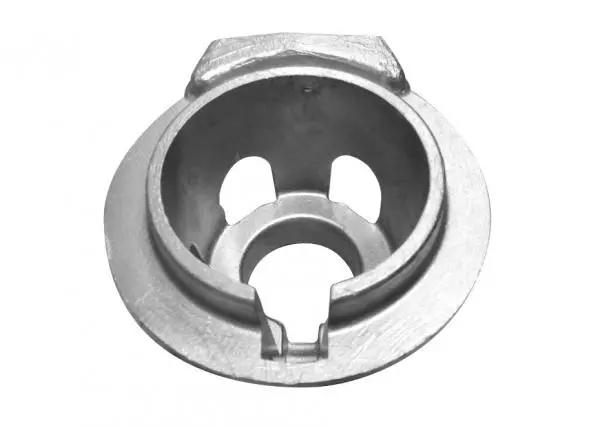
Flange Components Manufactured Using A Low‑Pressure Casting Process
Low pressure casting (LPC) is an advanced metal casting technique that offers several advantages over traditional casting methods. When applied to flange components, this process yields parts with superior mechanical properties and surface finish. Here's a deeper look at how LPC is used to manufacture flange components:
Advantages of LPC for Flange Production
Low-Pressure Casting (LPC) is a great way to make flanges because it has several benefits, the most important of which are improved quality and efficiency. Significantly improved mechanical characteristics and a significant decrease in porosity are two major advantages. The regulated, laminar flow of the molten metal into the mold cavity allows for better venting of gasses and air, reducing the likelihood of gas pockets forming within the casting. The end product is flanges that are more resistant to fatigue, have better structural integrity, and are more dependable in high-pressure environments. On top of that, the procedure gives you complete command over the solidification time. Keeping the pressure up allows the LPC system to compensate for shrinkage by constantly feeding the casting with molten metal as it solidifies. Microstructures are denser and more uniform when solidification is regulated and directed back into the feed system from the flange's edges. On top of producing thin-walled sections with high dimensional accuracy and excellent surface finish straight from the mold, LPC minimizes material waste, increases overall yield rates, and makes manufacturing more cost-effective by reducing the need for extensive post-machining.
Design Considerations for LPC Flanges
When designing flanges specifically for the Low-Pressure Casting process for Low pressure casting flange parts, engineers must carefully consider several factors to leverage the process's benefits and ensure manufacturability. Paramount among these is the management of wall thickness variations. While LPC excels at filling thin sections, uniform wall thickness is ideal to promote simultaneous solidification and prevent defects like shrinkage porosity in isolated thick areas. If variations are necessary, transitions should be gradual. Draft angles are another critical consideration; although the metal core withdrawal is mechanized, incorporating a minimal draft angle is essential to prevent drag marks and facilitate a smooth, damage-free ejection from the mold. Additionally, the strategic placement of the gate—the point where metal enters the cavity—is crucial as it is fixed in LPC. It must be positioned to ensure optimal metal flow, minimizing turbulence and directing solidification patterns. Finally, the integration of functional features such as reinforcing ribs and bosses is highly feasible. These elements enhance strength and functionality without compromising the filling process, but their design must avoid creating hot spots that could lead to shrinkage issues, ensuring the final flange component is both robust and castable.
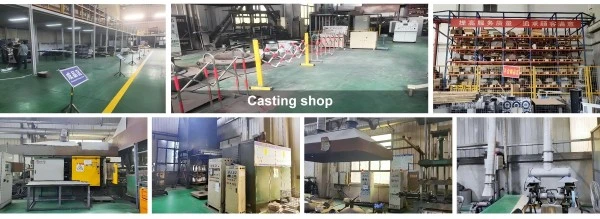
The LPC Process for Flanges
The Low-Pressure Casting (LPC) process for flanges begins with a furnace of molten aluminum alloy situated directly beneath a sealed mold. Instead of being poured, the metal is forced upward into the mold cavity through a refractory-lined feed tube (or stalk) by applying a low pressure of inert gas—typically between 0.3 and 1.5 bar—onto the surface of the melt. This bottom-filling technique is fundamental to the process's success. When contrasted with traditional gravity casting, this controlled, counter-gravity filling is far more delicate, resulting in significantly less turbulence and agitation as the metal enters the cavity. The reduction in turbulence is critical as it drastically minimizes the entrapment of air and the formation of oxides within the molten metal. Since oxides can act as initiation sites for cracks and reduce mechanical performance, their minimization directly contributes to the production of higher-quality flange components with improved metallurgical soundness and greater consistency in their final properties.
Material: ZL101
ZL101 is a popular aluminum alloy used in the production of low pressure casting flange parts. This alloy offers a unique combination of properties that make it ideal for flange applications:
Composition and Properties of ZL101
An aluminum-silicon alloy, ZL101 has a well-balanced combination of physical and mechanical qualities due to its exact chemical composition. Its low density is due to aluminum, its principal component, which makes about 91.2–93.3% of the overall mass. The alloy also contains 6.5-7.5% silicon—an element essential for improving the alloy's flow and castability—0.25-0.45% magnesium—which, when heated, increases the alloy's strength—and 0.08-0.2% titanium—which refines the grain structure. There can be traces of other substances as well.This specific elemental synergy results in a material renowned for its excellent castability, making it highly suitable for low-pressure casting processes like Low pressure casting flange parts. Furthermore, it exhibits good mechanical strength, high resistance to corrosion, and a low density of approximately 2.68 g/cm³, establishing a solid foundation for its application in demanding components like flange parts.
Why ZL101 is Ideal for Low Pressure Casting Flange Parts
Because of its unique characteristics, ZL101 is ideal for use in low-pressure casting (LPC) processes, which are used to produce flange components. First of all, it is ideal for the LPC process because its low melting point (about 570°C to 650°C) allows for affordable and efficient melting and casting. Secondly, the alloy's high fluidity makes it easy to fill complex mold holes. This is mostly because to the silicon concentration. Producing intricate flange geometries with thin sections and fine details is made much easier with this essential advantage, which guarantees full mold filling and a flawless surface quality. In addition, ZL101 offers the ideal combination of strength and ductility, two properties that are crucial for flanges to endure pressures and strains in the workplace without breaking. The flange parts are made to last longer and withstand more corrosion because to its natural high resistance to corrosion. This makes them dependable for usage in corrosive situations, whether it's in an automobile setting or any other industrial setting.
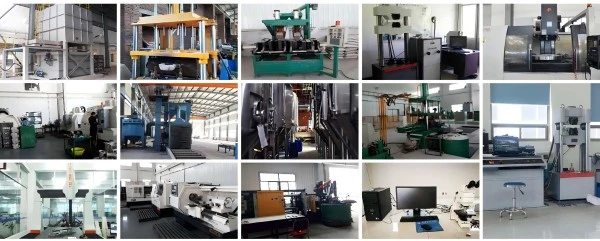
Geometric Suitability: LPDC Excels at Producing Parts with Hollow or Complex Cross-sections
Low pressure die casting (LPDC) is particularly adept at producing parts with intricate geometries, making it an excellent choice for flange components. The process's unique characteristics allow for the creation of parts that would be challenging or impossible with other casting methods.
Complex Cross-sections
The bottom-up filling process of low-pressure die casting (LPDC) is so well regulated that it can produce pieces with very complicated cross-sections. Flanges, which are components that often have complex internal passageways, different wall thicknesses, or complex geometries to fulfill unique functional needs, require this quality in particular while being manufactured. To avoid air entrapment and oxide development, the method makes use of low-pressure, laminar flow of molten metal. This decreases turbulence. This ensures that the mold cavity is filled with metal consistently and evenly, which in turn allows for the replication of intricate geometric features with great dimensional precision and consistency even in mass production runs. Manufacturing efficiency and final item quality are both improved by the elimination of several secondary procedures made necessary by this reliable method of producing complicated forms.
Thin Walls
The ability to create pieces with thin walls that are nonetheless durable is one benefit of low-pressure die casting. There are a lot of places where flange components come in handy. One reason it's so important to modern sectors like aerospace and automotive is that it allows for significant weight reduction without sacrificing structural integrity or load-bearing capability. Two, these flanges are perfect for uses where efficient thermal management is critical to the system's performance and longevity because their smaller walls provide better heat dispersion. The reduced cost of raw materials is a direct result of this quality's promotion of material efficiency.The process's controlled solidification ensures that these thin sections of low pressure casting flange parts possess excellent mechanical properties and are free from defects, guaranteeing performance reliability.
Integrated Features
LPDC technique excels at producing monolithic castings that include many features, such as mounting points, bosses, ribs, and pre-cast threads, into a single component. There are a lot of benefits to flange design and manufacturing from this combination. It saves a ton of time, cuts down on labor expenses, and simplifies logistics by reducing or eliminating the need for additional machining processes and various assembly procedures. Furthermore, by avoiding the possible weak areas brought about by joining procedures such as welding or riveting, components that are manufactured as a single piece demonstrate enhanced overall strength and stiffness. Engineers also benefit from this since it gives them more leeway to create efficient and useful designs, which would be difficult or costly to put together from separate parts.
Hollow Sections
Another strong point of the low-pressure die casting method is its reliability in creating hollow portions or internal cavities inside a casting. This feature offers a plethora of design and performance options for flange pieces. The primary benefit is that it enables the production of much lighter components by reducing mass in non-essential places while strategically designing to retain the required strength. Many pipe and manifold applications rely on these hollow portions because they may be designed to serve as internal channels for the conveyance of gases and fluids like air or coolant. System designs become more compact and integrated as a result. By streamlining the product's design and reducing metal consumption, this material efficiency not only lightens the component but also decreases the total manufacturing cost per part.

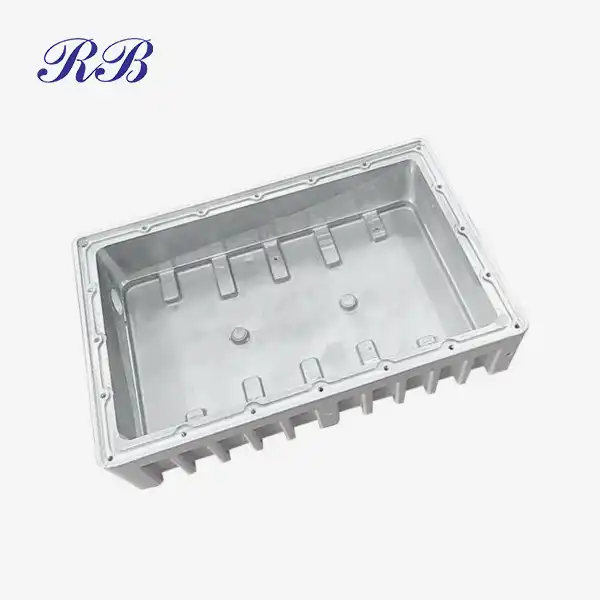
Low Pressure Casting Flange Part Supplier: Rongbao Enterprise
When it comes to high-quality low pressure casting flange parts, Rongbao Enterprise stands out as a leading supplier of low pressure casting flange parts. With nearly two decades of experience in aluminum alloy casting and precision processing, Rongbao has established itself as a trusted partner for equipment manufacturers worldwide.
Offering a comprehensive range of precision components developed with multi-material compatibility, Rongbao Enterprise specializes in providing integrated component supply solutions. Among their cutting-edge manufacturing technologies are precision machining, gravity casting, high-pressure die casting, and low-pressure die casting.
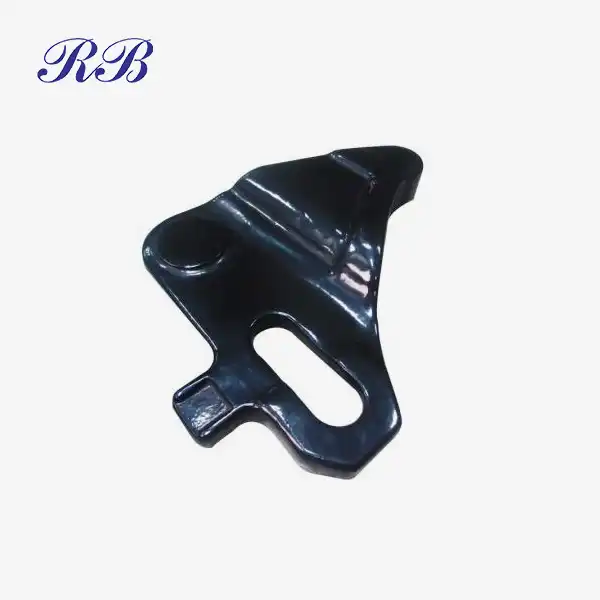
The low pressure casting flange parts offered by Rongbao are notable for their key features:
- Aluminized material: ZL101
- Capacity: 1.1 kilogram
- Status: ISO9001:2015, ISO14001, and ISO45001 Certified
- Shooting is used for surface treatment.
Rongbao has established strong worldwide connections thanks to its dedication to innovation, environmental sustainability, and product quality. The company exports 70% of its goods to various areas, including the US, Europe, and Japan. Each flange part is precision- and performance-tested to the highest standards by their expert staff and state-of-the-art facilities.
For inquiries about low pressure casting flange parts or to discuss your specific requirements, please contact Rongbao Enterprise at steve.zhou@263.net or zhouyi@rongbaocasting.com. Their team of experts is ready to provide you with tailored solutions that meet your exact specifications and quality standards.
References
1. Campbell, J. (2015). Complete Casting Handbook: Metal Casting Processes, Metallurgy, Techniques and Design. Butterworth-Heinemann.
2. ASM International. (2008). ASM Handbook, Volume 15: Casting. ASM International.
3. Kaufman, J. G., & Rooy, E. L. (2004). Aluminum Alloy Castings: Properties, Processes, and Applications. ASM International.
4. Jorstad, J., & Apelian, D. (2009). Hypereutectic Al-Si Alloys: Practical Casting Considerations. International Journal of Metalcasting, 3(3), 13-36.
5. Zhang, B., Cockcroft, S. L., & Maijer, D. M. (2005). Modeling of the Fluid Flow in the Low-Pressure Die-Casting Process. Metallurgical and Materials Transactions A, 36(4), 1043-1052.
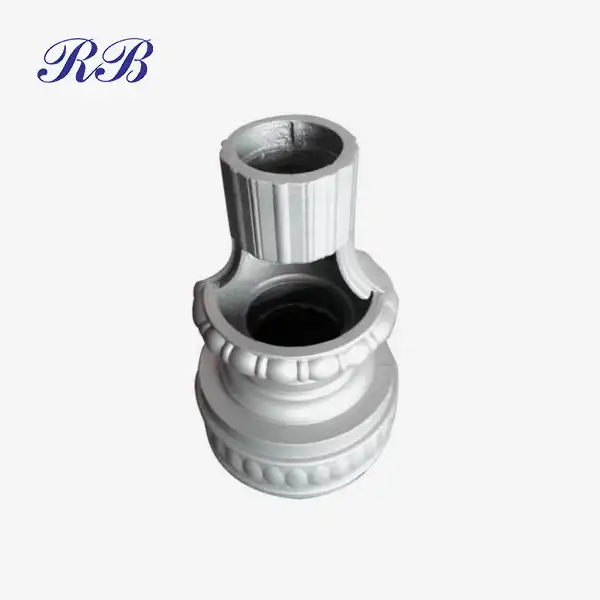

Learn about our latest products and discounts through SMS or email