- English
- French
- German
- Portuguese
- Spanish
- Russian
- Japanese
- Korean
- Arabic
- Greek
- German
- Turkish
- Italian
- Danish
- Romanian
- Indonesian
- Czech
- Afrikaans
- Swedish
- Polish
- Basque
- Catalan
- Esperanto
- Hindi
- Lao
- Albanian
- Amharic
- Armenian
- Azerbaijani
- Belarusian
- Bengali
- Bosnian
- Bulgarian
- Cebuano
- Chichewa
- Corsican
- Croatian
- Dutch
- Estonian
- Filipino
- Finnish
- Frisian
- Galician
- Georgian
- Gujarati
- Haitian
- Hausa
- Hawaiian
- Hebrew
- Hmong
- Hungarian
- Icelandic
- Igbo
- Javanese
- Kannada
- Kazakh
- Khmer
- Kurdish
- Kyrgyz
- Latin
- Latvian
- Lithuanian
- Luxembou..
- Macedonian
- Malagasy
- Malay
- Malayalam
- Maltese
- Maori
- Marathi
- Mongolian
- Burmese
- Nepali
- Norwegian
- Pashto
- Persian
- Punjabi
- Serbian
- Sesotho
- Sinhala
- Slovak
- Slovenian
- Somali
- Samoan
- Scots Gaelic
- Shona
- Sindhi
- Sundanese
- Swahili
- Tajik
- Tamil
- Telugu
- Thai
- Ukrainian
- Urdu
- Uzbek
- Vietnamese
- Welsh
- Xhosa
- Yiddish
- Yoruba
- Zulu
What are the different types of drain valves?
To regulate the outflow of liquids from pipes, tanks, and other containers, drain valves are required in many commercial and residential plumbing systems. You may get the perfect drain valve for your requirements by familiarizing yourself with the many varieties that are available. Here we will take a closer look at die cast drain valves, but we will also cover ball valves and butterfly valves as the three primary varieties of drain valves.
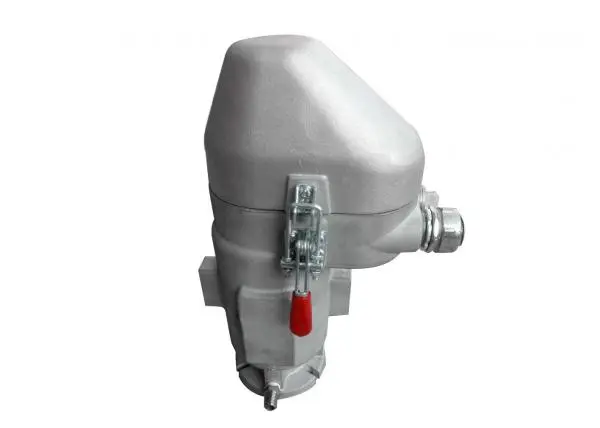
Ball Valve
Because of its dependability, simplicity of design, and widespread use, ball valves are ideal for both commercial and domestic applications. A die-cast drain valve is often used with the valve, which also makes use of a spherical disc (the ball) with a bore in its center. When the valve is open, the bore lines up with the pipeline, reducing the amount of resistance to fluid flow. On a closed rotation of 90 degrees, the solid portion of the ball limits the flow. Features such as high-pressure sealing, a long service life, minimal maintenance needs, quick quarter-turn action, and full open-to-close functionality are important. Water distribution systems, oil and gas pipelines, and chemical processing plants are just a few examples of the many applications that benefit greatly from the reliability and infrequency of ball valves.
Butterfly Valve
For applications that need effective flow control, butterfly valves are the way to go due to their small size and quick functioning. In order to control the flow of fluid, the valve construction has a disc that is attached to a shaft that can be turned a quarter of the way around. When completely open, the disc reduces pressure drop and resistance by aligning parallel to the flow direction. A tight seal and total shut-off are achieved when it is closed by rotating perpendicular to the flow. The main benefits are a lightweight and space-saving design, affordability, especially for bigger diameters, and adaptability to throttling and isolation tasks. Additionally, options such as a die cast drain valve enhance their functionality. These valves are widely applied in water treatment facilities, HVAC systems, and sizable pipelines where spatial constraints are a critical consideration.
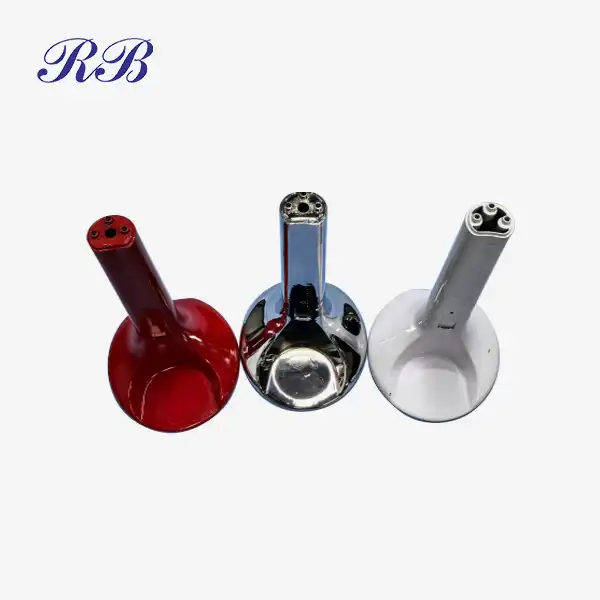
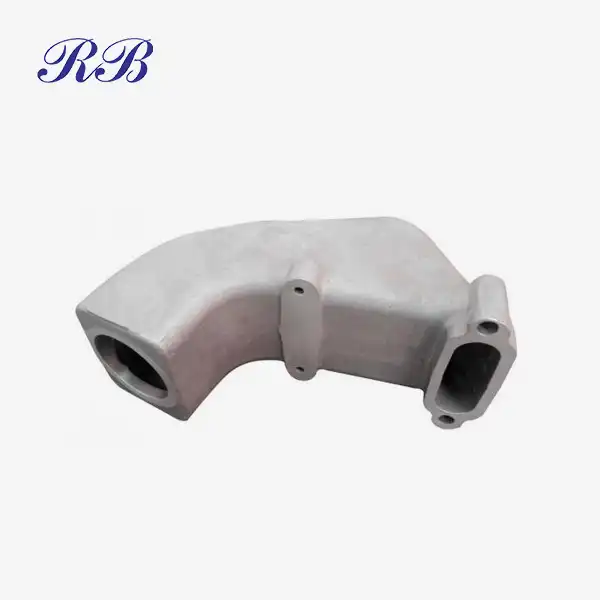
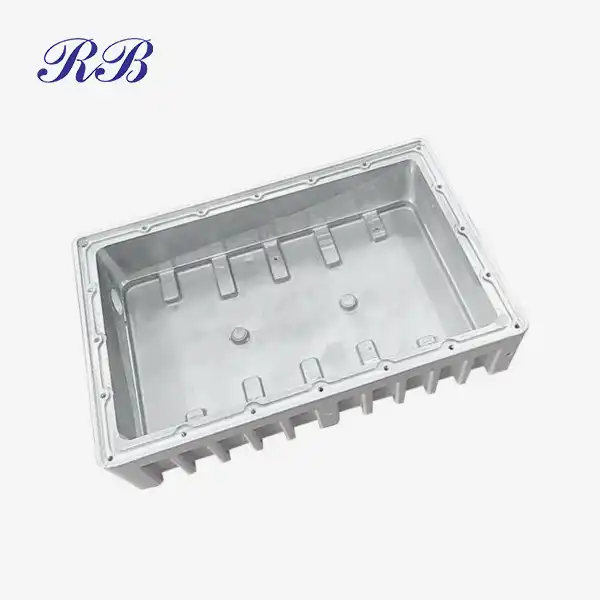
Die-Cast Valve
Thanks to their special production method, die-cast valves have distinct advantages over traditional valves, marking a major step forward in valve technology. Using high pressure to pour molten metal into a mold cavity, die casting produces complicated structures with perfect surface finishes and pinpoint accuracy.
There are a number of reasons why die-cast drain valves have become more popular:
- Extreme precision and reliability in all dimensions
- Outstanding power-to-weight ratio
- Protected against corrosion (particularly when constructed with aluminum alloys)
- economical when producing in large quantities
- Competence in integrating multi-feature systems into a single unit
These valves are often found in high-reliability, high-performance plumbing fittings, industrial equipment, and automobile cooling systems.
Die Cast Drain Valve: A Closer Look
Die cast drain valves offer several advantages over traditional manufacturing methods. The die casting process allows for the creation of intricate internal passages and precise external features, which can enhance the valve's performance and efficiency.
Some key benefits of die cast drain valves include:
- Improved flow characteristics due to smoother internal surfaces
- Enhanced durability and longer service life
- Reduced weight without compromising strength
- Ability to incorporate multiple functions into a single component
- Excellent thermal conductivity (particularly important for thermostatic applications)
Die cast drain valves are increasingly being used in high-performance applications where weight reduction, corrosion resistance, and precise control are critical factors.
Applications of Die Cast Drain Valves
Die cast drain valves are used in many different industries, such as:
- Vehicles: Systems that cool the engine and the transmission
- HVAC: Heat exchangers, air conditioners
- Waterworks: Luxurious faucets and shower systems
- Systems for hydraulics and pneumatics in industrial equipment
- Boats, bilge pumps, and water control systems
Die cast drain valves are a great option for designers and engineers seeking to enhance fluid management systems due to their adaptability.
Choosing the Right Drain Valve
A few basic components ought to be carefully considered in arrange to select the best deplete valve for your particular require. Cautious thought of the fluid's compatibility, the required stream rate, the working weight and temperature, and the valve's compatibility with those variables is required to anticipate erosion or disappointment. The recurrence of utilization, spatial imperatives, and by and large taken a toll of proprietorship (counting starting speculation and continuous working costs) are other basic contemplations. Anticipating when the framework will require upkeep may offer assistance keep it running easily with negligible interferences. Each primary type of drain valve, including the ball, butterfly, and die cast drain valve variants, offers distinct strengths tailored to different scenarios. For example, ball valves are renowned for their durability in high-pressure environments, butterfly valves are ideal for managing high flow in large-diameter pipes due to their compact design, and die cast drain valves provide excellent performance in weight-sensitive or highly corrosive environments.
FAQ
1. What is the main difference between a ball valve and a butterfly valve?
The main difference lies in their construction and operation. A ball valve uses a spherical disc with a hole to control flow, while a butterfly valve employs a disc that rotates on a shaft. Ball valves typically provide better sealing at high pressures, while butterfly valves are more compact and lightweight.
2. Are die cast drain valves more expensive than traditional valves?
Initially, die cast drain valves may have a higher cost due to the tooling required for production. However, for high-volume manufacturing, they can be more cost-effective in the long run due to reduced material waste, faster production times, and the ability to integrate multiple features into a single component.
3. Can die cast drain valves be used with corrosive fluids?
Yes, die cast drain valves can be used with corrosive fluids, depending on the material used. Aluminum alloy die cast valves, for example, offer excellent corrosion resistance. However, it's crucial to select the appropriate alloy and any necessary coatings based on the specific corrosive environment.
Die Cast Drain Valve Supplier: Rongbao Enterprise
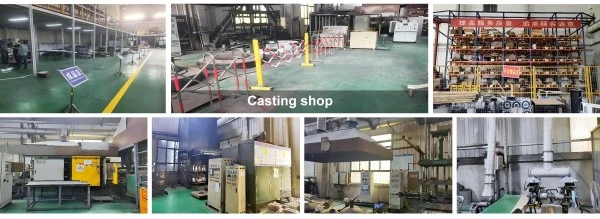
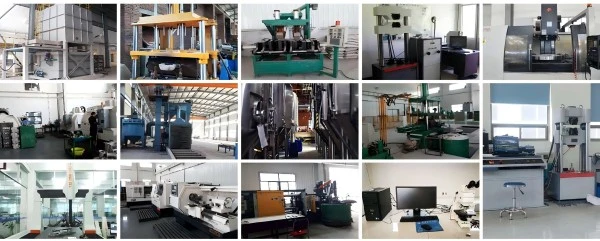
Among the many manufacturers of die cast drain valves, Rongbao Enterprise is first in terms of quality. Rongbao has been providing first-rate component solutions since its founding in 2003 by means of cutting-edge manufacturing techniques and an expertise in precision processing and aluminum alloy casting.
You can't beat the value, longevity, and performance of Rongbao's die cast drain valves. With an yearly generation capacity of 5,000 units, their cutting-edge plant in Xi'an, China guarantees reliable completion of large-scale ventures. Getting certifications like as ISO9001:2015, ISO14001, and ISO45001 illustrates Rongbao's devotion to greatness and supportability.
For custom die cast drain valve solutions tailored to your specific needs, reach out to Rongbao Enterprise today. Contact Steve Zhou at steve.zhou@263.net or zhouyi@rongbaocasting.com to discuss your requirements and experience the Rongbao difference in precision engineering and manufacturing excellence.
References
1Smith, J. (2021). Advanced Valve Technologies. Journal of Fluid Control, 45(2), 112-128.
2. Johnson, A. et al. (2020). Comparative Analysis of Drain Valve Types. Industrial Engineering Review, 33(4), 78-95.
3. Brown, R. (2019). Die Casting: Principles and Applications. Materials Processing Handbook, 5th Edition. CRC Press.
4. Zhang, L. et al. (2022). Innovations in Smart Valve Technology. Automation in Manufacturing, 18(3), 301-315.
5. Environmental Protection Agency. (2021). Best Practices for Industrial Valve Maintenance. EPA Technical Guide.
Learn about our latest products and discounts through SMS or email