Definition
Before we dive into the differences, let's start by defining each type of valve:
Ball Valve
A ball valve is a quarter-turn rotational motion valve that uses a hollowed, perforated, and pivoting ball to control fluid flow. When the valve is open, the hole in the ball aligns with the flow path, allowing fluid to pass through. When closed, the solid part of the ball blocks the flow path, creating a tight seal.
Drain Valve
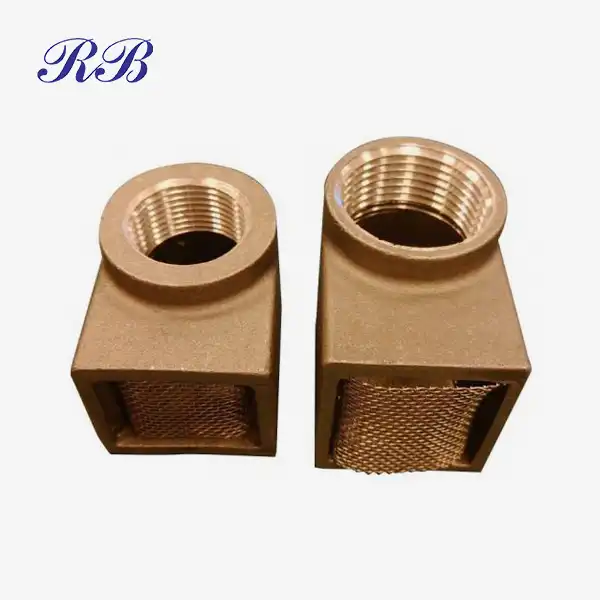
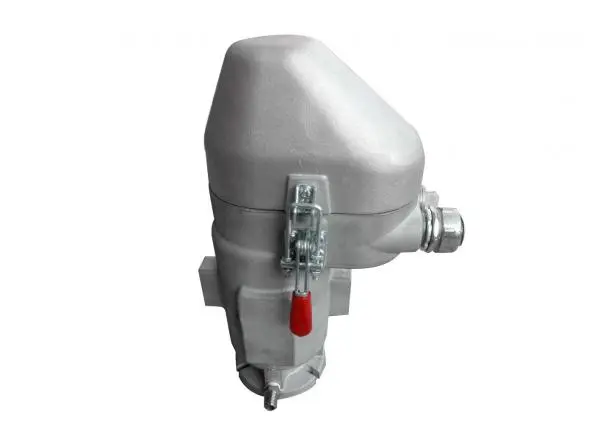
A drain valve, also known as a drain cock or petcock, is specifically designed to remove liquids from a system or container. It's typically smaller than other valves and is used for draining, bleeding, or sampling purposes. Drain valves can come in various designs, including ball valve configurations and die cast drain valve, but they are specifically tailored for drainage applications.
Key Structural & Functional Characteristics
Having established what each kind of valve is, we can go on to comparing and contrasting their most salient structural and functional features:
Ball Valve Characteristics
Ball valves are simple and fast to use since all it takes to open or shut them is a quarter turn of the wheel.
Outstanding airtightness: When closed, the spherical shape creates an airtight seal, reducing air leakage.
The pressure drop across a completely open ball valve is modest because the valve provides almost little resistance to the flow.
Flexibility: Ball valves are capable of handling a broad variety of fluid kinds, temperatures, and pressures.
Ball valves have a long service life because they are resistant to wear and strain due to their basic design.
Drain Valve Characteristics
- The compact size of drain valves makes them ideal for installation in confined areas where space is at a premium.
- Function: Mainly made for emptying containers or systems of liquids.
- Drain valves come in a variety of styles, each optimized for a specific drainage purpose. These styles may include ball valves, gate valves, globe valves, or die cast drain valves.
- Efficient draining or sampling is made possible by the quick opening and shutting of several drain valves.
- Drain valves are designed for regulated, low-volume drainage and are not typically used for high-flow applications.
Material & Manufacturing Process Differences
The materials and manufacturing processes used for ball valves and drain valves can vary depending on their specific applications and requirements. However, there are some general differences to note:
Ball Valve Materials and Manufacturing
A wide range of materials are often used to construct ball valves, such as:
- Metals: silver, brass, and bronze
- Plastic with a chloride moiety
- PTFE (Polytetrafluoroethylene) and CPVC (Chlorinated Polyvinyl Chloride)
Common steps in making ball valves include:
- The body of the valve is cast or forged.
- Working on the valve parts by machining
- Careful polishing of the ball Valve component assembly
- Verifying the seal and functionality
Drain Valve Materials and Manufacturing
The material used to construct drain valves varies according on their intended use:
Valuable metals
Material: stainless steel
Polymer (for uses using low pressure)
Aluminum that is die-cast for use in certain industrial contexts
Drain valves may go through the following steps in production:
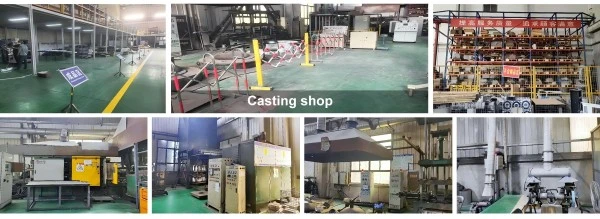
The valve body may be machined or die cast.
Internal component precision machining
Parts of the valve assembly
Verifying that the drainage and sealing are adequate
Die cast drain valves are an excellent illustration of a particular kind of drain valve.
Common materials for these valves include aluminum alloys, and die casting is the preferred method of production due to its many benefits:
Precision in all three dimensions
Superb surface polish
efficient manufacturing for high quantities
Skill in making intricate patterns and forms
When a lightweight, corrosion-resistant, and economically viable solution is needed, die cast drain valves shine.
Applications and Use Cases
Understanding the different applications and use cases for ball valves and drain valves is crucial in determining which type is best suited for your specific needs:
Ball Valve Applications
- Industrial process control
- Oil and gas pipelines
- Water treatment facilities
- HVAC systems
- Chemical processing plants
- Producing food and drinks
If you need a valve that can withstand high temperatures and pressures and has a dependable seal, then a ball valve is the way to go. Because of their adaptability, they may be used in many different procedures and sectors.
Drain Valve Applications
- Boiler systems
- Radiators
- Storage tanks
- Air compressors
- Hydraulic systems
- Sampling ports in industrial processes
Drain valves are specifically designed for applications where controlled drainage or sampling is required. They are often used in situations where regular maintenance, system bleeding, or fluid sampling is necessary with die cast drain valve.
Die Cast Drain Valve Applications
Die cast drain valves, such as those manufactured by Rongbao Enterprise, find applications in various industries, including:
- Automotive cooling systems
- Marine equipment
- Agricultural machinery
- Industrial fluid handling systems
- HVAC equipment
These specialized drain valves offer a balance of lightweight construction, corrosion resistance, and cost-effectiveness, making them ideal for applications where these factors are crucial.
FAQ
1. Can a ball valve be used as a drain valve?
Yes, ball valves can be used as drain valves in certain applications. In fact, many drain valves incorporate ball valve designs due to their excellent sealing properties and quick operation. However, it's important to choose a valve specifically designed for drainage purposes to ensure proper flow characteristics and compatibility with the system.
2. What are the advantages of using a die cast drain valve?
Die cast drain valves offer several advantages, including lightweight construction, excellent corrosion resistance, and cost-effective production for large volumes. They are particularly useful in applications that require a balance of durability, performance, and affordability, such as automotive cooling systems or industrial fluid handling equipment.
3. How do I choose between a ball valve and a drain valve for my application?
The choice between a ball valve and a drain valve depends on your specific application requirements. Consider factors such as flow rate, pressure, temperature, frequency of use, and the primary purpose of the valve (control vs. drainage). If you need a valve for general flow control with excellent sealing properties, a ball valve might be the better choice. For applications specifically requiring drainage or sampling capabilities, a dedicated drain valve would be more appropriate.
Die Cast Drain Valve Supplier: Rongbao Enterprise
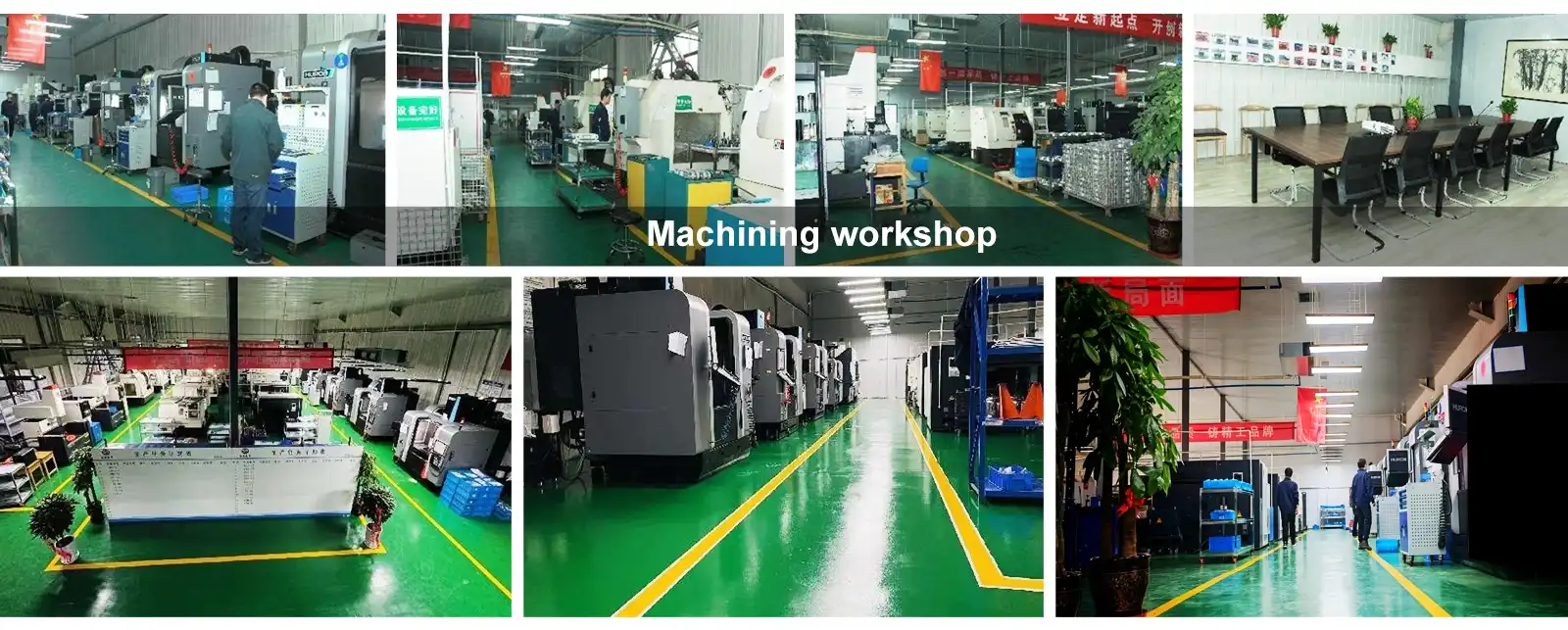
For those seeking high-quality die cast drain valves, Rongbao Enterprise stands out as a leading manufacturer and supplier. With nearly two decades of experience in aluminum alloy casting and precision processing, Rongbao Enterprise has established itself as a trusted partner for equipment manufacturers worldwide.
Rongbao's die cast drain valves offer exceptional quality and performance, backed by certifications including ISO9001:2015, ISO14001, and ISO45001. Their products, such as the ADC12 die cast drain valve for thermometer protective cases, showcase the company's commitment to precision and innovation.
Key features of Rongbao's die cast drain valves include:
- Custom specifications to meet your exact requirements
- Advanced manufacturing processes, including gravity casting and CNC machining
- High-quality surface treatments like shot blasting
- OEM/ODM capabilities for tailored solutions
- Robust production capacity of up to 5000 pieces
With a strong focus on environmental sustainability and global partnerships, Rongbao Enterprise is well-positioned to meet the evolving needs of industries requiring reliable, high-performance die cast drain valves.
To learn more about Rongbao's die cast drain valves or to discuss your specific requirements, reach out to their expert team at steve.zhou@263.net or zhouyi@rongbaocasting.com. Their knowledgeable staff is ready to help you find the perfect valve solution for your application.