- English
- French
- German
- Portuguese
- Spanish
- Russian
- Japanese
- Korean
- Arabic
- Greek
- German
- Turkish
- Italian
- Danish
- Romanian
- Indonesian
- Czech
- Afrikaans
- Swedish
- Polish
- Basque
- Catalan
- Esperanto
- Hindi
- Lao
- Albanian
- Amharic
- Armenian
- Azerbaijani
- Belarusian
- Bengali
- Bosnian
- Bulgarian
- Cebuano
- Chichewa
- Corsican
- Croatian
- Dutch
- Estonian
- Filipino
- Finnish
- Frisian
- Galician
- Georgian
- Gujarati
- Haitian
- Hausa
- Hawaiian
- Hebrew
- Hmong
- Hungarian
- Icelandic
- Igbo
- Javanese
- Kannada
- Kazakh
- Khmer
- Kurdish
- Kyrgyz
- Latin
- Latvian
- Lithuanian
- Luxembou..
- Macedonian
- Malagasy
- Malay
- Malayalam
- Maltese
- Maori
- Marathi
- Mongolian
- Burmese
- Nepali
- Norwegian
- Pashto
- Persian
- Punjabi
- Serbian
- Sesotho
- Sinhala
- Slovak
- Slovenian
- Somali
- Samoan
- Scots Gaelic
- Shona
- Sindhi
- Sundanese
- Swahili
- Tajik
- Tamil
- Telugu
- Thai
- Ukrainian
- Urdu
- Uzbek
- Vietnamese
- Welsh
- Xhosa
- Yiddish
- Yoruba
- Zulu
What is a Cast Valve Body?
When it comes to understanding critical components in industrial equipment, certain parts define efficiency. Specifically, cast valve bodies stand out as essential elements. In fact, they control fluid flow across countless applications. Fundamentally, a cast valve body serves as the main housing structure for valve mechanisms. Moreover, manufacturers produce them through precision casting processes. This ensures optimal performance in demanding environments. Consequently, this comprehensive guide explores everything you need to know about cast valve bodies. Here, we cover their fundamental design principles. Furthermore, we discuss advanced manufacturing techniques. Finally, we examine real-world applications across automotive, industrial, and energy sectors.
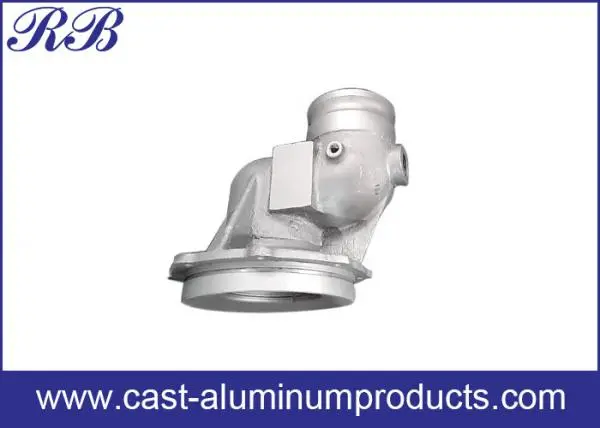
What is Cast Valve Body?
At its core, a cast valve body represents the fundamental housing component of valve systems. Uniquely, experts create these through specialized metal casting processes. As a result, the components deliver exceptional strength and precision. In contrast to machined alternatives, cast valve bodies offer superior material distribution. Additionally, they provide internal geometry optimization. Therefore, they remain ideal for applications requiring complex internal passages. Simultaneously, they maintain robust structural integrity.
Significantly, the casting process allows manufacturers to create intricate internal channels. Likwise, they form chambers that would be nearly impossible to achieve through traditional machining methods. Typically, these components feature multiple ports. Also, they contain internal flow paths and mounting surfaces. Crucially, these features must maintain precise dimensional tolerances. At the same time, they must withstand extreme pressures and temperatures.
Currently, modern cast valve bodies incorporate advanced metallurgical principles. For instance, they utilize materials like A356 aluminum alloy for lightweight applications. Alternatively, manufacturers select specialized steel alloys for high-pressure environments. Furthermore, the casting process enables the integration of specific features. Examples include bolt patterns, threaded connections, and internal valve seats. Notably, these integrate directly into the component structure. This consolidation reduces assembly complexity. Ultimately, it minimizes potential failure points.
To ensure reliability, quality cast valve bodies undergo rigorous testing protocols. Specifically, this includes pressure testing. In addition, dimensional verification is essential. Moreover, manufacturers employ non-destructive testing methods to ensure compliance with industry standards. Generally, the manufacturing process involves pattern creation. Subsequently, it moves to mold preparation and metal pouring. Then, heat treatment occurs. Finally, precision machining achieves the final specifications.
The Problem It Solves & Industrial Needs
Undeniably, industrial valve systems face numerous challenges. Fortunately, cast valve bodies address these issues through their unique design. In addition, they utilize manufacturing advantages to solve common problems. Unfortunately, traditional fabricated valve housings often suffer from weld joint vulnerabilities. Furthermore, they face limited geometric complexity. Also, inconsistent material properties can lead to premature failure in critical applications.
Effectively, cast valve bodies eliminate welded joints. Often, these joints represent potential weak points in high-pressure systems. Instead, the continuous metal structure provides uniform stress distribution. Consequently, this reduces the likelihood of crack initiation. It also prevents propagation that commonly occurs at weld interfaces. Therefore, this structural integrity proves particularly valuable in hydraulic systems. In these settings, pressure spikes can exceed normal operating parameters.
Additionally, the casting process enables the creation of optimized internal flow geometries. This directly minimizes pressure drops and turbulence. As a result, engineers can design smooth transitions. They can also create gradual directional changes. Moreover, they can implement strategically positioned chambers. These features enhance fluid dynamics performance. Subsequently, these improvements directly translate to better system efficiency. Furthermore, they reduce energy consumption across industrial applications.
From a production standpoint, manufacturing efficiency represents another critical advantage. Primarily, casting allows for the simultaneous creation of multiple features. It also handles complex geometries in a single operation. This consolidation significantly reduces assembly requirements. In addition, it eliminates potential leak paths between components. This simplifies maintenance procedures greatly. For example, the ability to integrate mounting bosses streamlines production. Simultaneously, it maintains consistent quality standards.
Financially, cost considerations also favor cast valve bodies. This is especially true for medium to high-volume applications. Admittedly, initial tooling investments may be substantial. However, the per-unit manufacturing costs become highly competitive as production volumes increase. Furthermore, the process naturally accommodates material optimization. This reduces waste effectively. Finally, it enables the use of recycled materials without compromising performance characteristics.
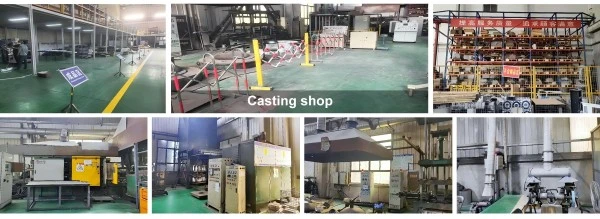
Core Features & Manufacturing Process Excellence
Cast valve bodies incorporate sophisticated design features. These features optimize performance across diverse operating conditions. During the design phase, internal chamber geometries receive careful attention. Specifically, engineers utilize computational fluid dynamics. This helps to minimize flow restrictions. It also lowers pressure losses. As a result, these optimized passages enhance overall system efficiency. simultaneously, they reduce wear on internal components.
Moreover, surface treatments play a crucial role. They ensure component longevity and performance. For instance, shot blasting processes remove surface irregularities. In doing so, they create uniform texture profiles. This improves coating adhesion. It also boosts corrosion resistance. Therefore, the controlled surface preparation ensures consistent seal performance. Additionally, it reduces the likelihood of premature wear in dynamic sealing applications.
Furthermore, engineers tailor heat treatment protocols to specific alloy compositions. This enhances mechanical properties. It also improves dimensional stability. For example, aluminum alloys like A356 undergo solution heat treatment. Subsequently, they undergo artificial aging. This achieves optimal strength-to-weight ratios. Beneficially, these thermal processes also relieve casting stresses. Consequently, they improve machinability for subsequent CNC operations.
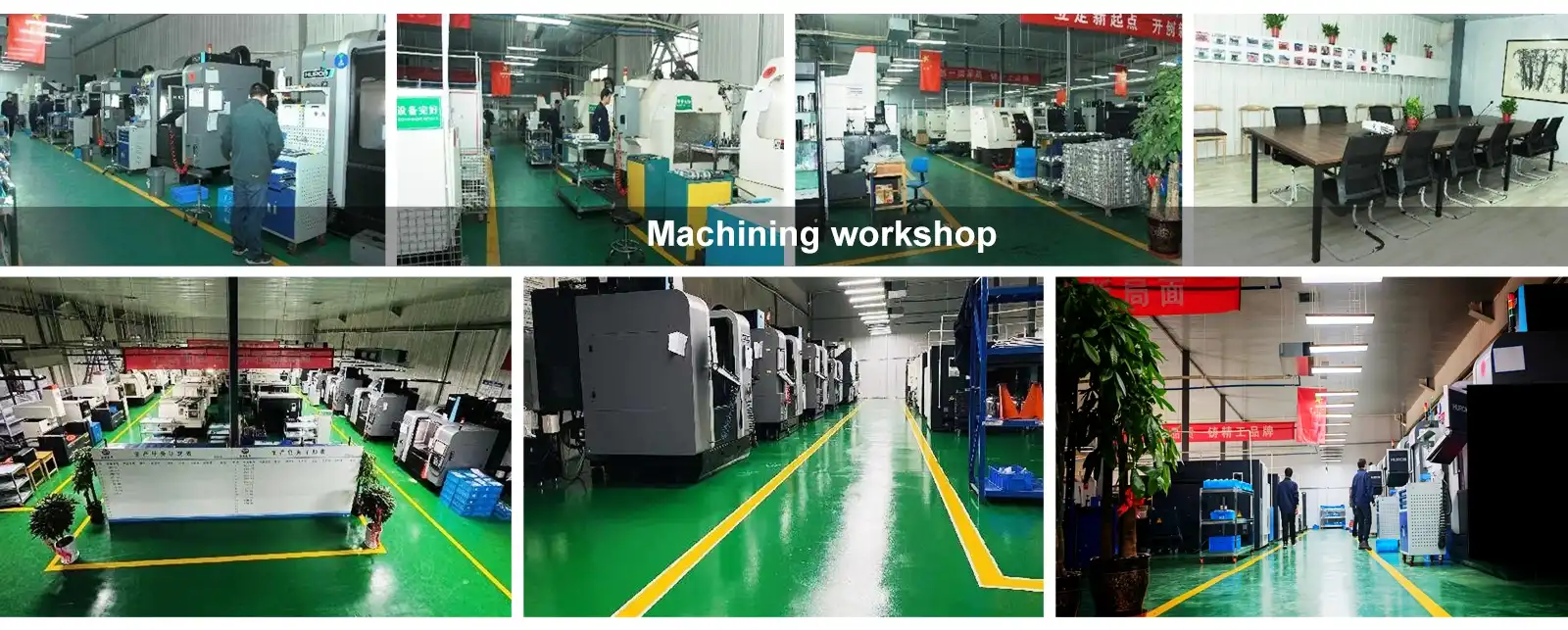
Following casting, precision machining operations transform cast blanks into finished valve bodies. Specifically, these components must meet stringent dimensional tolerances. To achieve this, CNC machining centers equipped with advanced tooling systems act effectively. They create precise sealing surfaces. They also cut threaded connections and mounting interfaces. Notably, multi-axis capabilities enable complex machining operations in single setups. This maintains positional accuracy between features.
Throughout production, quality control systems monitor every aspect of the manufacturing process. This ranges from incoming material verification to final dimensional inspection. For accurate results, coordinate measuring machines verify critical dimensions. Meanwhile, pressure testing validates structural integrity under simulated operating conditions. In addition, non-destructive testing methods detect internal defects. Techniques include X-ray inspection and ultrasonic testing. Ultimately, this prevents issues that could compromise long-term reliability.
Finally, the integration of automation throughout the manufacturing process ensures consistent quality. It also optimizes production efficiency. For instance, automated handling systems reduce contamination risks. They also maintain precise positioning during critical operations. Simultaneously, real-time monitoring systems track process parameters. This provides immediate feedback for continuous improvement initiatives.
Key Advantages in Industrial Applications
Cast valve bodies deliver exceptional performance advantages. Because of this, they make the preferred choice for demanding industrial applications. First, the superior strength-to-weight ratio is notable. Manufacturers achieve this through optimized material distribution and advanced alloy compositions. This enables lighter system designs. However, it does so without sacrificing durability or safety margins.
Regarding durability, corrosion resistance characteristics vary. This depends on material selection and surface treatment options. Generally, aluminum alloys provide excellent resistance to atmospheric corrosion. They also resist many chemical environments. On the other hand, specialized coatings extend service life in aggressive conditions. The ability to select materials based on specific application requirements ensures optimal performance. This persists throughout the component lifecycle.
In addition, thermal stability represents a critical advantage. This applies in applications involving temperature variations. It also matters in elevated operating conditions. Reliably, cast valve bodies maintain dimensional stability across wide temperature ranges. This ensures consistent sealing performance. It also guarantees operational reliability. Furthermore, the thermal mass of cast components provides beneficial heat dissipation characteristics. This protects sensitive internal components.
Economically, manufacturing scalability enables cost-effective production. This applies across various volume requirements. For instance, gravity casting processes accommodate low to medium volumes. They do this while maintaining quality standards. Conversely, high-pressure die casting methods support high-volume production. This method offers excellent dimensional consistency. Consequently, this flexibility allows manufacturers to optimize production methods. They can base decisions on specific project requirements and market demands.
Moreover, customization capabilities extend beyond basic dimensional modifications. They include specialized features and performance enhancements. For example, internal flow optimization can occur during the design phase. Also, designers can incorporate integrated mounting features. This customization potential eliminates the need for secondary operations. It also removes adapter components that add complexity and potential failure points.
Evidently, long-term reliability data from field applications demonstrates superior performance. Specifically, quality cast valve bodies outperform alternative manufacturing methods. As a benefit, users experience reduced maintenance requirements. They also enjoy extended service intervals. Furthermore, improved system availability contributes to a lower total cost of ownership. This applies throughout the equipment lifecycle.
Potential Limitations & Design Considerations
While cast valve bodies offer numerous advantages, certain limitations exist. Therefore, they require careful consideration during the design process. First, initial tooling costs for casting operations can be substantial. This is particularly true for complex geometries. It also applies to low-volume applications. Consequently, the economic viability depends on production volumes. It also relies on the specific requirements of each application.
Secondly, design constraints inherent in the casting process may limit certain features. They may also affect dimensional tolerances. For example, draft angles are required for pattern removal. Also, minimum wall thickness requirements exist. Additionally, limitations on internal undercuts can influence design optimization. Thus, engineers must balance these constraints against performance requirements during the development phase.
Thirdly, material selection considerations extend beyond basic mechanical properties. Engineers must include castability factors. They must also consider machinability and long-term stability characteristics. Unfortunately, some high-performance alloys may present challenges during the casting process. This requires specialized equipment or techniques. As a result, this increases manufacturing complexity and costs.
Furthermore, quality control requirements for cast components typically exceed those for simpler methods. Specifically, the need for comprehensive inspection procedures adds time. This includes non-destructive testing and dimensional verification. Naturally, this adds cost to the production process. These requirements ensure reliability. However, project managers must factor them into project timelines and budgets.
Additionally, lead times for cast valve bodies may be longer than alternative methods. This is particularly relevant for custom designs requiring new tooling. Because of the sequential nature of pattern creation, scheduling is vital. Also, operations like mold preparation, casting, and heat treatment take time. Therefore, careful planning is necessary to meet project deadlines.
Finally, surface finish considerations may require additional machining. While casting processes can produce good surface finishes, exceptions exist. Specifically, critical sealing surfaces typically require post-casting machining. Precision interfaces also need this step. This adds complexity and cost to the manufacturing process.

Cast Valve Body Applications Across Industries
In the automotive sector, commercial vehicle applications represent a significant market for cast valve bodies. Specifically, they appear in transmission systems. They are also central to hydraulic controls and fluid management components. These applications demand lightweight designs. They also require precise dimensional control. Furthermore, resistance to automotive fluids and temperature variations is mandatory. Additionally, electronic control unit integration requires mounting provisions. Fortunately, casting processes accommodate these electrical connections effectively.
Similarly, construction and heavy machinery sectors utilize cast valve bodies. They use them in hydraulic systems. They also appear in control circuits and fluid power applications. Notably, the robust construction makes them ideal. Also, their pressure-handling capabilities fit demanding operating environments. In these sectors, reliability and durability are paramount. Moreover, equipment manufacturers value the customization potential. This allows the integration of multiple functions into single components.
In the industrial realm, equipment applications span pumps and compressors. They also include automated machinery. Here, precise flow control and reliable operation are essential. The ability to optimize internal geometries for specific flow characteristics is key. This enables improved system performance. It also boosts energy efficiency. Furthermore, the integration of valve assemblies streamlines equipment design. It also simplifies assembly processes.
Likewise, energy sector applications require robust components. This includes wind power, oil and gas equipment, and power generation systems. These systems require valve bodies capable of handling aggressive fluids. They must also withstand extreme pressures. Additionally, they face challenging environmental conditions. Fortunately, material selection flexibility enables optimal performance. Also, treatment options available through casting processes ensure success in these demanding applications.
Finally, aerospace applications represent smaller volumes. However, they require exceptional quality standards and traceability. The casting process provides excellent material utilization. It also enables complex internal geometries. This optimizes weight and performance characteristics. Crucially, these factors are critical in aerospace applications.
Partner with Rongbao Enterprise for Superior Cast Valve Body Solutions
Rongbao Enterprise stands as a leading cast valve body manufacturer. We combine two decades of casting expertise with advanced manufacturing capabilities. Additionally, we maintain comprehensive quality systems. Our gravity casting processes, precision CNC machining, and ISO-certified quality management ensure success. We ensure your valve body requirements receive the attention they deserve. From initial design consultation through final delivery, our team provides complete support. Are you ready to discuss your project? Contact us at steve.zhou@263.net and zhouyi@rongbaocasting.com. Discover how our manufacturing excellence can enhance your products.
Conclusion & Future Outlook
Looking ahead, cast valve bodies continue to evolve. This happens through advances in materials science. It also occurs via manufacturing processes and design optimization techniques. For example, the integration of additive manufacturing for pattern creation is promising. Also, advanced simulation tools for flow optimization provide benefits. Furthermore, enhanced quality control systems promise even greater performance. They also offer cost advantages.
As industries demand increased efficiency, cast valve bodies will play a bigger role. They are also crucial for reliability and environmental sustainability. Therefore, they will play an increasingly important role in achieving these objectives. In conclusion, the combination of proven manufacturing methods with emerging technologies is powerful. It positions cast valve bodies as essential components for future industrial applications.
FAQs
Q1: What materials are commonly used for cast valve bodies?
A: Commonly, manufacturers select aluminum alloys like A356 for lightweight applications. Alternatively, ductile iron serves well for general industrial use. Furthermore, specialized steel alloys act as the primary choice for high-pressure applications. Ultimately, material selection depends on operating conditions. It also relies on pressure requirements and compatibility with system fluids.
Q2: How do cast valve bodies compare to machined alternatives in terms of cost and performance?
A: Typically, cast valve bodies offer lower per-unit costs for medium to high volumes. Simultaneously, they provide superior internal geometry optimization. Admittedly, initial tooling costs are higher. However, the ability to create complex internal passages offers value. Also, the ability to integrate multiple features results in better overall performance.
Q3: What quality standards apply to cast valve bodies in industrial applications?
A: Generally, quality standards vary by industry. However, they commonly include ISO 9001 certification. They also include pressure vessel codes and industry-specific requirements. For instance, automotive applications may require IATF 16949 certification. Conversely, aerospace applications demand AS9100 compliance. They also require full material traceability.
References
- American Society of Mechanical Engineers. "Valve Design and Manufacturing Standards for Industrial Applications." ASME Press, 2023.
- Foundry Technology Institute. "Advanced Casting Processes for Precision Industrial Components." McGraw-Hill Professional, 2022.
- International Journal of Manufacturing Engineering. "Quality Control Methods in Precision Valve Body Production." Springer Publishing, 2023.
- Society of Automotive Engineers. "Automotive Valve System Design and Materials Selection." SAE International, 2022.
- Industrial Valve Manufacturers Association. "Best Practices in Valve Body Manufacturing and Testing." Technical Publication Series, 2023.
- Materials Engineering Handbook. "Aluminum Alloy Applications in Precision Casting." ASM International, 2022.
Learn about our latest products and discounts through SMS or email