- English
- French
- German
- Portuguese
- Spanish
- Russian
- Japanese
- Korean
- Arabic
- Greek
- German
- Turkish
- Italian
- Danish
- Romanian
- Indonesian
- Czech
- Afrikaans
- Swedish
- Polish
- Basque
- Catalan
- Esperanto
- Hindi
- Lao
- Albanian
- Amharic
- Armenian
- Azerbaijani
- Belarusian
- Bengali
- Bosnian
- Bulgarian
- Cebuano
- Chichewa
- Corsican
- Croatian
- Dutch
- Estonian
- Filipino
- Finnish
- Frisian
- Galician
- Georgian
- Gujarati
- Haitian
- Hausa
- Hawaiian
- Hebrew
- Hmong
- Hungarian
- Icelandic
- Igbo
- Javanese
- Kannada
- Kazakh
- Khmer
- Kurdish
- Kyrgyz
- Latin
- Latvian
- Lithuanian
- Luxembou..
- Macedonian
- Malagasy
- Malay
- Malayalam
- Maltese
- Maori
- Marathi
- Mongolian
- Burmese
- Nepali
- Norwegian
- Pashto
- Persian
- Punjabi
- Serbian
- Sesotho
- Sinhala
- Slovak
- Slovenian
- Somali
- Samoan
- Scots Gaelic
- Shona
- Sindhi
- Sundanese
- Swahili
- Tajik
- Tamil
- Telugu
- Thai
- Ukrainian
- Urdu
- Uzbek
- Vietnamese
- Welsh
- Xhosa
- Yiddish
- Yoruba
- Zulu
Leading Special Valve Body Casting Suppliers with ISO Certification
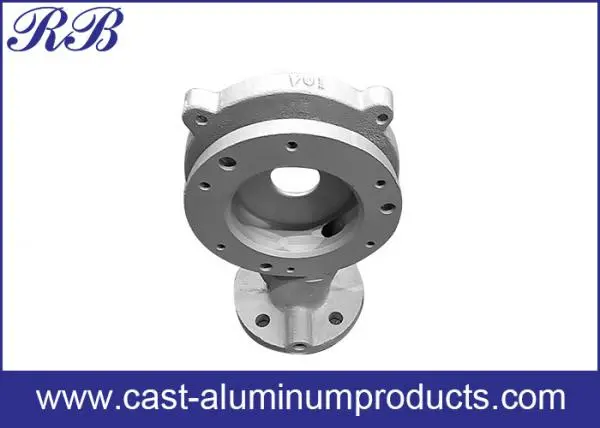
When sourcing special valve body casting components, you must be diligent. specifically, selecting manufacturers with proper ISO certification ensures quality compliance. Furthermore, it guarantees reliable production standards. Typically, leading suppliers combine advanced foundry processes with precision machining capabilities. In addition, they utilize comprehensive quality management systems. As a result, they deliver components that meet international specifications. Moreover, certified manufacturers offer traceable documentation. They also provide consistent batch quality. Finally, they adhere to industry-specific requirements across automotive, industrial equipment, and energy sectors. Ultimately, the combination of technical expertise and standardized operations distinguishes premium casting suppliers from conventional foundries.
Currently, the global valve manufacturing industry has experienced remarkable growth. In this context, special valve body casting components play a crucial role. They are essential in fluid control systems across multiple sectors. For instance, fire safety systems rely heavily on them. Similarly, hydraulic machinery and industrial automation depend on these parts. Crucially, these precision-cast valve bodies must withstand extreme operating conditions. Notably, China has emerged as a dominant force in this manufacturing landscape. The country offers competitive advantages through advanced technology. Additionally, it boasts a skilled workforce and established supply chain infrastructure.
Today, modern valve applications demand increasingly complex geometries. They also require superior material properties. For example, A356 aluminum alloy has become particularly popular for fire pipe control valves. This is due to its excellent strength-to-weight ratio. Also, it offers exceptional corrosion resistance. Technically, gravity casting processes enable manufacturers to achieve precise dimensional accuracy. This accuracy is required for critical fluid control applications. Simultaneously, this method maintains cost-effectiveness for medium to high-volume production runs.
Manufacturing Excellence Behind China's Valve Casting Industry
Advanced Foundry Technologies and Processes
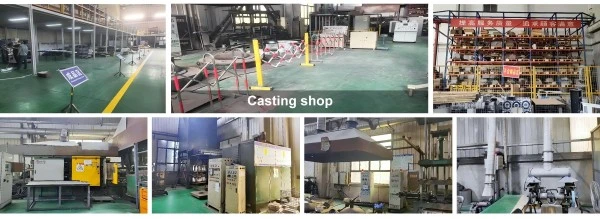
Significantly, Chinese manufacturers have invested heavily in state-of-the-art foundry equipment. This investment enables multiple casting methodologies under one roof. For instance, gravity casting provides excellent dimensional accuracy for valve housings. In contrast, investment casting handles intricate geometries requiring tight tolerances. Furthermore, sand casting remains viable for larger components. Alternatively, low-pressure die casting offers superior surface finish quality.
Moreover, the integration of automated pouring systems is vital. Along with computer-controlled melting furnaces, these systems ensure consistent alloy composition. They also provide precise temperature management. Consequently, these technological advances minimize casting defects. Common issues such as porosity, shrinkage, and inclusion formation often plague valve component production. However, modern foundries maintain precise atmospheric controls. This effectively reduces oxidation. It also improves overall casting quality.
Material Expertise and Alloy Specialization
Specifically, Chinese foundries have developed deep expertise in aluminum alloys. In particular, they focus on A356. This alloy offers optimal properties for special valve body casting applications. Additionally, heat treatment capabilities are advanced. These include T6 tempering processes. This process enhances mechanical properties greatly. At the same time, it maintains dimensional stability. To ensure quality, metallurgical laboratories conduct thorough composition analysis. They also perform mechanical testing to verify material specifications.
Ideally, suppliers understand the critical relationship between casting microstructure and long-term performance. This is vital in demanding applications. Therefore, shot blasting surface treatments are standard. These treatments remove casting scales effectively. Simultaneously, they create optimal surface profiles for subsequent coatings or sealants. Finally, CNC machining capabilities ensure precise dimensional control. This is critical for mating surfaces and threaded connections.
Strategic Supplier Selection Methods for Valve Casting Projects
Production Capacity Assessment and Scalability
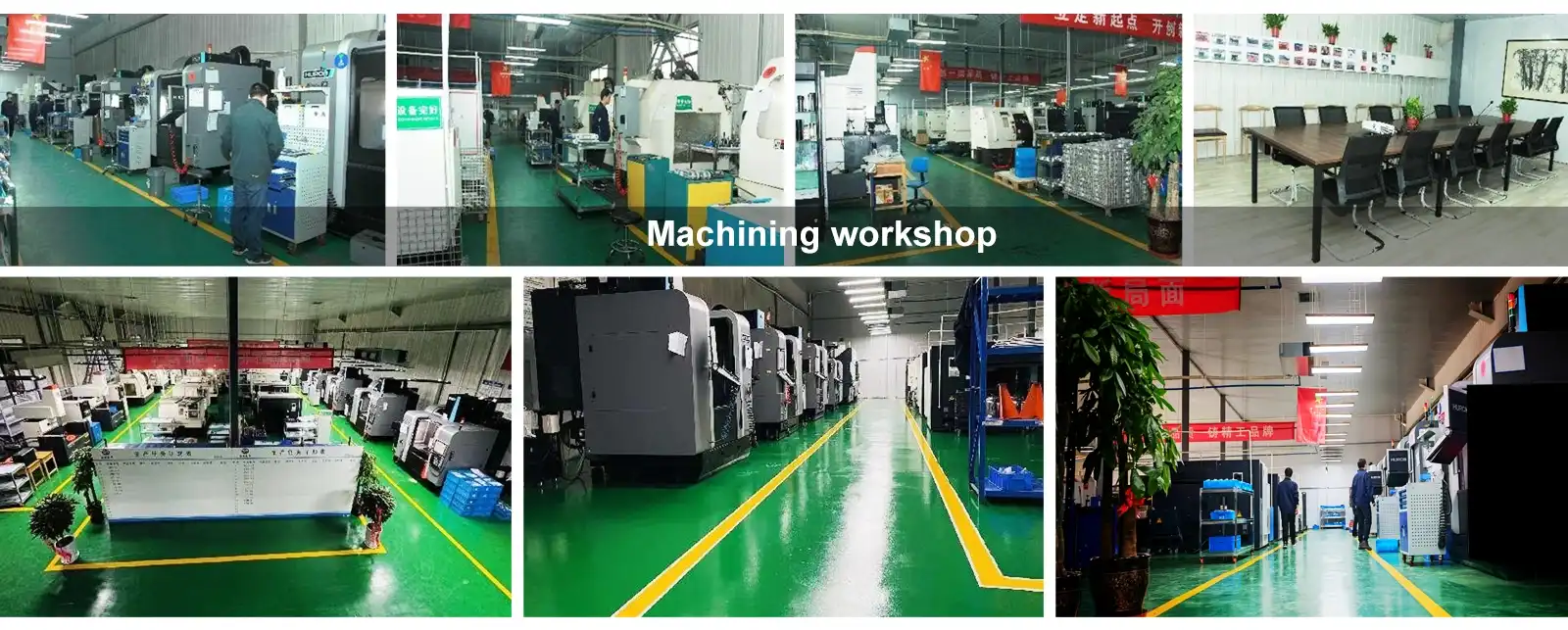
First, evaluating production capacity involves analyzing current output capabilities. It also requires looking at potential scaling opportunities. For example, manufacturers producing 5000 pieces annually demonstrate established operational systems. Simultaneously, they maintain flexibility for volume increases. Therefore, assessment should include foundry floor space. You must also check equipment utilization rates. Finally, analyze workforce capacity during peak demand periods.
Furthermore, understanding mold design capabilities proves essential. This is especially true for custom valve configurations. Beneficially, suppliers with in-house tooling departments reduce lead times. They also maintain better quality control over the entire production process. Additionally, wooden box packaging capabilities indicate attention to detail. This highlights product protection during international shipping. This is particularly important for precision-machined surfaces.
Technical Competency Verification
Initially, technical evaluation begins with reviewing the supplier's capabilities. Specifically, look for design for manufacturing (DFM) skills. Experienced manufacturers identify potential casting issues during the quotation phase. Then, they suggest design modifications. These changes improve manufacturability without compromising functionality. Moreover, computer-aided simulation software helps predict filling patterns. It also identifies potential defect locations early.
Subsequently, precision machining capabilities require evaluation. You should check CNC equipment specifications. Also, verify tooling quality and programming expertise. Often, valve bodies require complex internal passages. They also need precise sealing surfaces. These features demand sophisticated machining operations. Finally, surface treatment facilities should demonstrate consistent results. Look for consistent shot blasting and appropriate cleaning procedures.
Geographic and Logistical Considerations
Geographically, Xi'an's strategic location in central China provides benefits. It offers excellent transportation access to major ports. It also connects to inland manufacturing centers. Consequently, suppliers based in established industrial zones benefit greatly. They enjoy developed infrastructure and skilled labor availability. They also have proximity to raw material sources. Inevitably, transportation logistics affect delivery schedules. They also impact overall project costs.
Additionally, packaging expertise becomes crucial for international shipments. This is vital for precision components. They require protection from moisture, vibration, and handling damage. Therefore, wooden box packaging offers superior protection. This compares favorably to standard cardboard containers. Ultimately, this justifies slightly higher shipping costs. The benefit comes through reduced damage claims.
Essential Certification Standards and Compliance Requirements
ISO Quality Management Systems
Fundamentally, ISO 9001:2015 certification demonstrates a systematic quality management approach. This encompasses design control. It also covers supplier management and continuous improvement processes. As a result, this standard ensures consistent product quality. Manufacturers achieve this through documented procedures and regular internal audits. Therefore, suppliers should provide certification copies. They must also demonstrate active compliance through recent audit reports.
In addition, ISO 14001 certification is important. This standard covers environmental management. It indicates responsible manufacturing practices and regulatory compliance. Consequently, this becomes increasingly important as customers prioritize sustainable partners. Furthermore, ISO 45001 certification is relevant. It focuses on occupational health and safety. This demonstrates commitment to worker welfare and operational safety standards.
Industry-Specific Certifications
For specific sectors, additional standards apply. For instance, automotive applications often require IATF 16949 certification. This builds upon ISO 9001 with automotive-specific requirements. Similarly, energy sector projects may demand additional certifications. These often relate to pressure vessel standards. They may also involve nuclear quality assurance programs. Likewise, aerospace applications typically require AS9100. Alternatively, they may need similar aerospace quality standards.
Crucially, understanding certification scope is vital. Also, knowing validity periods prevents potential compliance issues. This is important during production. Therefore, suppliers should maintain current certificates. They must demonstrate ongoing compliance through regular surveillance audits. Finally, certificate authenticity verification is necessary. You can do this through issuing body databases to ensure legitimate status.
Testing and Documentation Requirements
Comprehensive testing protocols should include dimensional inspection. They must also include pressure testing and material composition verification. Moreover, non-destructive testing capabilities are essential. These include X-ray inspection and ultrasonic testing. Magnetic particle inspection is another key method. These tests identify internal defects without component damage. Undoubtedly, these capabilities prove essential for critical special valve body casting applications.
Furthermore, documentation packages are mandatory. They must include material certifications. Also, include dimensional inspection reports and process control records. Notably, traceability requirements vary by industry. For example, aerospace and nuclear applications demand complete material genealogy. Therefore, suppliers should demonstrate established documentation systems. They must also show proper archival procedures.

Quality Control Systems and Factory Audit Guidelines
Inspection and Testing Protocols
Systematically, comprehensive quality control systems begin with incoming material inspection. Then, they continue through every production stage. Additionally, statistical process control methods identify trends. This happens before defects occur. Finally, final inspection procedures verify the product. This should include dimensional verification. It also includes surface quality assessment and functional testing when applicable.
Moreover, in-process inspection points are critical. They prevent defective material from advancing through production stages. To support this, quality control personnel should possess appropriate training. They also need certification for inspection techniques used. Furthermore, inspection equipment requires attention. Regular calibration and maintenance ensure measurement accuracy.
Supplier Quality Management Systems
Effectively, quality systems include documented procedures. They also rely on trained personnel and continuous improvement programs. Importantly, corrective action procedures address non-conforming material. They also prevent recurrence. Additionally, supplier quality metrics should be tracked. These include defect rates and delivery performance. Customer satisfaction measures are also vital.
Furthermore, quality auditing capabilities enable assessment. This applies to sub-supplier performance when applicable. Also, raw material supplier qualification is necessary. This ensures consistent input quality. Finally, process control documentation provides traceability. It also enables root cause analysis when issues occur.
Factory Audit Checklists and Evaluation Criteria
Ideally, systematic factory audits evaluate facilities. They also assess equipment, personnel, and management systems. Therefore, audit checklists should cover quality systems. They should also check production capabilities and environmental compliance. Worker safety programs must be included too. Additionally, photographic documentation supports audit findings. It also tracks improvement implementation.
During the audit, management interviews assess commitment. They look for dedication to quality and customer service. Also, financial stability evaluation is prudent. This ensures supplier viability for long-term partnerships. Finally, continuous improvement programs demonstrate ambition. They show supplier commitment to operational excellence. They also indicate competitiveness enhancement.
Leading Supplier Characteristics in Today's Market
Technology Integration and Industry 4.0 Adoption
Currently, modern foundries integrate digital technologies. These include automated process monitoring. They also include predictive maintenance systems and quality data analytics. Beneficially, real-time production tracking provides customers with delivery visibility. It also enables proactive communication regarding schedule changes. Furthermore, digital documentation systems improve accuracy. They also reduce administrative overhead.
Advanced simulation software optimizes casting processes. It predicts potential quality issues before production begins. Additionally, automated inspection systems provide consistent quality assessment. They also offer detailed documentation. Finally, integration with customer systems is valuable. It enables seamless information exchange. It also facilitates improved collaboration.
Sustainability and Environmental Responsibility
Increasingly, environmental responsibility includes energy-efficient processes. It also involves waste reduction programs. Emissions control systems are equally important. Moreover, recycling programs minimize raw material consumption. They do this while maintaining quality standards. Also, water treatment systems protect local environmental resources. This demonstrates regulatory compliance.
Furthermore, carbon footprint reduction initiatives help customers. They assist in meeting their own sustainability targets. Additionally, life cycle assessment capabilities evaluate environmental impacts. This covers the entire product lifecycle. Finally, renewable energy adoption reduces operational costs. It also improves environmental performance.
Customer Service Excellence and Communication
Always, responsive customer service includes technical support. It also covers order status updates. Proactive problem resolution is a key trait. Additionally, multilingual capabilities facilitate clear communication. This is vital with international customers. Regular communication schedules keep customers informed. They cover project progress and potential issues.
Moreover, after-sales support is comprehensive. It includes warranty coverage and technical assistance. Continuous improvement collaboration is also part of the package. Furthermore, customer feedback systems capture improvement opportunities. They also measure satisfaction levels. Finally, dedicated account management ensures consistent service quality. It guarantees relationship continuity.
Conclusion
In summary, selecting the right special valve body casting manufacturer requires comprehensive evaluation. You must assess technical capabilities. You must also review quality systems and service excellence. Typically, leading suppliers combine advanced foundry technologies with systematic quality management. They also provide responsive customer service. While ISO certification provides foundation assurance, more is needed. Operational excellence demands deeper assessment of production capabilities. It also requires a commitment to continuous improvement.
Ultimately, successful partnerships develop through collaborative design processes. They also rely on transparent communication. Mutual commitment to long-term success is essential. The evolving valve casting industry rewards innovative suppliers. It favors those who invest in technology advancement. It also values environmental responsibility and customer-focused service delivery. Therefore, careful supplier selection determines project success. It also creates a competitive advantage in demanding valve applications.
Partner with Rongbao Enterprise for Premium Special Valve Body Casting Solutions
Rongbao Enterprise stands as your trusted special valve body casting supplier. We deliver excellence through two decades of manufacturing expertise and innovation. Our Xi'an facility combines gravity casting mastery with precision CNC machining capabilities. We produce fire pipe control valve components. These exceed international quality standards.
With comprehensive ISO 9001:2015, ISO 14001, and ISO 45001 certifications, we guarantee quality. We ensure systematic quality management and environmental responsibility. This applies throughout every production phase. Our 5000-piece annual capacity ensures supply. Combined with customized engineering support, we are ready. Our professional wooden box packaging ensures safety. Therefore, your projects receive dedicated attention. They also receive reliable delivery performance.
Contact steve.zhou@263.net and zhouyi@rongbaocasting.com today. Let us discuss your valve casting requirements. Experience the Rongbao difference in precision manufacturing excellence.
FAQs
What makes A356 aluminum alloy suitable for valve body casting applications?
Primarily, A356 aluminum alloy offers an excellent strength-to-weight ratio. It also provides superior corrosion resistance. Additionally, it possesses good casting characteristics. Furthermore, heat treatment capability enhances mechanical properties. It does this while maintaining dimensional stability. Thus, the alloy provides optimal performance for fire pipe control valves.
How do gravity casting processes compare to other casting methods for valve components?
Significantly, gravity casting provides excellent dimensional accuracy. It also yields a surface finish quality suitable for valve housing applications. This process minimizes turbulence during mold filling. Consequently, this reduces casting defects and improves overall quality. Moreover, setup costs remain reasonable for medium-volume production runs. It achieves this while maintaining precise tolerances.
What quality control measures should I expect from certified manufacturers?
Typically, certified manufacturers implement comprehensive inspection procedures. These include incoming material verification and in-process monitoring. They also include final dimensional inspection. Additionally, non-destructive testing capabilities identify internal defects. This happens without component damage. Finally, documentation packages include material certifications. They also provide complete traceability records.
How can I verify supplier production capacity claims?
To verify, analyze foundry floor space and equipment specifications. Also, check workforce capabilities. Furthermore, review recent customer projects. Check delivery performance records as well. Suppliers should provide detailed capacity statements. These should include peak production capabilities and scaling possibilities.
What factors influence minimum order quantities for custom valve castings?
Generally, MOQ requirements depend on tooling costs. They also depend on setup expenses. Production efficiency considerations also play a part. Pattern development costs for custom designs require amortization across production volumes. However, suppliers may accept lower initial quantities. This usually comes with annual volume commitments or blanket order arrangements.
References
- International Organization for Standardization. "Quality Management Systems - Requirements for Automotive Production and Relevant Service Parts Organizations." ISO/TS 16949:2016 Standard Documentation.
- American Society for Testing and Materials. "Standard Specification for Aluminum-Alloy Sand Castings." ASTM B26/B26M-18 Technical Standards.
- China Foundry Association. "Annual Report on Chinese Casting Industry Development and Market Trends." Beijing: CFA Publications, 2023.
- European Committee for Standardization. "Valves - Requirements and Testing for Fire Resistance and Fire Safe Design." EN 12266-2:2012 Standards.
- Metal Casting Industry Research Institute. "Advanced Aluminum Casting Technologies and Quality Control Methods." Shanghai: Technical Publishing House, 2023.
- Global Valve Manufacturing Association. "Industry Best Practices for Precision Casting Quality Management Systems." Technical Bulletin GVMA-2023-07.
Learn about our latest products and discounts through SMS or email