- English
- French
- German
- Portuguese
- Spanish
- Russian
- Japanese
- Korean
- Arabic
- Greek
- German
- Turkish
- Italian
- Danish
- Romanian
- Indonesian
- Czech
- Afrikaans
- Swedish
- Polish
- Basque
- Catalan
- Esperanto
- Hindi
- Lao
- Albanian
- Amharic
- Armenian
- Azerbaijani
- Belarusian
- Bengali
- Bosnian
- Bulgarian
- Cebuano
- Chichewa
- Corsican
- Croatian
- Dutch
- Estonian
- Filipino
- Finnish
- Frisian
- Galician
- Georgian
- Gujarati
- Haitian
- Hausa
- Hawaiian
- Hebrew
- Hmong
- Hungarian
- Icelandic
- Igbo
- Javanese
- Kannada
- Kazakh
- Khmer
- Kurdish
- Kyrgyz
- Latin
- Latvian
- Lithuanian
- Luxembou..
- Macedonian
- Malagasy
- Malay
- Malayalam
- Maltese
- Maori
- Marathi
- Mongolian
- Burmese
- Nepali
- Norwegian
- Pashto
- Persian
- Punjabi
- Serbian
- Sesotho
- Sinhala
- Slovak
- Slovenian
- Somali
- Samoan
- Scots Gaelic
- Shona
- Sindhi
- Sundanese
- Swahili
- Tajik
- Tamil
- Telugu
- Thai
- Ukrainian
- Urdu
- Uzbek
- Vietnamese
- Welsh
- Xhosa
- Yiddish
- Yoruba
- Zulu
What does low pressure mean?
When talking about how things are made, "low pressure" means a controlled pressure condition that usually works between 0.1 and 1.0 bar (1.5 and 15 psi) to help molten metal flow into molds. Low pressure casting is a precise way to cast metal that employs low pressure to force molten aluminum or magnesium up from a sealed furnace into permanent molds. Compared to standard gravity-fed techniques, this technology makes better parts with better structural integrity, fewer flaws, and better dimensional precision. The controlled pressure environment minimizes turbulence during metal flow, which makes parts that are thick and strong, making them perfect for use in cars, planes, and factories.
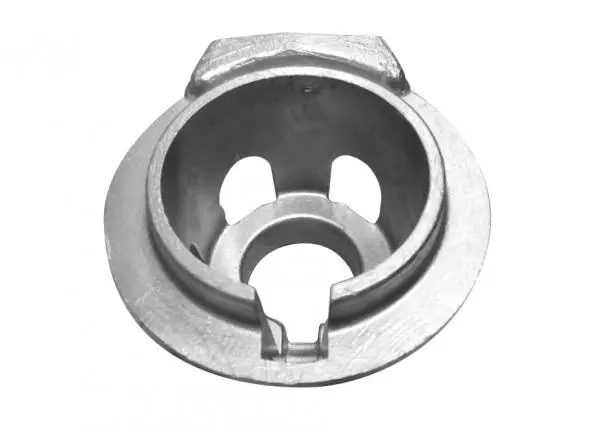
Understanding Low Pressure: Definition and Core Principles
What Does "Low Pressure" Actually Mean in Industrial Context?
In manufacturing, "low pressure" means a controlled atmospheric situation where the force applied is much lower than what is normal for high-pressure processes. This difference in pressure is what moves molten metal through casting systems without generating turbulence or oxidation.
This procedure is different from high-pressure die casting, which works at 150 to 1200 bar, and gravity casting, which just uses gravity. Low-pressure systems let producers have tight control over the flow rates of metal, which helps them make parts of the same quality every time they run a manufacturing line.
This regulated environment is good for industrial uses since it reduces casting faults and makes the most of the materials used. The soft pressure makes sure that the mold is completely filled without putting too much stress on any one section, which could damage it.
The Science Behind Low Pressure Systems
Low pressure casting works on the basic principles of fluid dynamics. In this process, controlled gas pressure causes a difference in pressure between the furnace and the mold chamber. This difference in pressure pushes molten metal up through a riser tube, making sure that the flow is clean and laminar without trapping air.
The physics is about keeping the pressure, metal density, and gravity in balance. The gas pressure on the molten metal surface is strong enough to push the material into the mold hole above the furnace and overcome gravity.
Controlling the temperature is a very important part of this procedure. During the filling phase, the molten metal must stay at the right viscosity, which means that the temperature must be carefully controlled to avoid solidifying too soon or becoming too fluid, which could affect the quality of the casting.

Low Pressure Casting Fundamentals: How It Works?
The Complete Low Pressure Casting Process Explained
In the low pressure casting method, molten metal is prepared in a sealed furnace that is placed below the casting mold. Operators heat aluminum or magnesium alloys at certain temperatures while keeping the air around them safe from oxidation.
When the metal is at the right temperature for casting, gas pressure is carefully added to the furnace chamber. This pressure pushes the molten metal up through a vertical riser tube that is attached to the mold cavity above the furnace.
The filling process goes on under constant pressure until the mold cavity is full. During the solidification process, pressure is kept up to make sure that the feeding is done correctly and to get rid of shrinkage porosity. After cooling, the pressure is let go, which lets any extra metal in the riser system flow back to the furnace so it may be used again.
Working Principle: From Molten Metal to Finished Part
To turn molten metal into a completed part, the temperature and pressure must be carefully controlled throughout the casting process. Heating the metal up to the right pouring temperature and getting rid of dissolved gasses that could cause porosity are both done at the same time.
The pressure that is applied provides the force that fills the mold. The gas pressure on the surface of the molten metal causes it to flow higher. The controlled filling rate keeps the flow laminar, which stops air from being trapped and oxide from forming.
Solidification happens when pressure is kept up, which feeds the metal to make up for the fact that it shrinks as it cools. This feeding process gets rid of shrinkage voids and makes dense, strong castings that are better mechanically than those made without pressure.
Essential Equipment and System Components
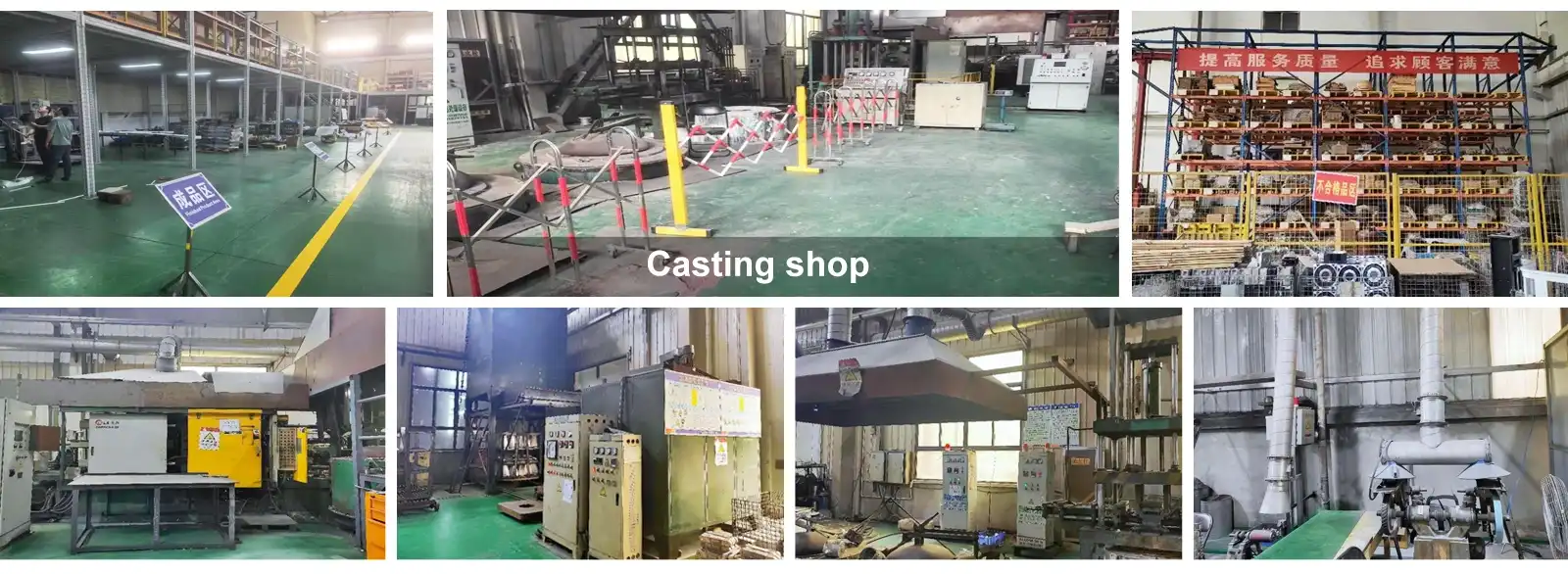
For low pressure casting systems to work, a number of specialized parts must work together. The sealed holding furnace is where the metal is stored. It has heating elements and temperature control systems to keep the best conditions for casting.
The riser tube links the mold assembly to the furnace and controls the flow of molten metal. Most of the time, these tubes are built of materials that don't break when they come into contact with hot metals or chemicals.
Permanent steel or iron molds that may be used over and over again make up mold assemblies. These molds have cooling channels, venting systems, and ejection mechanisms that help make manufacturing cycles more efficient. Gas pressure control systems let you adjust the pressure exactly during the whole casting cycle.
Temperature Control and Cycle Time Management
Managing the temperature affects every part of the quality and efficiency of low-pressure casting. To keep the metal fluidity right, the furnace temperatures must stay within a small range. Too much superheat loses energy and speeds up mold wear.
Preheating the mold helps keep the cooling rates equal and stops thermal shock when the metal touches it. Controlled cooling rates affect the formation of the microstructure and the ultimate mechanical properties of cast parts.
Cycle time optimization finds a balance between quality needs and production efficiency. Cooling quickly shortens cycle durations, but it can also leave behind residual stresses. Cooling slowly, on the other hand, enhances the characteristics of the material but slows down the process. Advanced systems employ thermal modeling to find the best balance between these two parameters.
Common Applications and Industry Use Cases
Automotive Industry Applications: Wheels, Engine Components
The automotive industry is the biggest market for low-pressure cast parts because of the need for lightweighting and performance. One of the main uses for aluminum wheels is that they don't need to be painted because they have such a good surface quality. They also have the strength needed to meet vehicle safety standards.
Low-pressure technologies can make materials that are better for engine parts. Dense, low-porosity castings have the pressure-tight properties and thermal conductivity that cylinder heads, engine blocks, and intake manifolds need.
As manufacturers look for lightweight battery housings and structural parts, the use of electric vehicles is growing quickly. The design's versatility allows for the addition of cooling tunnels and complicated mounting elements while keeping the electrical isolation needed for high-voltage systems.
Aerospace and Defense Manufacturing Requirements
Low pressure casting is great for structural parts, brackets, and housings since aerospace applications have the highest quality demands. The method gives the material traceability and quality documentation that is needed for aviation certification.
In aircraft applications, where every gram affects fuel efficiency and performance, the ability to reduce weight is highly important. The dense castings do away with the necessity for extra design margins that are needed to make up for porosity in lower-quality casting processes.
Parts used in defense must be able to handle harsh weather and heavy loads. Low-pressure castings achieve these stringent standards while still being stable in size because they are more resistant to fatigue and impact.
Industrial Equipment and Machinery Components
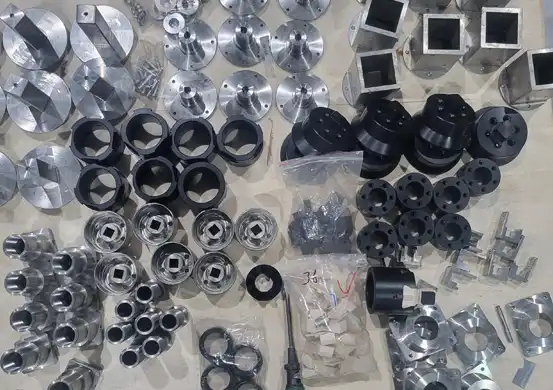
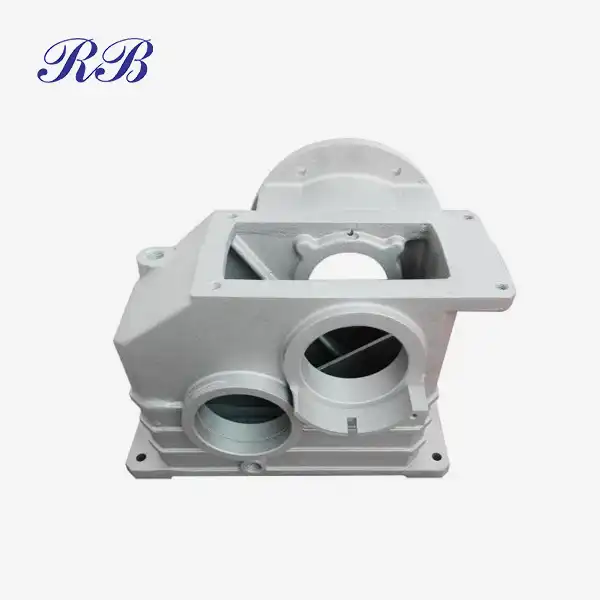
Pump housings and valve bodies are two important places where pressure-tight integrity is very important. The castings are dense and have no pores, so they don't leak and are resistant to corrosion, which is important in chemical processing conditions.
Low-pressure procedures make it possible to have smooth internal surfaces and accurate dimensional control, which is good for hydraulic system parts. These features help the system work better by lowering pressure losses and extending the life of its parts.
Parts used in heavy machinery must be able to handle significant mechanical loads and impact forces. Low-pressure castings have better material qualities that make them reliable for use in construction and mining equipment.
Aluminum Alloy Parts: Specifications and Standards
Choosing the right aluminum alloy has a big effect on how well a casting works and what the final object is like. People often employ A356 and A357 alloys because they are easy to cast, resist corrosion, and respond well to heat treatment. In the T6 state, these alloys have ultimate tensile strengths of more than 240 MPa.
ASTM B26 and ISO 3522 are two examples of industry standards that set limits on the chemical composition and mechanical properties of aluminum alloy castings. Following these rules makes guarantee that materials are the same and that performance is predictable across different providers.
Heat treatment can greatly improve the mechanical qualities of castings made with low pressure. Solution treatment and then artificial aging can make materials 50% stronger or more, while yet keeping their great ductility and fatigue resistance.
Conclusion
Low pressure casting is a complex manufacturing process that makes high-quality parts for tough jobs in the automotive, aerospace, and industrial sectors. Compared to typical casting procedures, the controlled pressure environment makes castings that are denser, stronger, and have better surface finish and dimensional accuracy.
Knowing the basic ideas, technical benefits, and things to think about while using a method or evaluating a provider helps you make smart choices. The technology is especially useful for applications that need to be light and perform well because it can generate complicated shapes with few flaws.
To make sure that implementation goes well, you need to pay close attention to process parameters, quality control, and the competencies of your suppliers. Investing in the right tools and optimizing processes pays off by consistently making high-quality parts that satisfy the strictest standards.
Partner with Rongbao Enterprise for Premium Low Pressure Casting Solutions
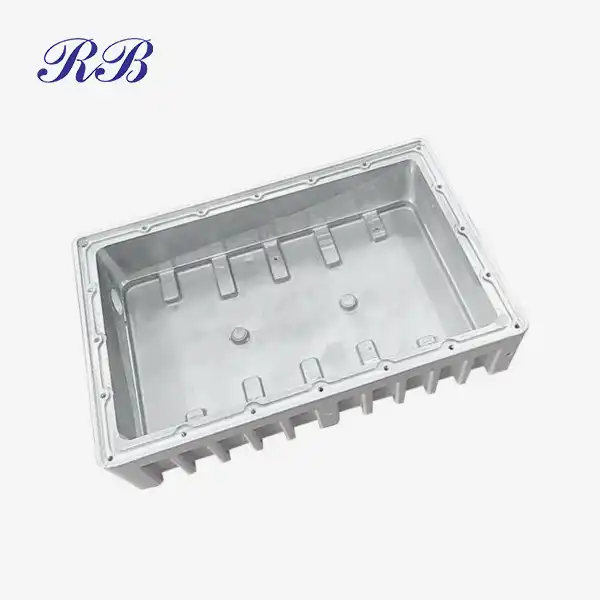
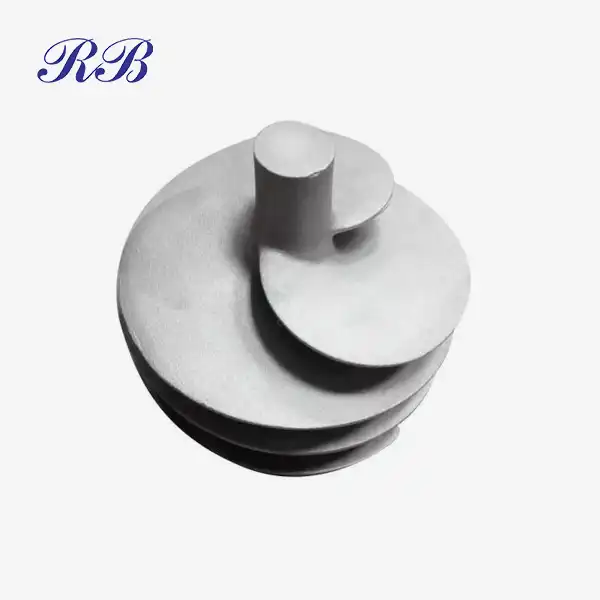
Rongbao Enterprise stands as your trusted low pressure casting manufacturer, delivering precision aluminum components that exceed industry standards. Our comprehensive manufacturing capabilities span the complete production chain, from mold development through finished part delivery, ensuring optimal quality and efficiency throughout your project lifecycle. With 20 years of industry expertise and ISO 9001, ISO 14001, and ISO 45001 certifications, we provide the technical excellence and reliability your applications demand. Contact steve.zhou@263.net or zhouyi@rongbaocasting.com to discuss your specific requirements and discover how our advanced low pressure casting solutions can enhance your product performance while reducing total ownership costs.
FAQ
What pressure range is typically used in low pressure casting?
Low pressure casting operates at pressures between 0.1 to 1.0 bar (1.5 to 15 psi), significantly lower than high pressure die casting which reaches 150-1200 bar. This gentle pressure provides controlled filling while eliminating turbulence and defect formation.
Is low pressure casting suitable for high-volume production?
Yes, low pressure casting excels in medium to high-volume production runs, offering excellent repeatability and cost-effectiveness for quantities ranging from 1,000 to 100,000+ parts annually. The permanent mold construction enables efficient automated production.
What materials can be processed using low pressure casting?
Low pressure casting primarily processes aluminum alloys including A356, A357, and automotive-grade alloys. Many facilities also handle magnesium and zinc alloys depending on specific application requirements and equipment capabilities.
How does low pressure casting compare in terms of lead times?
Initial tooling development requires 6-12 weeks, but established production cycles operate faster than sand casting while delivering superior surface finish compared to gravity casting. This efficiency makes it ideal for ongoing production schedules.
What are the typical tolerances achievable with low pressure casting?
Low pressure casting achieves dimensional tolerances of ±0.2mm to ±0.5mm depending on part geometry and size, with surface finishes ranging from Ra 3.2 to Ra 6.3 μm. These capabilities often eliminate secondary machining requirements.
References
1. Campbell, John. "Complete Casting Handbook: Metal Casting Processes, Techniques and Design." Butterworth-Heinemann, 2015.
2. American Foundry Society. "Aluminum Casting Technology: Principles and Applications." AFS Publication, 2018.
3. ASM International. "Metals Handbook Volume 15: Casting." ASM International Materials Park, 2017.
4. Bonollo, Franco, et al. "Aluminum Alloy Castings: Properties, Processes, and Applications." Springer Materials Science, 2019.
5. International Journal of Metalcasting. "Low Pressure Casting Process Optimization and Quality Control." Springer Publishing, 2020.
6. Society of Automotive Engineers. "SAE Technical Paper Series: Advanced Aluminum Casting Technologies for Automotive Applications." SAE International, 2021.
Learn about our latest products and discounts through SMS or email