- English
- French
- German
- Portuguese
- Spanish
- Russian
- Japanese
- Korean
- Arabic
- Greek
- German
- Turkish
- Italian
- Danish
- Romanian
- Indonesian
- Czech
- Afrikaans
- Swedish
- Polish
- Basque
- Catalan
- Esperanto
- Hindi
- Lao
- Albanian
- Amharic
- Armenian
- Azerbaijani
- Belarusian
- Bengali
- Bosnian
- Bulgarian
- Cebuano
- Chichewa
- Corsican
- Croatian
- Dutch
- Estonian
- Filipino
- Finnish
- Frisian
- Galician
- Georgian
- Gujarati
- Haitian
- Hausa
- Hawaiian
- Hebrew
- Hmong
- Hungarian
- Icelandic
- Igbo
- Javanese
- Kannada
- Kazakh
- Khmer
- Kurdish
- Kyrgyz
- Latin
- Latvian
- Lithuanian
- Luxembou..
- Macedonian
- Malagasy
- Malay
- Malayalam
- Maltese
- Maori
- Marathi
- Mongolian
- Burmese
- Nepali
- Norwegian
- Pashto
- Persian
- Punjabi
- Serbian
- Sesotho
- Sinhala
- Slovak
- Slovenian
- Somali
- Samoan
- Scots Gaelic
- Shona
- Sindhi
- Sundanese
- Swahili
- Tajik
- Tamil
- Telugu
- Thai
- Ukrainian
- Urdu
- Uzbek
- Vietnamese
- Welsh
- Xhosa
- Yiddish
- Yoruba
- Zulu
Why Aluminum Door Handles Are Ideal for Mine Truck Body Door Connections?
The equipment has to deal with a lot of different things in the big, open-pit mines where dust clouds billow and engines howl. A huge haul truck that carries hundreds of tons of ore is only as good as its tiny parts. One of these is the handle that connects the cab door. It performs a surprisingly important role. It is the first thing the operator sees and an important safety feature when getting in and out.
Engineers and procurement executives sometimes wonder, "Why use an aluminum door handle instead of a steel one for these big things?" The answer is a certain mix of material science and engineering use. Steel is quite strong, but it is also very heavy, which can destroy hinges over time. On the other hand, plastic breaks when it is shaken hard at a mining site. High-quality aluminum alloys that are made just for the mine truck body door connection fill this gap. They offer a better mix of strength, light weight, and resistance to corrosion.
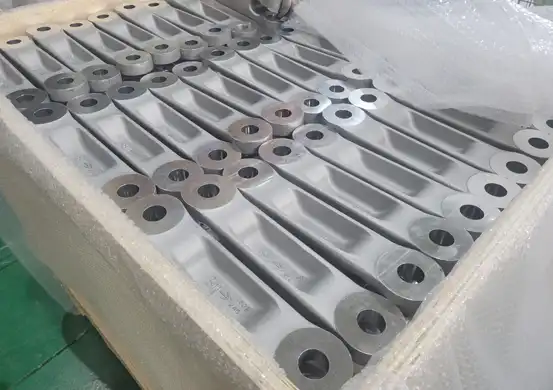
Understanding the Rigorous Demands of Heavy-Duty Mining Environments
To comprehend how valuable a high-quality aluminum door handle is, you first need to know what kind of place it resides in. Mining vehicles work around the clock on unpaved haul routes that cause persistent, high-frequency vibration. This mechanical stress goes through the truck's body and into the parts that are attached to it. A thick steel handle, since it is so heavy, makes these vibrations act like a pendulum. This puts too much torque on the door sheet metal and hinges, which can cause fatigue cracks and make the door assembly fail too soon.
The Impact of Vibration and Shock Loading
When a 400-ton truck hits a rut, the shock load is huge. These safety parts need to be able to take in this energy without changing shape. If a handle bends or breaks, it presents a safety risk right away for the person trying to climb down from a height of many meters. The material must have a high yield strength so that it doesn't change shape permanently. Lightweight materials lessen the inertial forces that happen during these shock events, which protects both the handle and the mounting locations on the vehicle body.
Surviving Corrosive Elements
The chemical environment is also bad for the body. If a mine is near the coast, the groundwater may be acidic, sulfur dust may be present, or the circumstances may be salty. Once the coating on ferrous metals like carbon steel is scratched, they will rust quickly. This is something that happens in mining. Rust makes things bigger, which can cause the mechanism to seize or the handle to become structurally weak. An aluminum door handle naturally generates a thin, protective oxide layer that stops corrosion. This means that the item will still work even if it becomes scratched on the surface.
The Mechanical Advantages of AA601 Alloy in Structural Applications
Not all aluminum is the same. Standard consumer-grade alloys are not strong enough for important uses like connecting the door of a mine vehicle body. The industry standard points to AA601 (AlSi7Mg), a casting alloy that can be heat-treated and is known for its great mechanical qualities. This material choice was made on purpose to give the same tensile strength as mild steel but at a third of the weight.
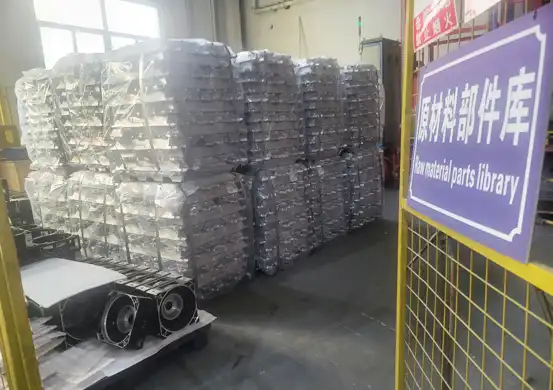
Strength-to-Weight Ratio Explained
Silicon in the AA601 alloy lets you cast complex shapes without flaws, while magnesium gives it strength through heat treatment. A finished aluminum door handle that weighs about 3.5 kg gives the user a strong, solid grasp. If this handle were made of stainless steel, it would weigh around 10 kg. Not only does this weight loss help with fuel efficiency, but it also helps the door mechanism last longer. The aluminum section is lighter, which means it puts less stress on the hinges. This means less wear and tear on the truck body itself.
Heat Treatment for Enhanced Durability
Aluminum cast in its raw form is not very hard. But AA601 goes through a unique heat treatment process (usually T6) that changes the way the metal's crystals are arranged. This makes things a lot harder and more resistant to wear and tear. For parts that go through millions of vibration cycles, fatigue failure is the most important thing to worry about. The AA601 handle that has been heat-treated may bend very slightly without cracking, which is something that brittle plastics or hard cast irons couldn't do.
How Low Pressure Casting Ensures Reliability and Safety?
The material is only part of the story; the way it is made also affects how strong the part is. We use Low Pressure Die Casting (LPDC) for hardware that is very important for safety. In contrast to gravity casting, which pours metal and can trap air, LPDC uses controlled air pressure to drive molten aluminum into the mold from below. This makes for a smooth, turbulence-free fill that is important for the quality of the structure.
Eliminating Internal Defects
Porosity, which is when little pockets of air get trapped in the metal, makes the structure much weaker and less durable over time. In places with a lot of vibration, such mining operations, even minor spaces within might initiate cracks that can lead to unexpected failure. The low-pressure casting process lowers this risk by keeping the pressure consistent and regulated as the molten aluminum fills the mold and hardens. This constant pressure feeding makes up for the natural shrinkage that happens when something cools down, making sure that the interior structure is dense and even. The end product is an aluminum door handle with a continuous grain structure and strong integrity, which means it can endure severe pulling and constant mechanical stress without breaking.
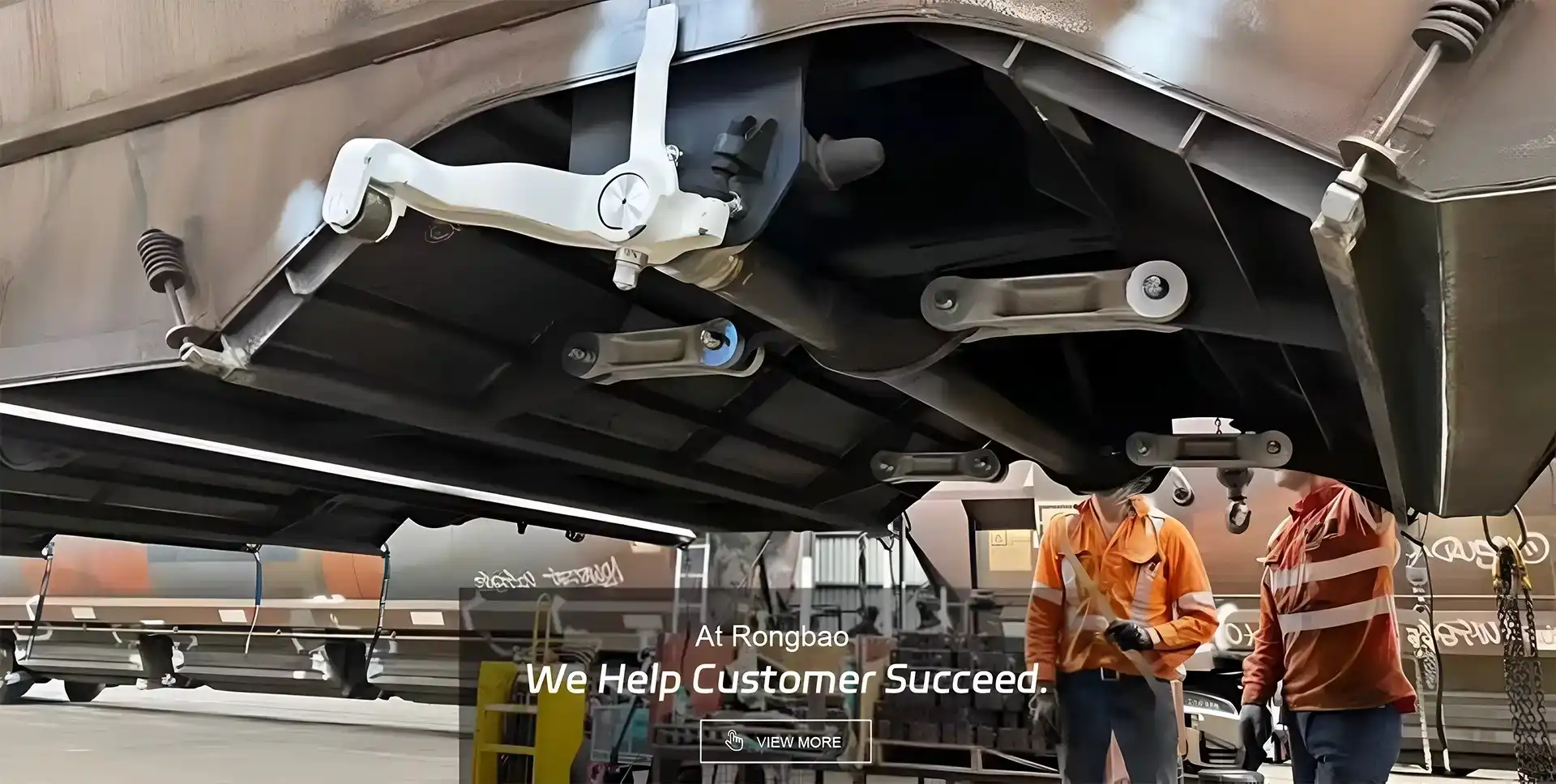
Precision Fit via CNC Machining
Getting the alignment just perfect is very crucial when you put a handle on a mine truck door. Even tiny flaws in size could make it hard to install or make the handle come loose over time. After being cast, CNC machines each handle to make sure it has the right tolerances and smooth mounting surfaces. Computer-controlled machines drill holes for bolts and smooth out contact surfaces with remarkable precision to make sure that every unit is the same size. This level of accuracy keeps the machine from rattling, getting out of position, or unevenly distributing the load while it's running. Because of this, the handle aligns precisely with the body of the car, making it feel snug and giving it a strong, high-quality closing feeling that indicates both mechanical reliability and careful engineering control.
Aluminum Door Handle Supplier: Rongbao Enterprise
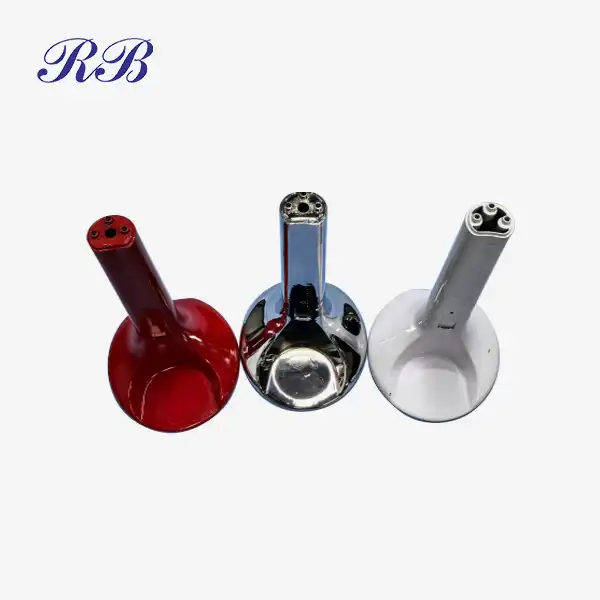
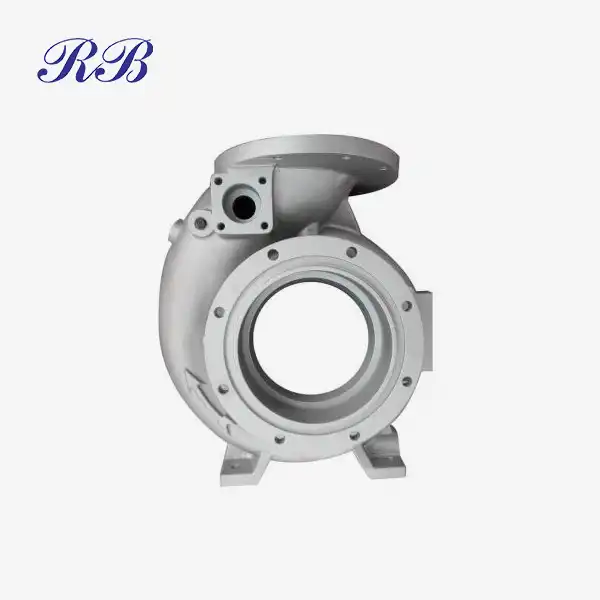
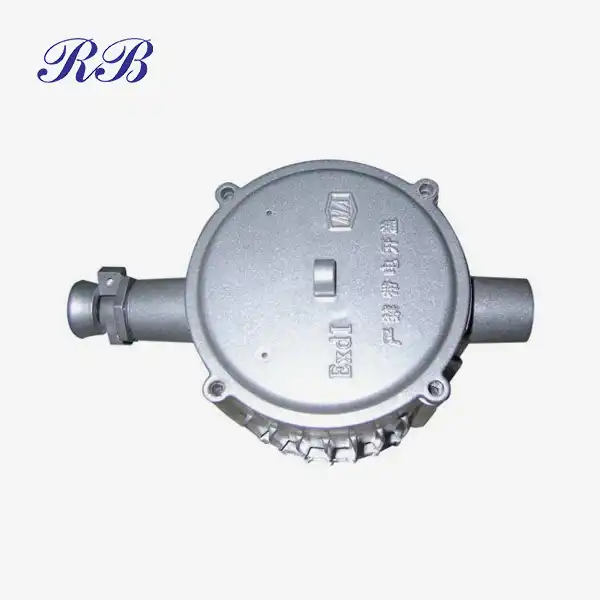
When safety and dependability are most important, picking the proper manufacturing partner is just as important as picking the correct material. Rongbao Enterprise is a leader in making heavy-duty parts for the mining sector. Our highlighted aluminum door handle is made to work well under the tough conditions of mine truck body door connections.
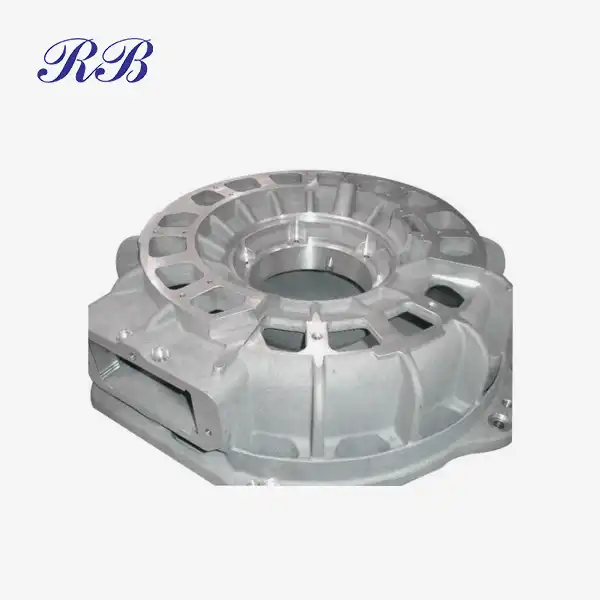
We use the best features of AA601 alloy and the accuracy of low-pressure casting to make a 3.5kg handle that workers can trust with their lives. Our factory in Xi'an, China, has strict ISO9001:2015, ISO14001, and ISO45001 certifications, which guarantee that every part fulfills international requirements. We take care of every step of the process, from CNC machining to shot blasting.
We can help your fleet with a production capacity of 20,000 units and a wide range of OEM/ODM customisation choices. Your gear needs hardware that will last.
Ready to upgrade your equipment with superior components?
Contact us today regarding your inquiry:
Email: steve.zhou@263.net or zhouyi@rongbaocasting.com
FAQ
Q1: Is an aluminum door handle strong enough to replace steel?
A: Yes. When manufactured from high-grade alloys like AA601 and heat-treated, aluminum handles offer tensile strength comparable to many mild steels. Furthermore, their lighter weight reduces the stress on the mounting points, often making the overall system more durable than a steel assembly.
Q2: How does the AA601 alloy handle extreme temperature fluctuations?
A: Aluminum alloys maintain their mechanical properties well in cold environments, actually becoming tougher as temperatures drop, unlike steel which can become brittle. This makes AA601 ideal for mines in high-altitude or arctic regions, as well as hot desert environments.
Q3: Does the handle require painting for protection?
A: While aluminum is naturally corrosion-resistant, these handles typically undergo shot blasting and can be painted or powder-coated. This is often done for aesthetic purposes or to provide an additional barrier against highly acidic mud, but the underlying metal will not rust like steel.
References
1. Total Materia. (2025). AA601 (AS): Properties, Composition, and Best Uses. Retrieved from Total Materia Database.
2. European Aluminium Association. (2023). Cast Alloys and Products: Applications in Automotive Engineering. Brussels: EAA.
3. Campbell, J. (2003). Castings: The New Metallurgy of Cast Metals. Butterworth-Heinemann. (Context on Low Pressure Casting benefits).
4. ASM International. (2023). Casting Design and Performance. Materials Park, OH: ASM International.
5. Society of Automotive Engineers (SAE). (2025). Heavy Duty Vehicle Body Attachments: Materials and Testing Standards. SAE Technical Papers.
Learn about our latest products and discounts through SMS or email