Receives Signals and Processes Information
An alarm control panel's data collection and analysis capabilities extend to a wide range of sensors installed throughout a protected area. This complex procedure comprises:
- 1. Around-the-Clock Monitoring: The central station keeps in continual contact with all of the linked devices, such as those that detect motion, smoke, and open and closed doors and windows. It is standing by, ready to respond to any status changes that may signal an emergency or security breach.
- Second, deciphering the signal: when a sensor goes off, it communicates with the alarm panel via electrical signals. In a flash, the panel's computer processes this data and returns an assessment of the situation's seriousness.
- Thirdly, Filtering Out False alerts: Modern alarm control boxes can discern the difference between real dangers and false alerts thanks to their smart algorithms. To cut down on false alarms, it might, for instance, distinguish between a pet's movement and that of an intruder.
- The fourth feature is multi-zone management, which allows the alarm control box to separately monitor several "zones" or sections of a property in bigger systems. As a result, you may partially arm the system or locate a triggered sensor precisely.
The alarm control box is the first line of defense in detecting any security hazards or crises by effectively processing this stream of information.
Initiates Responses and Sends Notifications
After the alarm panel has verified the presence of a real danger, it initiates a chain reaction of synchronized actions:
1. Activation of alerts: The first and usually fastest reaction is to set off visual and auditory alerts. Here are several examples:
To warn residents and discourage would-be burglars, use a loud siren or horn.
To attract attention and confuse would-be assailants, use strobe lights or flashing lights.
Voice notifications that provide important information in a straightforward manner
2. Engaging in Conversations with Monitoring Services: A large number of security systems are linked to third-party monitoring centers. In the event of a problem, the control panel may immediately notify qualified operators via built-in communication modules (cellular, landline, or internet-based) so that they can evaluate the situation and provide aid as needed.
3. Notifications Automated: With today's control panels or alarm control boxes, it's possible to send warnings directly to property owners or selected contacts through:
Short messaging
Notifications sent via email
Notifications sent directly to mobile applications
4. Smart Home System Integration: In more complex configurations, the control panel has the ability to activate additional linked devices, like:
Switching on every light in the house
Controlling access to designated entrances
To start recording, activate the security cameras.
5. Local Police, Fire Departments, or Emergency Medical Services Can Be Directly Contacted Through the Control Panel in the Event of a Confirmed Intruder, Fire, or Medical Emergency.
When a security incident happens, the right things may be done quickly and effectively thanks to its multi-faceted reaction capabilities.

Controls Devices and Provides User Interface
The main function of the alarm control panel is to act as an interface between the user and the security system, whether an emergency arises or not:
One feature that authorized users may take use of is the ability to activate or disarm the whole system or individual zones via the control panel. Several approaches may be used to do this:
Numeric code keypads
Identifier tags or keychains
Fingerprint or face recognition biometric scanners
Mobile applications that provide remote access
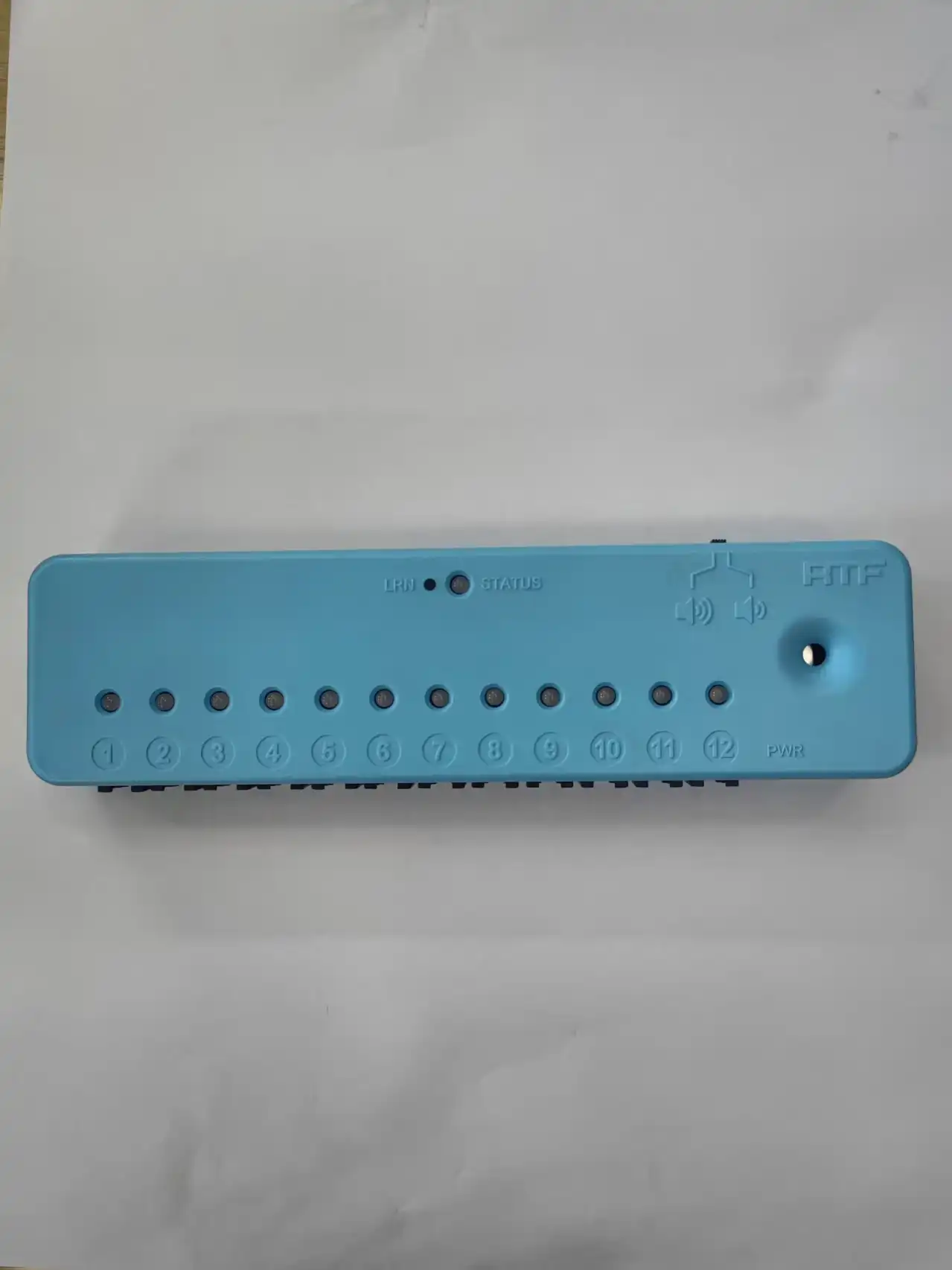
2. The status display is a modern convenience seen on most control panels. It shows the following information in an easy-to-read format:
status of armed or unarmed
Are some zones being used or ignored?
Power status and battery life
Connection between communication and health 3. Management of Users: System administrators have the ability to program many user codes, each with their own adjustable degree of access. This enables the monitoring of the times and identities of system arming and disarming.
Fourth, the control panel keeps a comprehensive record of all system occurrences, such as arming and disarming, alerts, and technical problems. This might be helpful for investigating issues or conducting security audits.
5. Integration Hub: Multiple alarm control panels now function as main nodes for more extensive home automation systems, thanks to advancements in smart home technologies. What powers do they possess?
Timetables for lights
Temperature controls
Secure locks for doors
Surveillance footage
6. Remote Access: Customers have the freedom to operate their security systems from anywhere thanks to the online or app-based interfaces provided by many contemporary control panels.
A user may set the system to arm at a certain time each night or adjust the sensitivity based on occupancy statistics via the control panel, which brings us to our seventh point: personalization and scheduling.
The alarm control panel has an intuitive and feature-rich interface that makes managing and integrating security systems a breeze for clients.
FAQs
1. How does an alarm control panel communicate with sensors?
Alarm control panels typically communicate with sensors through wired or wireless connections. Wired systems use low-voltage electrical circuits, while wireless systems employ radio frequency (RF) signals. Some modern systems use a hybrid approach, combining both wired and wireless components for maximum flexibility and reliability.
2. Can an alarm control panel work during a power outage?
Yes, most alarm control panels are equipped with backup batteries that allow the system to continue functioning during power outages. These batteries typically provide several hours of operation, ensuring your property remains protected even when the main power supply is disrupted.
3. How often should an alarm control panel be updated or replaced?
The lifespan of an alarm control panel can vary depending on the manufacturer and model, but generally, it's recommended to evaluate your system every 5-10 years. Technological advancements may offer improved features, better reliability, or enhanced integration capabilities. Regular software updates can help extend the useful life of your control panel.
Alarm Control Box Supplier: Rongbao Enterprise
When it comes to reliable and high-quality alarm control boxes, Rongbao Enterprise stands out as a leading manufacturer. With a focus on precision and innovation, Rongbao offers customized solutions to meet the specific needs of equipment manufacturers in the security industry.
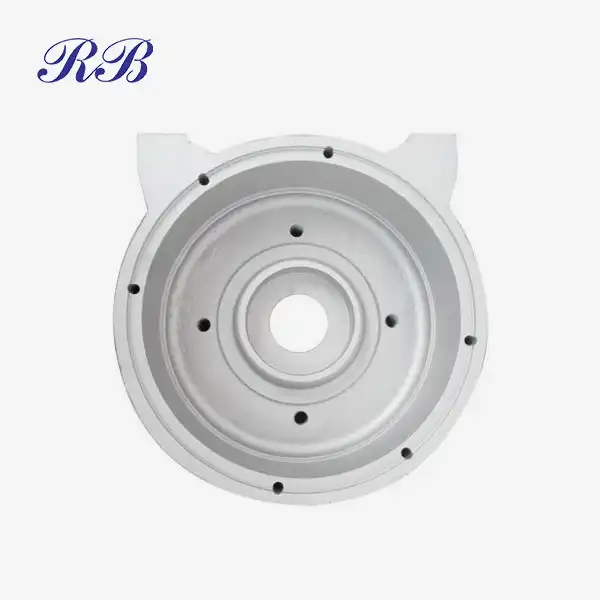
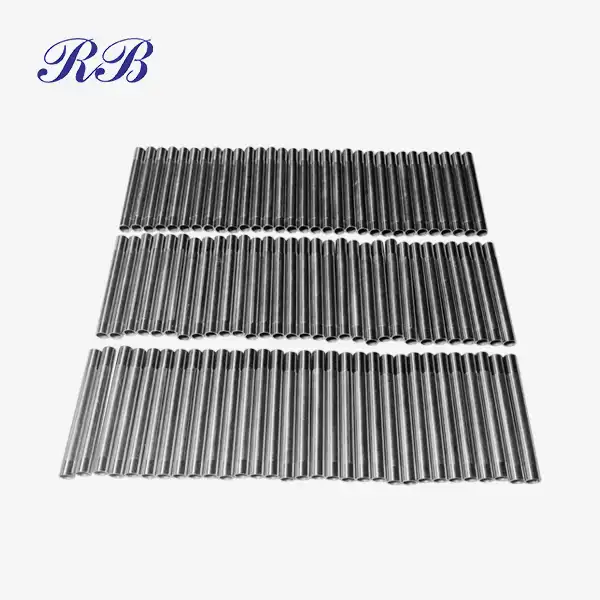
Rongbao Enterprise, founded in 2003, specializes in aluminum alloy casting and precision processing. Their expertise extends to various production methods, including high-pressure die casting, low-pressure die casting, gravity casting, and precision machining services. This versatility allows them to deliver integrated component supply solutions that are crucial for the production of advanced alarm control panels.
Key highlights of Rongbao Enterprise's offerings include:
- Application: Alarm device parts
- OEM/ODM capabilities: Fully customizable solutions
With a commitment to environmental sustainability and precision manufacturing, Rongbao has established itself as a trusted global partner. Their products are exported to major markets including the United States, Europe, and Japan, reflecting the international quality standards they maintain.
For manufacturers looking to source high-quality components for alarm control boxes, Rongbao Enterprise offers the expertise and capabilities to meet your needs. To learn more about their custom solutions or to discuss your specific requirements, don't hesitate to reach out to their team at steve.zhou@263.net or zhouyi@rongbaocasting.com.
References
1. National Fire Protection Association. (2022). "NFPA 72: National Fire Alarm and Signaling Code."
2. Underwriters Laboratories. (2021). "UL 681: Standard for Installation and Classification of Burglar and Holdup Alarm Systems."
3. Security Industry Association. (2023). "Alarm Systems: Technology Overview."
4. U.S. Department of Homeland Security. (2022). "Cybersecurity Best Practices for Electronic Security Systems."
5. IEEE Xplore. (2023). "Advancements in Smart Home Security Systems: A Comprehensive Review."