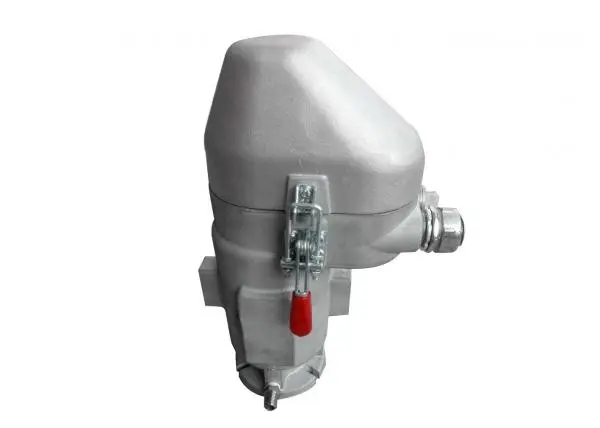
Shot Blasting: A Key Surface Treatment Process
When it comes to die cast drain valves, shot blasting is a popular and efficient surface treatment method. Using this method, tiny abrasive particles, or "shot," are propelled against the valve's surface at high speeds. The procedure has several uses:
- Surface Cleaning: Shot blasting is an excellent method for removing impurities, oxide coatings, and any residual contaminants from the casting process.
- In order to apply coatings or other treatments later on, it is essential to prepare the surface beforehand. This procedure creates a uniform surface texture.
- The process has the ability to enhance the valve's durability and lifespan by alleviating stresses inside the metal.
- Because shot-blasting creates a roughened texture, paints, powder coatings, and other finishes stick better to the surface.
For die cast drain valves, shot blasting is particularly beneficial as it can significantly improve the valve's resistance to corrosion and wear. This is especially important considering the often harsh environments in which these valves operate, such as in plumbing systems or industrial settings where they may be exposed to various chemicals and abrasive materials.
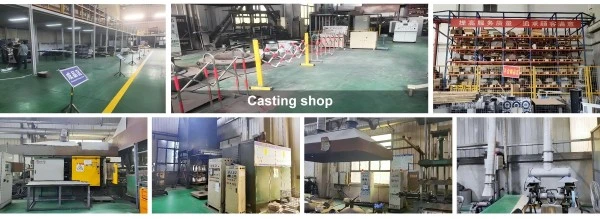
Enhanced Wear Resistance Through Surface Treatments
Die cast drain valves have a great wear resistance to begin with, thanks to shot blasting, but it may be much better with extra surface treatments. To keep the valves running reliably for a long period and increase their lifetime, these treatments are essential. Treatments that increase wear resistance are some of the most effective:
Anodizing
The electrochemical process of anodizing forms a thick oxide coating on the surface of aluminum alloys, making them hard and long-lasting. Anodizing die-cast drain valves has several uses:
- Anodization increases the hardness of the metal, making it more resistant to scratches and wear and tear than the base metal alone.
- Corrosion resistance is enhanced because the oxide layer blocks the passage of corrosive chemicals.
- Aesthetics: Anodizing comes in a wide variety of colors, so you may make your valves unique and distinct.
Hard Chrome Plating
While less common for aluminum die cast parts, hard chrome plating can be used on certain die cast drain valve components to provide exceptional wear resistance. The surface hardness of surfaces that have been chrome plated may reach 70 HRC, which is considered exceptionally hard according to the Rockwell C scale.
In order to reduce friction, the valve's functioning elements are kept from rubbing against each other by the hard, smooth surface.
Several chemicals and caustic compounds can't stand a chance against chrome plating.
Polymer Coatings
Die cast drain valves may be coated with advanced polymers like PTFE or PFA to make them more resistant to wear and provide other advantages:
- The coatings' non-stick qualities make them easy to clean by preventing the accumulation of residues.
- Polymer coatings are very resistant to many different substances, making them chemically inert.
- Coatings reduce friction, which may increase the valve's efficiency and service life.

Customization Options for Die Cast Drain Valves
Among die casting's many benefits is the flexibility to tailor components to individual needs.. For die cast drain valves, customization can extend to surface treatments as well. Some customization options include:Selective Surface Treatment
Valve components may need varying degrees of surface treatment. As an illustration:
- A more polished look, achieved by accurate machining or polishing, may be useful for sealing surfaces.
- To improve paint adhesion, you may want to try shot blasting outside surfaces with higher power.
- To make them resistant to harsh fluids, interior channels may be coated with corrosion-resistant compounds.
Combination Treatments
Some applications may benefit from a combination of surface treatments. For instance:
Shot Blasting followed by Anodizing: This combination provides excellent wear and corrosion resistance.
Hard Chrome Plating with PTFE Top Coat: Offers both hardness and non-stick properties.
Color Coding
For industrial applications where quick identification is crucial, die cast drain valves can be color-coded through:
- Anodizing in different colors
- Powder coating in specific shades
- Etching or laser marking for long-term identification
Die cast drain valves may be modified to meet the needs of various industries, climates, and customer tastes thanks to these possibilities.

The Importance of Proper Surface Treatment
Die cast drain valves' surface treatment is important for the valve's functionality and durability, not just for looks. Using the right surface treatment may
- Surface treatments greatly extend the operating life of valves by making them more resistant to wear and corrosion.
- Enhanced Performance: With less friction and buildup, performance may be enhanced and maintained more consistently.
- Few things are more crucial than corrosion-resistant treatments that can eliminate possible dangers.
- Cleaning and maintenance are less frequent needs on surfaces that have been treated, which reduces operating expenses.
Given these benefits, it's clear that selecting the right surface treatment process is a critical decision in the manufacturing of die cast drain valves.
Factors Influencing Surface Treatment Selection
When choosing a surface treatment process for die cast drain valves, several factors must be considered:
Application Environment
The specific conditions in which the valve will operate play a significant role in determining the most appropriate surface treatment. Factors to consider include:
- Temperature Range: Some coatings may degrade at high temperatures.
- Chemical Exposure: Certain environments may require specialized corrosion-resistant treatments.
- Mechanical Stress: High-stress applications may need treatments that enhance the valve's mechanical properties.
Regulatory Requirements
Depending on the industry and application, there may be specific regulatory requirements for surface treatments of the die cast drain valve. For example:
- In the food and drink sector, coatings that have been authorized by the Food and Drug Administration (FDA) may be necessary.
- When it comes to surface treatments, the aerospace industry is notoriously picky about what may be considered reliable and safe.
- Some surface treatment procedures may be subject to environmental regulations.
Cost Considerations
Although die cast drain valves with surface treatments tend to last longer and work better, they also tend to cost more to produce. The advantages of modern therapies must be considered with financial limitations by manufacturers.
Production Volume
The selection of surface treatment might be affected by the quantity of valves being manufactured. Different procedures may have different optimal operating conditions; some may work better with larger batches, while others may work better with smaller batches or bespoke orders.
1. How does shot blasting affect the dimensional accuracy of die cast drain valves?
Shot blasting, when properly controlled, has minimal impact on the dimensional accuracy of die cast drain valves. The process removes only a very thin layer of material, typically in the range of a few microns. However, for components with tight tolerances, it's crucial to consider the potential impact and adjust the casting dimensions accordingly. In some cases, critical surfaces may be masked during shot blasting to maintain precise dimensions.
2. Can anodized die cast drain valves be welded or soldered?
Welding or soldering anodized die cast drain valves can be challenging. The anodized layer is non-conductive and has a higher melting point than the base aluminum. If welding or soldering is required, the anodized layer must be removed from the area to be joined. This can be done through mechanical means (like sanding) or chemical etching. After joining, the exposed area may need to be re-treated to maintain corrosion resistance.
As a general rule, visual inspections should be conducted regularly, at least annually. More thorough inspections, including thickness measurements of coatings, might be performed every 3-5 years or as needed based on visual inspection results. Renewal of surface treatments is typically only necessary if significant wear or damage is observed.Die Cast Drain Valve Supplier: Rongbao Enterprise
If you're looking for top-notch die cast drain valves with remarkable surface treatments, go no further than Rongbao Enterprise. Rongbao has been making precise components and castings of aluminum alloys since its foundation in 2003, making it an industry leader. Their proficiency in die casting and unique surface treatment processes make them an ideal partner for obtaining die cast drain valves.
Among the several die cast drain valves offered by Rongbao Enterprise are variants that are compatible with thermometer protection cases. Because of its high mechanical features and exceptional casting capabilities, ADC12 aluminum alloy is the material of choice for their valves. Rongbao can handle components weighing up to 4.3 kg and has a production capacity of 5,000 pieces, so it can cover a broad variety of manufacturing demands.
The firm's commitment to quality is shown by certifications such as ISO9001:2015, ISO14001, and ISO45001. These certifications ensure that Rongbao's products and services meet international standards for quality control, environmental awareness, and worker safety.
When it comes to OEM/ODM services, Rongbao Enterprise is all about tailoring solutions to each client's unique needs. They use shot blasting, one of their surface treatment techniques, to improve and prolong the life of their die cast drain valves. Furthermore, crucial components will have exact dimensions thanks to their CNC machining services.
Rongbao has made a name for itself on a worldwide scale, with 70% of its items going to marketplaces in places like the US, Europe, and Japan. Their proficiency in high-pressure die casting, low-pressure die casting, gravity casting, and other modern production techniques, together with their knowledge of aluminum alloy component solutions, makes them an adaptable and trustworthy provider.
For more information about Rongbao Enterprise's die cast drain valves and their surface treatment capabilities, interested parties can reach out via email at steve.zhou@263.net or zhouyi@rongbaocasting.com. Their team of experts is ready to assist with custom requirements and provide detailed information about their products and services.