- English
- French
- German
- Portuguese
- Spanish
- Russian
- Japanese
- Korean
- Arabic
- Greek
- German
- Turkish
- Italian
- Danish
- Romanian
- Indonesian
- Czech
- Afrikaans
- Swedish
- Polish
- Basque
- Catalan
- Esperanto
- Hindi
- Lao
- Albanian
- Amharic
- Armenian
- Azerbaijani
- Belarusian
- Bengali
- Bosnian
- Bulgarian
- Cebuano
- Chichewa
- Corsican
- Croatian
- Dutch
- Estonian
- Filipino
- Finnish
- Frisian
- Galician
- Georgian
- Gujarati
- Haitian
- Hausa
- Hawaiian
- Hebrew
- Hmong
- Hungarian
- Icelandic
- Igbo
- Javanese
- Kannada
- Kazakh
- Khmer
- Kurdish
- Kyrgyz
- Latin
- Latvian
- Lithuanian
- Luxembou..
- Macedonian
- Malagasy
- Malay
- Malayalam
- Maltese
- Maori
- Marathi
- Mongolian
- Burmese
- Nepali
- Norwegian
- Pashto
- Persian
- Punjabi
- Serbian
- Sesotho
- Sinhala
- Slovak
- Slovenian
- Somali
- Samoan
- Scots Gaelic
- Shona
- Sindhi
- Sundanese
- Swahili
- Tajik
- Tamil
- Telugu
- Thai
- Ukrainian
- Urdu
- Uzbek
- Vietnamese
- Welsh
- Xhosa
- Yiddish
- Yoruba
- Zulu
What are the three main parts of an alarm system security?
A trustworthy security alarm system is essential for the protection of your home or business. Has the thought of all the parts that go into making these intricate systems function ever occurred to you? The three main parts of an alarm system's security—the control panel, the alarm control box, the sensors and detectors, and the alarm sirens—will be covered extensively in this comprehensive tutorial. Additionally, we will go over why user interfaces are so crucial. To better choose and maintain a trustworthy home security system, it is important to understand these basics.
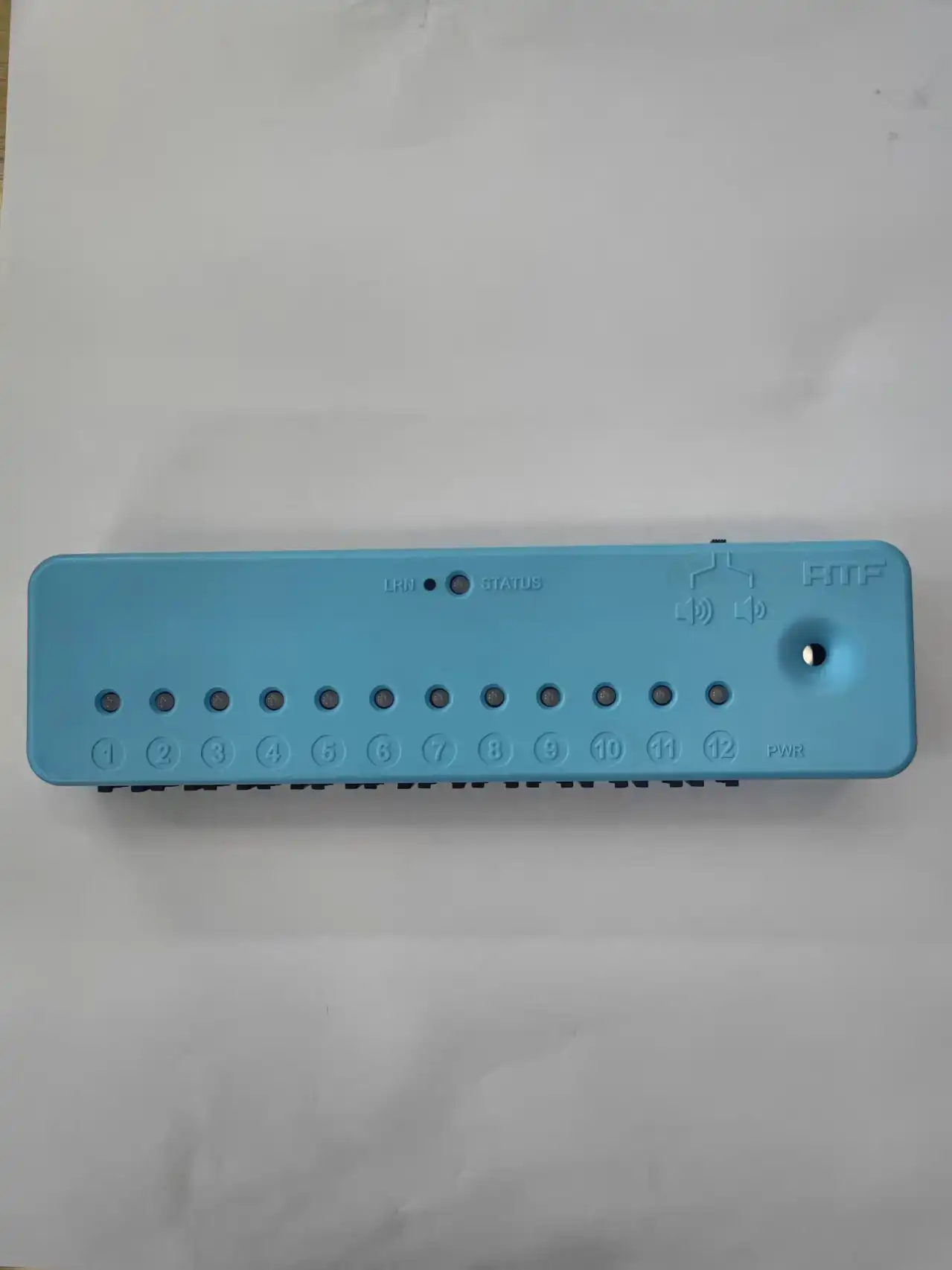
Control Panel: The Brain of Your Alarm System
A security alarm system's control panel is its central component. Also called the alarm control box, this vital part acts as the system's nerve center, coordinating and managing everything. It coordinates the operation of all the sensors and determines when to sound the alert based on the data collected.
The control panel typically includes:
A microprocessor for data processing
Memory to store system settings and event logs
Backup battery power for uninterrupted operation
Communication modules for connecting with monitoring services
Modern control panels are increasingly sophisticated, offering features like remote access via smartphone apps and integration with smart home devices. This evolution has transformed the humble alarm control box into a powerful tool for comprehensive home and business security management.
Sensors and Detectors: The Eyes and Ears of Your Security System
The second most important part of an alarm system are the sensors and detectors. These components keep an ear to the ground and a watchful eye on the system for any indication of danger or incursion. Every kind of sensor is tailor-made to pick up on a certain kind of danger:
- Whenever a door or window is opened, these magnetic switches will detect it.
- The infrared technology used by motion detectors allows them to pick up on any kind of movement in a given area.
- Those acoustic sensors that listen for the unique frequency of a glass shattering are called glass break detectors.
- While its primary function is to ensure the safety of the user, smoke and carbon monoxide detectors are becoming more common in contemporary security systems.
- All of the security devices that are linked to it are managed and monitored by the alarm control box.
A thorough network of security is established by strategically placing these sensors over a site. In response to a sensor's activation, the control panel receives a signal and, according to the system's configuration, decides what action to take.

Alarm Sirens: The Voice of Your Security System
The alarm or siren is the third primary part of a security system. This component is responsible for producing the noticeable blare that alerts the user to the presence of an intruder. The alarm siren mainly serves to:
- Make those within aware of a possible threat
- Make your property more noticeable to potential burglars.
- Report a security breach to your neighbors.
There is a wide variety of alarm control panels and alarm sirens available, including:
- As a general rule, indoor sirens are louder and intended to confuse would-be burglars.
- Alert systems for outdoor areas: Protected from the elements and engineered to notify the surrounding area
- Quiet warnings: These alert the monitoring service alone, which is helpful in cases where privacy is paramount.
The capacity to provide a shocking and discernible warning signal is often what makes an alarm siren effective. You may adjust the alarm sounds and durations on many new systems to fit your demands and the rules where you live.
User Interfaces: The Gateway to Control
Even though they aren't usually included as one of the three primary parts, user interfaces are vital to an alarm system's performance and usability. The user and the system primarily communicate via these interfaces. Here are some examples of user interfaces:
- Keypads: Users may program the system, arm and disarm it, and more.
- The key fobs allow for the easy remote control of the system's fundamental operations.
- Useful applications for smartphones allow for remote, high-tech control and monitoring.
- Voice control is a new technology that lets you operate the system without using your hands.
Everyday usage of the security system relies on the user interface. It is more probable that the system will be used regularly and efficiently if the interface is well-designed and improves the user experience.

Integration and System Synergy
Although we have covered the three primary aspects of an alarm system's security in isolation, it is critical to remember that they are interdependent. After receiving data from a number of sensors, the control panel analyzes it in accordance with predetermined criteria before sending out the proper signals via the alarm sirens and other communication channels.
The effectiveness of current alarm systems is attributed to this synergy. When a motion detector detects movement inside a certain region, for instance, it may set off a chain reaction:
- A signal is sent to the control panel via the sensor.
- Based on its analysis, the control panel has identified this as a possible danger.
- In order to notify those inside and discourage would-be burglars, the panel triggers the alarm system.
- At the same time, it may notify a monitoring service and the owner's phone.
This well-coordinated reaction highlights the critical role that every part of the security system plays.
Choosing the Right System for Your Needs
Understanding the three main parts of an alarm system security, including alarm control panels, is crucial when selecting a system for your property. Consider the following factors:
- The quantity and kind of sensors required are dependent on the property's dimensions and architecture.
- Different security risks may call for different kinds of sensors or detectors.
- Cost: More sophisticated systems with more features will often cost more.
- Level of control you desire: Think about the ways you wish to use your system on a regular basis.
- Connectivity to other systems: For added convenience, many new alarm systems are compatible with smart home devices.
- Making a well-informed selection about the ideal alarm system for your requirements requires meticulous evaluation of these elements and comprehension of the entire system's contribution from each component.
Alarm Control Box Supplier: Rongbao Enterprise
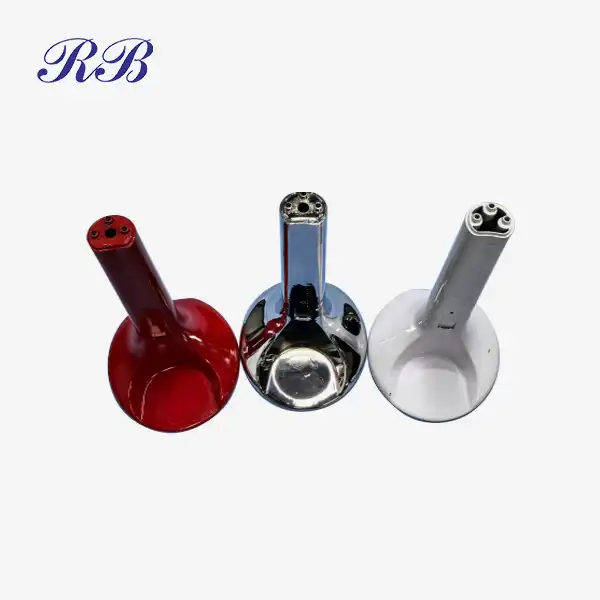
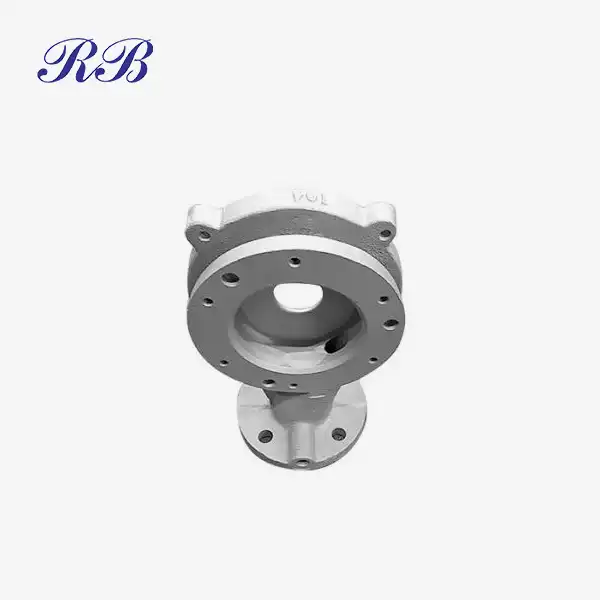
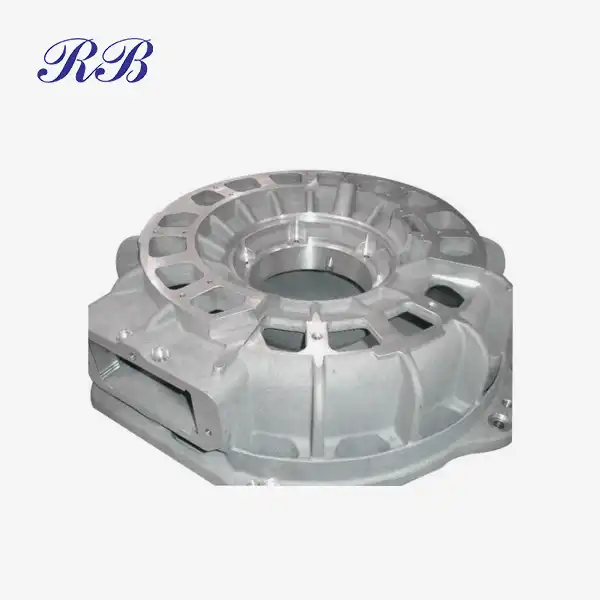
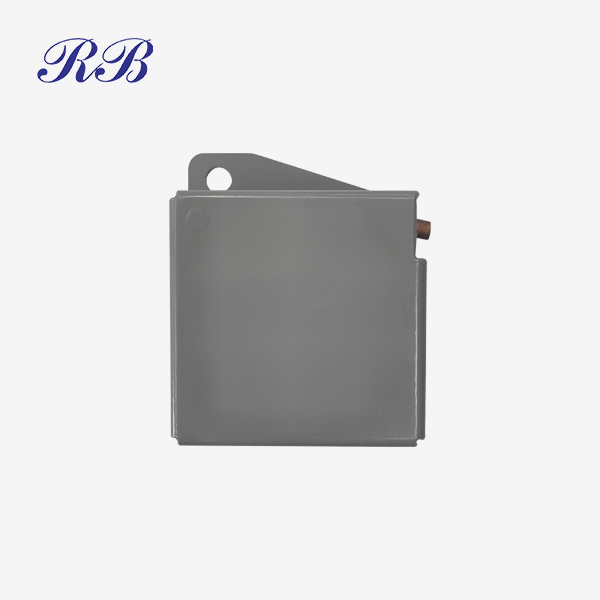
When it comes to sourcing high-quality components for your alarm system, particularly the crucial alarm control box, look no further than Rongbao Enterprise. With a strong commitment to quality and innovation, Rongbao offers customized solutions tailored to your specific security needs. Their alarm device parts are manufactured to the highest standards, with certifications including ISO9001:2015, ISO14001, and ISO45001.
Rongbao Enterprise, founded in 2003, specializes in aluminum alloy casting and precision processing. Their advanced production methods, including high-pressure die casting and precision machining services, ensure top-notch quality for every component. With a production capacity of 50,000 pieces and the flexibility to accommodate custom specifications, Rongbao is well-equipped to meet the demands of both small and large-scale security projects.
For inquiries about their alarm control boxes or other security components, reach out to Rongbao Enterprise at steve.zhou@263.net or zhouyi@rongbaocasting.com. Their team of experts is ready to assist you in finding the perfect solution for your alarm system needs, ensuring your property remains secure with top-quality, reliable components.
FAQ
1. How often should I test my alarm system?
It's recommended to test your alarm system at least once a month. This includes checking all sensors, detectors, and the control panel to ensure they're functioning correctly. Many professional security companies suggest performing a more thorough test quarterly.
2. Can I install an alarm system myself, or should I hire a professional?
While many modern wireless systems are designed for DIY installation, professional installation is often recommended, especially for more complex systems. Professionals can ensure optimal placement of sensors and proper integration of all components. They can also provide valuable advice on system operation and maintenance.
3. How long do batteries in wireless sensors typically last?
The battery life of wireless sensors can vary depending on the brand and usage, but most modern sensors have batteries that last between 3 to 5 years. Some advanced systems will alert you when batteries are running low, allowing for timely replacement.
References
1. National Fire Protection Association. (2021). "NFPA 72: National Fire Alarm and Signaling Code."
2. U.S. Department of Justice. (2019). "Burglary of Single-Family Houses and Apartments."
3. Security Industry Association. (2020). "Consumer's Guide to Home Security Systems."
4. Underwriters Laboratories. (2021). "UL 681: Standard for Installation and Classification of Burglar and Holdup Alarm Systems."
5. Electronic Security Association. (2022). "Home Security System Buyer's Guide."
Learn about our latest products and discounts through SMS or email